

`food-safety` Related Article Results
 Ag
AgAgricultural Product Supply Chain Tracking
The agricultural product supply chain is a complex structure encompassing all processes from raw material production to the final consumer. In this process, the transparency and traceability of every step is one of the most critical requirements of today’s food industry. At this point, the concept of traceability comes into play. The Concept and Importance of Traceability in the Agricultural Product Supply Chain Traceability refers to the ability to determine the movement and location of a produ
EN
Aslı Öncan
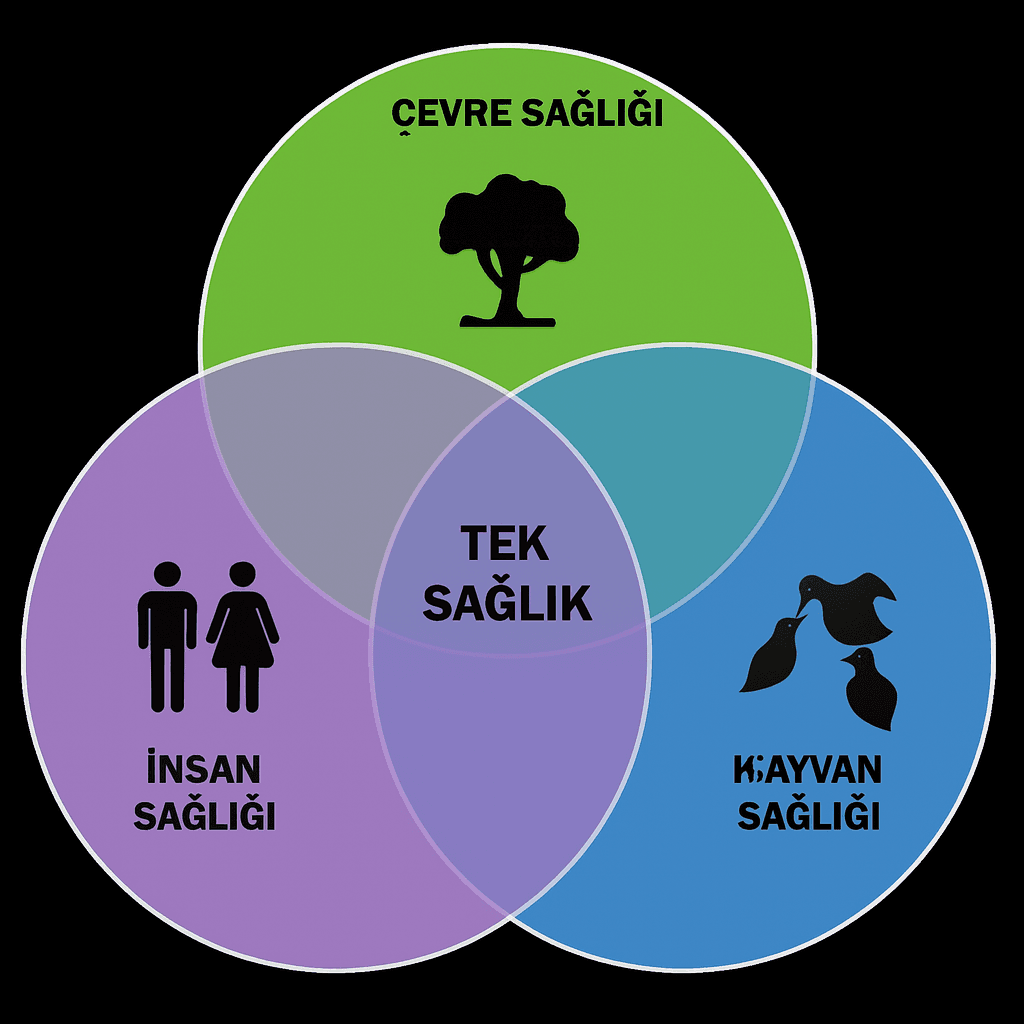
Single Health
One Health is an interdisciplinary health approach based on the principle that human, animal, and environmental health are interdependent and interconnected. This understanding recognizes that a significant proportion of risks to human health originate from animals and are directly linked to environmental factors, necessitating a multidisciplinary collaboration among health systems. The One Health approach enables a holistic evaluation of various global health issues such as zoonotic diseases, a
EN
Sümeyye Akkanat Terzioğlu
CoCodex Alimentarius
The Codex Alimentarius is a fundamental reference framework encompassing a set of international food standards developed to ensure food safety worldwide protect consumer health and facilitate international trade. This system was established in 1963 by the United Nations Food and Agriculture Organization (FAO) and the World Health Organization (WHO). Managed by the Codex Alimentarius Commission (CAC) this system aims to harmonize food regulations among countries support public health and promote
EN
Rumeysa Borozancı
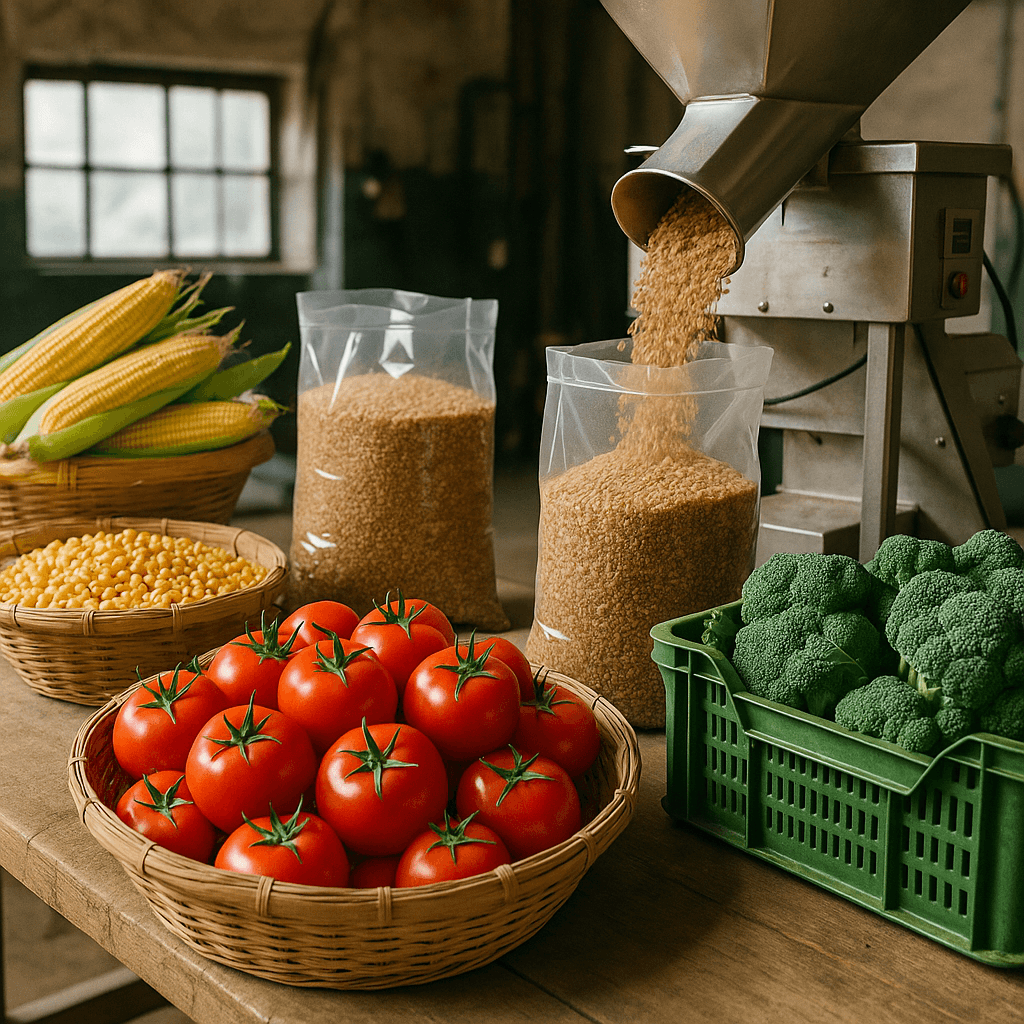
Agricultural Food Processing
Agri-food processing is the process of transforming agricultural raw materials or products into consumable food items with extended shelf life, enhanced nutritional value, and improved flavor. This process represents a broad industrial activity encompassing various stages such as the processing, packaging, and distribution of agricultural products. Food processing converts raw agricultural inputs into different food forms and constitutes a fundamental component of the food chain, which spans a w
EN
Ömer Said Aydın

Food Packaging
Food packaging encompasses the complete system of coatings and protective materials that ensure the protection, transportation, storage, and presentation of food products from production to consumption. This process aims to preserve the freshness, flavor, and nutritional value of foods by safeguarding them against physical, chemical, and microbiological deterioration. Food packaging not only extends the shelf life of products but also ensures they are stored under hygienic conditions. Additional
EN
Bilal Utku Karakoç
Hazard Analysis and Critical Control Points System (HACCP)
HACCP (Hazard Analysis and Critical Control Points – Tehlike Analizi ve Kritik Kontrol Noktaları) System is a systematic and preventive approach applied to identify, assess, and control hazards to ensure food safety. It aims to determine biological, chemical, and physical hazards throughout the food chain from production to consumption and to eliminate or reduce these hazards to acceptable levels. Historical Development and Importance The HACCP system was first developed in the 1960s by the Unit
ENHalil Berk Aygün
Mycotoxins
Mycotoxins are chemical substances naturally produced by certain molds in foods and animal feed. These compounds can be found particularly in cereals, dried fruits, nuts, and spices. The formation of mycotoxins requires suitable temperature and humidity conditions. Mycotoxins are regarded as undesirable contaminants in food and are monitored for food safety purposes. Main Types of Mycotoxins The most common and significant types of mycotoxins include: Aflatoxins: Toxic compounds produced by the
EN
Yusuf İslam Tuğla
SuSustainable Nutrition
Sustainable nutrition is an approach to eating that safeguards individual health and well-being while considering environmental, economic, and social sustainability. It is defined by the Food and Agriculture Organization (FAO) and the World Health Organization (WHO) as dietary patterns that are low in environmental impact, safe, equitable, accessible, and culturally acceptable. Sustainable nutrition encompasses not only the foods consumed but also the processes of production, processing, distrib
EN
Nursena Güller
AgAgricultural Product Supply Chain Tracking
The agricultural product supply chain is a complex structure that encompasses all processes from the production of raw materials to their delivery to the end consumer. The transparency and traceability of each step in this process are among the most critical requirements of today’s food industry. This is where the concept of traceability comes into play. The Concept and Importance of Traceability in the Agricultural Product Supply Chain Traceability refers to the ability to determine the movemen
ENAslı Öncan
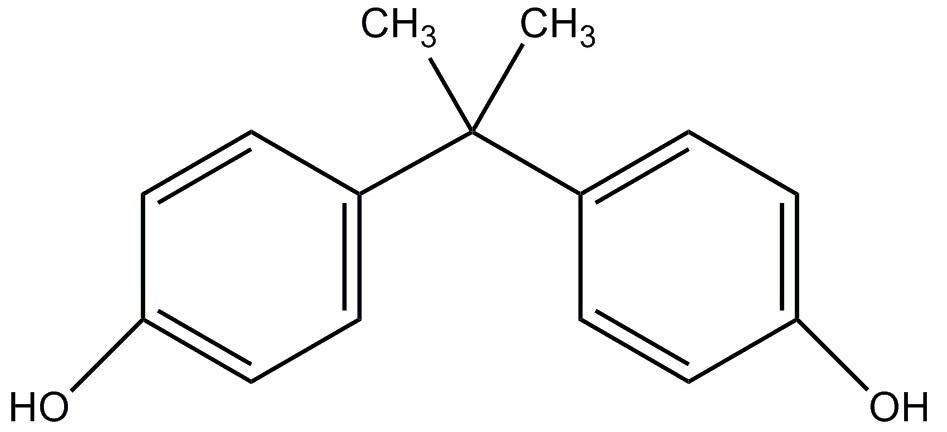
Bisphenol A (BPA)
Bisphenol A (BPA) is a synthetic organic compound widely used in modern industry, serving as the primary monomer in the production of polycarbonate plastics and epoxy resins. With the chemical formula (CH3)2C(C6H4OH)2, BPA belongs to the class of diphenylmethane derivatives known as bisphenols, containing two hydroxyphenyl groups. BPA was first synthesized in 1891 by Russian chemist Aleksandr P. Dianin. This synthesis was achieved through the condensation of phenol with acetone in the presence o
EN
Emine Nur ERDEM