

`folklore` Related Article Results
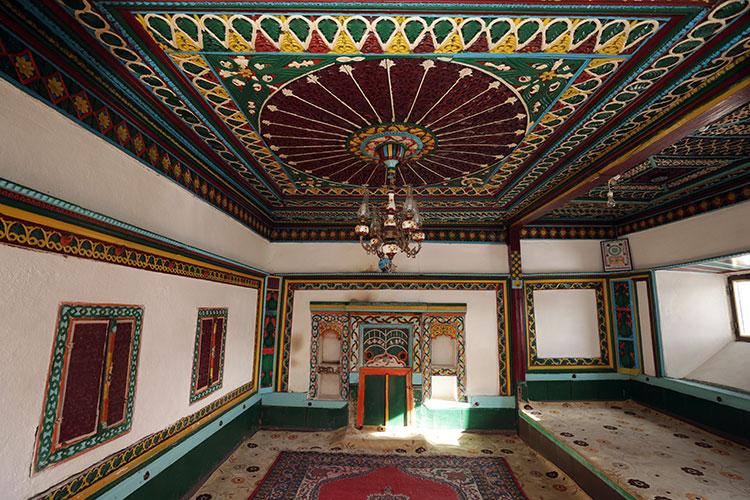
Village Chambers
Village rooms are traditional spaces in rural settlements of Anatolia, organized for communal use by the villagers or neighborhood residents. They serve functions such as hosting travelers, enabling villagers to gather for conversation, and facilitating various social and cultural gatherings. In addition to their role in accommodation and hospitality, village rooms function as public meeting places where information and communication are exchanged, social solidarity is organized, and local cultu
EN
Samet Buğrahan İçoğlu
 Mo
MoMocking / To mock
Alazlama, in Turkish, refers to the condition in which redness or red spots appear on the body. It is also the term used for the act of setting something on fire or burning it. Example: “Spirit sweet seared his stomach with intense heat.” – Refik Halit Karay Word derives from the word “alaz,” meaning flame. Alazlama has emerged as a term within Anatolia’s oral culture and belief systems. In Turkish tradition, fire, water, trees and mountains such as became sacred entities due to Shamanist tradit
EN
Şuheda Osmanlıoğlu
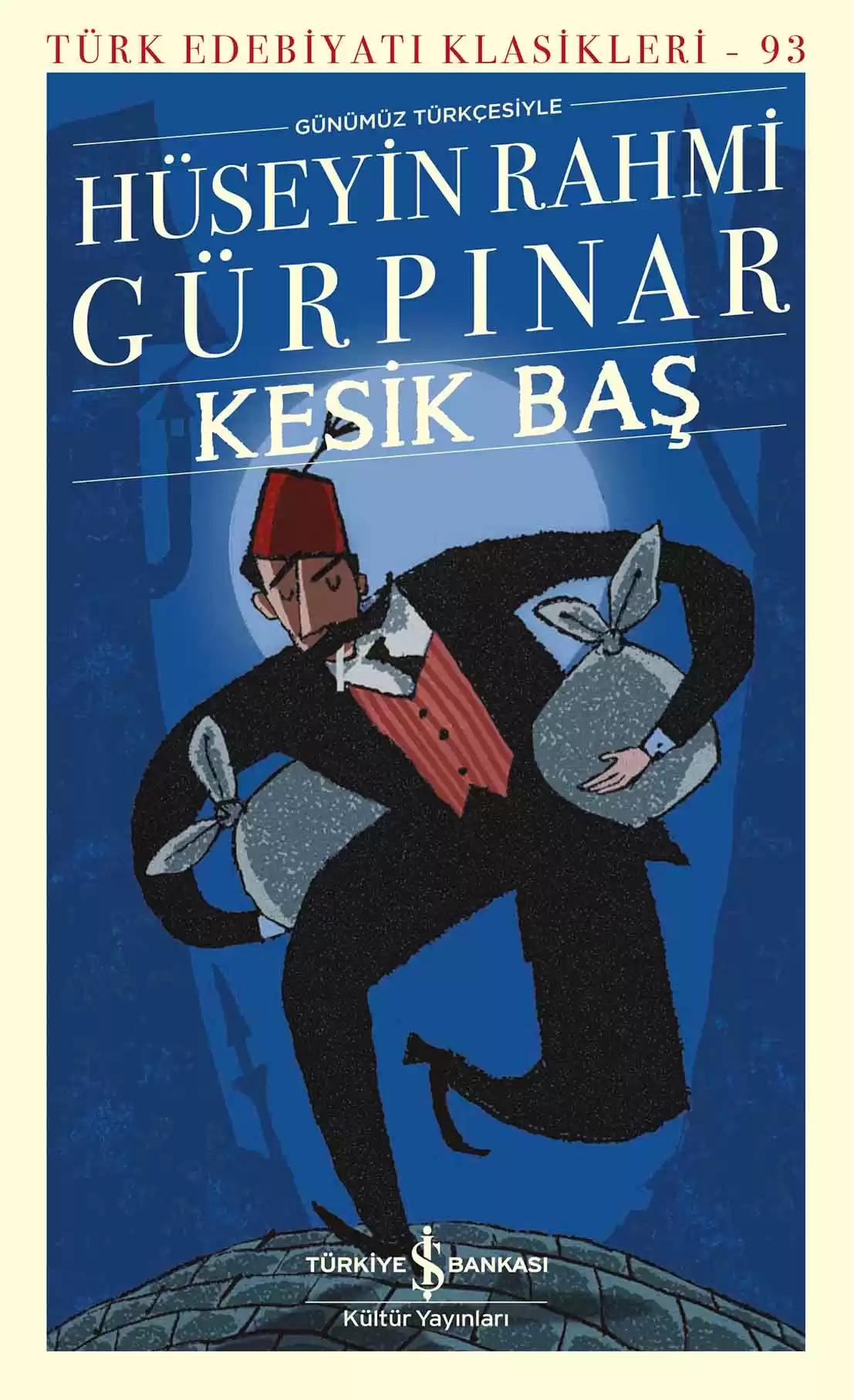
Broken Head (Novel)
Kesik Baş is a novel by Hüseyin Rahmi Gürpınar, published in 1911. This work is one of the most significant examples of the author’s literary approach, offering an original critique of the social structure, superstitions, and irrational beliefs of its time. Evaluated within the realist movement in Turkish literature, Kesik Baş reveals Hüseyin Rahmi’s struggle against societal ignorance and his quest for individual enlightenment. Within its historical context, the novel explores the impact of wid
EN
Zeynep Şule Bingöl
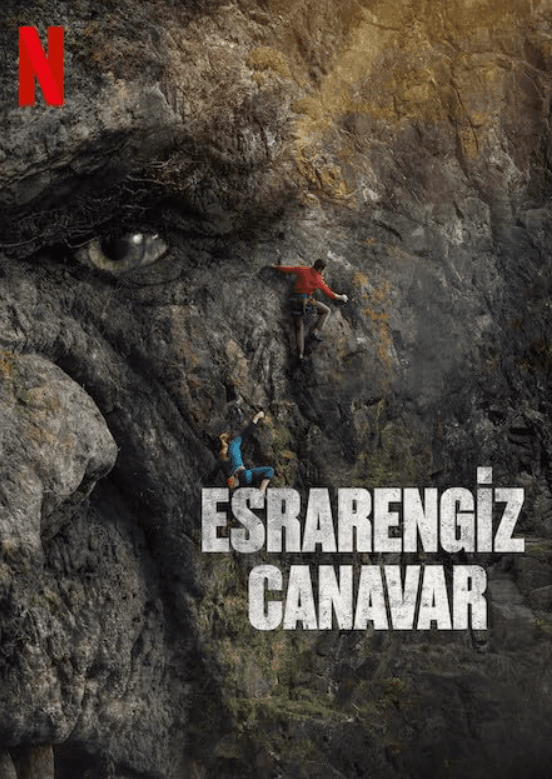
The Mysterious Monster (Film)
The Troll (original title: Troll); a 2022 Norwegian monster film directed by Roar Uthaug and written by Espen Aukan and Roar Uthaug. The film was released globally on Netflix on December 1, 2022. It centers on the threat posed by a legendary troll that has slept for thousands of years in the mountains of Norway and awakens due to human activity. Recognized as a contemporary example of Norwegian monster cinema, the production blends Scandinavian folklore with action and suspense elements. Plot Th
EN
Aslınur İLHAN
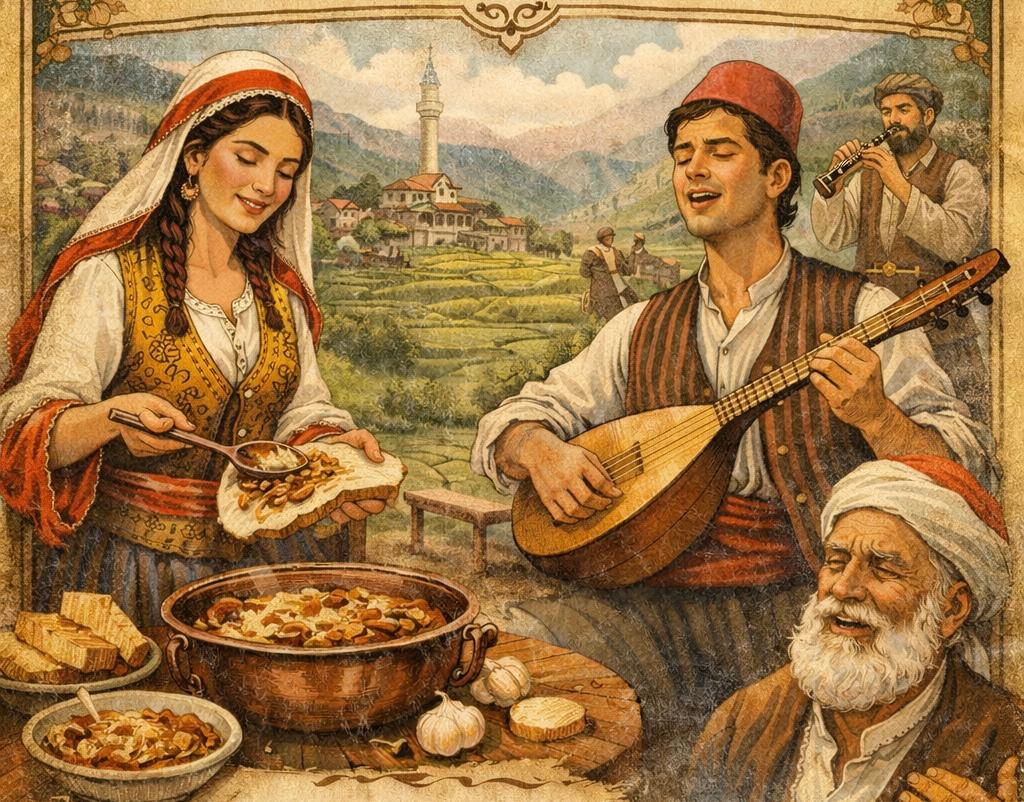
Tiridine Bandım (Folk Song)
Tiridine Bandım is an anonymous folk song from the Anatolian folk music repertoire, associated with the Kastamonu region and its surroundings in terms of both lyrics and melody. The song emerged within the oral culture tradition and contains narrative elements reflecting local life practices and social relationships. Everyday speech patterns, regional linguistic features, and narrative structure reveal characteristics of the cultural environment in which the song developed. Origin and Historical
EN
Beyza Başar
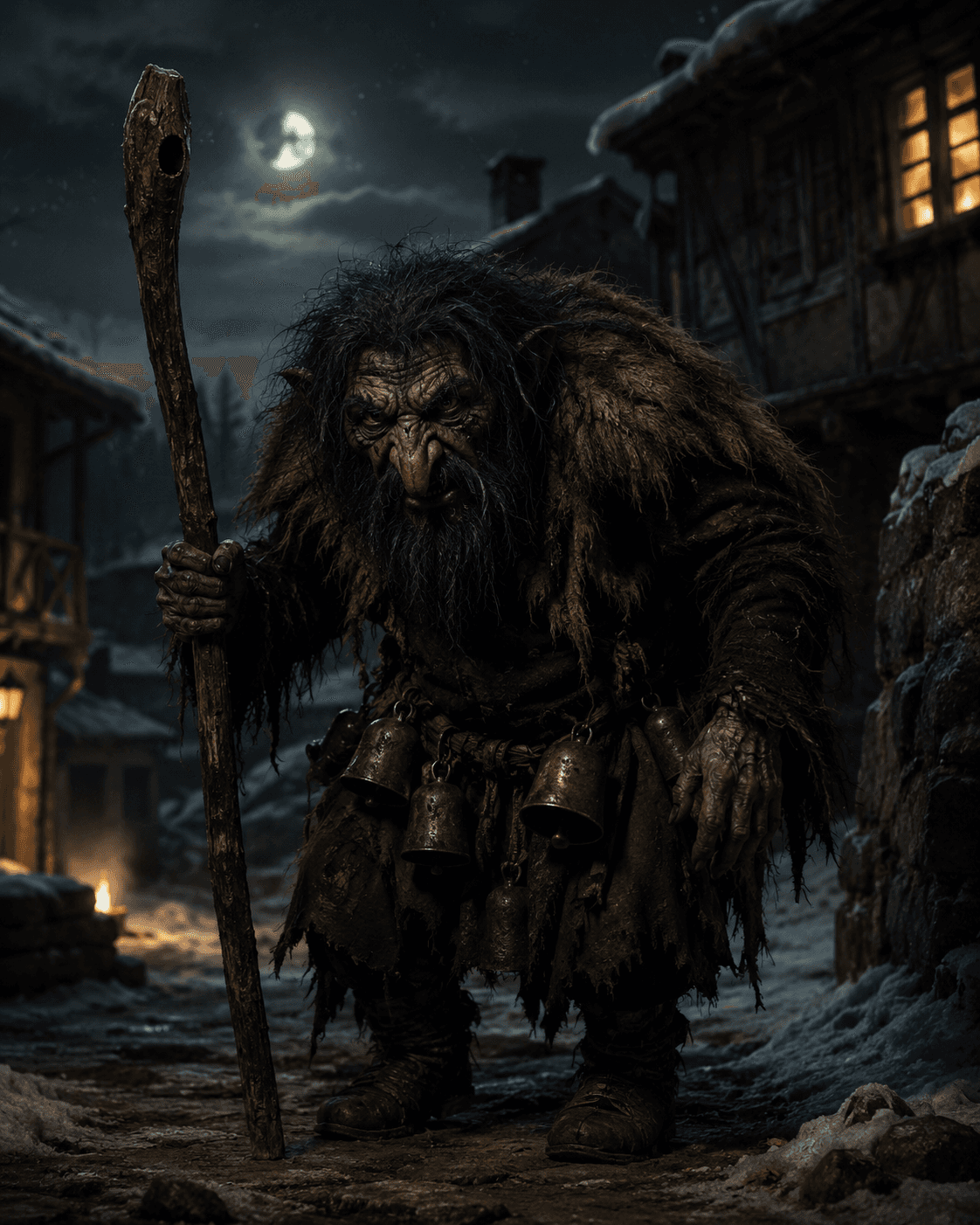
Karakoncolos
Karakoncolos is a malevolent supernatural entity believed in Turkish, Balkan, and Caucasian folk cultures to emerge onto the earth during the coldest days of winter. In mythology, it is imagined as a type of winter demon, gulyabani, umacı, witch, or devil. Across different regions and dialects, it is known by numerous names including Karakoncul, Koncolos, Congolos, Coraz, Karakura, Kalikancaros, Karakondzho, Karakoncalas, Karacingolos, and Goncoloz.【1】 In the Balkans, especially in Greek culture
EN
Nida Üstün
WiWitch's Stairs
Witch’s Ladder (English: Witch’s Ladder) is an object created by tying feathers or other items at regular intervals along a cord, commonly associated with folk magic and witchcraft. The best-known example is a feathered cord discovered in Somerset, England, and currently on display at the Pitt Rivers Museum. Although various theories exist regarding its function and origin, scholarly and folkloric debates on the object have continued since the late 19th century. The Witch’s Ladder is typically m
ENYunus Emre Yüce
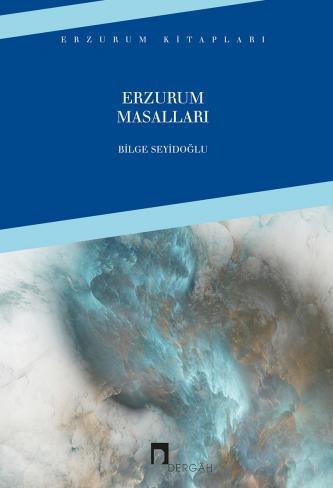
Folktales of Erzurum (Book)
“Erzurum Tales” is a work compiled and analyzed by Professor Dr. Bilge Seyidoğlu (b. 1937), who has conducted research in the fields of Turkish folklore and fairy tale studies. It was published as part of Dergâh Publications’ “Erzurum Library” series. The book brings together fairy tales from the Erzurum region, which contain both universal motifs and local cultural elements. The first edition was published in November 1999, consisting of 384 pages, and by July 2016 it had reached its fourth edi
EN
Muhammed Samed Acar
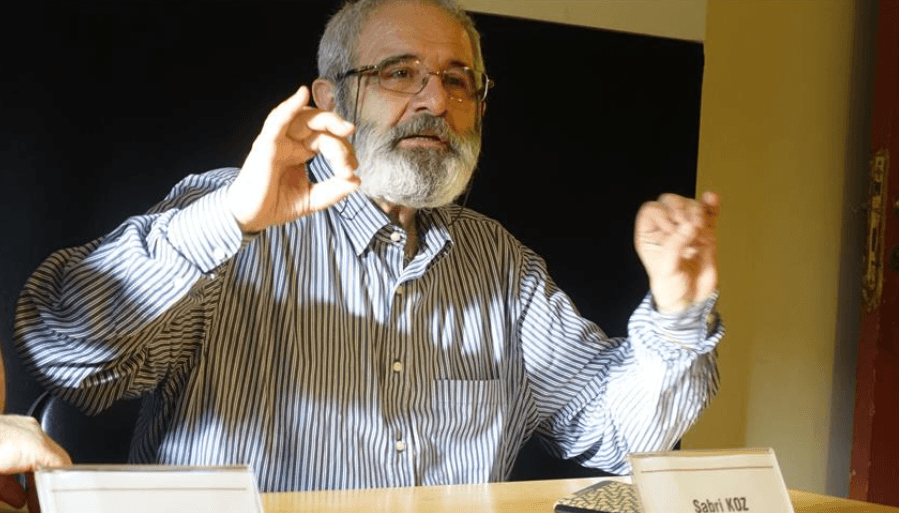
Sabri Koz
M. Sabri Koz, known for his research in ethnology, folklore studies, and literary analysis, has emerged as both a collector and researcher within the history of Turkish culture. Over a career spanning more than fifty years, he has contributed extensively to publications, compilations, and scholarly activities on folk literature, manuscript works, cönks, antiquarian culture, and Ottoman-era handwritten texts. With a career ranging from teaching to publishing consultancy, Koz has taken significant
EN
Burak Enes
DuDurub al-Masal al-Osmaniyye (Book)
Durûb-ı Emsâl-i Osmâniyye is a comprehensive work compiled by the 19th-century Ottoman intellectual Şinâsi, written in Ottoman Turkish and containing proverbs and idioms. Notable for its literary, linguistic, and folkloric characteristics, this compilation uniquely documents both the variety of usage of proverbs and idioms and their presence in written sources. The edition presented to contemporary readers and researchers was prepared by Professor Dr. Süreyya Beyzadeoğlu and published under the
EN
Sevgi Kıraç