

`folk-dance` Related Article Results
Çayda Çıra
Çayda Çıra, a folk game belonging to the Elazığ region, is a ritualistic and culturally reflective folk tradition deeply embedded in the collective memory of the area. Performed by players carrying candles in their hands, this game is typically enacted during weddings, henna nights, and special ceremonies. Played according to specific rules and in harmonious coordination, Çayda Çıra holds a significant place among Elazığ’s traditional performing arts. Origin and Definition Çayda Çıra is a distin
EN
Muhammed Emir Noyan
Çayda Çıra
Elazığ is associated with the folk dance Çayda Çıra, a traditional folk dance rooted in the cultural fabric of the region, possessing ritual characteristics and firmly embedded in collective memory. In this dance, performers carry candles in their hands and execute it typically during weddings, kına nights, and special ceremonies. Performed within specific rules, Çayda Çıra holds an important place among the traditional performing arts of Elazığ. Origin and Definition of the Dance Çayda Çıra is
EN
Muhammed Emir Noyan
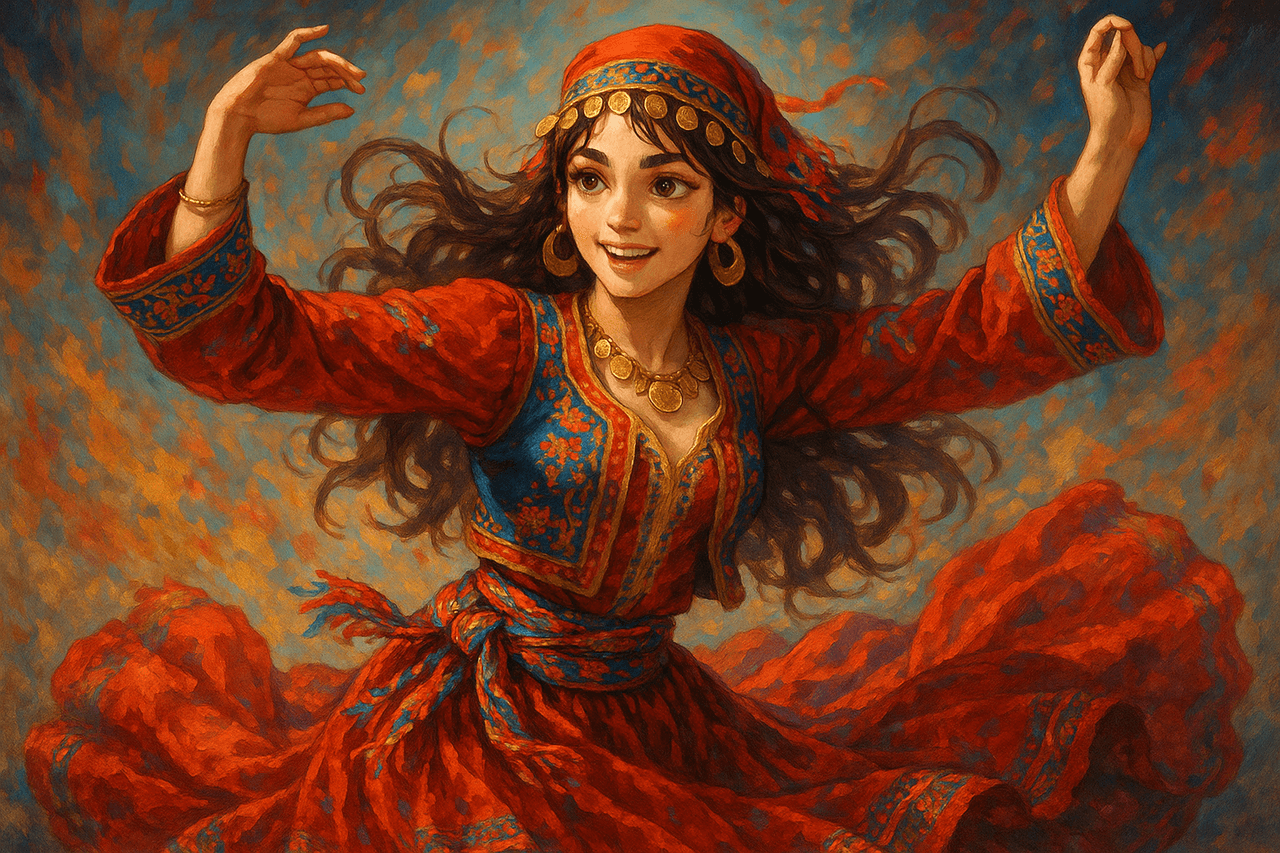
What is Çiftetelli?
Çiftetelli is a lively and energetic folk dance with deep historical roots in Türkiye and neighboring countries. Shaped over centuries by cultural exchanges and migrations, this dance is particularly widespread in the Anatolian, Aegean, and Thrace regions. Its rhythmic structure, easily learnable figures, and spirited tempo make it a source of great enjoyment for both dancers and spectators. Çiftetelli is commonly performed at weddings, engagement ceremonies, holiday celebrations, and various so
EN
Mehtap Pamuk
 Ko
KoKolbastı
Kolbastı is a musical folk dance distinguished by its lively and energetic rhythm, particularly performed in the Trabzon region. It is also locally known by names such as "metelik," "hoptek," or "Faroz kesmesi." It is generally accepted to have emerged more recently compared to traditional horon dances. The dance’s movements feature improvised and dramatized gestures that evoke combat, wrestling, injury, and falling. Today, while preserving its regional identity, Kolbastı has become part of the
EN
Ilgın Zabun