

`folk-beliefs` Related Article Results
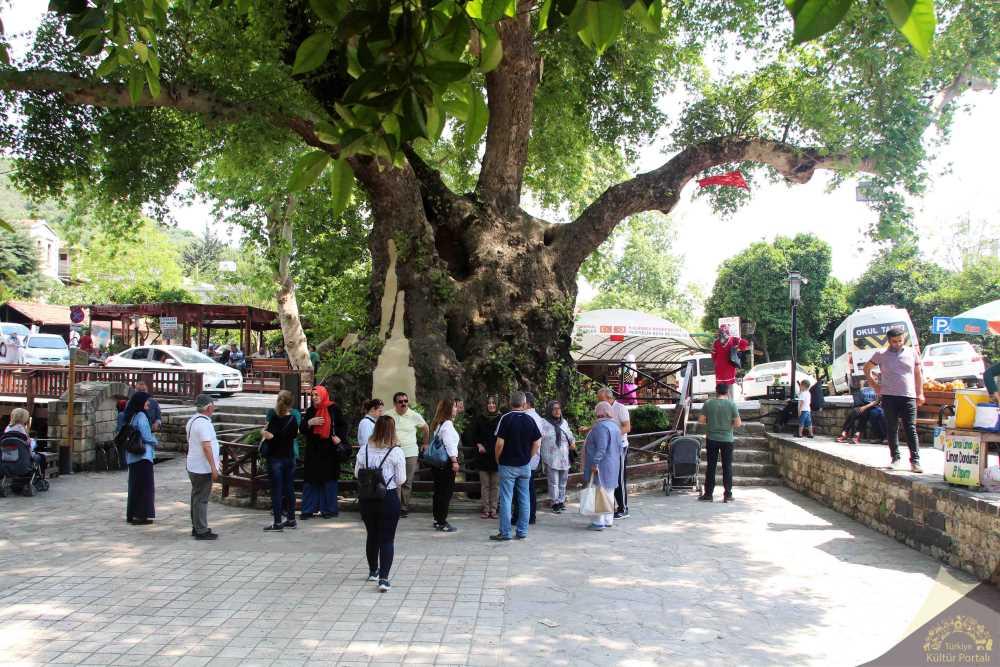
Hıdırbey Musa Ağacı
Within the boundaries of Hıdırbey Neighborhood in the Samandağ district of Türkiye’s Hatay province lies the Musa Ağacı, a monumental oak tree estimated to be approximately two thousand years old. It holds a significant place in the regional memory due to its impressive physical dimensions and the religious and cultural narratives that have developed around it. With a trunk diameter of about 7.5 meters and a height of 20 meters, the tree is situated at the foothills of the Amanos Mountains, in a
EN
Fatma Köroğlu
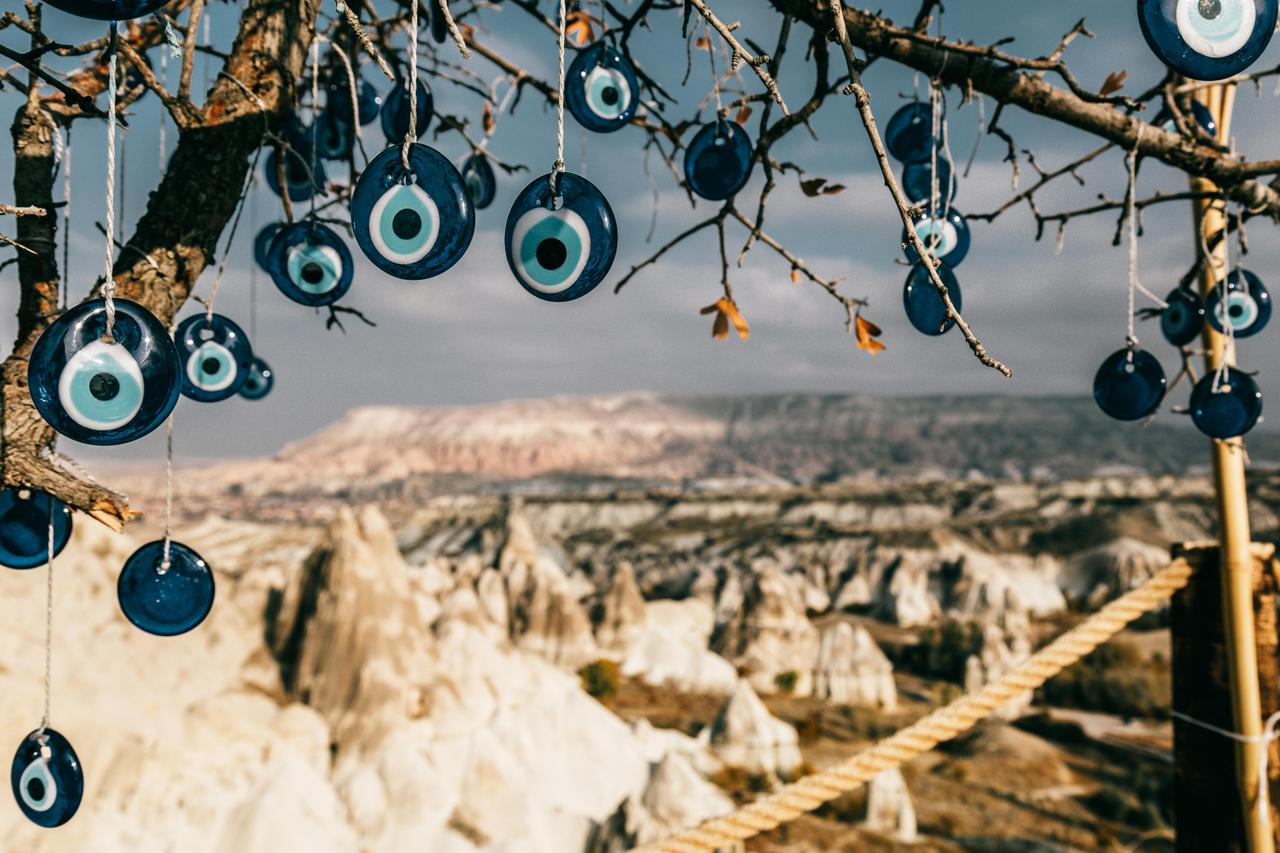
The Evil Eye Belief in Turkish Culture
Nazar is a belief system with deep roots in Turkish culture, transmitted across generations. Known among the people as "göz değmesi", this belief holds that a person or object can be negatively affected by the envious or admiring glances of others. It is believed that this influence manifests as illness, misfortune, or bad luck. The belief in nazar is not unique to the Anatolian region but has a broad cultural spread extending from Central Asia to the present day. Historical and Cultural Origins
EN
Melda Kabak
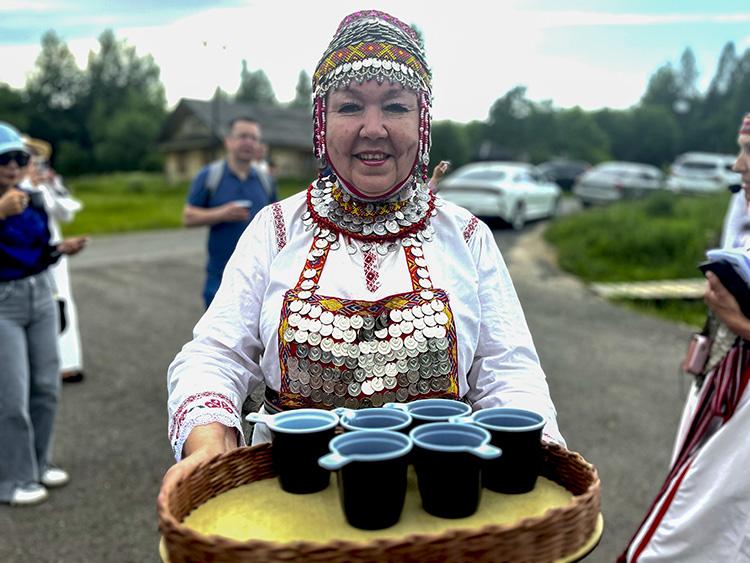
Chuvash Turks
Chuvash Turks are a Turkic people living in the Volga-Ural region, primarily in the Chuvash Republic, an autonomous republic of the Russian Federation, and also dispersed across various other republics and regions. In their own language, they refer to themselves as Çĭvaş or Çupaş. The Chuvash Republic is one of the 21 autonomous republics of the Russian Federation, where the Chuvash Turks constitute the majority of the population. Although the majority of the population lives in Chuvashia, signi
EN
Duygu Şahinler
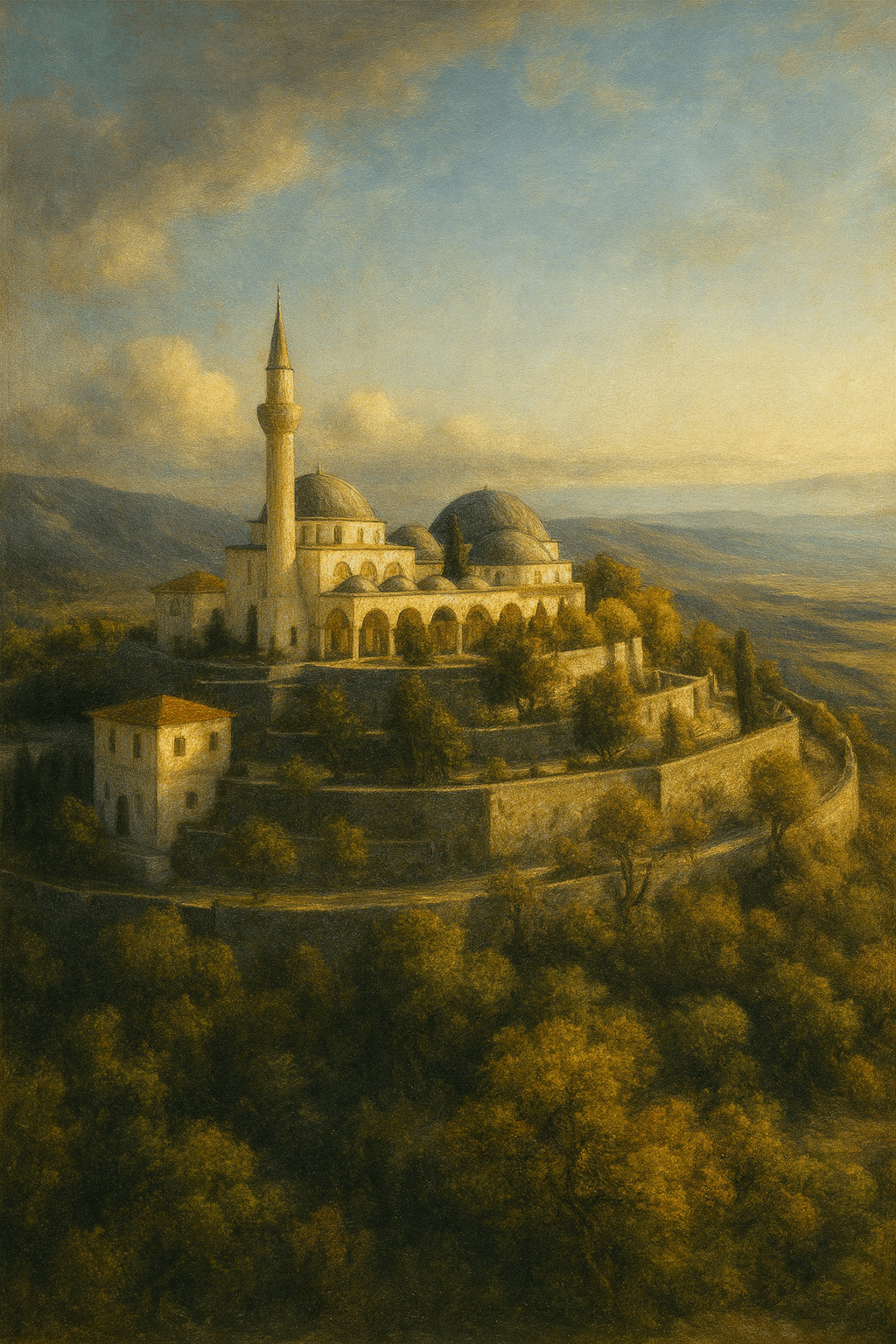
Tomb of Ökkeşiye Hazretleri
Rising at the summit of a hill covered with greenery between Gaziantep and Kahramanmaraş, the Ökkeşiye Hazretleri Türbesi is a site of significant historical and religious importance. The individual believed to be buried here, Ökkeşiye Hazretleri (also known as Hz. Ukkaşe), is recognized as one of the companions of our Prophet. According to tradition, he was one of five individuals martyred during the Muslim conquest of Gaziantep. The hill on which the tomb stands is known locally as “Ökkeşiye”.
EN
Hikmet Can Urhan