

`fission` Related Article Results
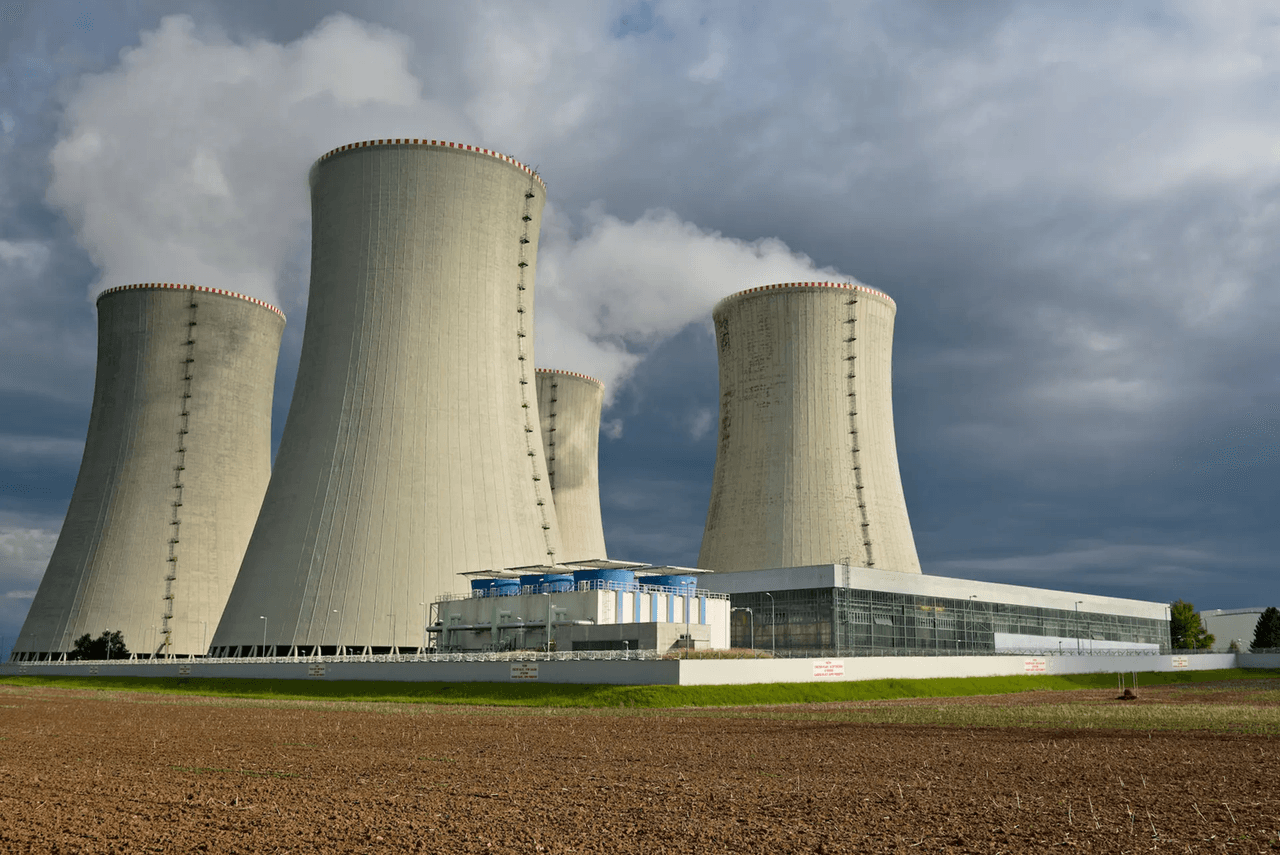
Fourth Generation Molten Salt Reactors
Fourth-generation Molten Salt Reactors (MSR) are an advanced class of reactors that use a mixture of molten salts as either the primary coolant or the fuel carrier in nuclear fission energy production. As one of the six advanced reactor technologies identified by the Generation IV International Forum (GIF), MSRs are distinguished from conventional light water reactors by their potential for high thermal efficiency, passive safety systems, and conversion of nuclear waste. In these systems, the fu
EN
Mürselat YÜRÜMEZ
 Ur
UrUranium and Nuclear Technology
Uranium is a metal found in nature. radioactive is a heavy element that plays a critical role in energy production and the defense industry. Its atomic number is 92. It is one of several substances used in nuclear fission reactions. Uranium is one of the main components of nuclear fuels used for energy production on a scale comparable to world and also holds strategic importance in military and medical applications as a important place. Naturally occurring uranium has several isotopes, most nota
EN
İbrahim Furkan Eraslan
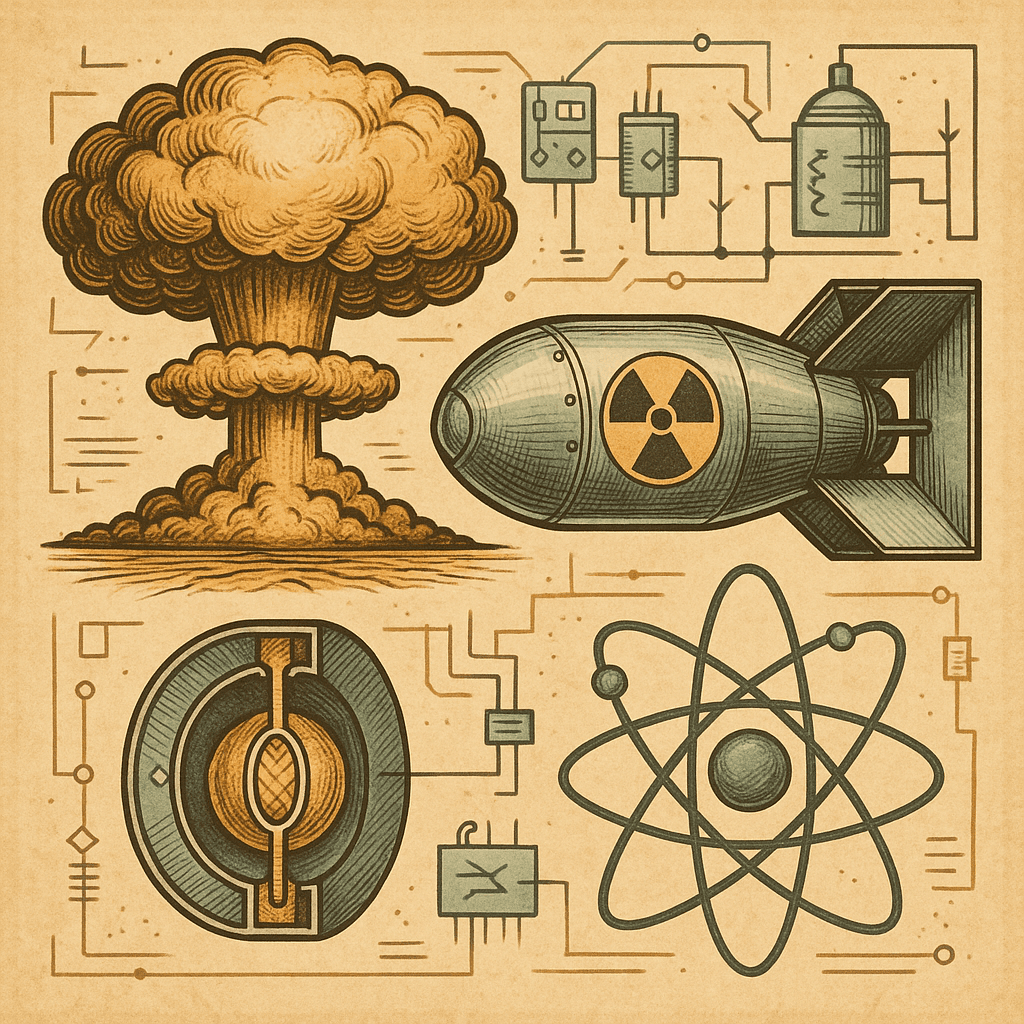
Nuclear Weapons Technology
A nuclear weapon is a weapon of mass destruction that harnesses the energy released by nuclear reactions—either the splitting of atomic nuclei (fission) or the merging of atomic nuclei (fusion)—as a destructive force. Unlike conventional explosives, a single nuclear weapon has the potential to destroy an entire city, kill millions of people, and render vast regions uninhabitable for years through radioactive fallout. These characteristics have elevated nuclear weapons beyond mere military tools,
EN
Ömer Said Aydın
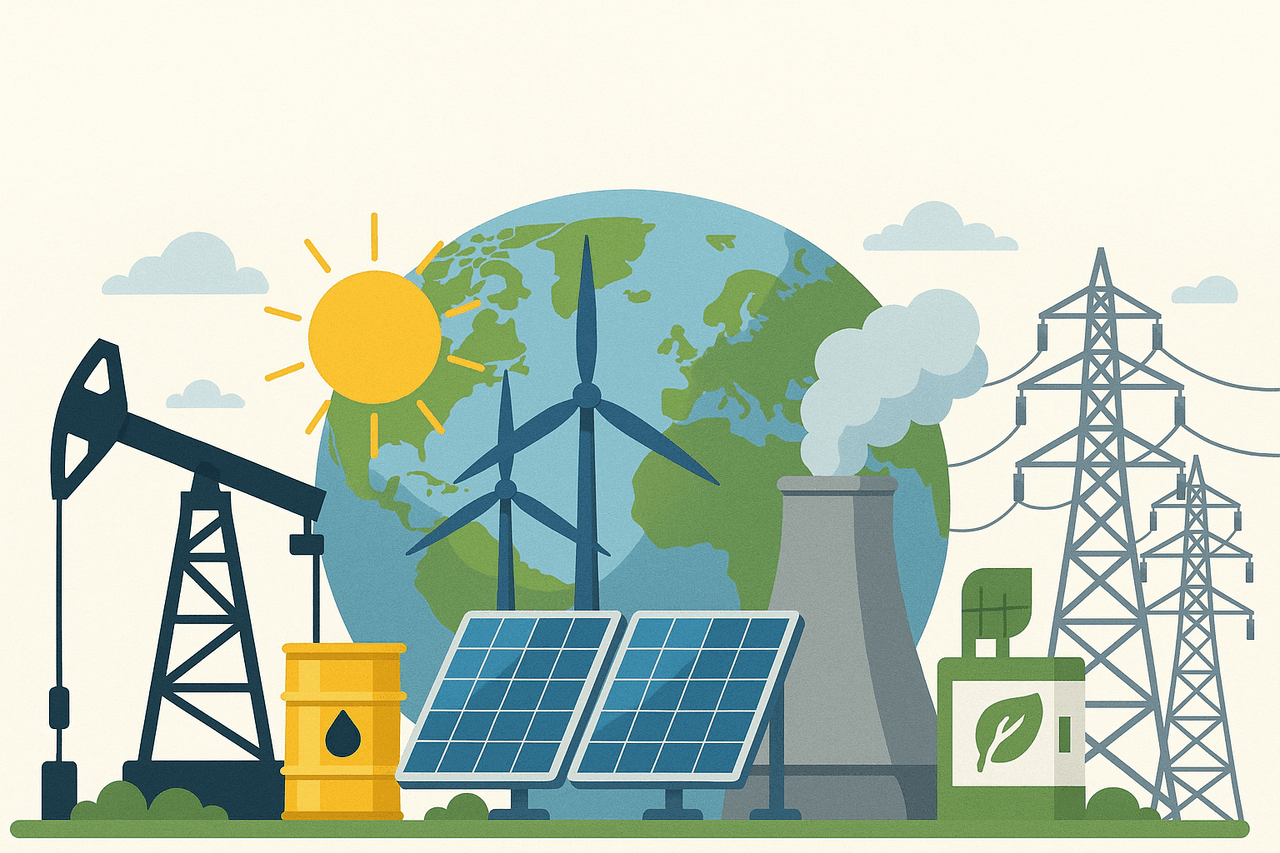
Global Energy Reserves and Future
Global energy systems form a multi-layered structure encompassing production, transmission, and consumption processes. These systems are shaped by objectives of economic growth, energy security, and environmental sustainability. Global energy consumption has increased significantly over the past 50 years in parallel with economic growth and population expansion. Annual energy consumption, which stood at approximately 63 trillion kilowatt-hours (TWh) in the 1970s, reached about 180 trillion TWh b
EN
Rakib Kağan Özyürek