

`fermentation` Related Article Results
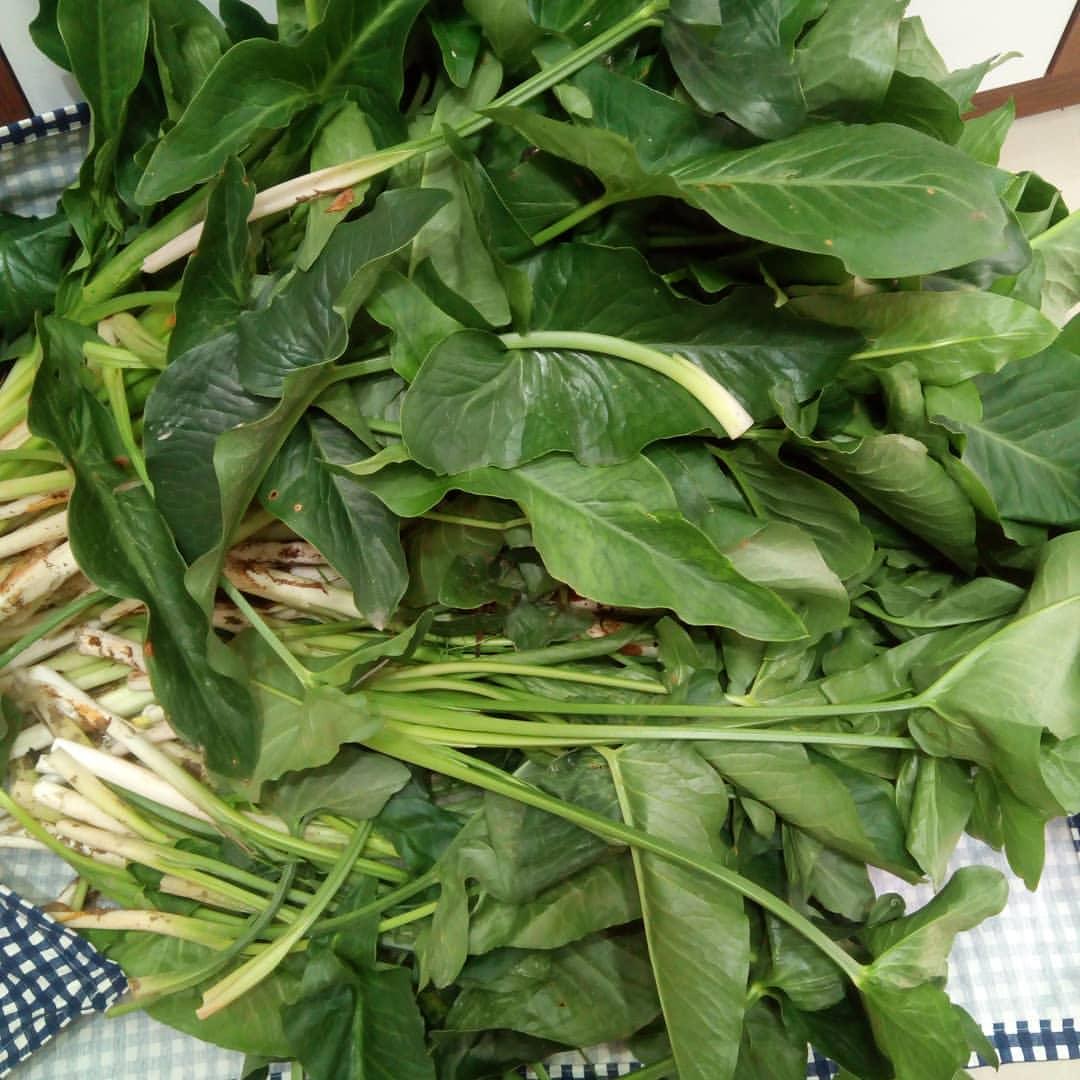
Andırın Tirşik
Andırın Tirşik (Andırın tirşiği) is a traditional dish prepared by finely chopping fresh wild beet (a plant 10-15 cm long, also locally referred to as "kuzu kulağı" - lamb's ear/sorrel) grown in humus-rich soil, particularly in limestone-covered areas, mixing it with water, yogurt, and flour (preferably with coarsely ground wheat and chickpeas), fermenting it for at least 10 hours, and then cooking it over a wood fire. Product Profile and Type of Geographical Indication Andırın Tirşik is classif
EN
Caner Sefa Koçyiğit
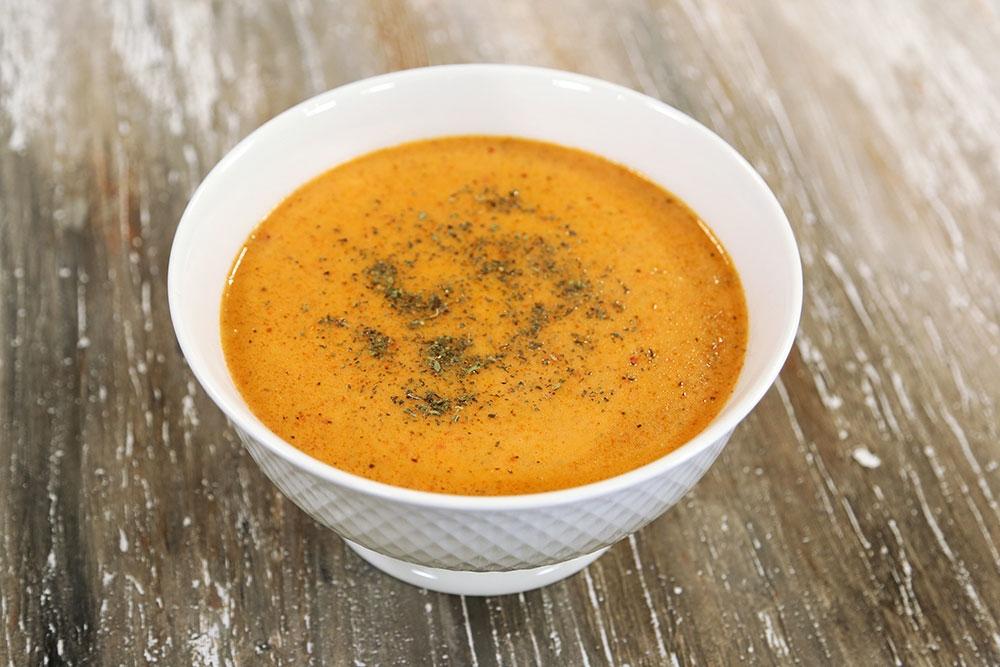
Uşak Tarhanası
Uşak tarhanası is a traditional tarhana variety made by mixing basic ingredients such as wheat flour, full-fat yogurt, red pepper, onion, tomato, and mint, followed by prolonged fermentation and drying in the shade, resulting in a granular texture. While tarhana exists in various forms across many regions of Türkiye, Uşak tarhanası stands out due to its unique production process and ingredient composition. The product, which received geographical indication registration in 2017, can only be prod
EN
Sinem Bostan
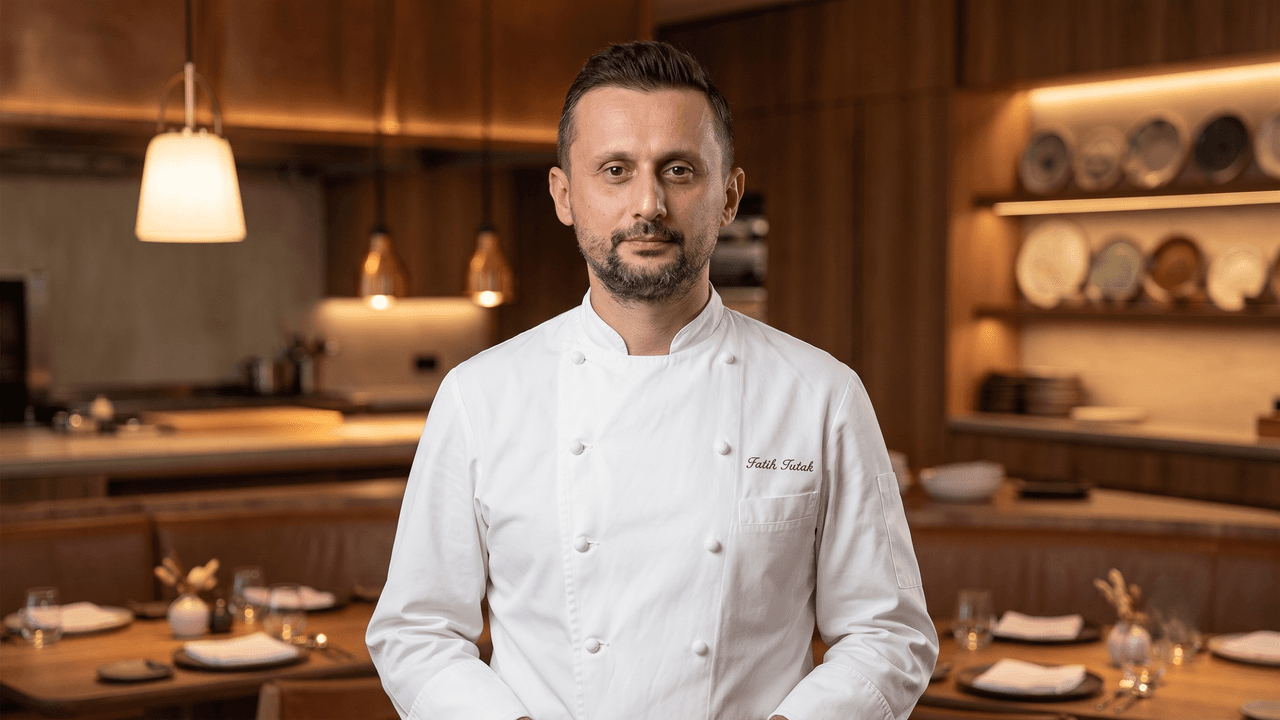
Fatih Tutak
Fatih Tutak (born 31 August 1985, Istanbul) is a Turkish chef and restaurant entrepreneur. He received his professional culinary education at the Mengen Culinary School in Bolu, after which he worked in kitchens across Türkiye, China, Japan, Singapore, Denmark, Hong Kong, and Thailand. He served as head chef and director of kitchen operations at The Dining Room of The House of Sathorn in Bangkok. After returning to Türkiye, he opened TURK Fatih Tutak restaurant in Istanbul in 2019. The restauran
EN
Nurten Yalçın
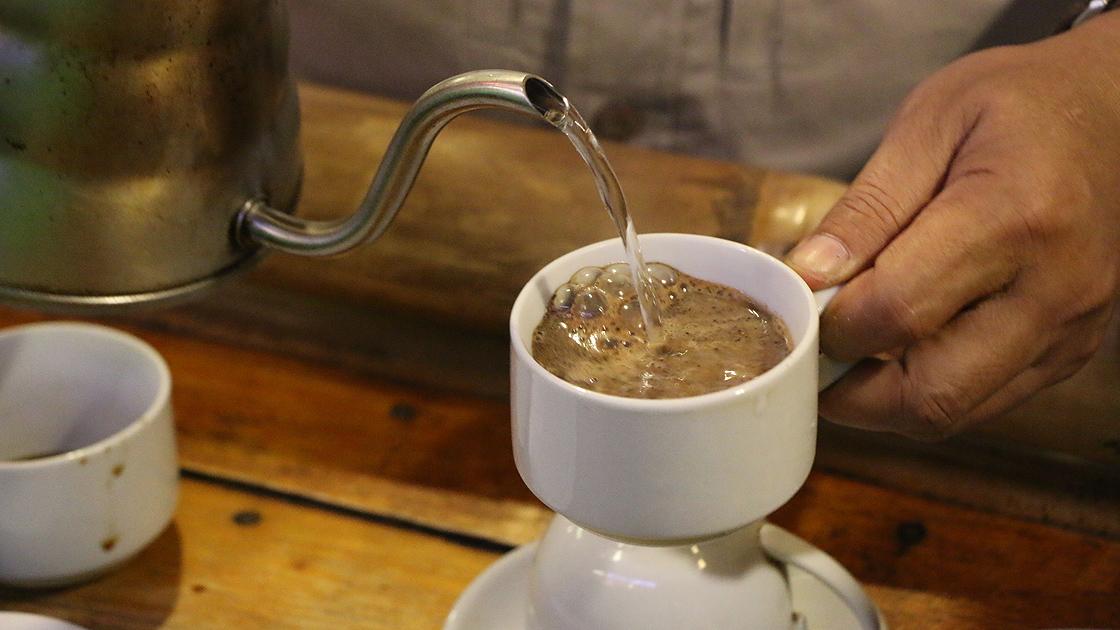
Kopi Luwak
Kopi Luwak (or Luwak Coffee) is one of the world’s most expensive and rarest coffee varieties, native to certain regions of Southeast Asia, particularly Indonesia’s Bali island. Origin and Distinguishing Features Kopi Luwak is recognized as one of the most expensive coffees in the world, with its origins rooted in the Indonesian archipelago, especially the islands of Bali, Sumatra, Java and Sulawesi. The name directly reflects both its nature and source: it is formed by combining the Indonesian
EN
Nursena Şahin
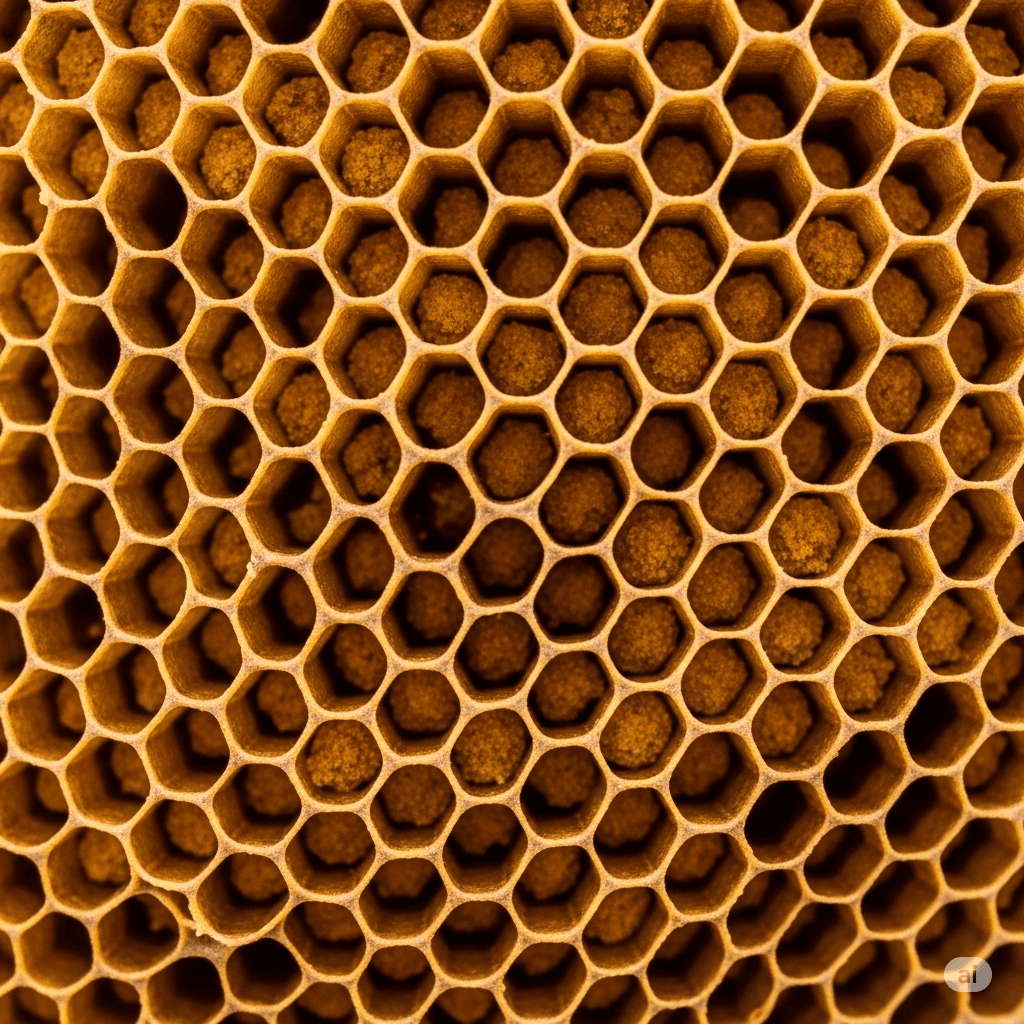
Bee Bread
Beeswax bread is a fermented bee product produced by honeybees (Apis mellifera L.) by mixing collected pollen with honey and various enzymes from their own digestive systems, storing it in honeycomb cells. It is also known as perga. Bees rarely consume fresh pollen directly; instead, they convert it into beeswax bread to meet their nutritional needs. Beeswax bread serves as the primary food source within the hive, especially for larvae producing royal jelly and young worker bees. Production Proc
EN
Yunus Emre Yüce
 Sh
ShShalgam Juice
Şalgam suyu is a traditional fermented beverage consumed especially in southern regions of Türkiye common. This drink comes in two varieties: spicy and non-spicy, and is commonly paired with kebab meals together service. History of Şalgam Şalgam suyu has been consumed since the Ottoman period. It first gained popularity in the Mediterranean cities of Adana and Mersin like, and gradually spread throughout Türkiye. Within traditional kitchen culture, şalgam holds a prominent place and is an indisp
EN
Abdulkadir Akyüz

Water Kefir
Water kefir is a water-based fermented beverage obtained through the fermentation of sugary liquids by lactic acid bacteria, bifidobacteria, and yeasts of the genus Saccharomyces. Its low-calorie content, absence of lactose and cholesterol, and provision of a probiotic source for vegan and vegetarian individuals make water kefir an alternative to milk-based kefirs. Water kefir exhibits high adaptability to fermentable sugar sources, and sensory and functional diversity can be achieved by using d
EN
Nursena Güller

Yoghurt
Yogurt is a functional food product that holds an important place among fermented dairy products and is widely consumed worldwide. Obtained by the fermentation of lactose in milk by lactic acid bacteria, yogurt has become a focal point of academic research and industrial applications due to its nutritional value and positive health effects. The production process requires the development of techniques aimed at preserving the viability and activity of microorganisms, while the structural characte
ENEmre Özen