

`fergani-space` Related Article Results
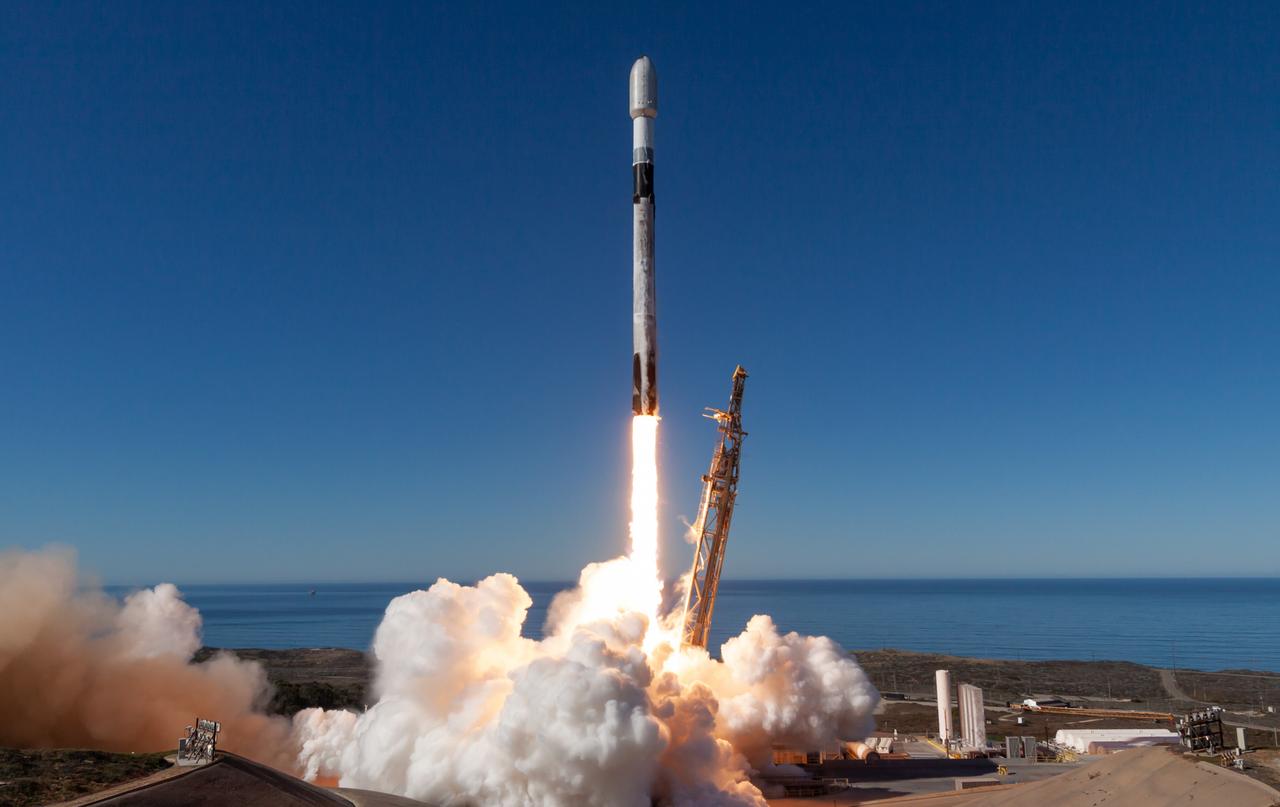
FGN-100-d1 Satellite
FGN-100-d1 is a microsatellite developed by Fergani Space, established by Baykar Board Chairman and Technology Leader Selçuk Bayraktar. It was launched into space on 14 January 2025 and successfully entered orbit. Launch and Orbital Insertion The satellite was launched into space on 14 January 2025 at 22:09 Türkiye Time (TSİ) aboard SpaceX’s Falcon 9 rocket as part of the Rideshare Program’s Transporter-12 mission from Vandenberg Space Force Base. It separated from the launch vehicle 62 minutes
EN
Edanur Karakoç
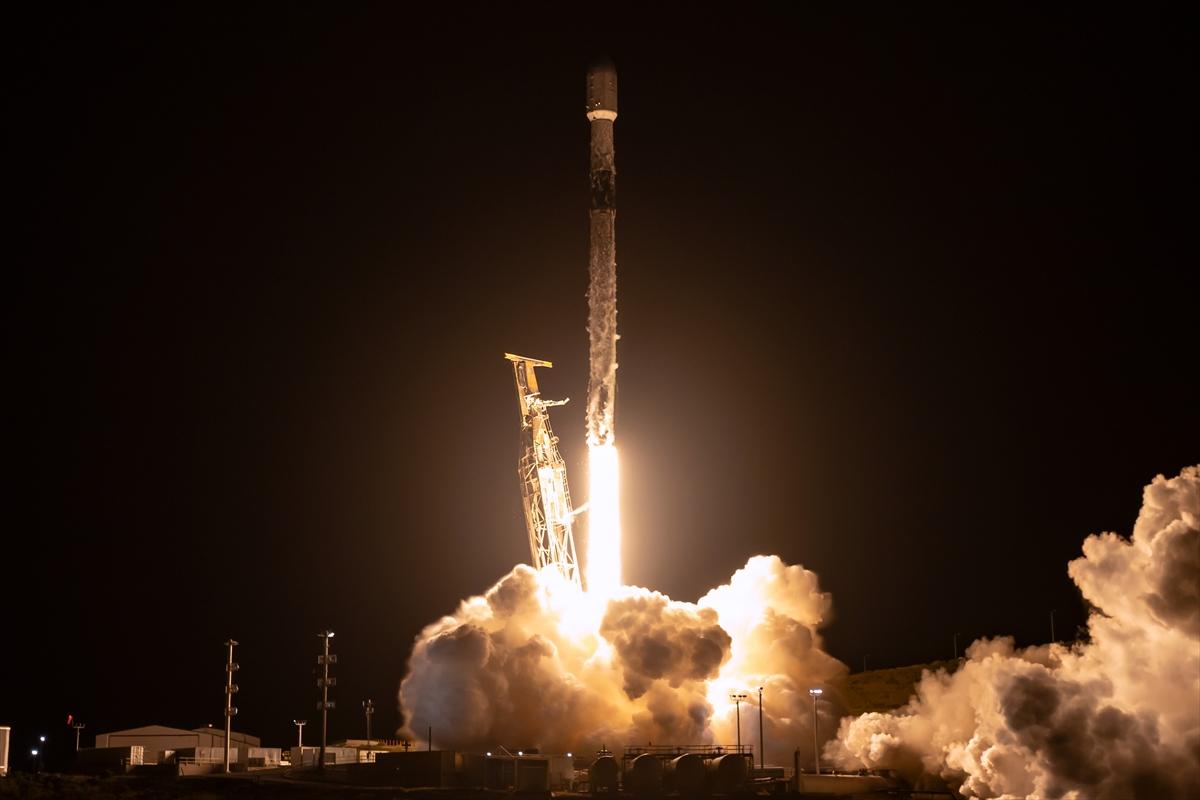
FGN-100-D3
FGN-100-D3 is a test satellite developed entirely with national capabilities by Fergani Uzay, a company based in Türkiye. Launched on 30 March 2026, this satellite is the fifth satellite deployed by the company and represents a next-generation platform distinguished by its communication and navigation capabilities. Weighing approximately 113 kilograms, the satellite is operating in low Earth orbit. Development Process FGN-100-D3 is part of the satellite series developed by Fergani Uzay, founded
ENEdanur Karakoç
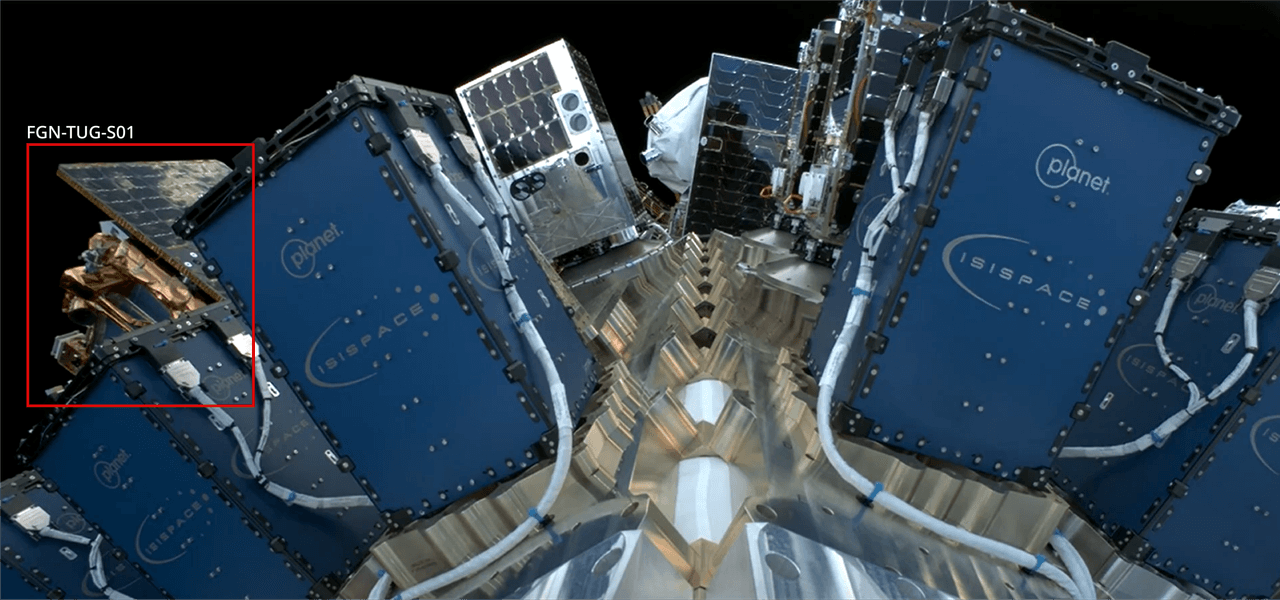
FGN-TUG-S01
FGN-TUG-S01, Fergani Space Technologies’ entirely indigenous development marks Türkiye’s first Orbital Transfer Vehicle. The spacecraft was launched on 28 November 2025 from the Vandenberg Space Force Base in California, USA, and has commenced its mission. This mission also represents a global first as it carries the world’s first hybrid rocket motor to be ignited in orbit. Launch Process and Initial Telemetry Data The launch of FGN-TUG-S01 took place on 28 November 2025 at 21:44 Turkey Standard
ENEdanur Karakoç
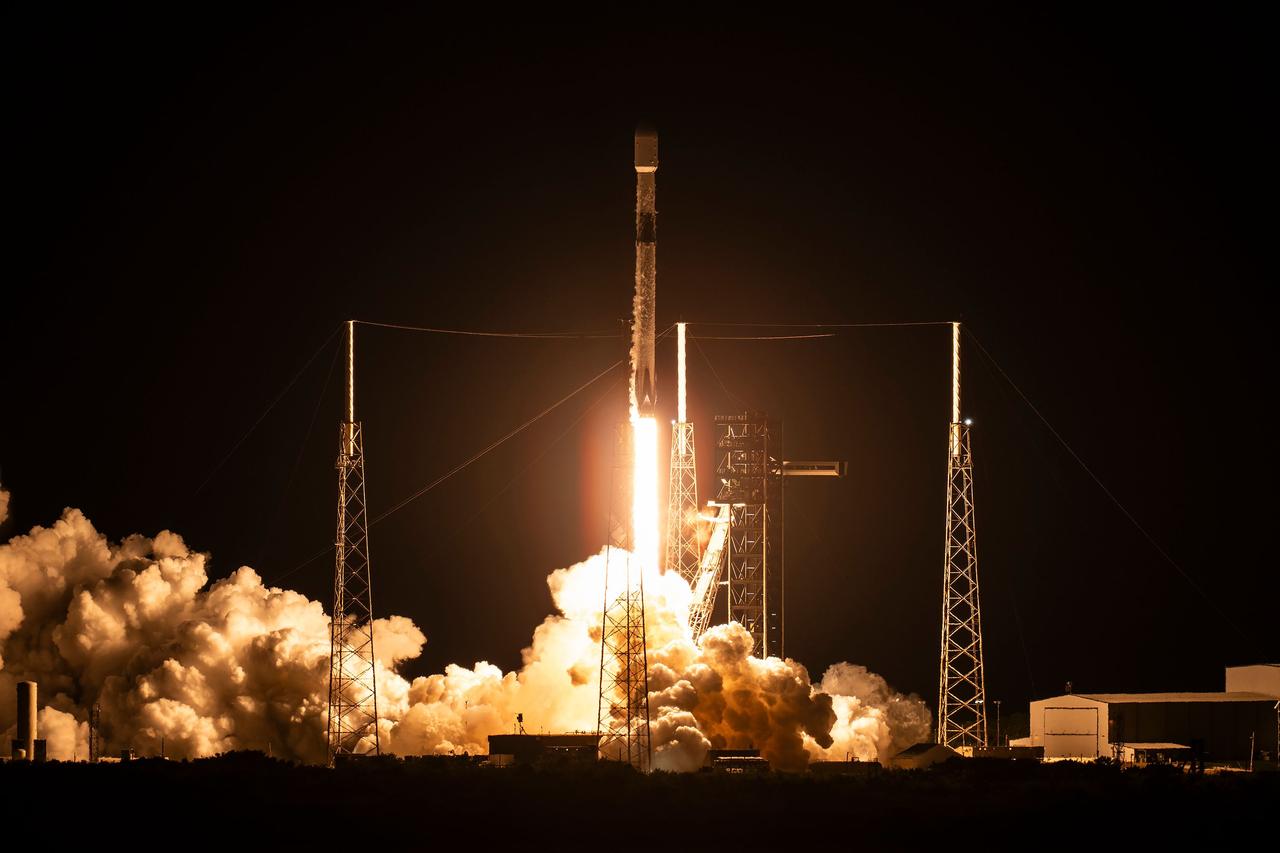
FGN-100-D2 Satellite
FGN-100-d2 is a microsatellite developed by Fergani Space. The satellite was designed as the second component of the Ulugh Beg Satellite Team. Its total mass is 104 kilograms and its mission life is estimated at approximately five to seven years. It is configured to operate in Low Earth Orbit (LEO) at an altitude of approximately 510 kilometers. Its average orbital velocity is around 7.6 kilometers per second and it completes approximately 15 orbits around the Earth each day. FGN-100-d2 was laun
EN
Yusuf Bilal Akkaya