

`failure` Related Article Results

Corrective Maintenance
Corrective Maintenance refers to maintenance activities carried out after a system, equipment, or component experiences a failure or malfunction. This type of maintenance includes the identification of the failure, determination of its cause, and execution of necessary repair operations. Corrective maintenance aims to restore the system to its normal operating conditions and is usually performed in an unplanned manner after the failure occurs. Therefore, corrective maintenance is classified as a
EN
Emre Özen

Impostor Syndrome
The Imposter Syndrome (IS) is a psychological pattern characterized by persistent self-doubt and an internal fear of being exposed as a fraud, despite external evidence of success. Individuals affected by this syndrome typically attribute their achievements not to their own abilities or efforts but to luck, external factors, or temporary circumstances. First identified in 1978 by Dr. Pauline Clance and Dr. Suzanne Imes, this syndrome is widely recognized as a significant issue among high-achievi
EN
Esra Can
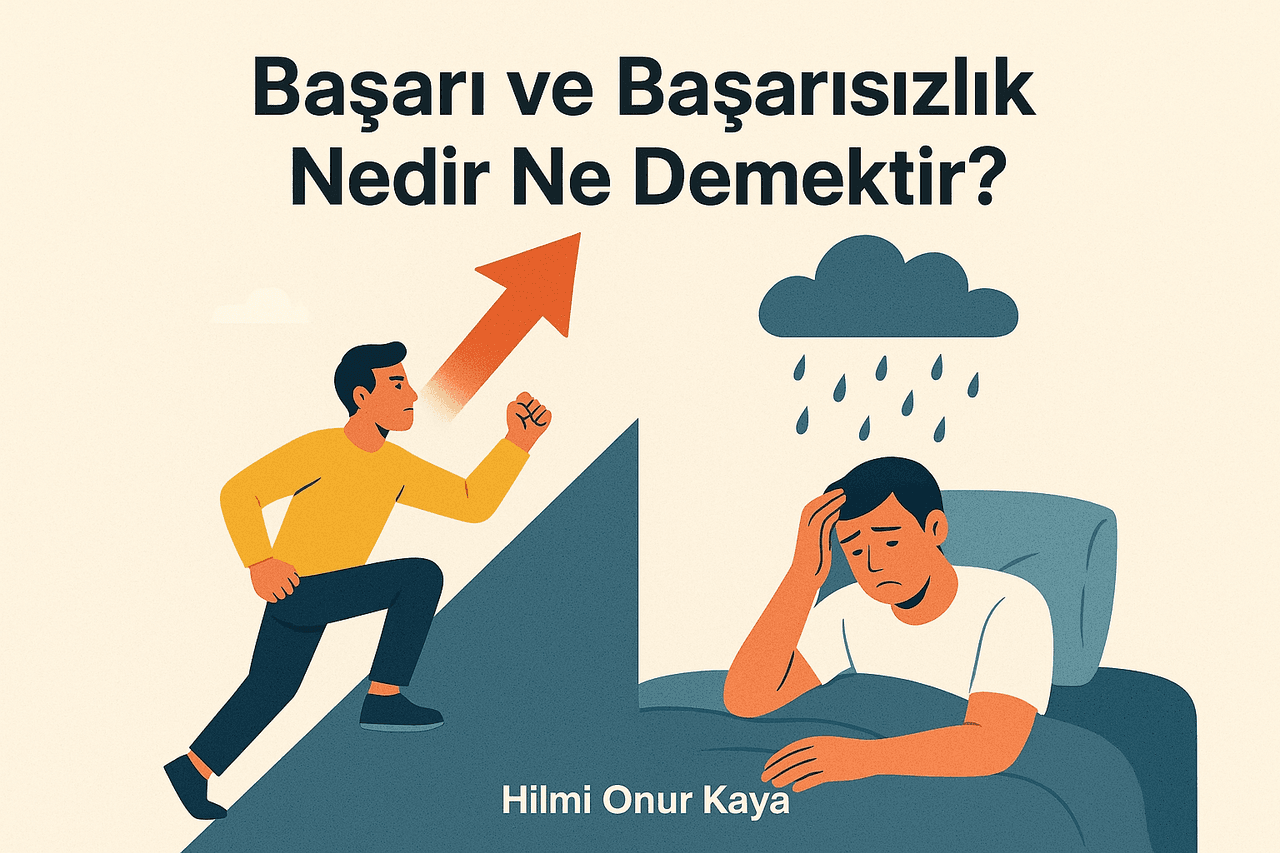
What Is True Success and Failure?
True success is the ability to achieve what is enduring and lasting. The very act of persistently and correctly striving toward that goal is itself a form of success. Moreover, success is neither luck nor merely working hard; success is the effort to do what must be done, exactly as it should be done. In fact, even the desire to struggle should be regarded as an example of success. Failure, on the other hand, is the state of not only failing to struggle but also not even considering or wishing t
EN
Hilmi Onur Kaya

Stages of Social Movements
Social movements are one of the key areas of study in the social sciences. Throughout history, these movements, arising from various social dynamics, have served as important instruments for expressing demands for change and for collective action. However, their place in academic literature has not always been viewed positively; some thinkers have characterized them as “disruptive to order.” For instance, Gustave Le Bon, in his studies on crowd psychology, argued that crowds behave emotionally a
EN
Habibe Arapkirli

Impostor Syndrome
The Imposter Syndrome (IS) is a psychological pattern characterized by persistent self-doubt and an internal fear of being exposed as a fraud, despite external evidence of success. Individuals affected by this syndrome typically attribute their achievements not to their own abilities or efforts but to luck, external factors, or temporary circumstances. First identified in 1978 by Dr. Pauline Clance and Dr. Suzanne Imes, this phenomenon is widely recognized as particularly prevalent among high-ac
EN
Esra Can