

`expression` Related Article Results
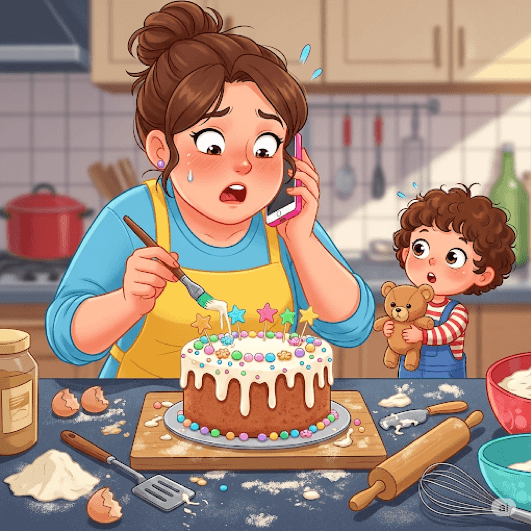
To Have Both Hands in Blood
To have both hands in blood means to be extremely busy and therefore unable to go somewhere or help someone. In fact, it conveys that someone is so occupied that they have no time left for anything else. For example, if your mother says, “I can’t come now, my two hands are in blood,” it means she is too busy to attend to you. (Generated by artificial intelligence) " image-element-format="right" image-source="https://cdn.t3pedia.org/media/uploads/2025/08/16/PBqfhatap8jqPn0SPxTzWa7L0ahXwDqO.png"&g
EN
Nida Üstün
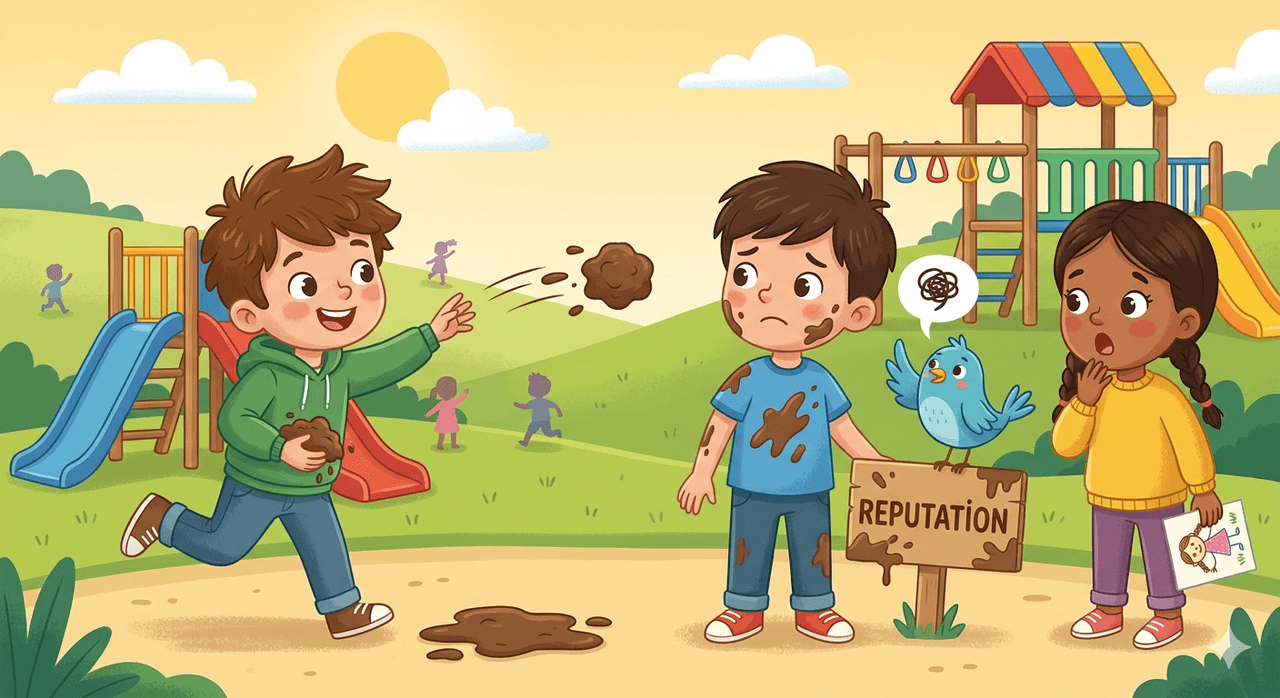
To throw mud
Have you ever heard someone described as having done something they never did, or being blamed for it? In such situations, our elders use the idiom “çamur atmak” deyimini. This idiom means to portray someone as guilty of something they did not do. Generated by Artificial Intelligence " image-element-format="right" image-height="768" image-source="https://cdn.t3pedia.org/media/uploads/2026/05/16/m7haKUINAKL2wh1Dfgi2TADYy6ojXHPu.png" image-width="1408"> What Does Çamur Atmak Mean? Çamur atmak d
EN
Rezzan Polat
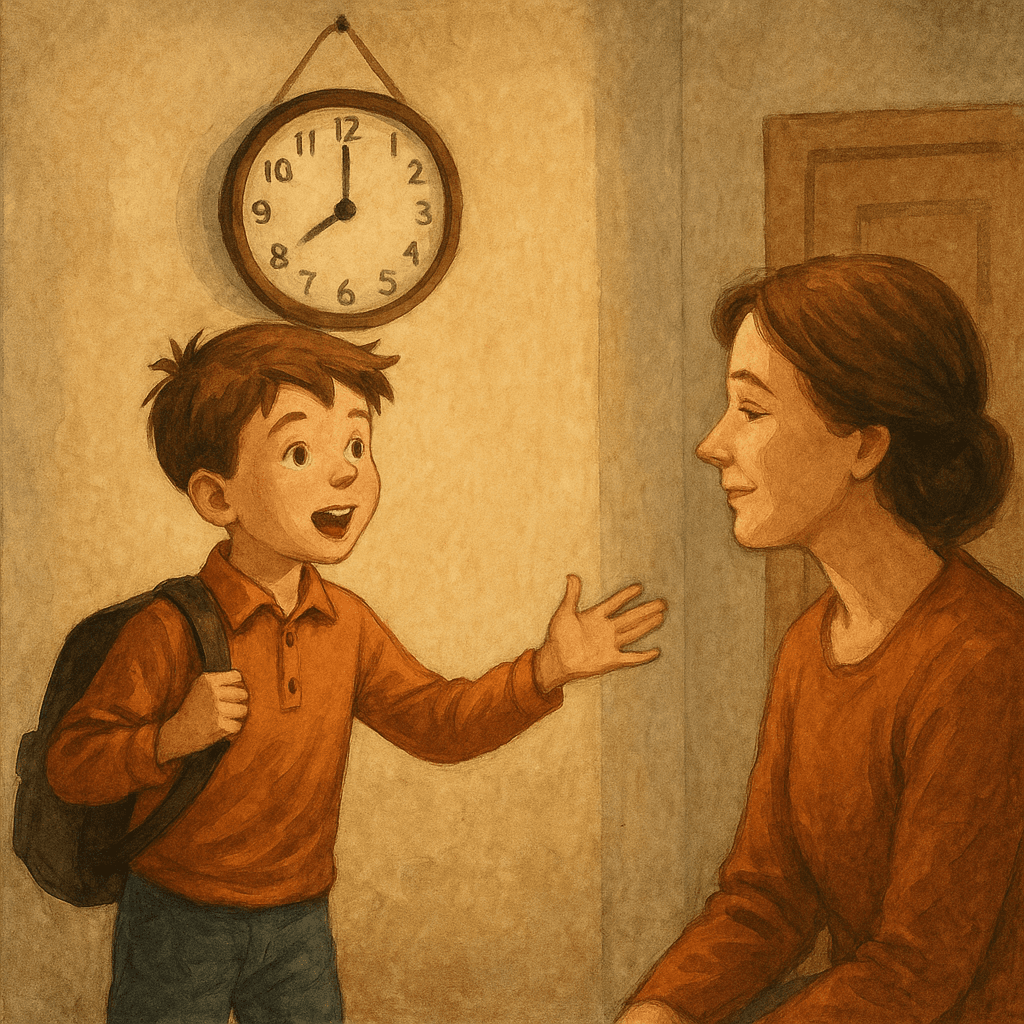
Conversation Partner
In elementary school, we would rush home after class to tell our family everything we had just learned, as if no one else in the world knew it. We would count the seconds on the clock hanging between the blackboard and the door, and as soon as the bell rang, we would run home eagerly. The moment we dropped our bags, we would begin sentences with “Today I learned…” and then eagerly ask, “Wait, didn’t you already know this, Mom?” or “Did you know this too, Dad?” We would continue sharing what we h
ENElyesa Köseoğlu
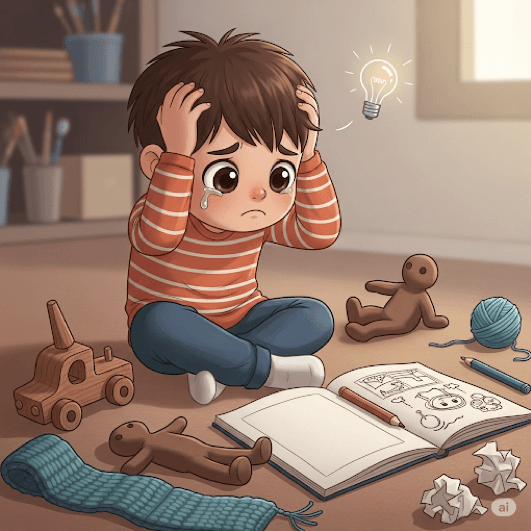
To bang one's head against stone after stone
To Bump One’s Head from Stone to Stone The expression "to bump one’s head from stone to stone" means to exert great effort toward achieving something but still failing to succeed. We use this phrase when, no matter how hard one tries, things do not go as planned. ❓ Where Does It Come From? The origin of this idiom lies in expressing a sense of helplessness. When a person faces a major problem and cannot find a solution, they may feel utterly at a loss. This feeling of helplessness is metaphorica
ENNida Üstün
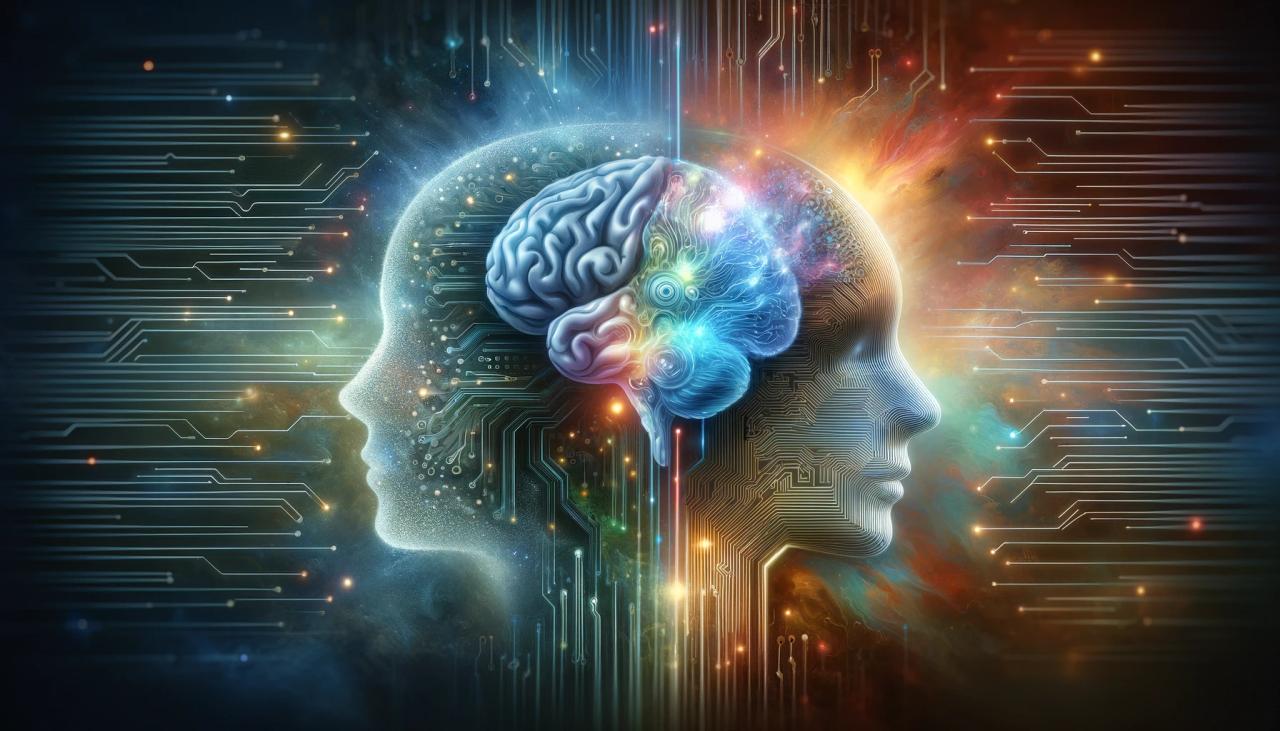
Social and Emotional Responses to Artificial Intelligence: Fear, Trust, and the Future Perspective
The increasing penetration of artificial intelligence systems into every aspect of life has brought about not only technological but also sociological, psychological, and ethical implications. People are no longer merely using AI applications; they are also developing positive or negative emotional attachments to these systems. Sometimes admiration, sometimes fear, and sometimes deep mistrust. This article aims to analyze the social perception of AI technologies, the influence of media, and indi
ENMustafa Şamil İleri
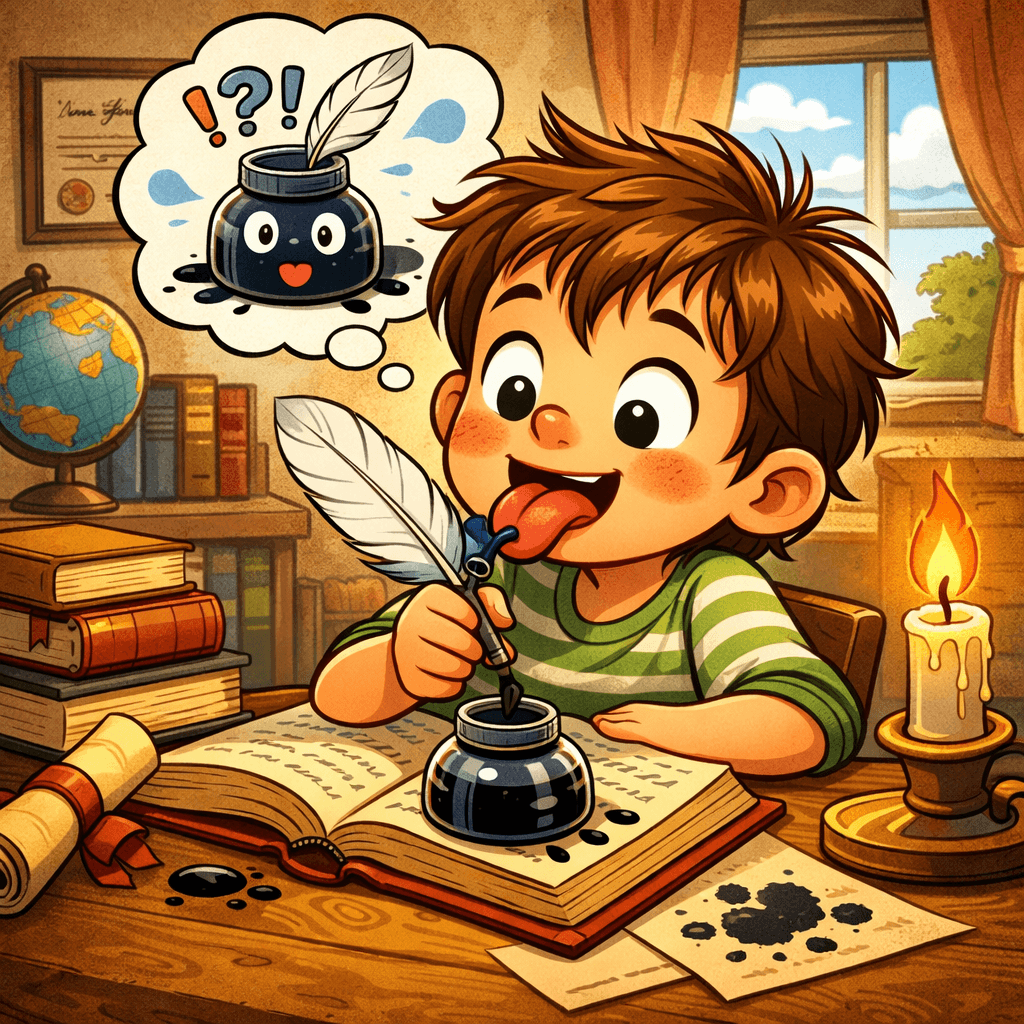
Ink Licking
To lick ink is a beautiful expression used to describe individuals who are highly educated, well-read, and knowledgeable. When someone is said to have “licked a lot of ink,” it means that person spent many years in school and read extensively. Where Does This Expression Come From? There are two distinct and interesting stories about the origin of this expression: Calligraphers Correcting Mistakes: Before the advent of printing presses, books were written by hand. Those who wrote them were called
ENEylül BOLAT