

`experiential-learning` Related Article Results
 Ex
ExExperiential Learning Theory
Experiential Learning Theory is an approach that defines learning as a process in which knowledge is formed through experience. This model, developed by David Kolb, is built upon the ideas of theorists such as John Dewey, Kurt Lewin, and Jean Piaget, who viewed learning not as a behavioral response but as an integral part of interpersonal interaction and emphasized the learner’s active role in the learning process. According to this theory, thoughts are not static but are continuously renewed in
EN
Yunus Emre Yüce
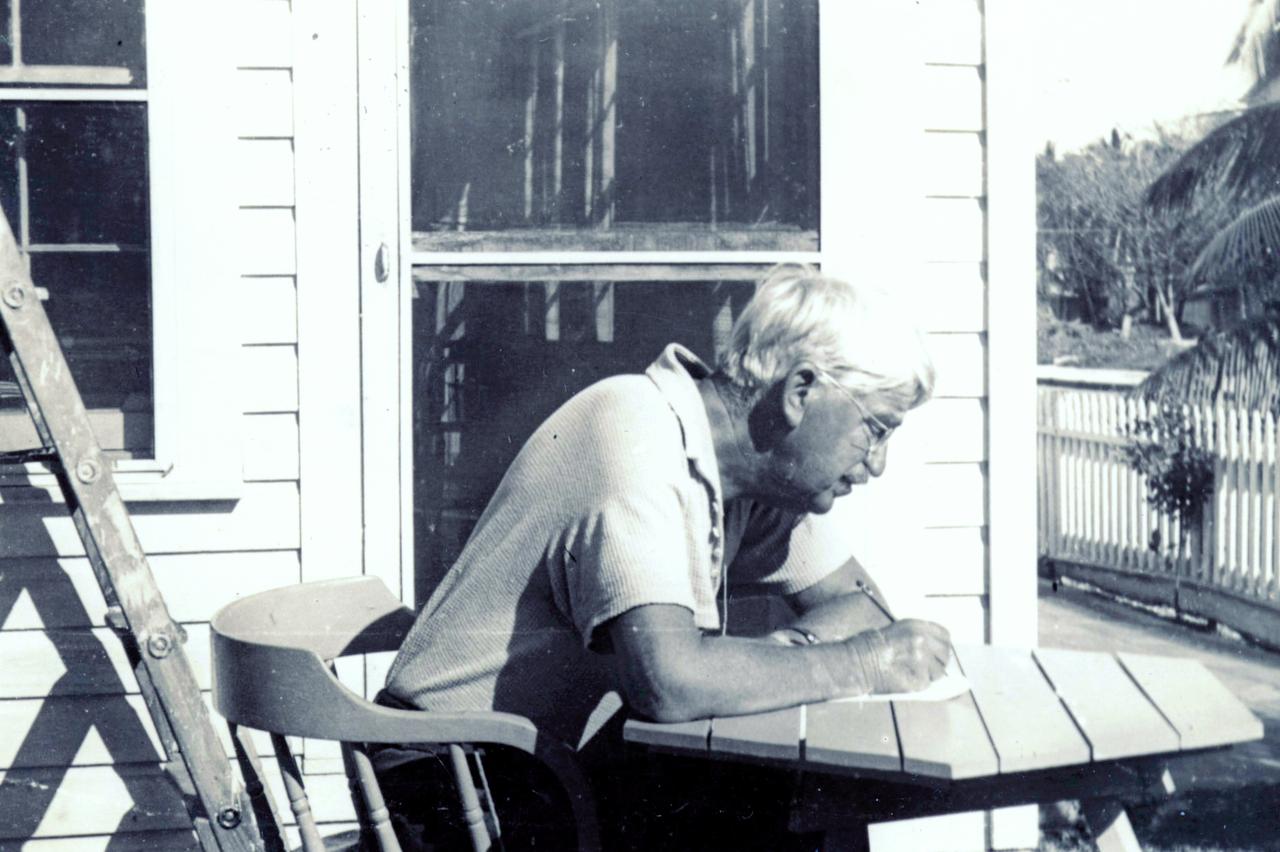
John Dewey
John Dewey (October 20, 1859, Burlington, Vermont – June 1, 1952, New York) was an American philosopher, psychologist, educator, and social reformer. Recognized as one of the founders of pragmatism, Dewey pioneered the theoretical development of democratic education, experiential learning, and applied knowledge. His philosophical thought resonated deeply not only in epistemology and aesthetics but also in ethics, politics, and especially education. He advocated for a life-centered, experience-ba
EN
Sevgi Kıraç
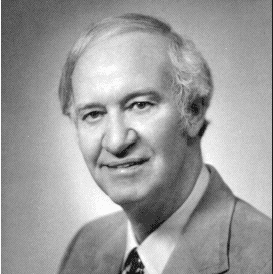
Malcolm Shepherd Knowles
Malcolm Shepherd Knowles (1913–1997) is one of the most influential theorists of adult education in the 20th century. He pioneered the systematic development and dissemination of the concept of andragogy, meaning adult education, within Anglo-American educational literature. Through both theoretical and practical work, he made significant contributions to shaping lifelong learning policies. Life and Education Malcolm S. Knowles was born on 24 August 1913 in Montana, United States. His father, Na
EN
Ömer Faruk Tuğla

Reading, Writing, Producing, and Telling
Today, a high school student came to me; they spoke about their projects, what they wanted to do, and how they no longer felt confined by their current environment. They wanted to discuss: “What can I do, and how can I do it?” Sometimes we wish to take rapid steps in our lives, but while focusing on the outcome, we overlook the path we took to reach it. While conversing with this young person, I touched upon a point I would like to share with you. Today, with the growing number of events in our
EN
Muhammet Ali Demir