

`evolutionary-biology` Related Article Results
 Eg
EgEgo Gen
The Selfish Gene is a theoretical approach in evolutionary biology that posits the gene, rather than the individual or the species, as the fundamental unit of natural selection, arguing that adaptation occurs at the genetic level. First popularized by Richard Dawkins in 1976, this concept asserts that organisms are programmed "survival machines" or vehicles designed to preserve and propagate their genes, with genes themselves being the ultimate beneficiaries and enduring units of evolutionary pr
EN
Yunus Emre Yüce

Gnetum Gnemon
Gnetum gnemon is a gymnosperm species belonging to the phylum Gnetophyta and typically grows in tropical and subtropical regions. The plant’s morphological, physiological, and biochemical properties provide significant data for evolutionary biology and plant development research. Gnetum gnemon exhibits structural and reproductive characteristics distinct from other gymnosperms and is therefore regarded as a key model for understanding the evolution of plants and the origin of flowering plants (a
ENEmre Özen
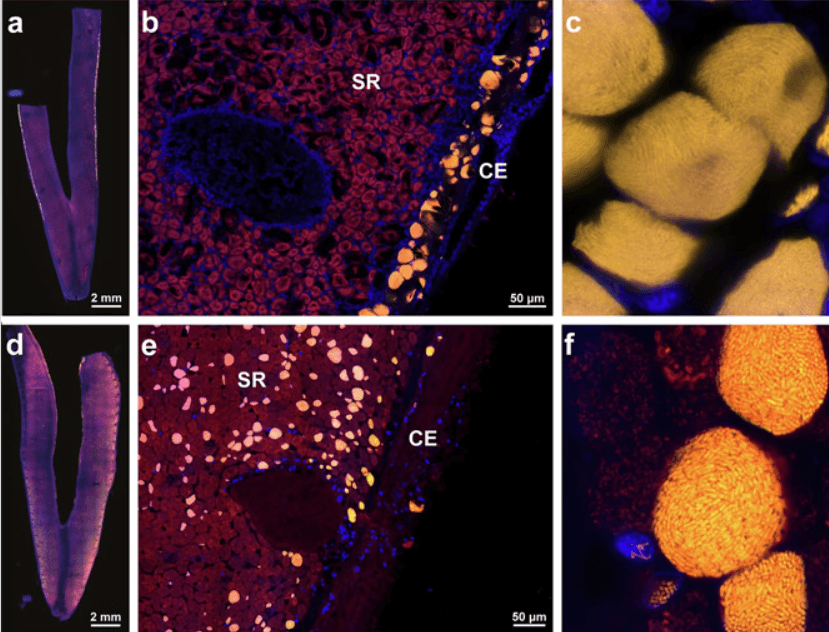
Gene Duplication of the Bacterium Parasitizing the Nucleus of Mollusk Cells
A series of bacteria, cell have adapted to intracellular parasitism, but living within the cell nucleus is exceedingly rare for “high-level parasitism.” Nuclear parasitism is typically carried out by protists via pathogenic bacteria; however, a new study published in Nature Microbiology has identified such a phenomenon in deep-sea snails. ‘Ca. Endonucleobacter’ bacteria live in the gills of the bivalves Bathymodiolus puteoserpentis and Gigantidas childressi, divide within the cell nucleus, and r
EN
Oksana Gülünay
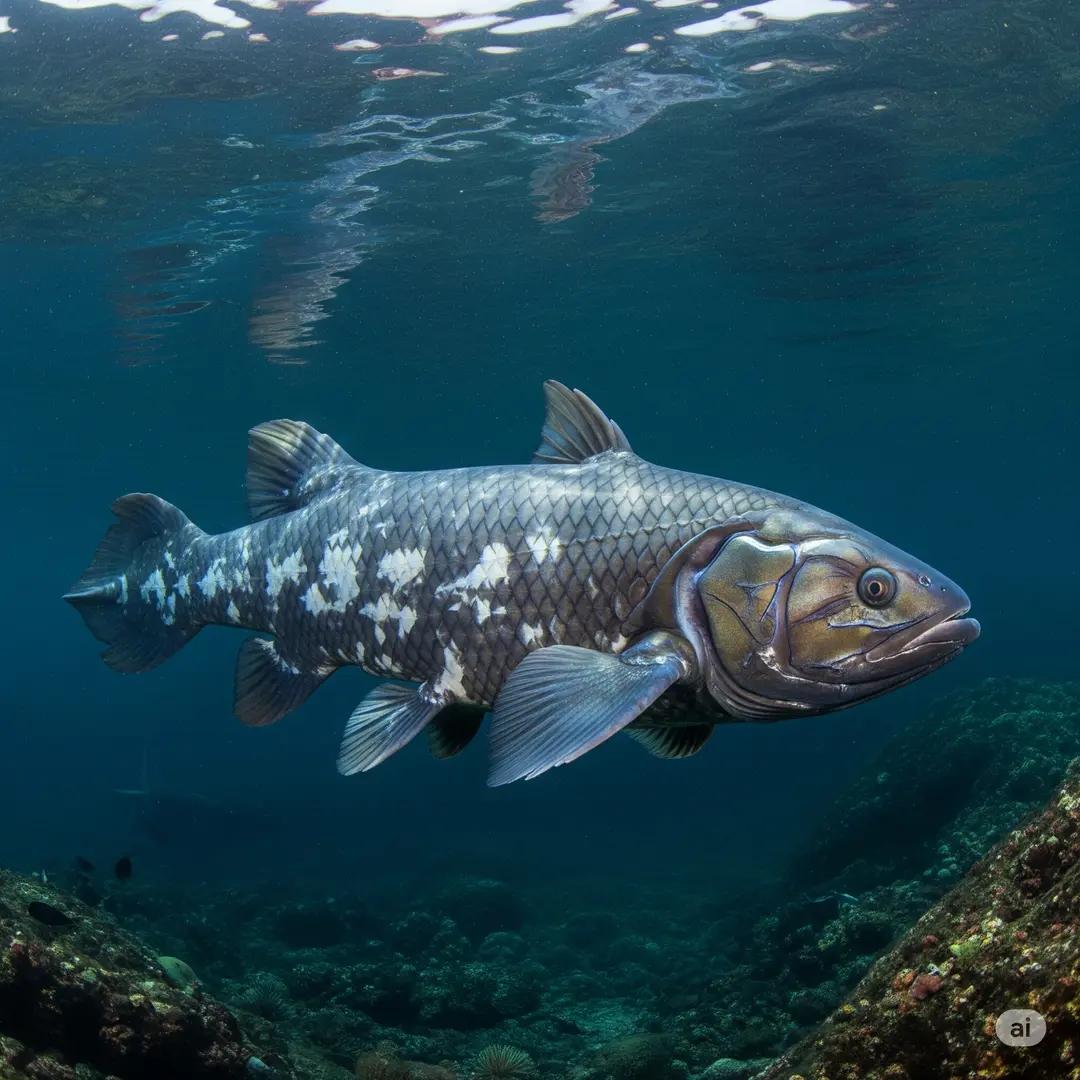
Coelacanth (Latimeria Chalumnae)
Coelacanth (Latimeria chalumnae) is a species of fish that first appeared approximately 400 million years ago and has survived to the present day with minimal morphological changes since prehistoric times. For a long time, it was known only through fossil records and believed to be extinct, until a live specimen was discovered off the coast of South Africa in 1938. This discovery caused great surprise and interest in the scientific community. It sparked debates in the fields of evolutionary biol
ENFatih Atalay
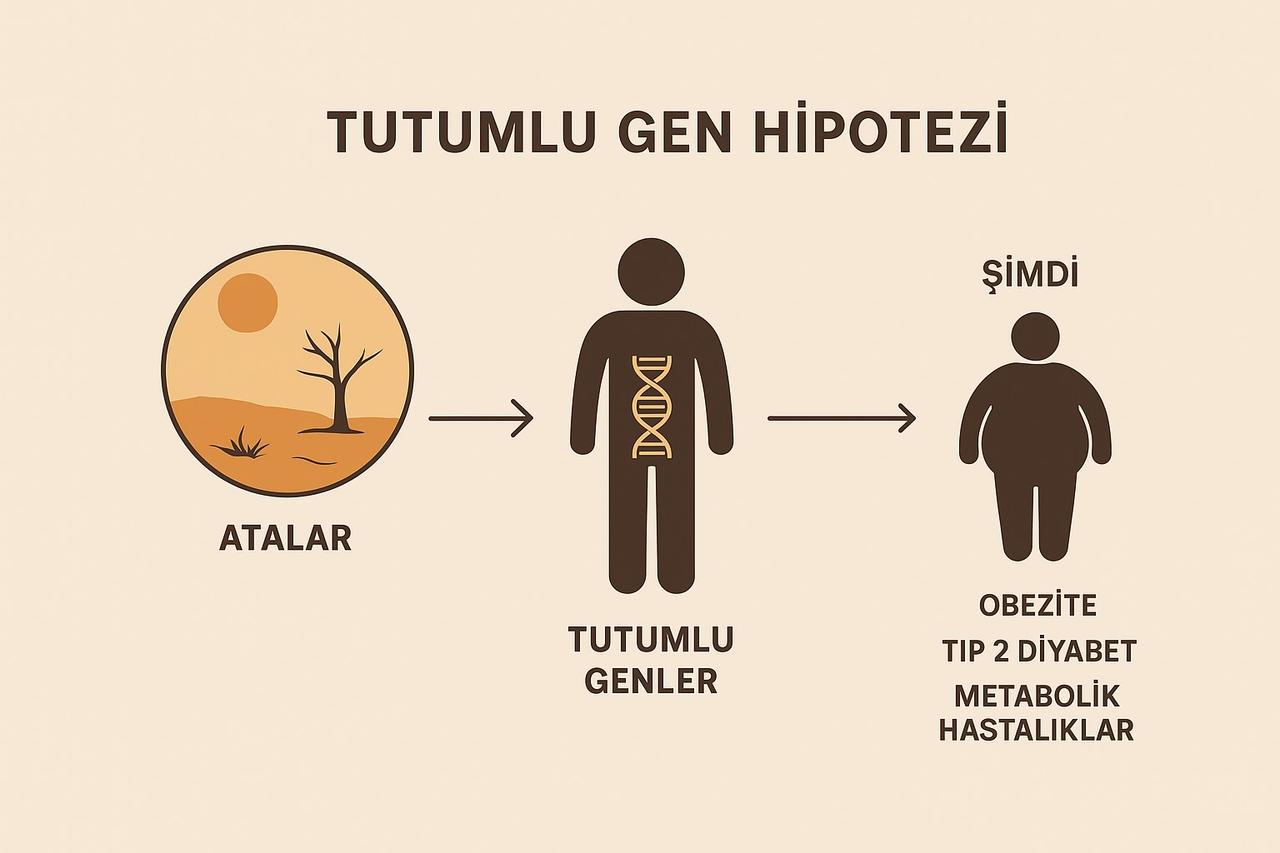
Conservative Gen Hypothesis
Thrifty Gene Hypothesis is a biological model that attributes the susceptibility to obesity and type 2 diabetes in modern human populations to evolutionary adaptations. It was first introduced in 1962 by American geneticist James V. Neel to explain the evolutionary basis of diabetes.Layla Brassington vd., “Integrating the Thrifty Genotype and Evolutionary Mismatch Hypotheses to Understand Variation in Cardiometabolic Disease Risk,” Evolution, Medicine, and Public Health 12, no. 1 (2024): 214, er
EN
Emine Nur ERDEM
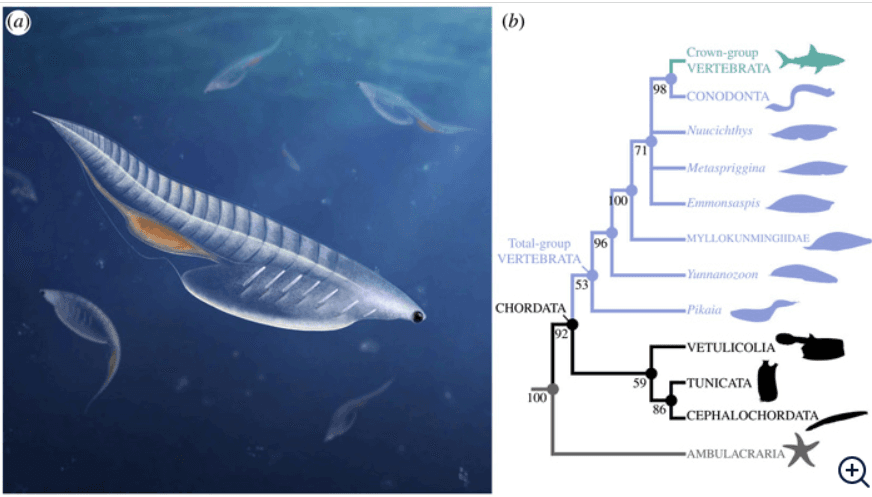
Pikaia
A fossil animal from the Cambrian period has been defined. Upon close examination, although it measured only 3 centimeters, it was definitively identified as a vertebrate. The discovery of Cambrian vertebrates is a major event in every time. Vertebrates of that era had soft bodies and are rarely preserved in the fossil record. Thus, the events of the Cambrian period, which shaped the plans for vertebrate evolution, are of paramount importance. This discovery has made it possible to observe one o
ENOksana Gülünay
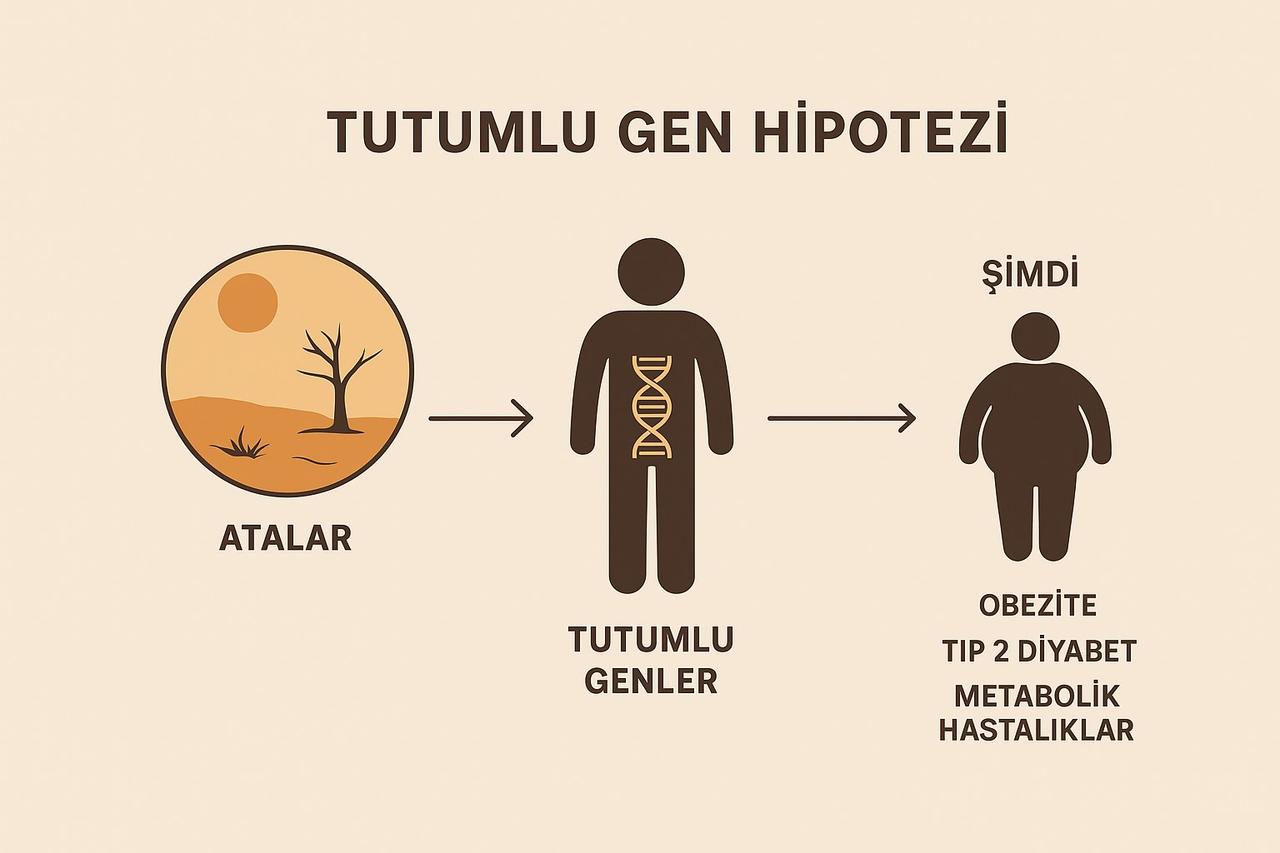
Conservative Gen Hypothesis
Thrifty Gene Hypothesis (thrifty gene hypothesis) is a biological model that attributes the prevalence of obesity and type 2 diabetes in modern human populations to evolutionary adaptations. It was first introduced in 1962 by American geneticist James V. Neel to explain the evolutionary basis of diabetes.Layla Brassington vd., “Integrating the Thrifty Genotype and Evolutionary Mismatch Hypotheses to Understand Variation in Cardiometabolic Disease Risk,” Evolution, Medicine, and Public Health 12,
EN
Emine Nur ERDEM