

`etiquette` Related Article Results
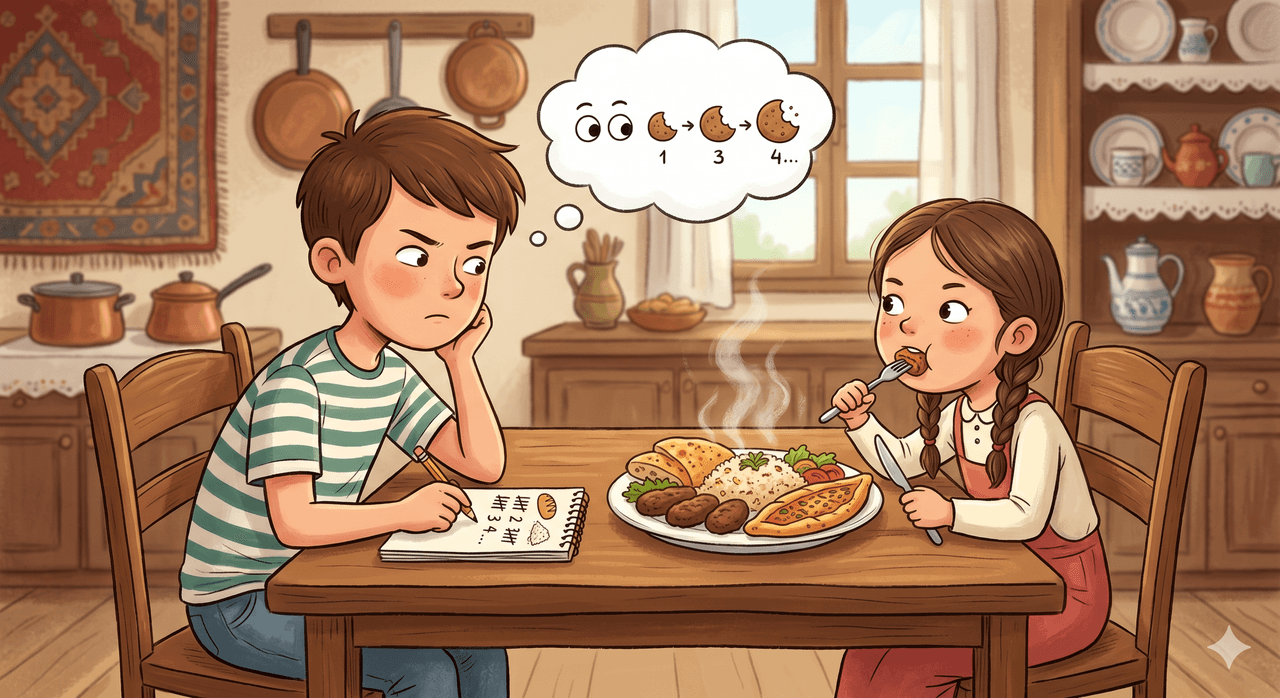
To Count the Lokman
"Lokmasını saymak" is an idiom that means to carefully watch how much someone eats at the table. Sometimes, observing how much someone eats implies concern that they are eating too much or looking at them in surprise. Have you ever noticed someone staring fixedly at your plate while you are enthusiastically eating your favorite dish? This situation can be somewhat unsettling; our language has a perfect and concise idiom to describe exactly this scenario. Representative Image (Generated by Artifi
EN
Şehrinaz İrem Canbaba
 Mü
MüMüeddep
Origin Müeddep is derived from the Arabic word muʾaddab مؤدّب, which itself originates from the Arabic root ˀdb. In Arabic, this term is formed from adab أدب, meaning "manners, education, etiquette", and refers to a person who is well-mannered, cultured, and refined. Areas of Use Everyday Language: Used to describe respectful, well-mannered, and cultivated behavior. Literature: Preferred for depicting characters’ moral qualities, politeness, and conduct within society. Social Life: Used to descr
EN
Fatmanur Mavibaş
Etiquette of Social Interaction
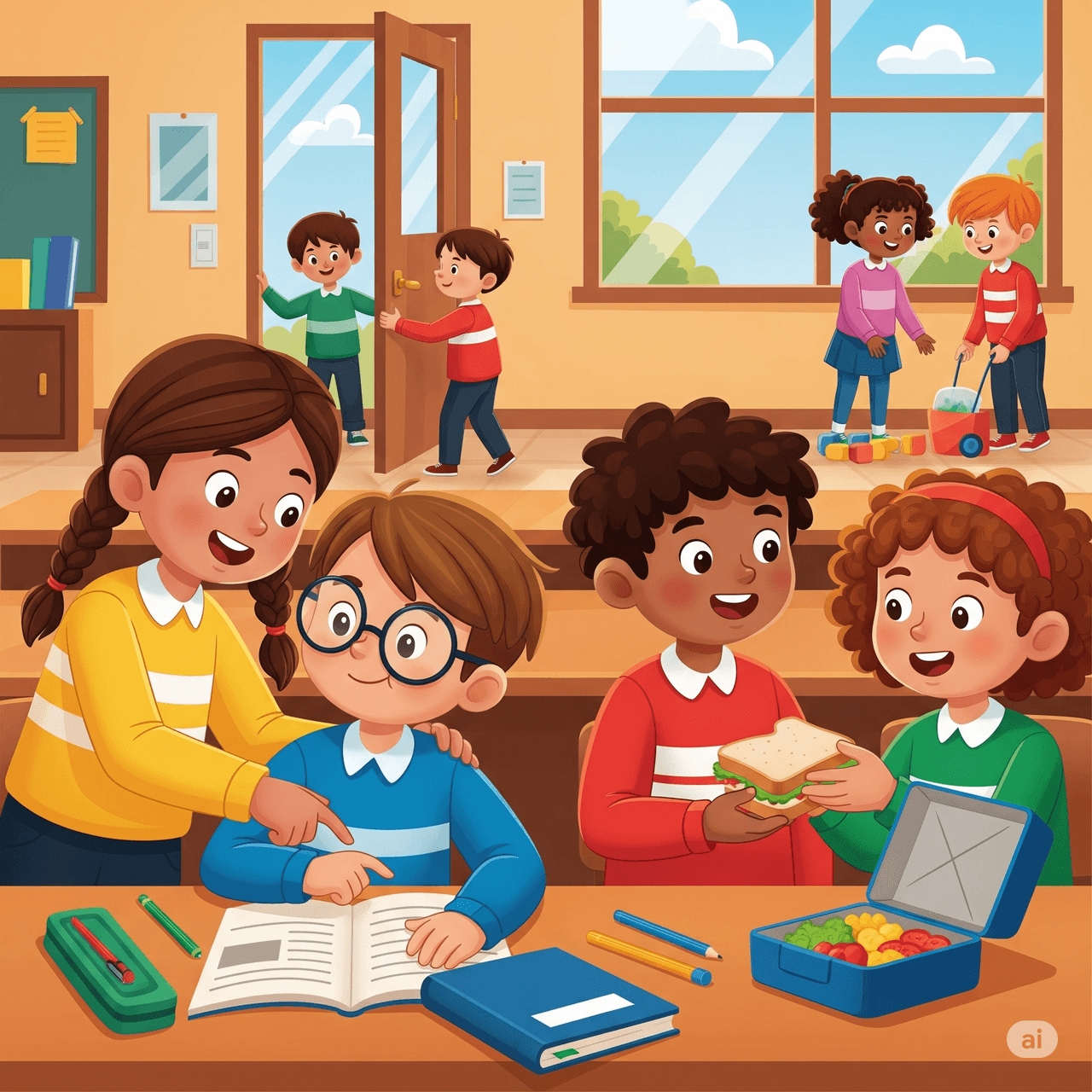
Âdâb-ı muâşeret refers to the rules that enable people to get along harmoniously with one another, encouraging them to be polite and respectful. It is like a guide that teaches us how to behave in daily life. Let us explore this concept more closely! What Does Âdâb-ı Muâşeret Mean? Âdâb-ı muâşeret is an Arabic term. The word “Âdâb” means “etiquette” or good manners, while “muâşeret” means “harmonious coexistence.” Thus, these rules teach us how to be polite, courteous, and respectful toward our
EN
Elif Laçin
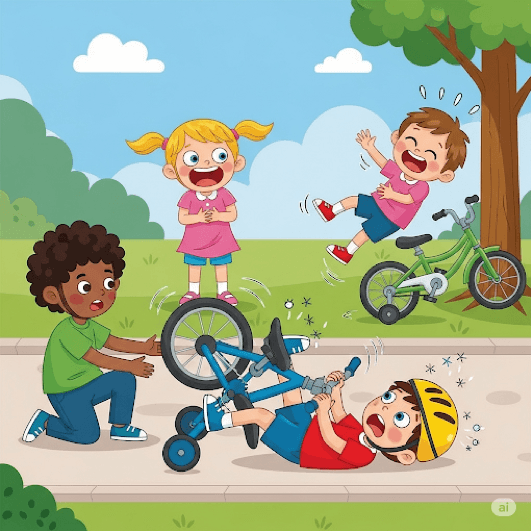
Laughter comes to the one who laughs.
This saying teaches us that we should not mock the misfortunes that befall others. Because a difficulty someone else faces today could easily become our own tomorrow. Therefore, instead of laughing at someone, we should offer them help. (Generated by artificial intelligence) " image-element-format="right" image-source="https://cdn.t3pedia.org/media/uploads/2025/08/16/ktKUhzmtVKUabGZCv2kSWFOWEZfRPsEr.png"> Where Does It Come From? 🌳 This proverb reflects a social norm that emerged within the
EN
Nida Üstün