

`erzurum-asotu` Related Article Results
Erzurum Aşotu
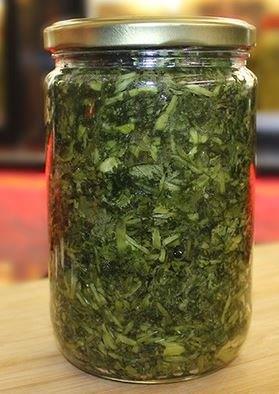
Erzurum Aşotu, Latince adı Coriandrum sativum L. olan kişniş bitkisinden elde edilir ve Apiaceae (maydanozgiller) familyasına mensuptur. Coğrafi sınır içerisinde “aşotu” olarak adlandırılan bu bitki, Erzurum mutfak kültürünün karakteristik öğelerinden biridir. Yaprakları yemek, çorba ve salatalarda çeşni olarak kullanılır; genellikle tuzlanarak saklanmakla birlikte taze biçimde de tüketilebilir. Yıllık, otsu ve tüysüz bir bitki olan Erzurum Aşotu; 30–80 cm boylanabilir, yaprakları parçalı olup ç
TR
Elif Laçin
Erzurum Aşotu
Erzurum Aşotu is derived from the coriander plant, known by its Latin name Coriandrum sativum L., and belongs to the Apiaceae (parsley) family. This plant, referred to as “aşotu” within its geographic region, is a characteristic element of Erzurum’s culinary culture. Its leaves are used as a seasoning in dishes, soups, and salads; they are commonly preserved by salting but can also be consumed fresh. Erzurum Aşotu is an annual, herbaceous, and hairless plant that can grow 30–80 cm tall. Its leav
ENElif Laçin