

`epidemiology` Related Article Results

Streptococcus pneumoniae
Streptococcus pneumoniae (pneumococcus) is a Gram-positive, oval-to-lancet-shaped diplococcus; it is a facultative anaerobe that forms α-hemolytic colonies and is pathogenic only in humans. More than 100 capsular serotypes have been identified on the surface, linked covalently to teichoic acids【1】 via phosphorylcholine【2】; the capsule is both the key to immune evasion and the target of current vaccines. Serotype Diversity and Capsule Biology The structural diversity of the glycocalyx【3】 distingu
EN
Bekir Öztürk
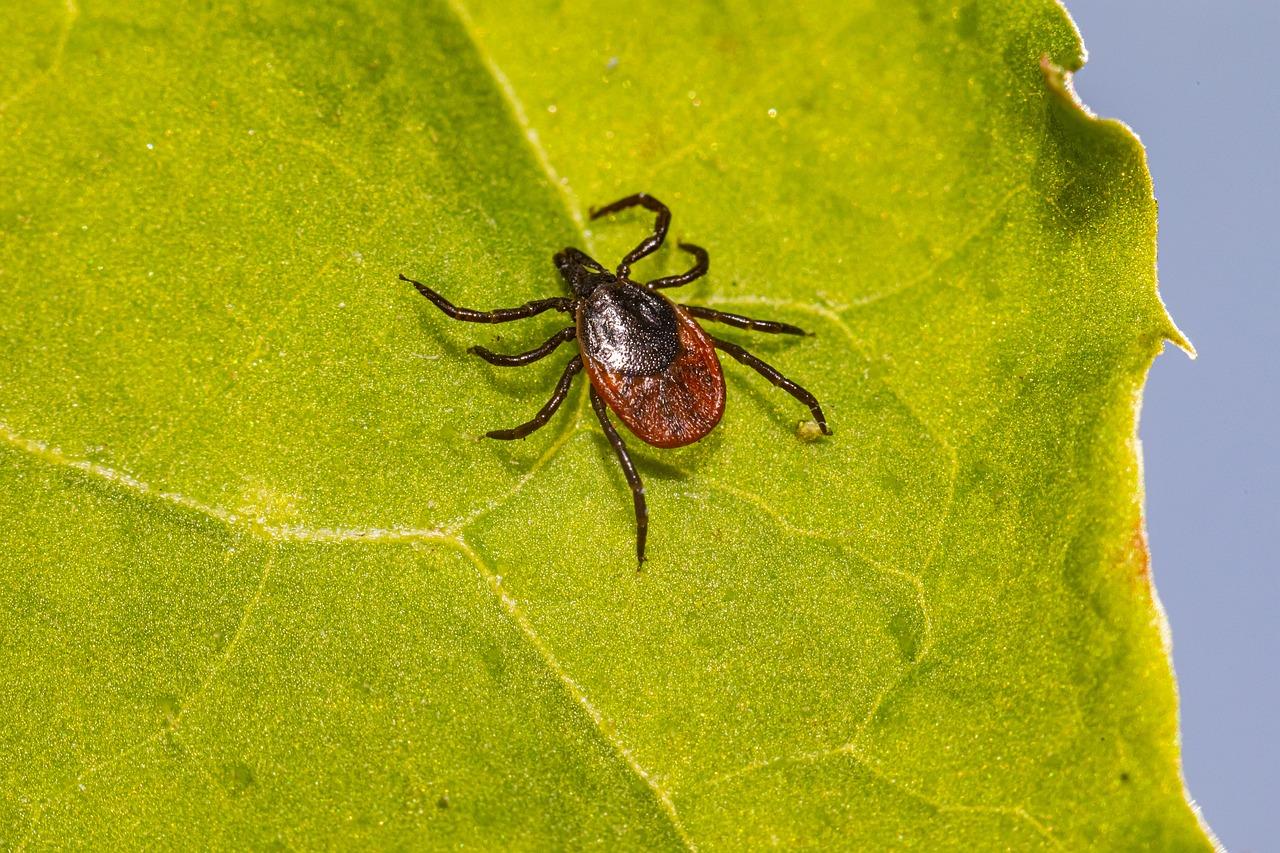
Tick
Ticks are obligate hematophagous ectoparasites belonging to the phylum Arthropoda and the class Arachnida. Their feeding on the blood of animals and humans, as well as their capacity to transmit various pathogens, makes them organisms of considerable medical and veterinary importance. Due to their role in disease transmission and unique biological features, ticks are studied in detail in the fields of epidemiology, zoology, and public health. Systematics and Taxonomy Kingdom: Animalia Phylum: Ar
EN
Fatma Köroğlu
 Ch
ChCholera Vibrio (Vibrio cholerae)
Vibrio cholerae is a Gram-negative, comma-shaped, motile bacterium that causes cholera. It spreads via the fecal-oral route, primarily through contaminated water and food, and poses serious public health challenges under inadequate sanitation conditions. Naturally present in aquatic ecosystems, V. cholerae is notable for its environmental reservoirs and pathogenic properties. Microbiological Characteristics Morphology and Physiology Vibrio cholerae is a Gram-negative, comma-shaped bacterium belo
EN
Duygu İrem Erge
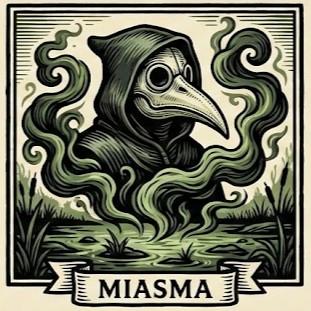
Miasma Theory
The miasma theory is a medical approach that attributes the origins of epidemics and general health problems to poisonous vapors emitted by decaying organic matter, swamps, stagnant waters, or unsanitary environmental conditions that corrupt the atmosphere. According to this concept, diseases arise not from specific microscopic agents but from the deterioration of the air surrounding individuals. The theory asserts that “atmospheric pollution” is the decisive factor in disease formation, particu
EN
Muhlis Daşdemir

Dutch Hunger Winter
The Dutch Hunger Winter (Dutch Famine), was a severe nutritional crisis that affected the civilian population in western Netherlands from the winter months of 1944 through the spring of 1945, near the end of World War II. In this region under German occupation, daily food rations for adults were documented to have dropped as low as 400 to 800 calories.Tessa Roseboom, Susanne de Rooij ve Rebecca Painter, “The Dutch Famine and Its Long-Term Consequences for Adult Health,” Early Human Development 8
EN
Emine Nur ERDEM
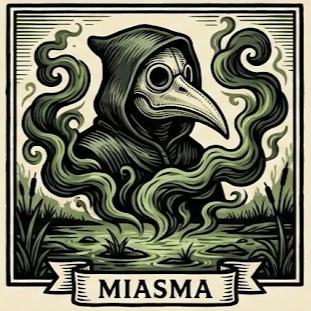
Miasma Theory
The miasma theory is a medical approach that attributes the origins of epidemics and general health problems to poisonous vapors emitted by decaying organic matter, swamps, stagnant waters, or unsanitary environmental conditions that pollute the atmosphere. According to this concept, diseases arise not from specific microscopic agents but from the degradation of the quality of the air surrounding individuals. The theory asserts that “atmospheric pollution” plays a decisive role in disease format
EN
Muhlis Daşdemir

Capgras Syndrome
Capgras syndrome is a rare and striking delusional disorder characterized by the belief that familiar people, objects, or sometimes even one’s own body have been replaced by identical impostors. It was first described in 1923 by Joseph Capgras and Reboul-Lachaux as “l’illusion des sosies” (the illusion of doubles). This condition is part of the family of delusional misidentification syndromes (DMS). The Capgras delusion is associated with a disruption in emotional recognition despite intact faci
EN
Meryem Betül Kaya

Dutch Hunger Winter
Dutch Famine (Hunger Winter), a severe nutritional crisis that affected the civilian population in western Netherlands from the winter months of 1944 through the spring of 1945 during the final stages of World War II. In this region under German occupation, daily food rations for adults were documented to have dropped to between 400 and 800 calories.Tessa Roseboom, Susanne de Rooij ve Rebecca Painter, “The Dutch Famine and Its Long-Term Consequences for Adult Health,” Early Human Development 82,
EN
Emine Nur ERDEM
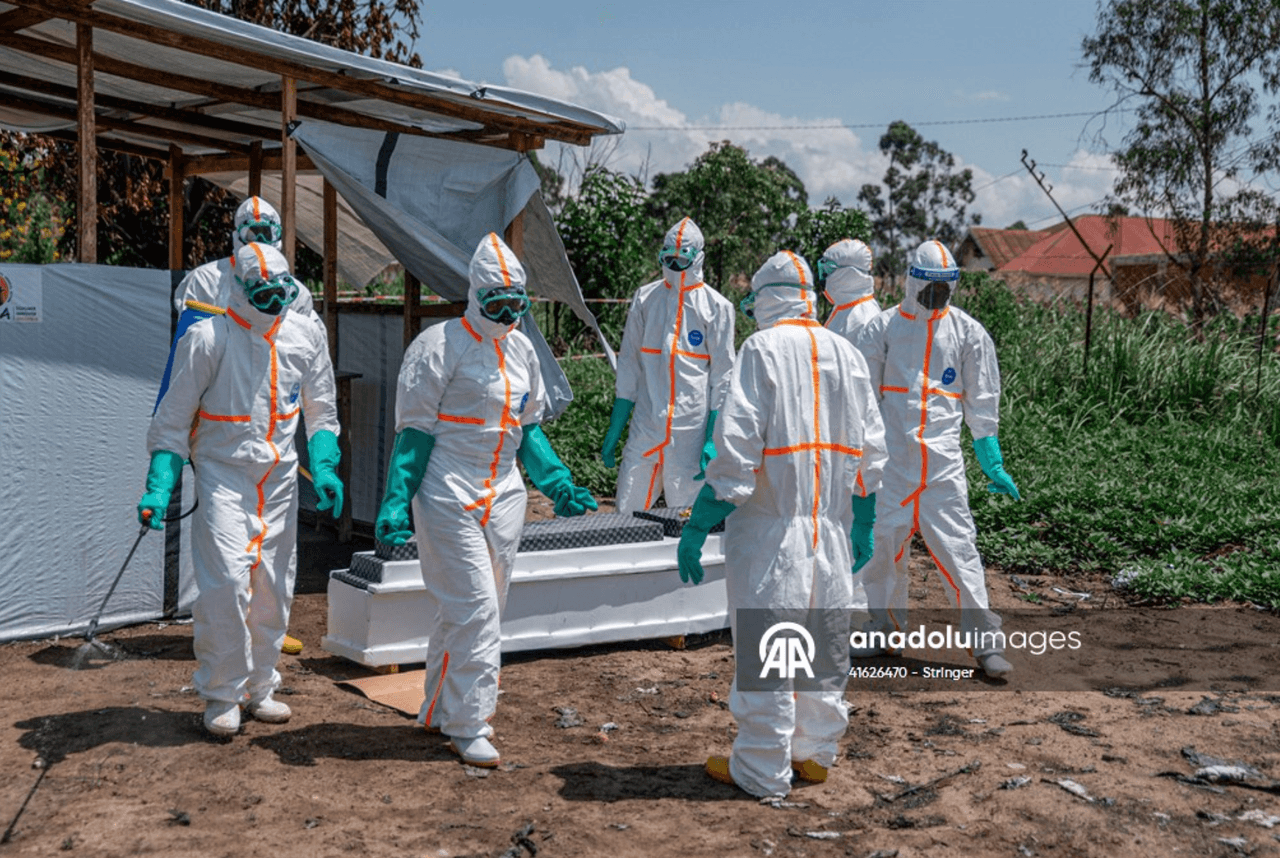
Ebola Outbreak (2026)
2026 Ebola Outbreak is an acute viral hemorrhagic fever outbreak triggered by the Bundibugyo ebolavirus species, affecting the border regions between the Democratic Republic of the Congo (DRC) and Uganda in East and Central Africa. 【1】 The outbreak entered the agenda of international health authorities in May 2026 and rapidly evolved into a regional risk 【2】. International operations to combat the outbreak have been shaped around the dissemination of diagnostic methods, the acceleration of clini
EN
Azra Karaca
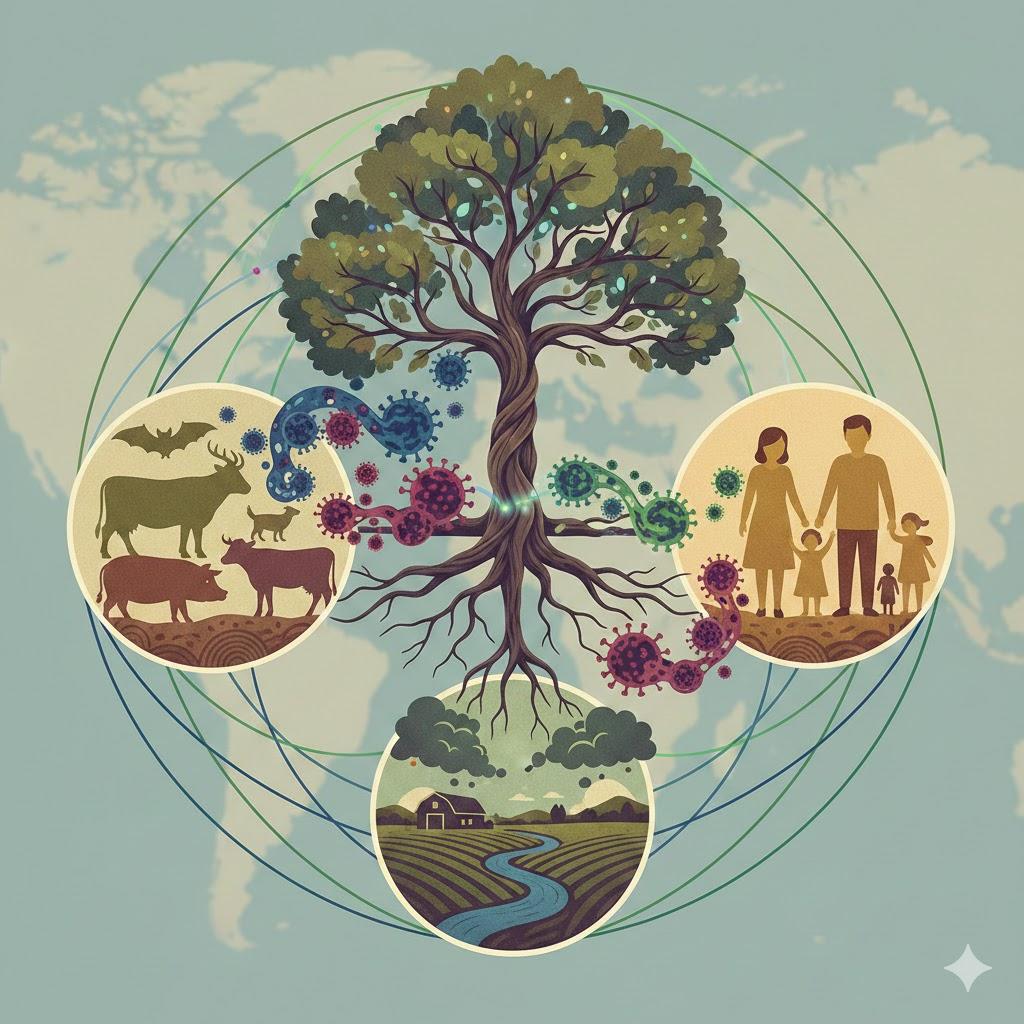
Zoonotic Diseases (Morbi zoonotici)
Zoonosis or zoonotic disease is derived from the Greek words “zoon” (animal) and “nosos” (disease). According to the terminology defined by the World Health Organization, zoonoses refer to any infection or disease that can be naturally transmitted between vertebrate animals and humans. Current medical data indicate that more than 200 types of zoonotic diseases have been identified in nature.【1】 Approximately 60 percent of pathogens affecting humans originate from animals. It is reported that abo
EN
Sevde Köktaş