

`empire` Related Article Results
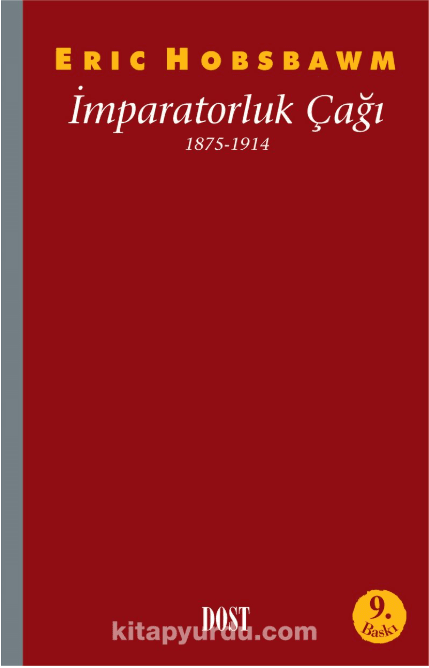
Imperial Age (Book)
Eric J. Hobsbawm’s book *The Age of Empire 1875–1914* is a comprehensive study analyzing the period from the late 19th century to the threshold of the First World War. The book examines how political economic and social transformations during this era shaped global power balances. Hobsbawm defines this period as one marked by imperialist policies economic expansion and competition among the great powers period. The Age of Empire " image-alternate="" image-element-format="right"> Content of th
EN
Ahsen Karakaş
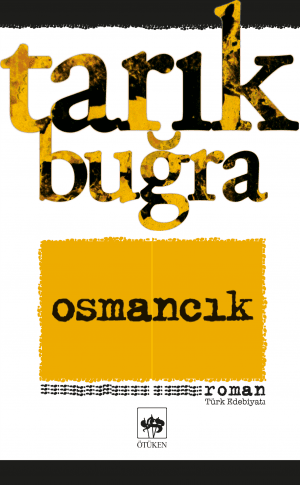
Osmancık
Osmancık is a historical novel written by Tarık Buğra, one of the important figures in Turkish literature, based on historical events. The novel portrays, through a fictional narrative, the developments from Osman Gazi’s youth to the foundation of the Ottoman state. Subject of the Book The novel covers the historical journey from Osman Bey’s (Osmancık) childhood and youth to the founding period of the Ottoman Beylik. Initially portrayed as a fierce warrior driven by personal ambition, Osmancık g
EN
Cihat Demirel
 Tr
TrTreaty of the Dardanelles (Kale-i Sultaniye Treaty)
The Treaty of the Dardanelles, also known as the Kale-i Sultaniye Treaty, was a peace and trade agreement signed between the Ottoman Empire and the United Kingdom on March 13, 1809. The treaty aimed to reorganize Ottoman-British relations amid the geopolitical context created by the Ottoman-Russian wars and the Napoleonic Wars. It also served to restore diplomatic relations between the two powers, which had been disrupted following the British naval expedition to the Bosphorus in 1807 (known as
EN
Abdülkadir Taştan
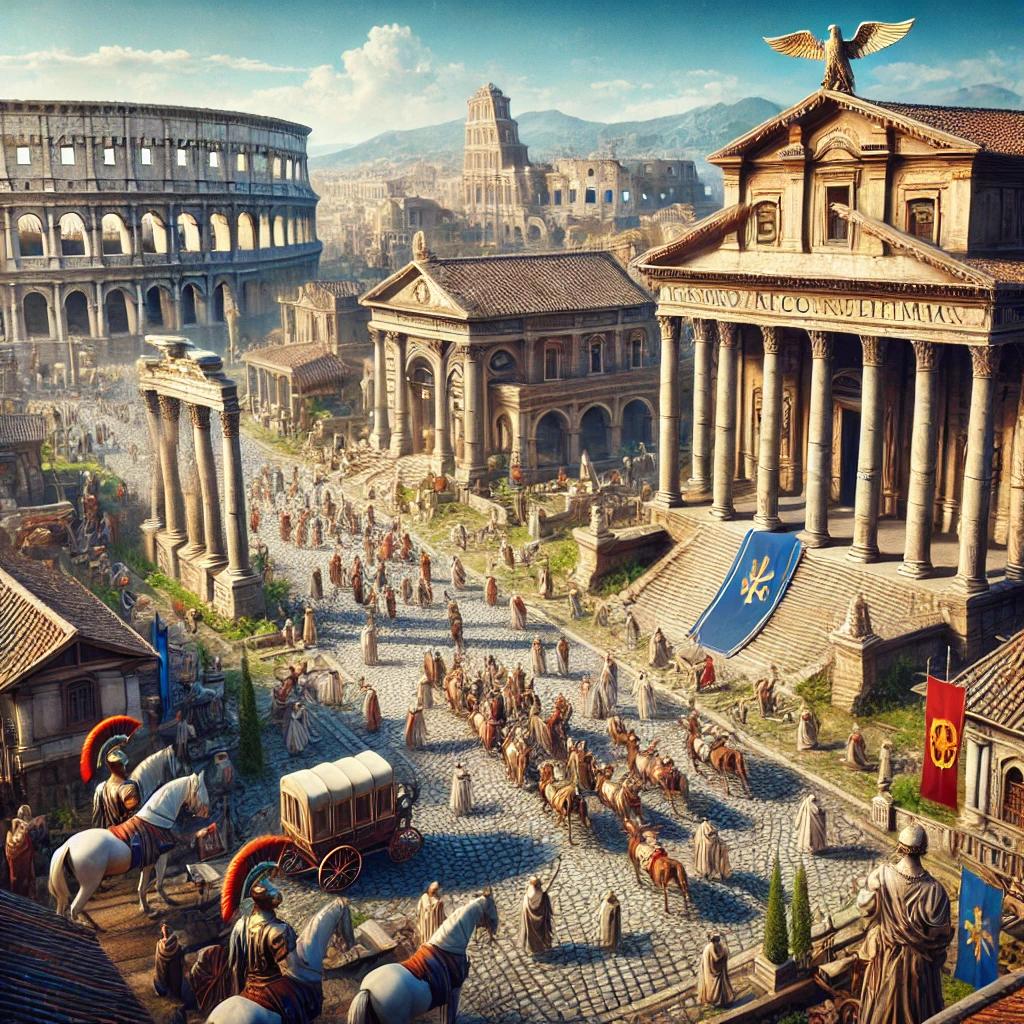
Some Words About the Roman Empire
Throughout history, humanity has established many great states and empires. Yet among them, the Roman Empire stands out as one of the world’s most distinguished, particularly in terms of continuity and institutional strength. While the empire of Genghis Khan may first come to mind as the “largest empire,” Rome carved out a unique place in history not through its territorial extent, but through its durability, legal system, cultural diversity, and capacity for integration. Rome’s long lifespan li
EN
Mustafa Cem İnci
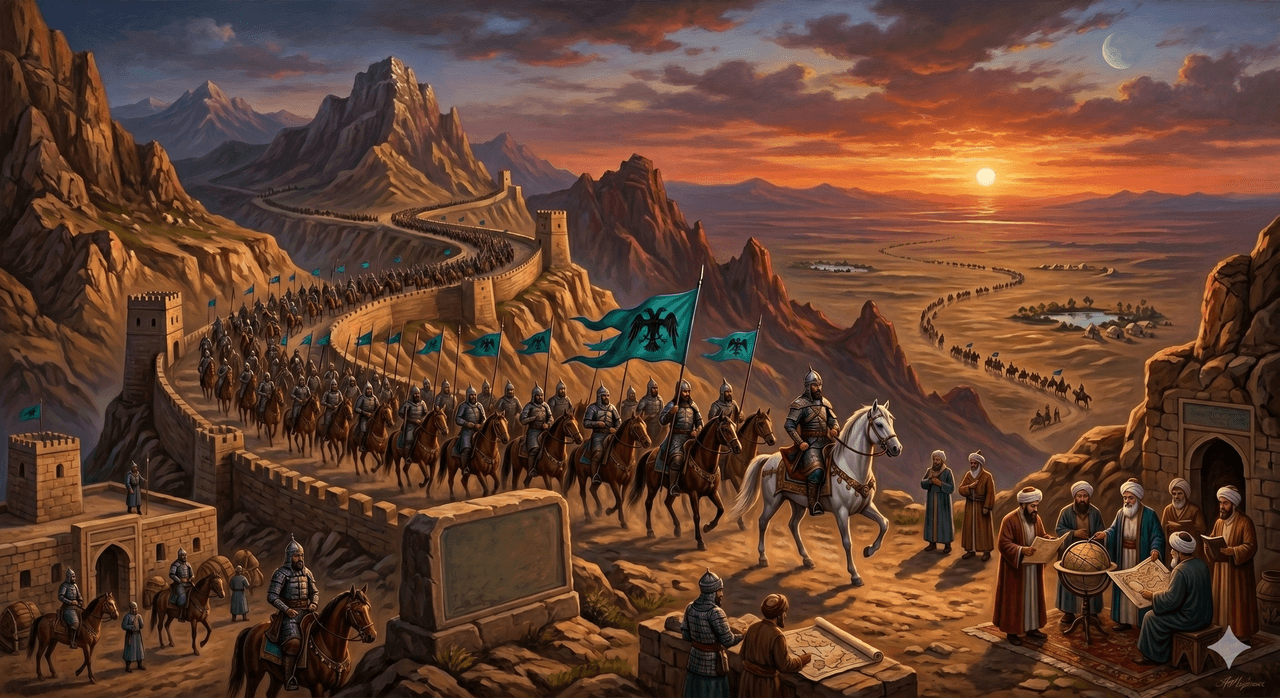
The Unchanging Fate of the Seljuks
States that alter the course of history typically rise by facing their greatest challenges in the most difficult geographies. The Seljuks left an indelible mark on history not only through the military discipline of the steppe but also by assuming the guardianship of the Islamic world and building a profound state tradition. What, then, propelled this vast structure to its peak and inevitably drove it toward its demise? The Protective Shield of the Islamic World Long before the Battle of Manzike
ENMustafa Cem İnci
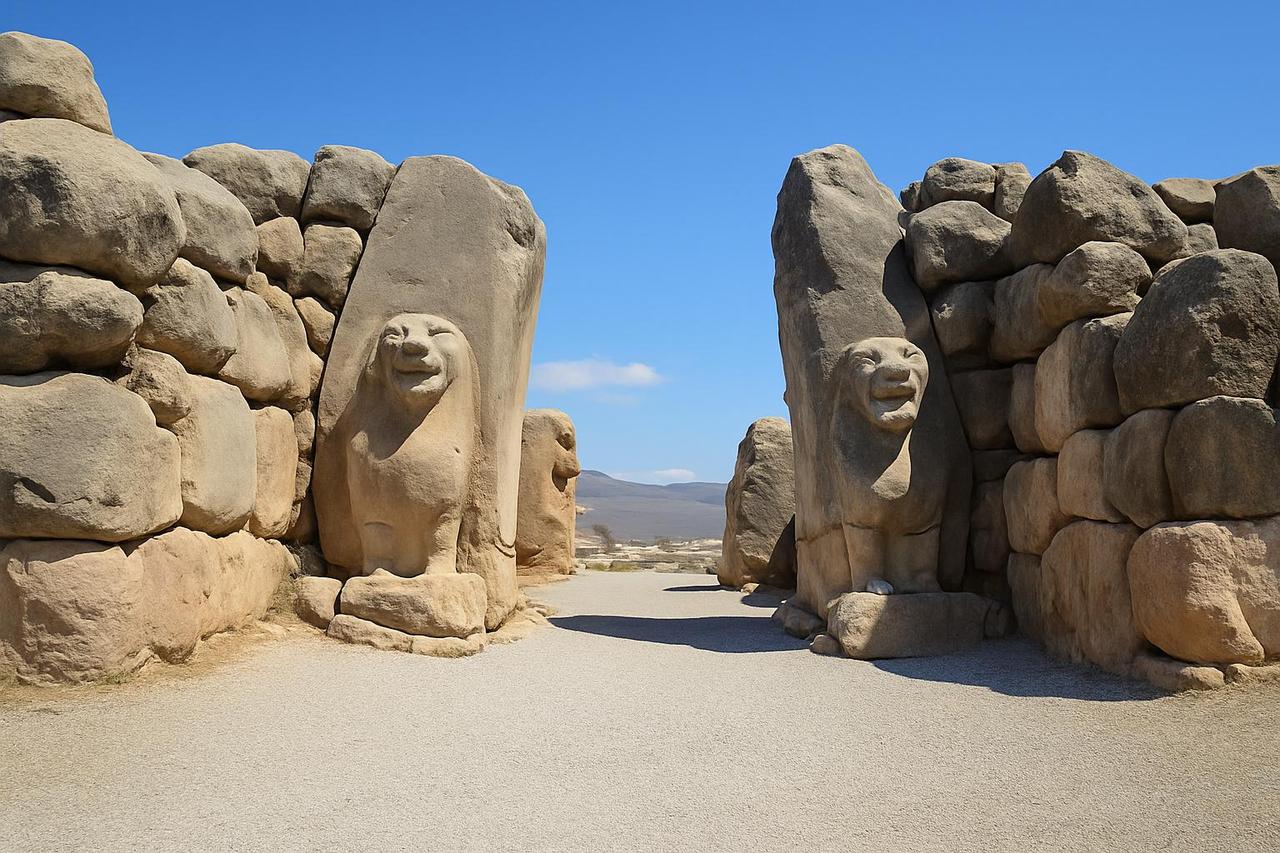
The First Empire of Anatolia: The Hittites
Who Were the Hittites? The Hittites were the civilization that established the first major state on the lands of Anatolia. They lived in Central Anatolia approximately 4000 years ago. Their capital was the city of Hattuşaş, located in today’s Çorum province. For this reason, the Hittites are sometimes referred to as "Hattians." The Hittites in History In the 17th century BCE, the Hittites grew in power in Anatolia and established a kingdom. By the 14th century BCE, they had become a vast empire
ENMustafa Cem İnci
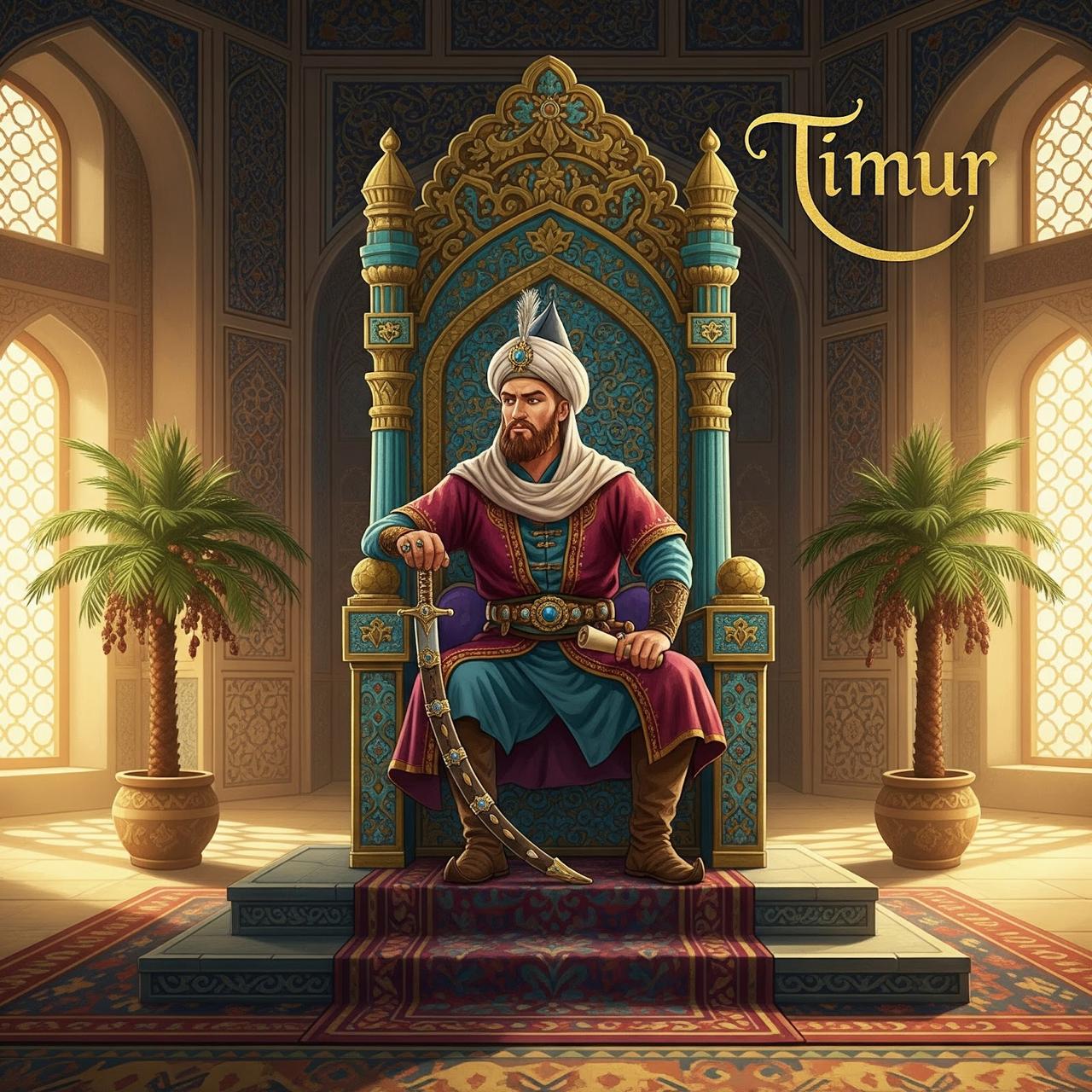
Emir Timur
Emir Timur (1336–1405) is one of history’s most significant rulers and military geniuses. In the late 14th century, he established a vast empire across Asia. He is also renowned for his patronage of science and the arts, alongside his military successes. Due to a leg injury sustained in battle during his youth, he became known by the Persian name Timurlenk, meaning “the lame.” However, this did not hinder his pursuit of grand ambitions. The state he founded rapidly became one of the most powerfu
EN
Kasım Emre Anıl
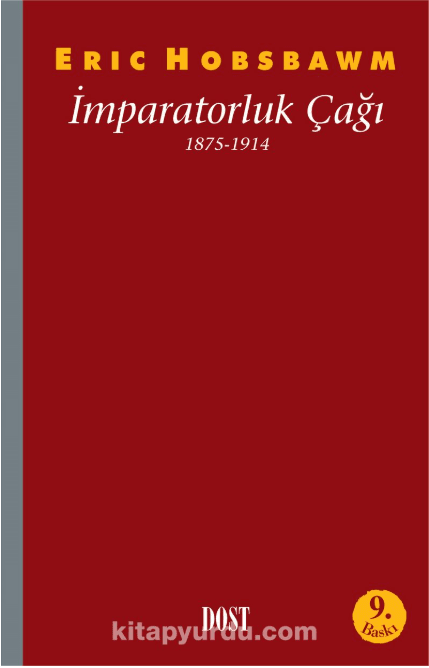
Imperial Age (Book)
Eric J. Hobsbawm’s book The Age of Empire 1875–1914 is a comprehensive study analyzing the period from the late 19th century to the threshold of the First World War. The book examines how global power balances were shaped through the political economic and social transformations of this era. Hobsbawm defines this period as one marked by imperialist policies economic expansion and competition among the great powers. Content of the Book Industrialization and Economic Expansion The effects of the I
EN
Ahsen Karakaş
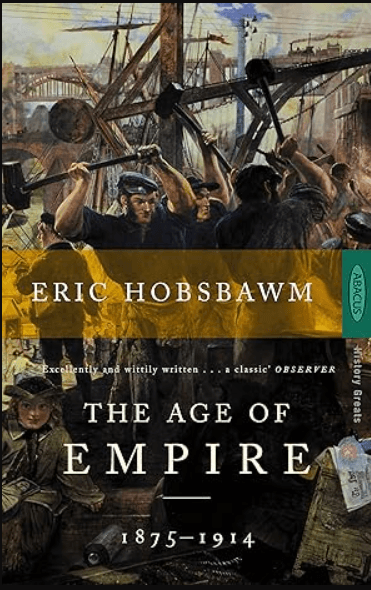
The Age Of Empire (Book)
Eric J. Hobsbawm’s The Age of Empire: 1875-1914 is a comprehensive analysis of the period spanning from the late 19th century to the eve of World War I. The book examines the political, economic, and social transformations that occurred during this time, exploring how global power dynamics were shaped. Hobsbawm characterizes this era as one marked by imperialist policies, economic expansion, and intense rivalry among great powers. Content Overview Industrialization and Economic Expansion The eff
ENAhsen Karakaş