

`emotion-regulation` Related Article Results

The Pirate Function of Nerves: "Anger Outbursts"
The Universal Nature of Anger Stressors, internal conflicts, and social pressures encountered in human life can sometimes disrupt emotional regulation. During intense episodes of anger, the nervous system departs from its normal functioning; conscious behavior is replaced by impulsive reactions. In this context, anger outbursts can be interpreted as a temporary shift in the nervous system’s operation toward a rogue mode of functioning. The individual is emotionally overwhelmed: control has been
EN
Ayşenur Bayraktar
 Em
EmEmotion-Focused Therapy
Emotion-Focused Therapy (EFT) is a holistic and experiential psychotherapeutic approach that places emotions at the center of human experience and therapeutic change. Its foundational philosophy holds that emotions are a fundamental adaptive system essential for survival, well-being, decision-making, and assigning meaning to life. Unlike traditional approaches that aim to control emotions through emotional catharsis or cognitive restructuring, EFT treats emotions as the key to change and the pri
EN
Yunus Emre Yüce
DiDialectical Behavior Therapy
Dialectical Behavior Therapy (DBT) is an evidence-based psychotherapeutic approach originally developed to treat chronic suicidal behaviors. Scientific research has supported its effectiveness in treating individuals with intense emotional regulation difficulties, particularly those with Borderline Personality Disorder (BPD). However, the use of DBT has expanded in recent years and has been found effective in addressing a broader range of psychological issues including suicidal ideation, self-ha
EN
Miray GÜR
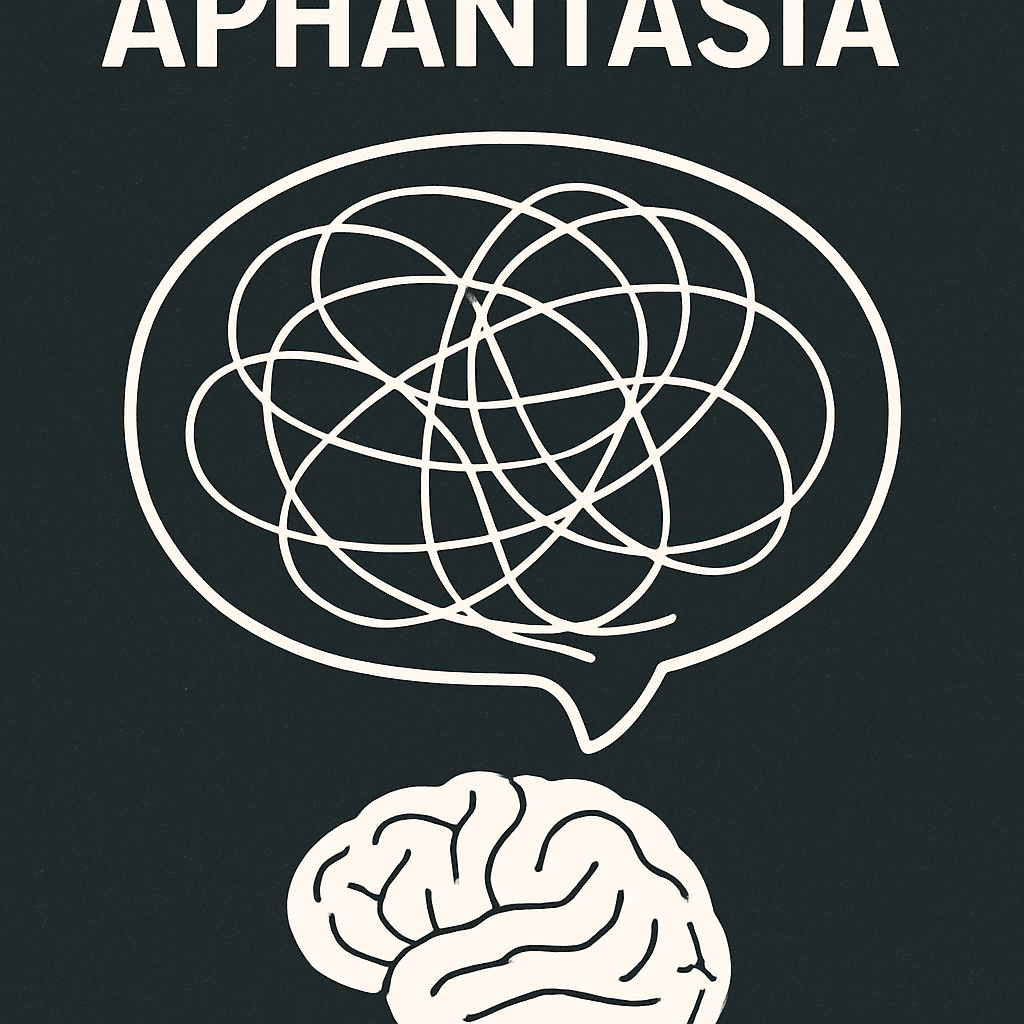
Afantazi
Aphantasia (eng. Aphantasia) is a cognitive difference characterized by the inability to mentally generate visual images. The term was first introduced in 2015 by Adam Zeman and colleagues to describe the complete absence of visual imagery【1】. The word “phantasia,” of Greek origin, refers to Aristotle’s concept of mental images; the prefix “a-” denotes the absence of this capacity. History The variation in individuals’ ability to form mental images was first systematically studied by Sir Francis
ENMuhammed Mesih Hanlı

Silent Rage: The Accumulation of Unexpressed Emotions Within Us
Sometimes anger does not shout, break things, or slam doors. It does something more dangerous: it stays inside. It hides behind the phrase “It’s fine,” slips beneath smiles, and grows denser with every unspoken sentence. Silent anger often accumulates as the price of trying to be a “good person,” avoiding conflict, or fearing rejection. Silent Anger (Generated with Artificial Intelligence) " image-element-format="right" image-height="1024" image-source="https://cdn.t3pedia.org/media/uploads/2026
EN
Ömer Said Aydın