

`electric-current` Related Article Results
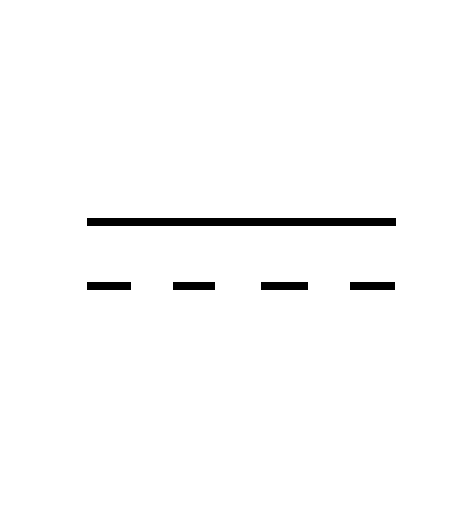
Direct Current
Direct current (DC, from the Turkish abbreviation DA and the English abbreviation DC - Direct Current) is a type of electric current in which electric charges (typically electrons) flow in a single direction without changing direction over time. In an ideal DC source, both the magnitude of the current and the voltage remain constant over time. This unidirectional and constant flow is the fundamental characteristic that distinguishes direct current from alternating current (AC), in which both dir
EN
Mikdat Ramazan Köşker
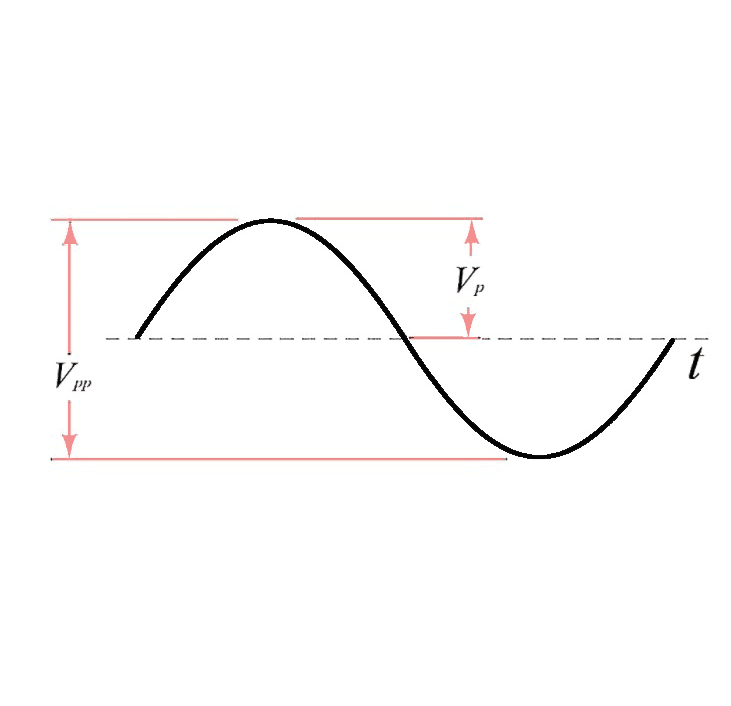
Alternating Current
Alternating current (AC or its English abbreviation) is, in its most fundamental definition, an electric current whose direction and magnitude change periodically over time. This periodic variation typically occurs in a sinusoidal waveform, although other forms such as triangular or square waves may be used in different applications. This fundamental characteristic distinguishes alternating current from direct current (DC). In direct current, electric charges flow in a constant direction, typica
EN
Mikdat Ramazan Köşker
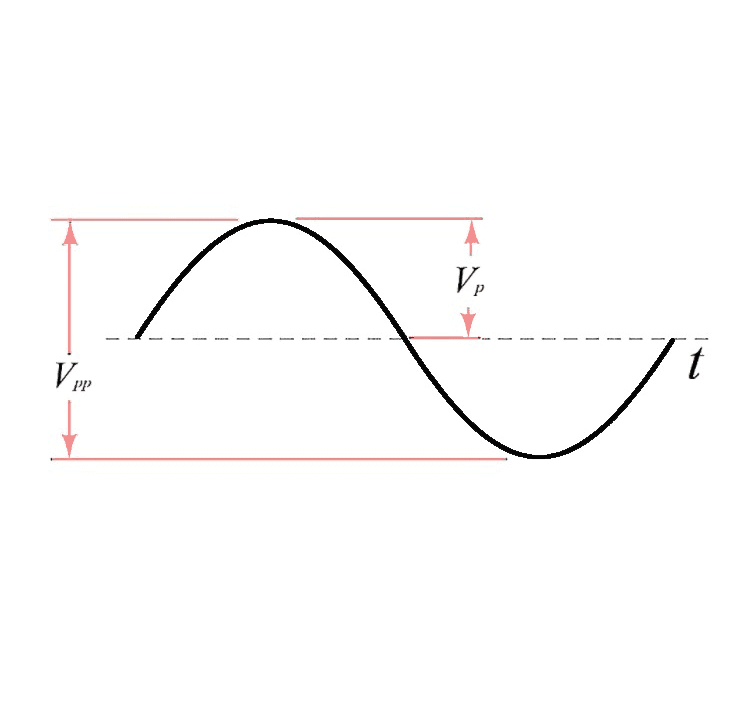
Alternating Current
Alternating current (AC), in its most fundamental definition, is an electric current whose direction and magnitude change periodically over time. This periodic variation typically occurs in a sinusoidal waveform, although other forms such as triangular or square waves may be used in different applications. This fundamental characteristic distinguishes AC from direct current (DC). In direct current, electric charges flow in a constant direction, usually from high potential to low potential. Alter
ENMikdat Ramazan Köşker
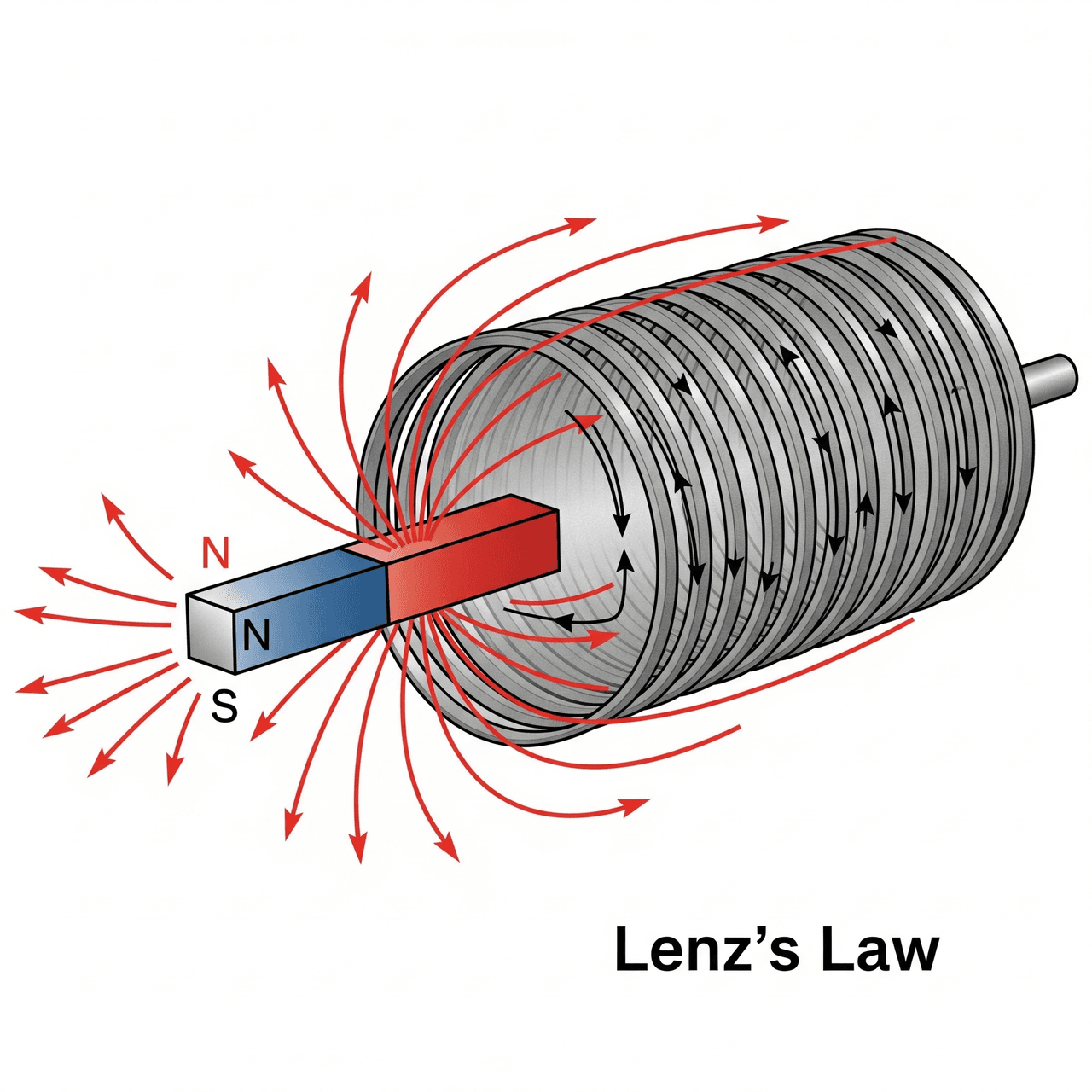
What is Lenz's Law?
Lenz’s Law states that the current induced in a conductor by a changing magnetic field arises in a direction that opposes the change causing it. In other words, if the magnetic flux changes, a “reaction current” is generated in the conductor, and this current attempts to reduce the change through its own magnetic field. This principle determines the direction of electromagnetic induction and expresses nature’s tendency toward equilibrium. Who Discovered It? The law was formulated in 1834 by the
EN
İbrahim Filiz
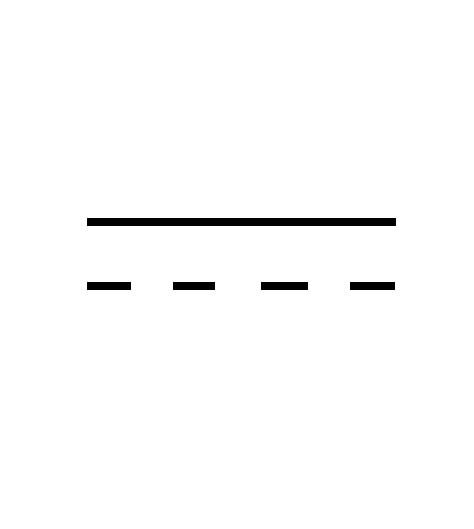
Direct Current
Direct current (abbreviated as DC in English and DA in Turkish) is a type of electric current in which electric charges (typically electrons) flow in a single direction without changing direction over time. In an ideal direct current source, both the magnitude of the current and the voltage remain constant over time. This unidirectional and constant flow is the fundamental characteristic that distinguishes direct current from alternating current (AC), in which both direction and magnitude vary p
ENMikdat Ramazan Köşker