

`educationalsciences` Related Article Results

Fatih Sultan Mehmet Foundation University (FSMFU)
Fatih Sultan Mehmet Vakıf Üniversitesi (FSMVÜ) was established in Istanbul in 2010 through the consolidation of five endowments under the General Directorate of Foundations of the Republic of Türkiye. These endowments are the Fatih Sultan Mehmet Han Vakfı, Sinan Ağa bin Abdurrahman Vakfı, Nurbanu Valide Sultan Vakfı, Hatice Sultan Vakfı, and Abdullahoğlu Hacı Abdülaziz Ağa Vakfı. Alongside Bezmiâlem Vakıf Üniversitesi, it is one of two universities under the General Directorate of Foundations. I
EN
Alperen Çok
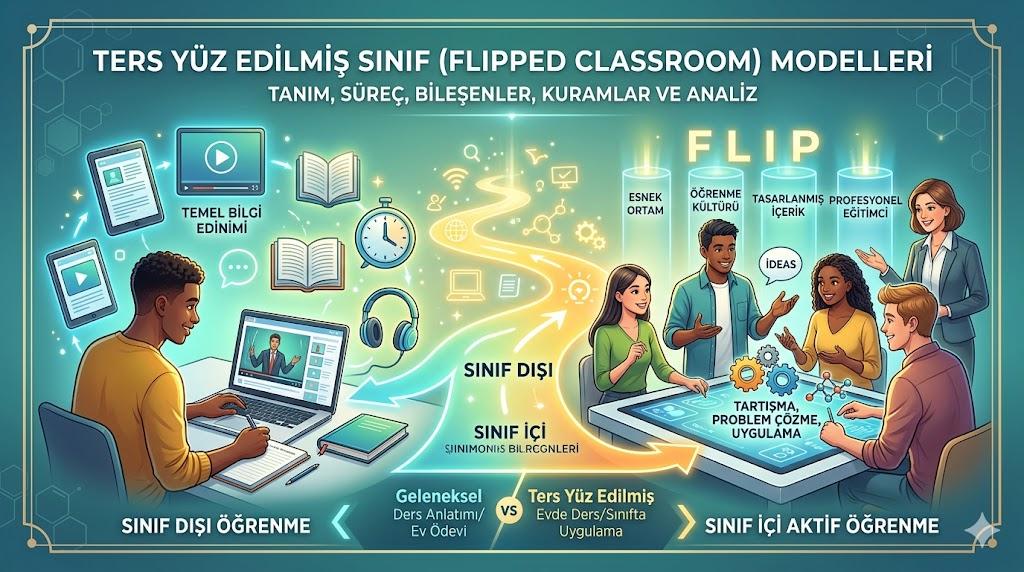
Flipped Classroom Model
The flipped classroom model is a student-centered pedagogical approach in which the traditional sequence of in-class instruction and out-of-class homework and practice is reversed in terms of time and place.【1】In this model, basic knowledge transmission is conducted outside the classroom through various technological materials and digital tools, while in-class time is dedicated to developing higher-order cognitive skills such as discussion, problem solving, analysis, and application. In the lite
EN
Büşra Tuğa
 An
AnAnatolian School
Anadolu Mektebi is a volunteer-based civil reading initiative grounded in the principle of reading, evaluating, and disseminating through panels the works of authors who have contributed to Turkish thought, art, and literature. Launched in 2012 under the leadership of Professor Dr. Sami Güçlü, the program aims to enable students to engage in high-quality reading, develop the ability to express themselves through writing and speech, and grow into well-rounded individuals shaped by national and un
EN
Beyza Gül Metliler

Divided Class Experiment
The Divided Classroom Experiment (Blue-Eyes/Brown-Eyes Exercise), a social psychologist Jane Elliott initiated in 1968 as an experimental educational method. The exercise aims to raise awareness of racial prejudice, discrimination, and stereotyping. Participants are divided into advantaged or disadvantaged groups based on eye color; this process allows them to directly experience the cognitive, emotional, and behavioral consequences of prejudice. The experiment was designed to demonstrate that p
EN
Miray GÜR

School Performance
School success is a multidimensional concept that has evolved over historical processes and expanded in scope. In the mid-20th century, it was defined as the extent to which students achieved the behavioral objectives outlined in educational programs【1】. Today, it is understood as the ability of students to apply the fundamental knowledge and skills they have acquired to real-life situations and to effectively utilize their personal characteristics. Theoretical Framework Although often equated w
ENOnur Çelik
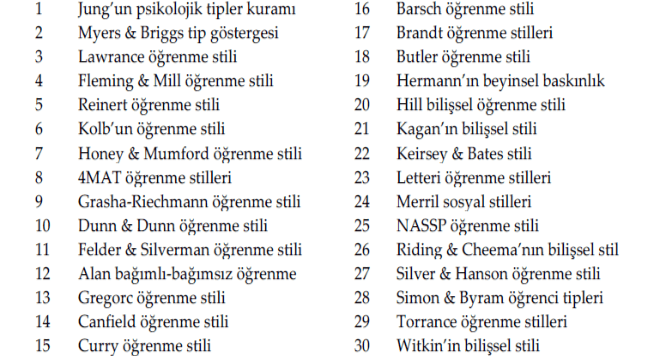
Fleming and Mill Learning Style Model (VARK)
Modern teaching methods, known as activity-based approaches, focus primarily on activities and aim to fully engage the student’s mind in the learning process. In modern teaching methods, the student is the primary consideration in curriculum design and planning. Special importance is given to individual differences among students. Numerous factors influence the process of knowledge acquisition, including society, family, emotions, past experiences, prior assumptions, ability, skill, intelligence
EN
Akile Nisa Öksüz
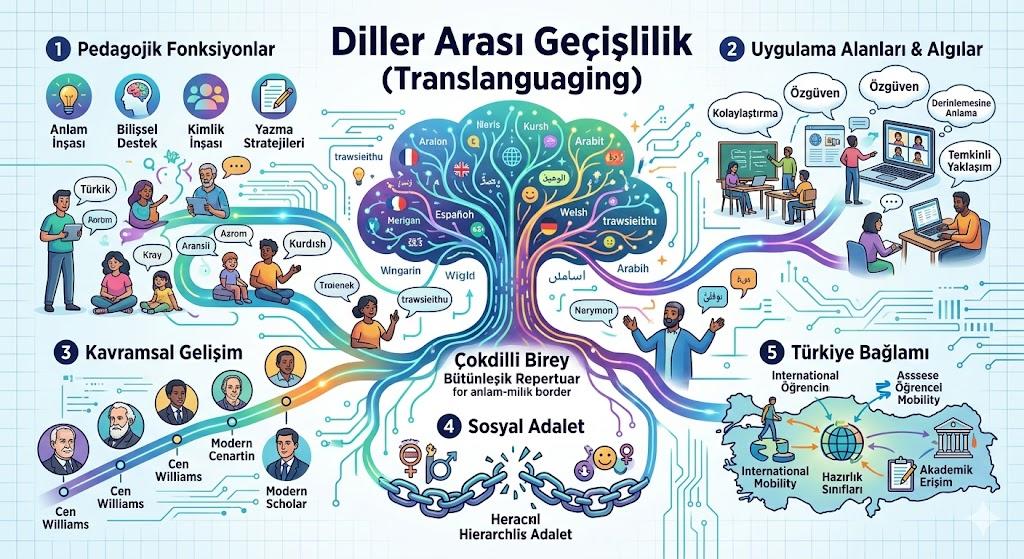
Interlinguistic Transition
Translanguaging is the process by which multilingual individuals draw upon their full range of linguistic and semiotic resources not as separate systems but as an integrated repertoire for meaning-making. This approach challenges the traditional monolingual paradigm that views languages as closed systems rigidly divided by social, cultural, and political boundaries. Conceptual Origins and Theoretical Development The concept was first introduced in the 1980s in bilingual educational settings in W
ENBüşra Tuğa

Dicle University (DÜ)
Dicle University (DÜ), a public university established in Diyarbakır in 1973. The institution carries out its educational teaching and research activities in campuses located in Diyarbakır city center and surrounding districts within the Southeastern Anatolia Region. History The academic foundations of Dicle University were laid with the establishment of the Diyarbakır Faculty of Medicine under Ankara University in 1966. The institution continued its development with the opening of the Faculty o
EN
Nida Üstün
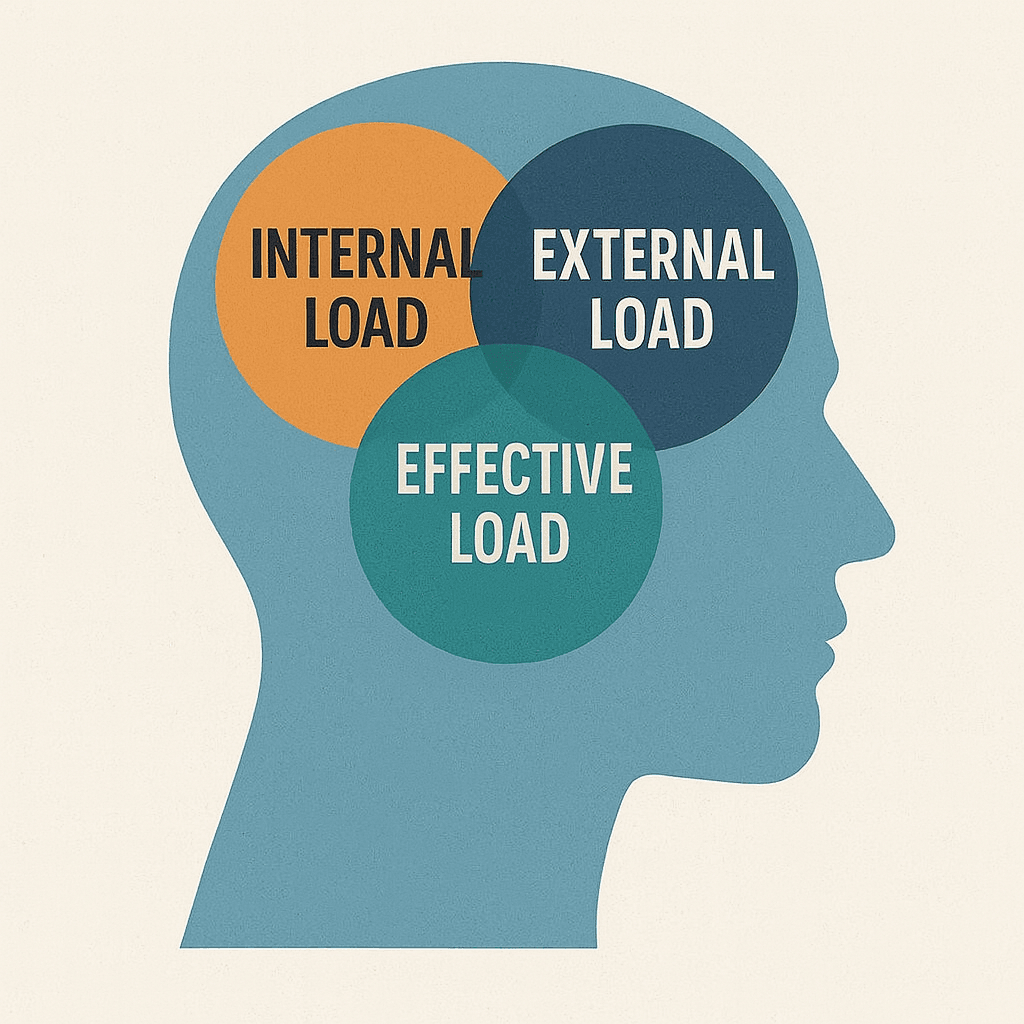
Cognitive Load Theory
Cognitive Load Theory was developed by educational psychologist John Sweller in the late 1980s. This theory focuses on understanding and managing the mental load individuals encounter during learning . Specifically , it aims to ensure that students utilize their cognitive capacities most effectively in the design of educational materials and teaching methods. An image representing the types of cognitive load theory (Generated with artificial intelligence.) " image-alternate="" image-element-form
EN
Emre Zengin

Conceptual Misconceptions
Conceptual Misconceptions are beliefs, ideas, or explanations that contradict scientific facts and are developed by individuals as alternatives to scientifically accepted concepts and principles, often arising from personal experiences, incorrect inferences, or linguistic differences. In the fields of educational sciences and cognitive psychology, they are also referred to by various terms such as alternative conceptions, children’s science, or misconceptions. Conceptual misconceptions significa
EN
Oksana Gülünay