

`edo-period` Related Article Results
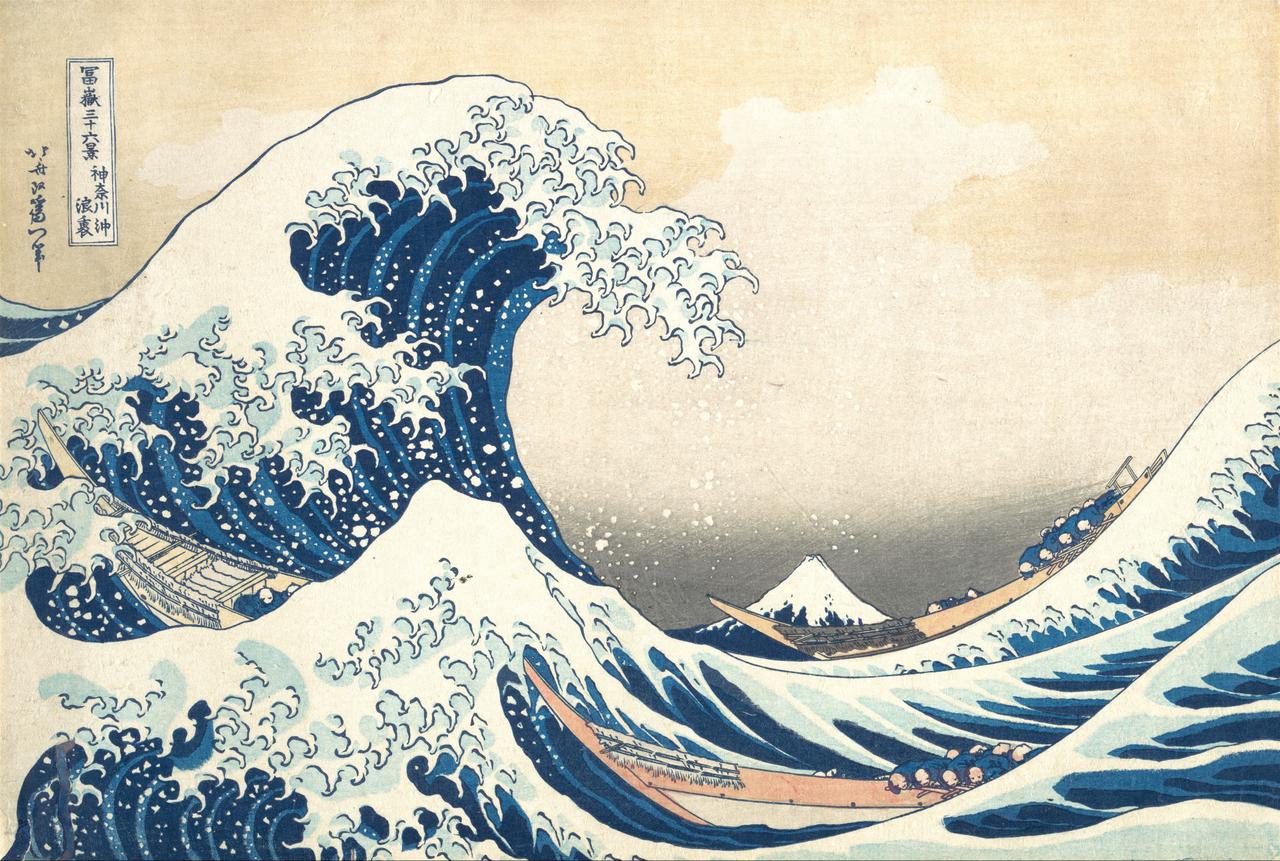
Great Wave off Kanagawa (Painting)
The Great Wave off Kanagawa (Japanese: 神奈川沖浪裏; Kanagawa Oki Nami Ura, “Behind the Waves off Kanagawa”), widely known in English as The Great Wave, is a polychrome woodblock print created by the Japanese artist Katsushika Hokusai between 1830 and 1833. The work is part of his series Thirty-Six Views of Mount Fuji and was printed on paper using ink and color. The composition depicts a massive wave towering over three boats off the coast of Kanagawa, with Mount Fuji visible in the background. Origi
EN
Nisanur Emral
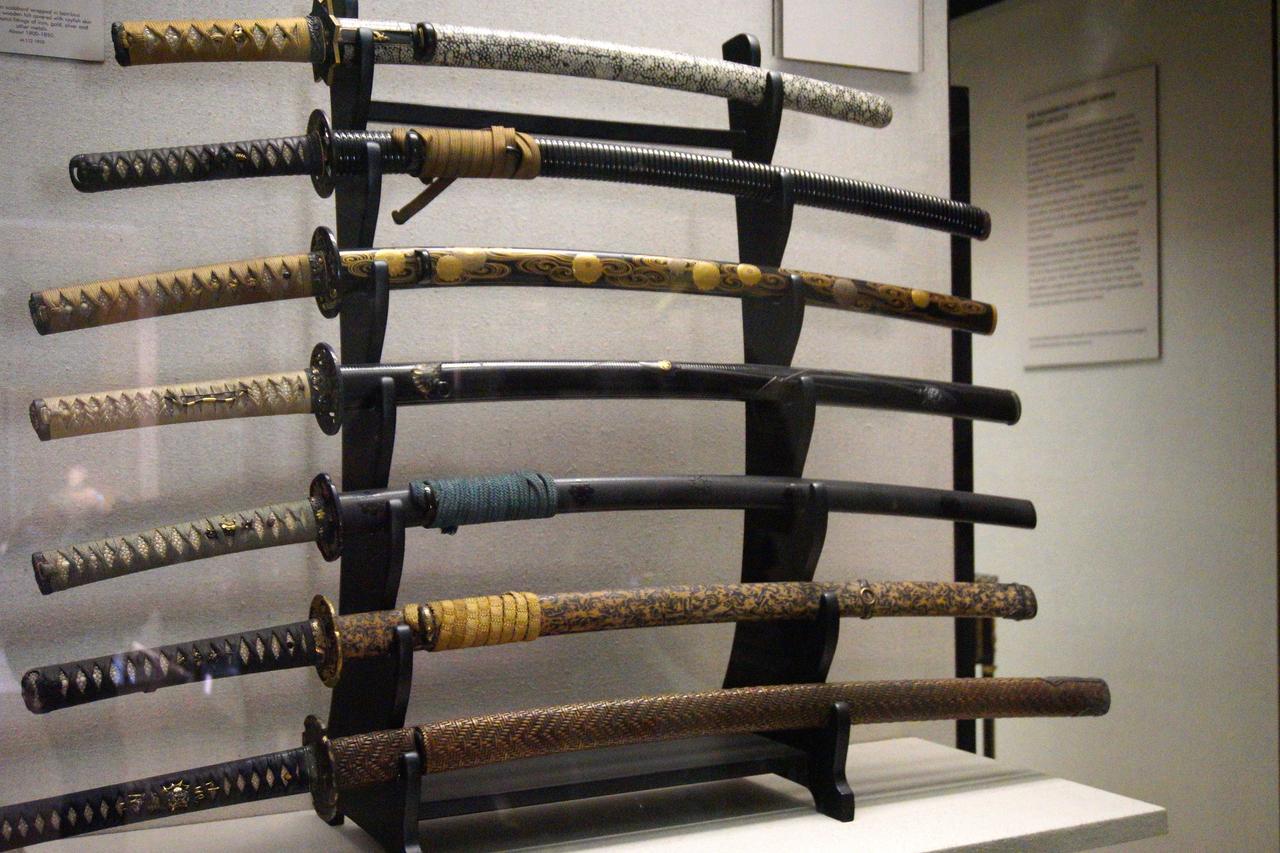
Katana
Katana is one of the most renowned and symbolic types of Japanese swords. It typically features a long, slightly curved, single-edged blade. Throughout history, it has held great significance both as a weapon of war and as a cultural symbol. During the Edo period (1603–1868) especially, the katana became the primary weapon of the samurai class and emerged as one of the most important examples of Japanese craftsmanship and aesthetic sensibility. Katana and Wakizashi (World History Encyclopedia) "
EN
Ömer Faruk Bilcan
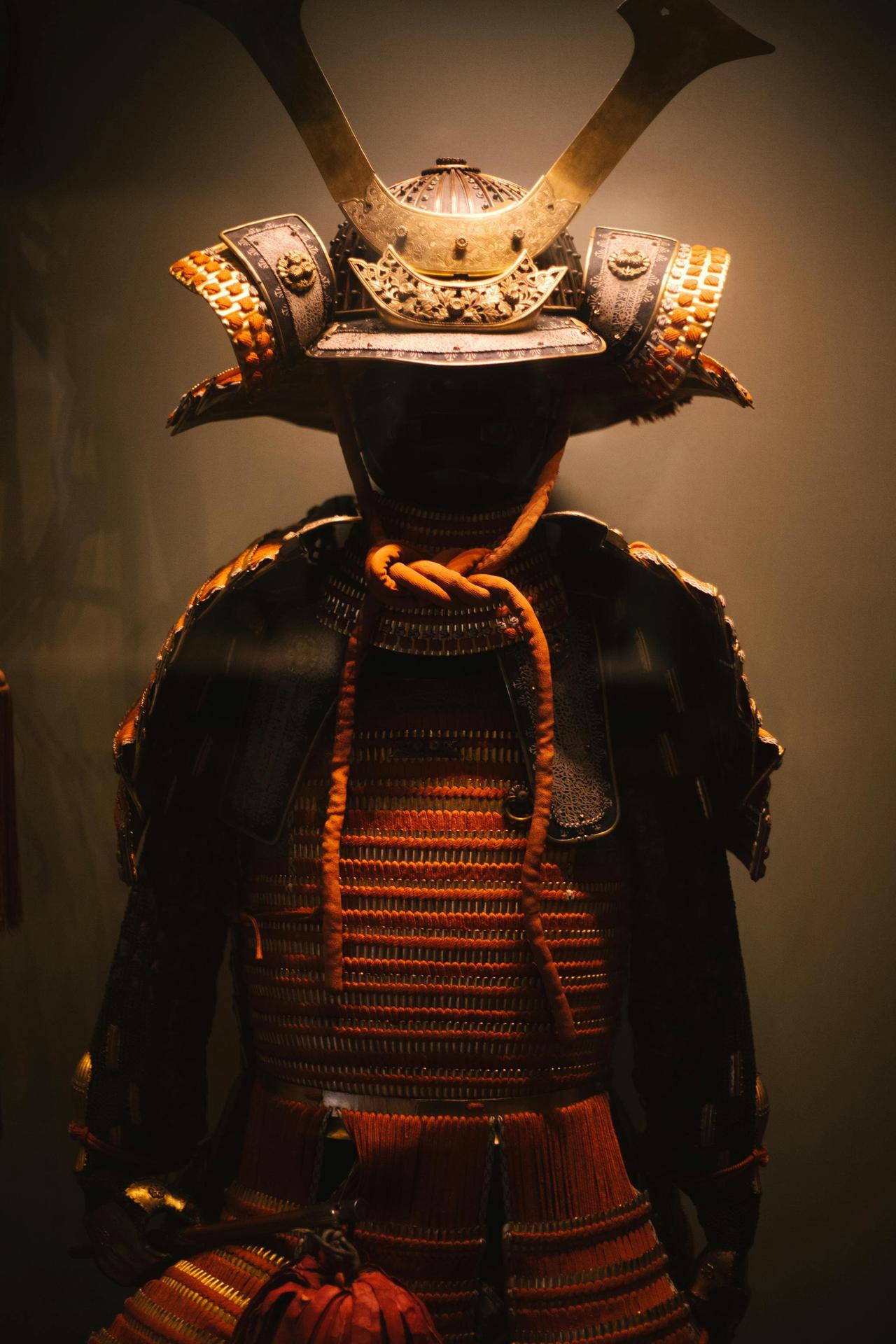
Japanese Mythology: Samurai
Samurai constituted one of the fundamental elements of Japan’s military, political, and social structure over a period of approximately eight centuries. The term “samurai” is derived from the Japanese verb “saburau,” meaning “to serve,” reflecting this class’s loyalty to supreme authority and their sense of duty. Initially emerging as aristocratic warriors, the samurai gradually became a class of fighters in the service of feudal lords, particularly increasing their political influence during th
EN
Muhammed Sonğuralp