

`dwarf-planet` Related Article Results
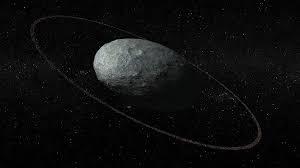
Haumea
Haumea is a dwarf planet located in the Kuiper Belt, the region beyond Neptune in the Solar System. Discovered on 7 March 2003, this celestial body was initially designated “2003 EL61” and was named Haumea in 2006 by the International Astronomical Union. It is named after Haumea, the Hawaiian goddess of fertility and childbirth; its two known moons, Hi’iaka and Namaka, bear the names of Haumea’s mythological daughters. Haumea is known as one of the fastest rotating large bodies in the Solar Syst
EN
Miray GÜR
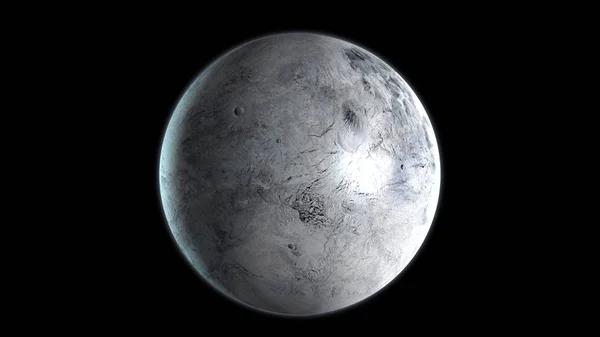
Eris
Eris is one of the largest known dwarf planets in the Solar System. It was discovered on 5 January 2005 by Mike Brown from the California Institute of Technology, Chad Trujillo from the Gemini Observatory, and David Rabinowitz from Yale University during observations of the outer Solar System at the Palomar Observatory. The data used for its discovery were obtained from observations dated 21 October 2003. Initially named 2003 UB313, this celestial body was popularly referred to by the name of th
ENMiray GÜR
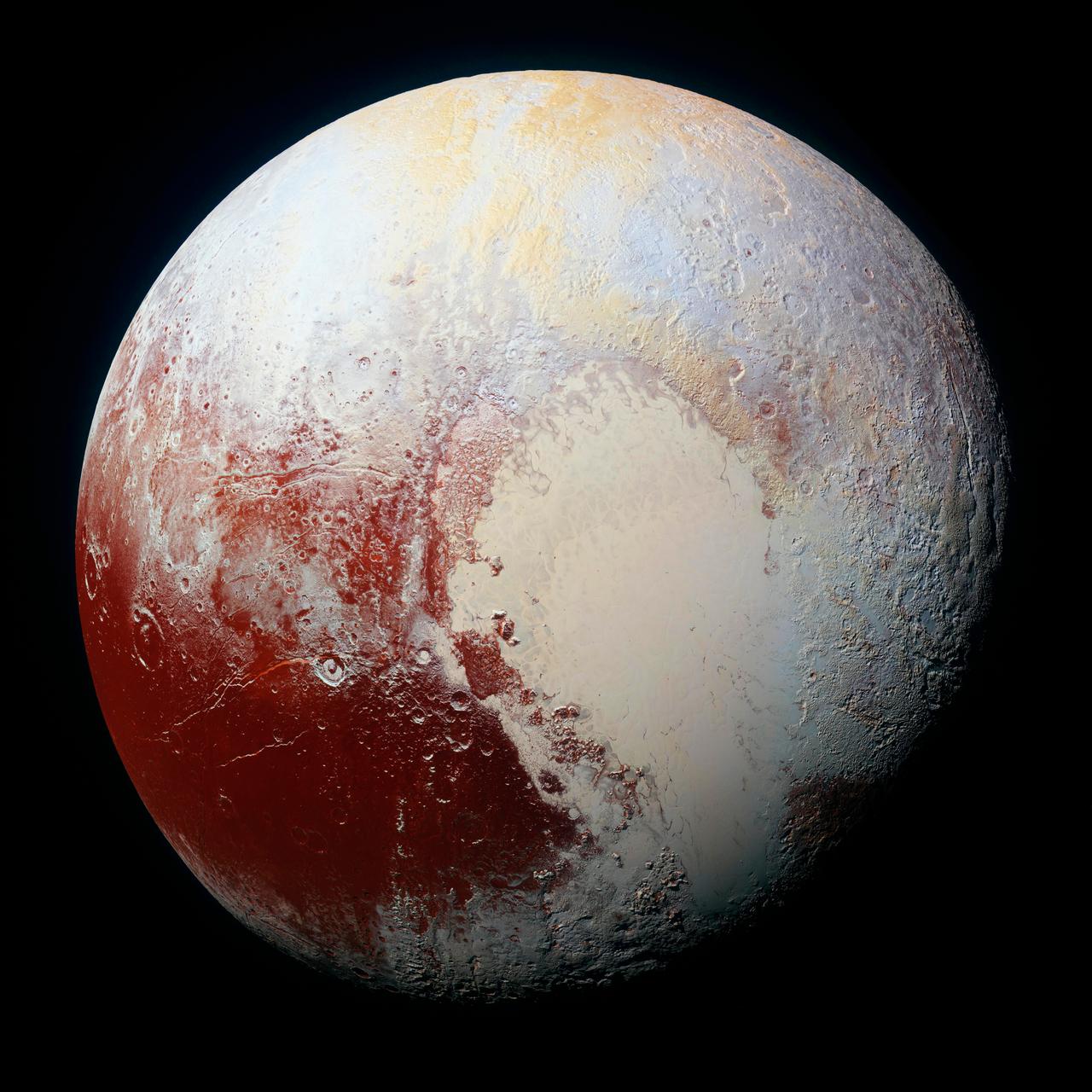
Dwarf Planet
Dwarf planets are celestial bodies that orbit the Sun, possess sufficient mass for their self-gravity to overcome rigid body forces so that they assume a nearly spherical shape, but have not cleared their orbital paths of other objects of comparable size. The key distinction between traditional planets and dwarf planets is the orbital clearance criterion established by the International Astronomical Union (IAU) in 2006.【1】 According to this definition, dwarf planets must orbit a star, have suffi
EN
Sudenur Selki
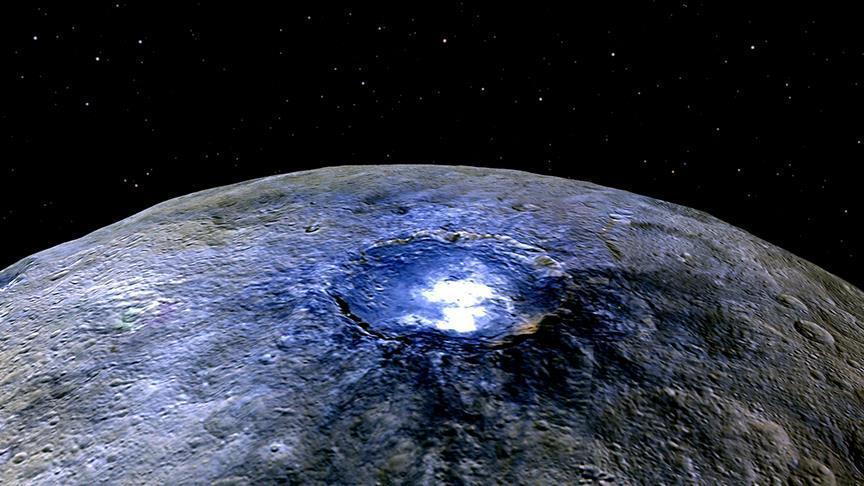
Ceres
Ceres is the largest celestial body in the asteroid belt between Mars and Jupiter and the only dwarf planet located within the inner Solar System. Discovered in 1801 by Giuseppe Piazzi, Ceres holds a significant place in the history of astronomy as the first member of the asteroid belt to be identified. Initially classified as an asteroid, Ceres was reclassified as a dwarf planet in 2006 by the International Astronomical Union due to its distinct size and structural properties compared to neighb
ENMiray GÜR
When and Why Was Pluto Demoted from Planetary Status?
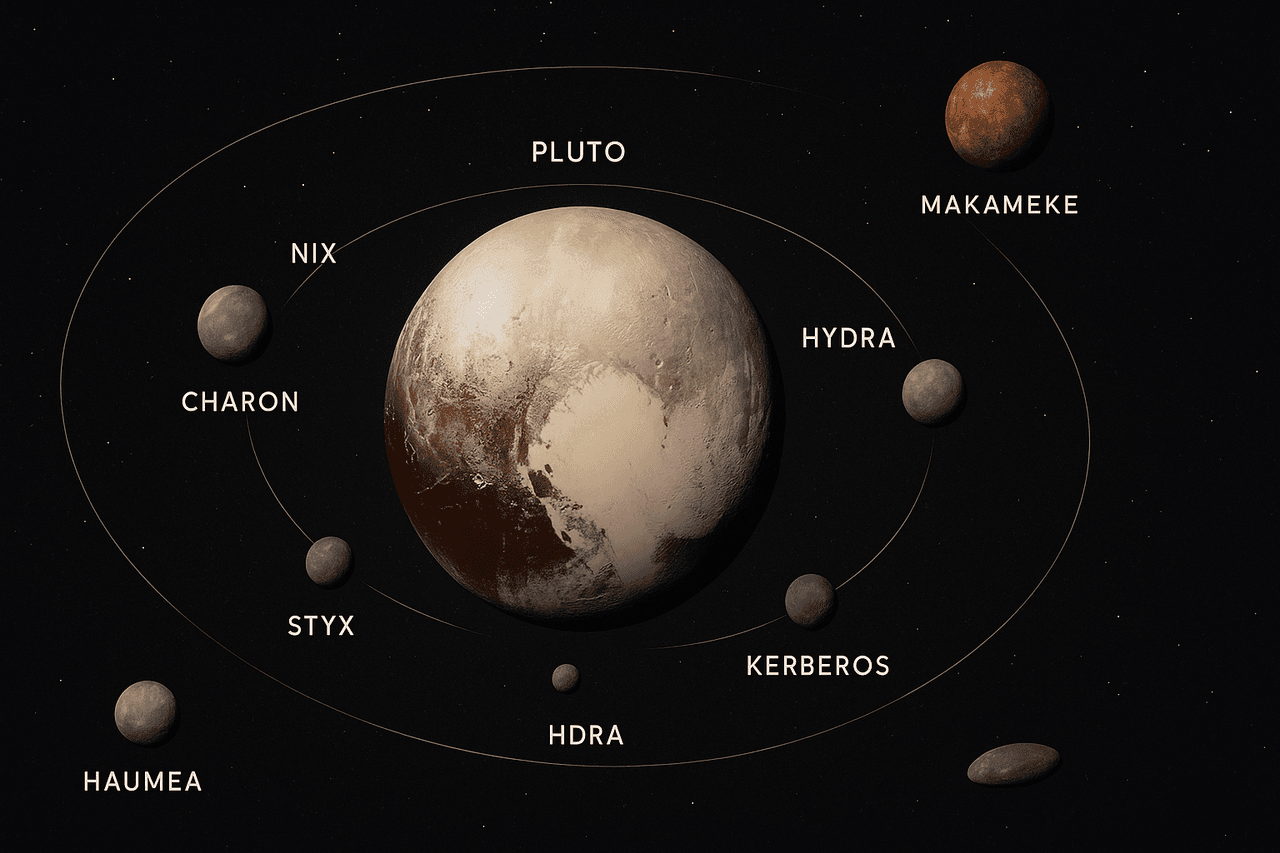
Pluto was met with great excitement upon its discovery in 1930 and was accepted as the ninth planet of the Solar System. Despite its small size, it was regarded as a “planet” in school textbooks, scientific studies, and public perception for approximately 76 years. However, in 2006, the International Astronomical Union (IAU) made a decisive change to Pluto’s status: Pluto was no longer classified as a planet but as a “dwarf planet.” Why was this decision made? What had changed? Until that time,
EN
Mehmet Bağcı
Pluto
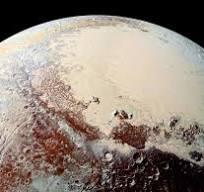
Pluto was discovered in 1930 by Clyde Tombaugh, a young American astronomer working in Arizona. The search for Pluto, began much earlier, in the early 20th century, due to observations of small irregularities in the orbits of Uranus and Neptune. These anomalies suggested the presence of a "Planet X," a large, unseen planet exerting a gravitational influence. Percival Lowell, an influential American astronomer, initiated the search for this mysterious planet. He dedicated years of effort to the p
ENSude Nur Akgül