

`door-knocker` Related Article Results
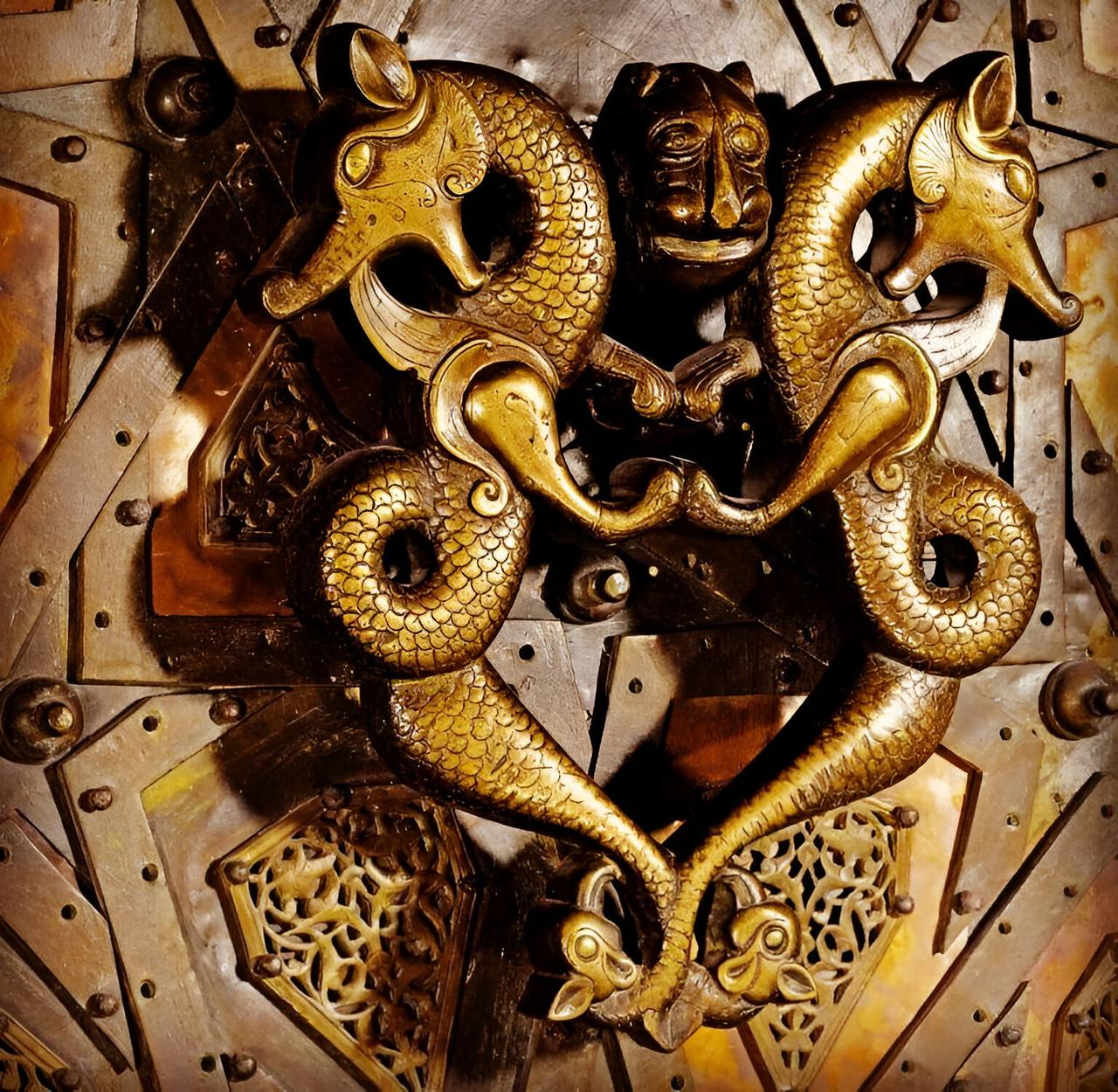
Cizre Dragons
The Cizre Door Knockers are bronze door knockers crafted in the 12th century by the physicist and mechanical inventor Abu al-Iz Ismail ibn al-Razzaz al-Jazari for the inner door of Cizre Ulu Camii. These works, executed using the engraving technique, are identified as dragons and resemble creatures with almond-shaped eyes, pointed ears, and wings. The dragons are stylized biting each other’s wings, while their bodies are designed to evoke the texture of snake skin. One of these figures represent
EN
Mehmet Tahir Özbey
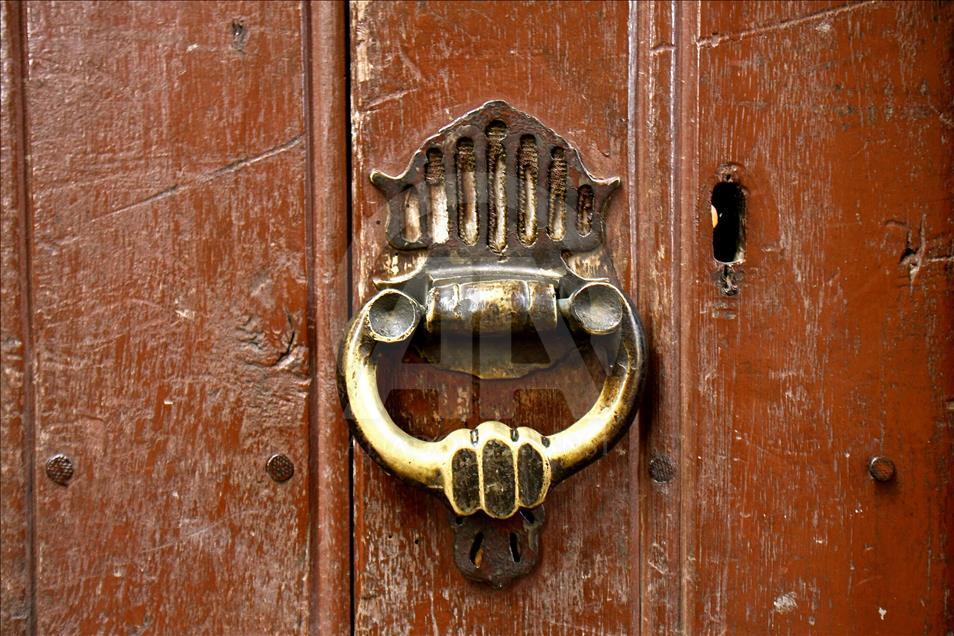
Anatolian Door Knockers
In Anatolian traditional architecture, door knockers are more than mere functional elements; they serve as carriers of aesthetic taste, privacy, social rituals, and cultural symbolism. These elements, passed down from the Ottoman era to the present, have materialized social codes, religious affiliations, and traditional belief systems through their forms, tonal qualities, and the motifs engraved upon them. Door Knocker (AA) " image-element-format="right" image-source="https://cdn.t3pedia.org/med
EN
Elif Laçin
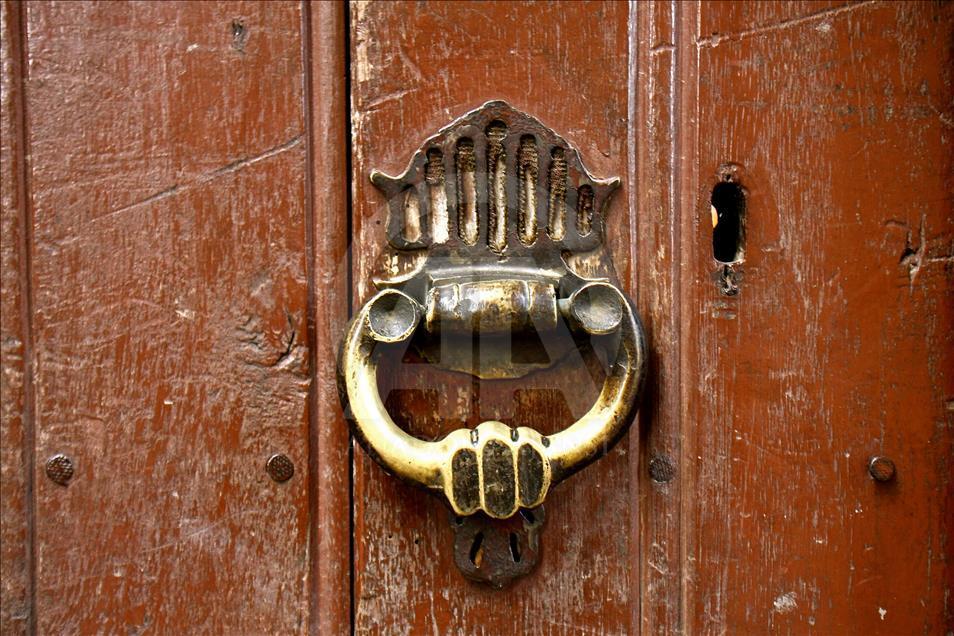
Anatolian Door Knockers
In traditional Anatolian architecture, door knockers are far more than mere functional elements; they serve as carriers of aesthetic taste, privacy, social rituals, and cultural symbolism. These elements, passed down from the Ottoman era to the present, have concretized social codes, religious affiliations, and traditional belief systems through their shapes, tonal qualities, and the motifs engraved upon them. Door Knocker (AA) " image-alternate="" image-element-format="right"> Historical Dev
EN
Elif Laçin