

`devices-in-nanotechnology` Related Article Results
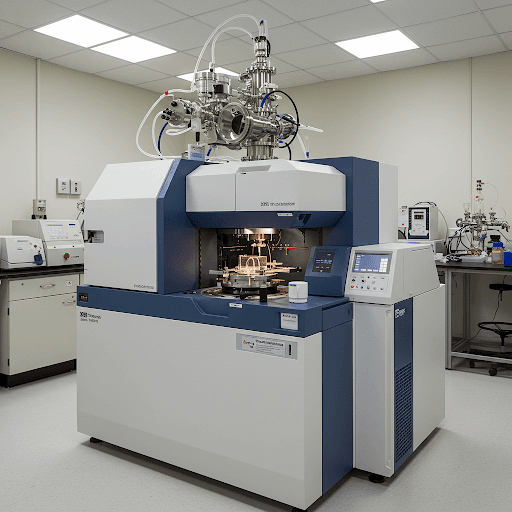
X-ray Photoelectron Spectroscopy (XPS)
XPS (X-ray Photoelectron Spectroscopy) is a high-sensitivity spectroscopic technique capable of analyzing the surface chemistry of a material at the nanometer scale. It is particularly used for qualitative and quantitative analysis of surface composition within a depth of 1–10 nm. XPS has become one of the fundamental characterization methods in nanotechnology materials science and surface engineering by providing critical information on elemental composition, vine species oxidation states and s
EN
Kader Göksu
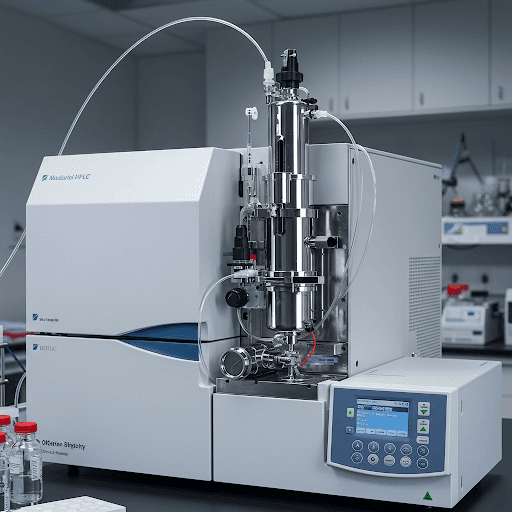
High-Performance Liquid Chromatography (HPLC)
HPLC is a high-resolution separation technique used for the separation, identification, and quantitative analysis of components in complex mixtures. This method, modern technique, preferred for detailed examination of biological, chemical, and pharmaceutical samples, has become indispensable in nanotechnological applications. The fundamental work principle of the system is based on forcing a liquid phase under high pressure through a column containing a stationary phase, during which components
ENKader Göksu
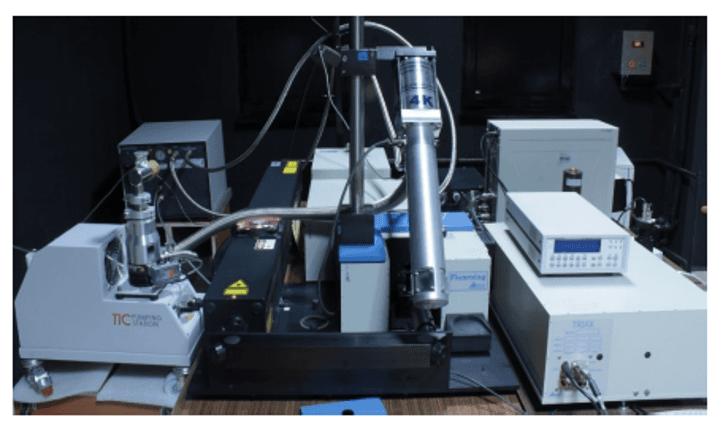
Photoluminescence (PL) Spectroscopy and Instrument
Photoluminescence spectroscopy is a non-contact, non-destructive optical characterization technique based on the analysis of light emitted by a material after light absorption (fluorescence or phosphorescence). It plays a crucial role in important studying the optoelectronic properties of semiconductors, quantum quantum dots, two-dimensional materials, and other nanostructures. The PL method is widely used in nanotechnology for bandgap measurement, defect analysis, and determination of energy le
ENKader Göksu