

`data-management` Related Article Results
PLM
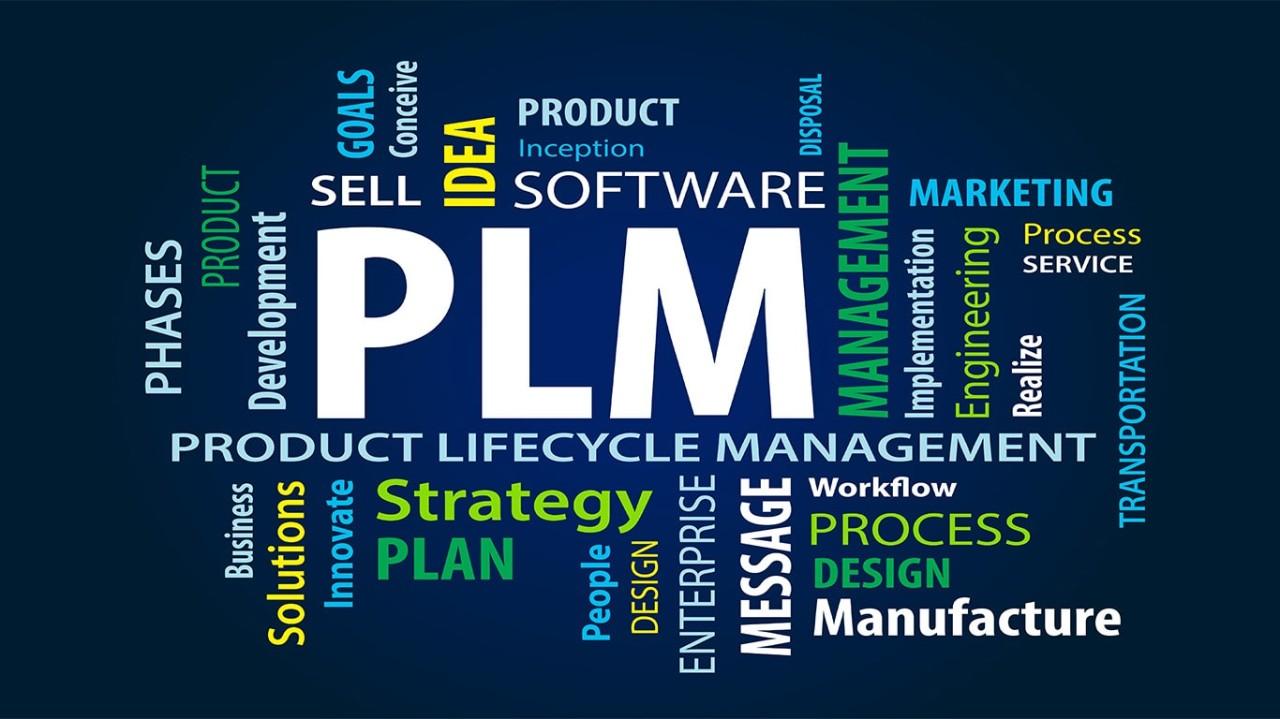
Product Lifecycle Management (PLM) is a business strategy and software system designed to manage the entire lifecycle of a product. It ensures the organization, monitoring, and optimization of data and processes across every stage—from product design and manufacturing to distribution, usage, and final recycling. PLM is a critical management tool that enhances the efficiency of product development, production, and operational processes, particularly in large organizations. Key Components of PLM P
EN
İsmail Yaslan
Vast Data
VAST Data is a unified data infrastructure platform designed for artificial intelligence (AI), high-performance computing, and enterprise data management. Founded in 2016, the company is headquartered in New York, USA. VAST Data has developed a new infrastructure model that challenges traditional tiered storage architectures by managing all data types within a single tier, aiming to deliver high performance at low cost. This architecture is referred to as DASE (Disaggregated, Shared-Everything).
EN
Ömer Said Aydın
 HA
HAHAVELSAN FOCUS
ODAK, developed by HAVELSAN, is a domestic database management platform designed to meet the data management needs of public institutions and the financial sector. Built on open-source technologies, the system stands out for its high performance, security, and flexibility. ODAK provides a reliable infrastructure for critical data management, particularly in backup, replication, and disaster recovery processes. Technical Features ODAK is designed to work seamlessly with open-source database softw
EN
Ayşenur Yazıcı
Database Optimization Techniques
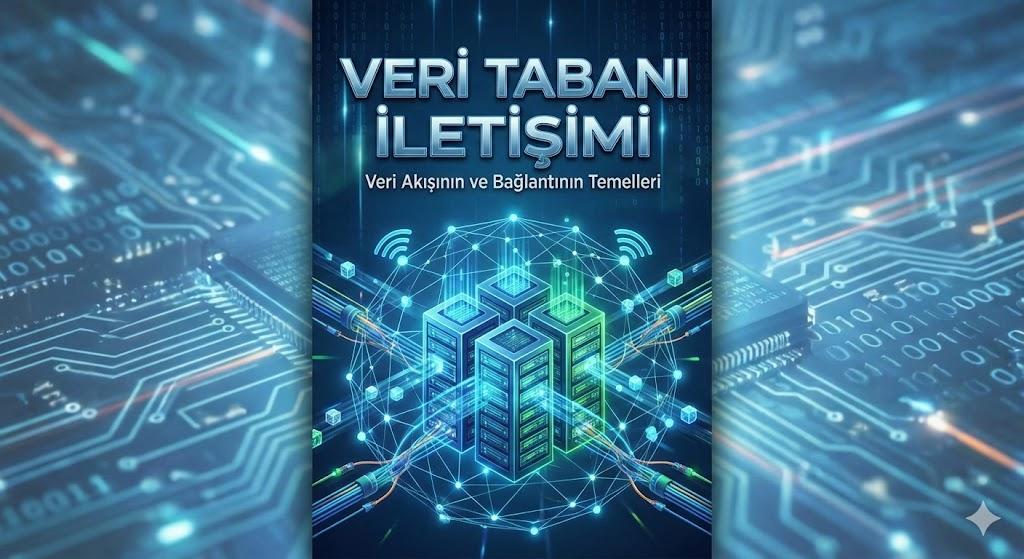
Database optimization techniques refer to a set of methods developed to ensure that queries in database management systems (DBMS) are executed at the lowest possible cost and in the shortest time. These techniques aim to reduce performance metrics such as query processing time input/output (I/O) costs memory usage and communication costs. The optimization process is regarded as a fundamental component that directly affects system efficiency particularly in centralized and distributed database sy
EN
Kayra Enes Şimşek

Cloud Technologies
Cloud Computing is a computing model that enables the storage of data, documents, software, and applications on a virtual repository hosted on the internet and provides online access to this content. This model features a relatively simple management structure that allows users to share server resources. Cloud technology, which is based on the sharing of software and information from central sources, encompasses all services that facilitate the distribution of shared information across computing
EN
Zelal Çakar
OnOntology-Based Data Access (OBDA)
Ontology-Based Data Access (OBDA) is a semantic web-based data management approach aimed at making heterogeneous and dispersed data sources meaningful, accessible, and interoperable. The OBDA model enables users to perform high-level queries without needing to understand technical details, by allowing definitions to be made at a conceptual level. This provides advantages in terms of data integration, accessibility, and reusability. OBDA systems generally consist of three core components: an onto
EN
Ahmet Burak Taner
T3T3 Podcast | Digitalization Is Not an End, But a Means - İsmail Doğan
Misconceptions About Digital Transformation and a Correct Vision In this episode of the T3 Podcast, we welcome İsmail Doğan, former director of TÜBİTAK TÜSSİDE. The podcast offers a comprehensive assessment of the correct understanding of digital transformation, its focal points, data management, competition, and its contributions to the National Technology Initiative. Conceptual Framework of Digital Transformation and Key Distinctions İsmail Doğan highlights the common confusion between "digiti
EN
T3 Akademi