

`cultural-symbol` Related Article Results

Sickle
Scythe is one of the oldest agricultural tools in human history. It emerged and evolved alongside the earliest settled agricultural communities. Although it has seemingly been replaced by modern combine harvesters and mechanized equipment today, it continues to persist in cultural symbols and traditional farming practices. History The scythe is among the earliest agricultural tools that appeared with the Neolithic Revolution. Artifacts dating back to 9000 BCE demonstrate that early humans develo
EN
Yusuf İslam Tuğla

Sinop Kotrası
Sinop kota is a traditional wooden ship model unique to Sinop on the Black Sea coast. It was first produced in the 1950s inside the Sinop Prison and gradually became widespread throughout the city. How Did It Emerge? -At one time, two individuals began making small ship models inside the prison to keep themselves occupied. -After their release, they stayed in Sinop and continued this craft. -They taught their apprentices, and over time, kota making became a symbol of Sinop. How Is It Made? -Hull
EN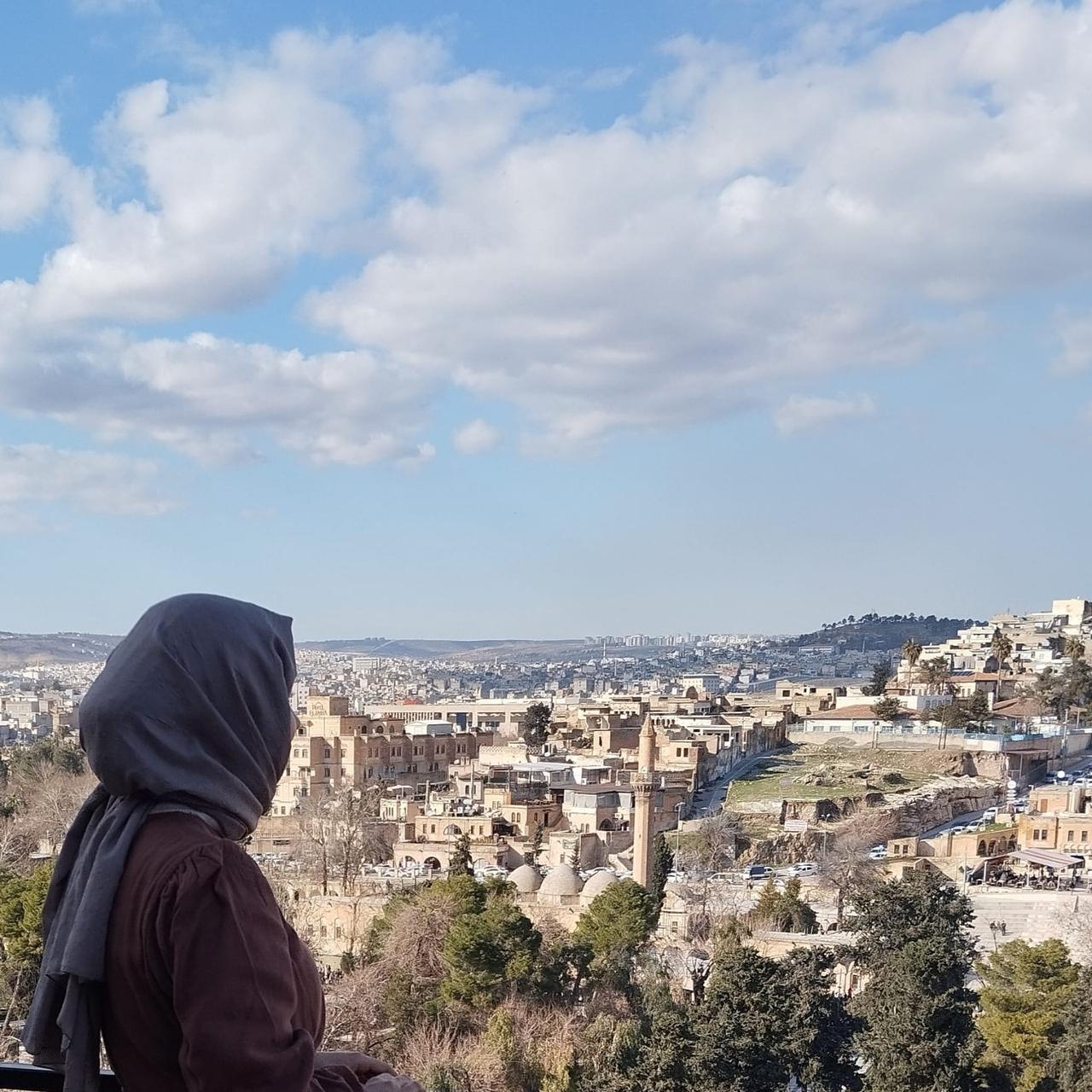
Sevgi Kıraç
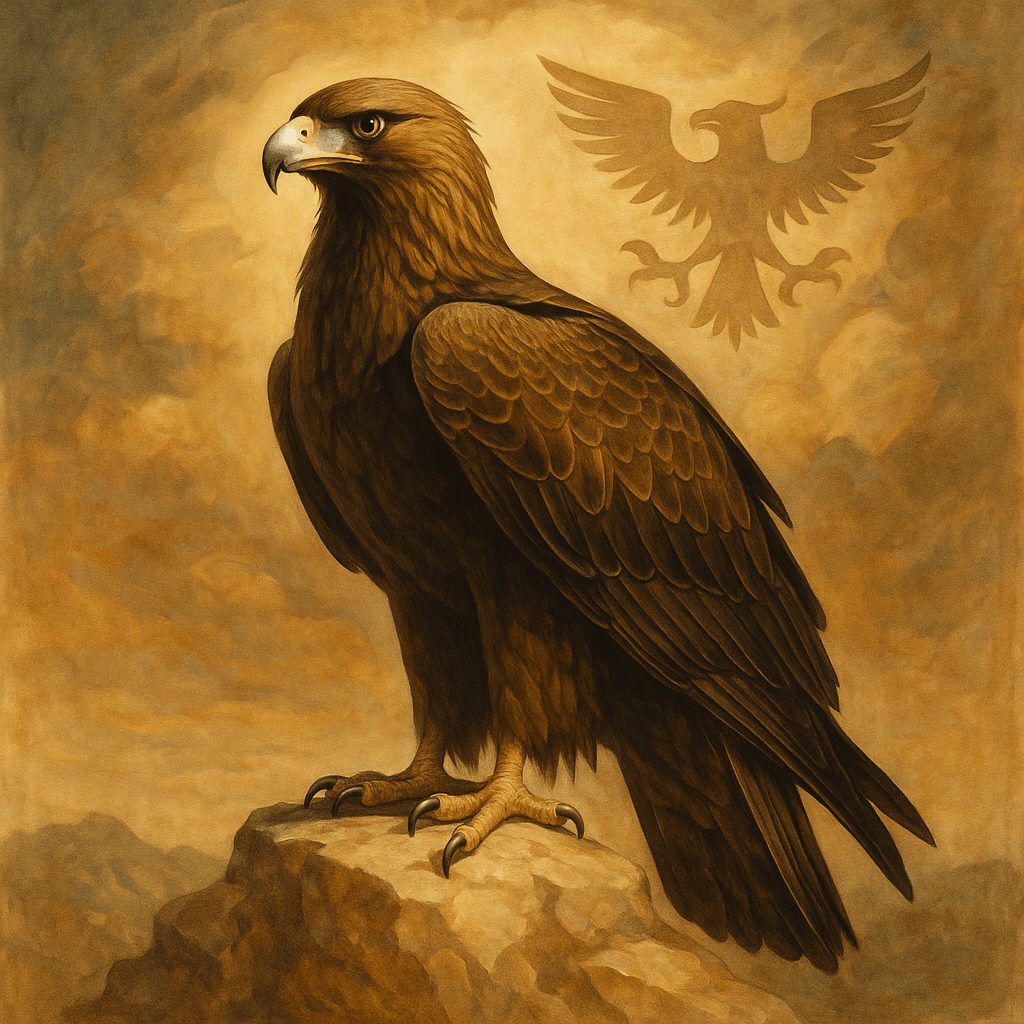
Bürküt in the Turkish World
Bürküt is a sacred bird of prey that holds significant historical, cultural, and mythological dimensions in the Turkic world. In the belief systems of the Kazakh, Kyrgyz, Karakalpak, and Altai Turkic peoples, this figure occupies a special place not merely as a hunting animal but as a symbol of protection, celestial power, and ancestral memory. The image of the bürküt, shaped in the steppes of Central Asia, has exerted influence across a broad spectrum—from folk narratives and architecture to me
EN
Neriman Çalışkan
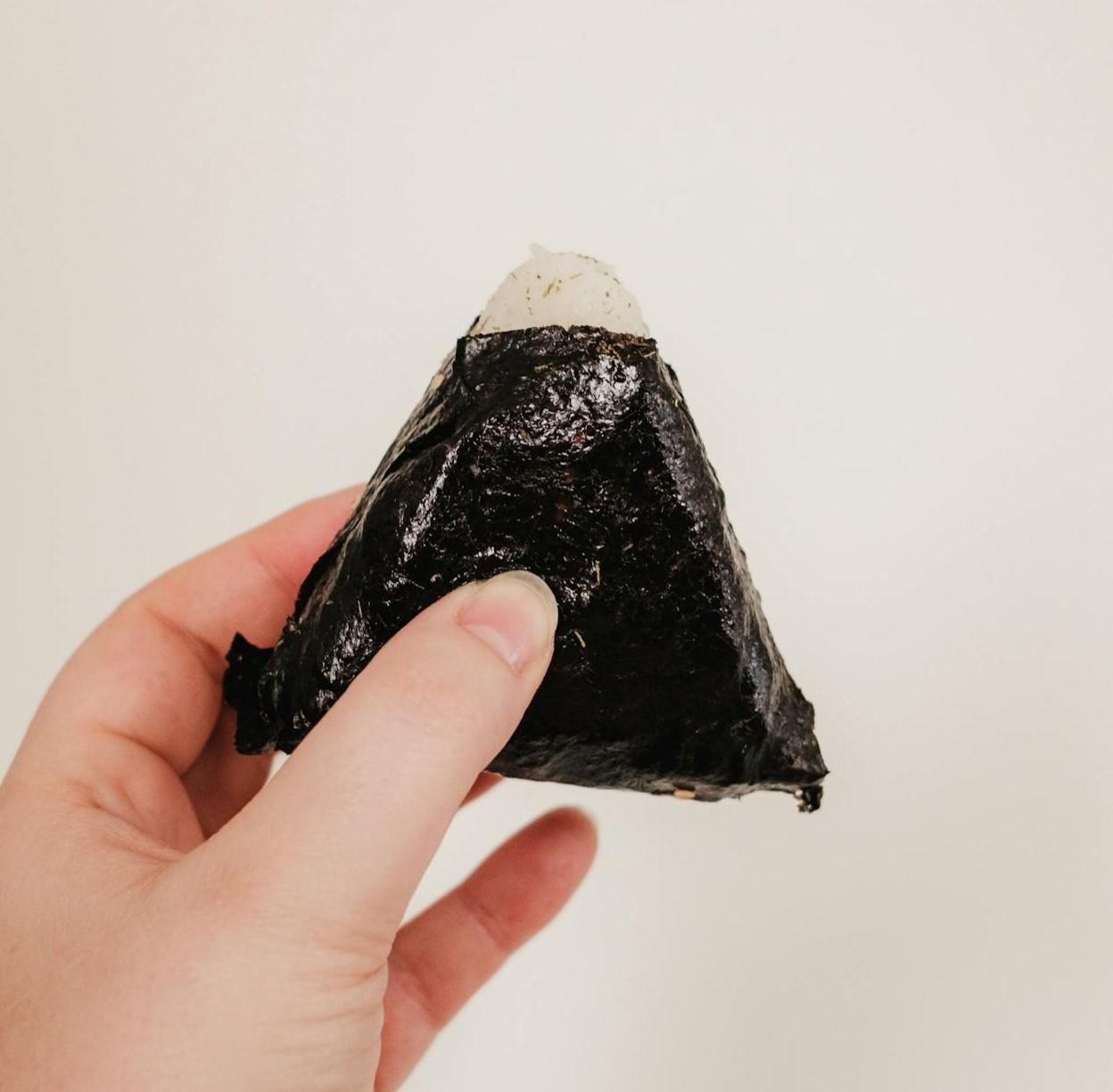
Onigiri
Onigiri is a Japanese rice ball prepared using one of the staple ingredients of Japanese cuisine—rice. Typically shaped into triangles or rounds, onigiri can be filled with various ingredients or wrapped in seaweed (nori). In Japan, it plays a central role in both traditional home-cooked meals and convenience foods. Due to their small size, portability, and wide availability, onigiri are regarded as a “practical snack” throughout the country. History The historical origins of onigiri date back a
EN
Ömer Faruk Bilcan
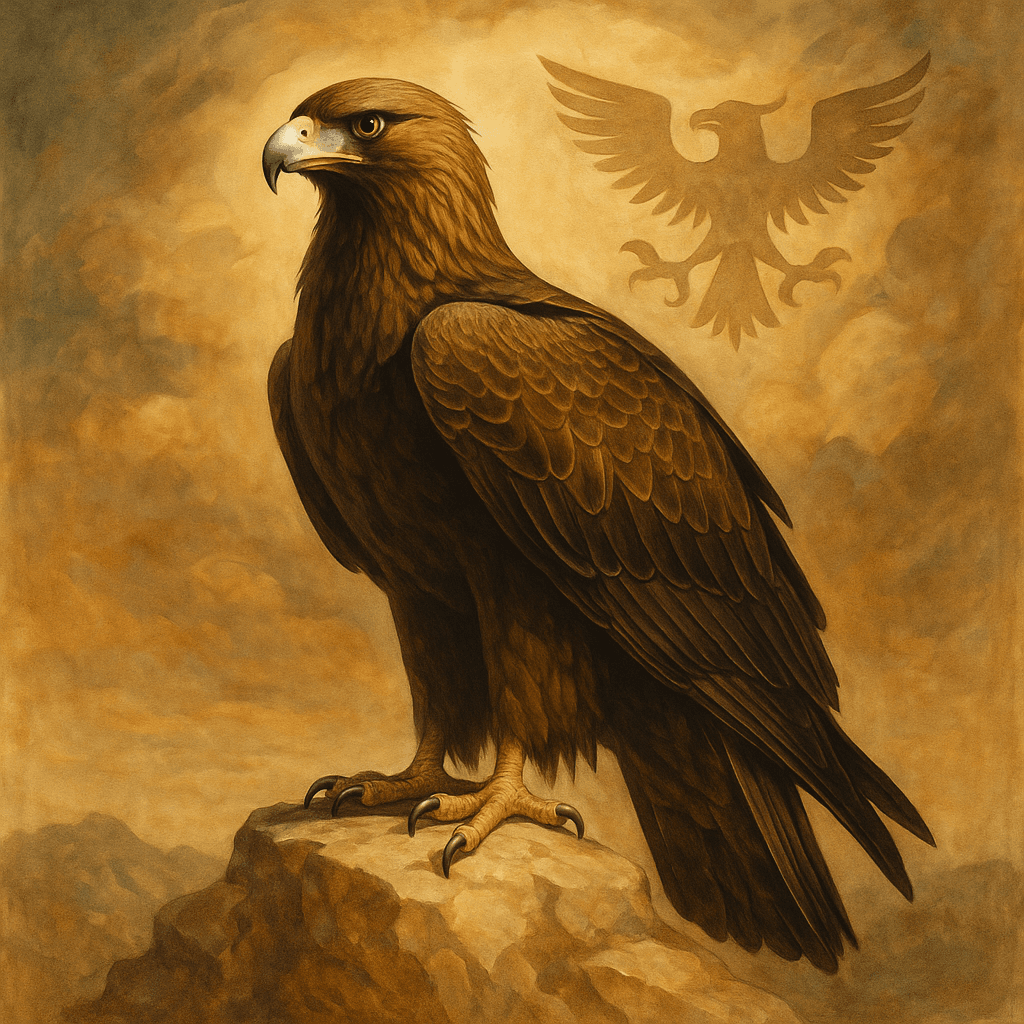
The Eagle in the Turkic World
Bürküt is a sacred bird of prey that holds significant historical, cultural, and mythological dimensions in the Turkic world. In the belief systems of the Kazakh, Kyrgyz, Karakalpak and Altai Turks, this figure occupies a special place not merely as a hunting animal but as a symbol of protection, celestial power and ancestral memory. The image of the bürküt, shaped in the steppes of Central Asia, has exerted influence across a broad spectrum ranging from folk narratives to architecture, from med
EN
Neriman Çalışkan