

`cultural-anthropology` Related Article Results
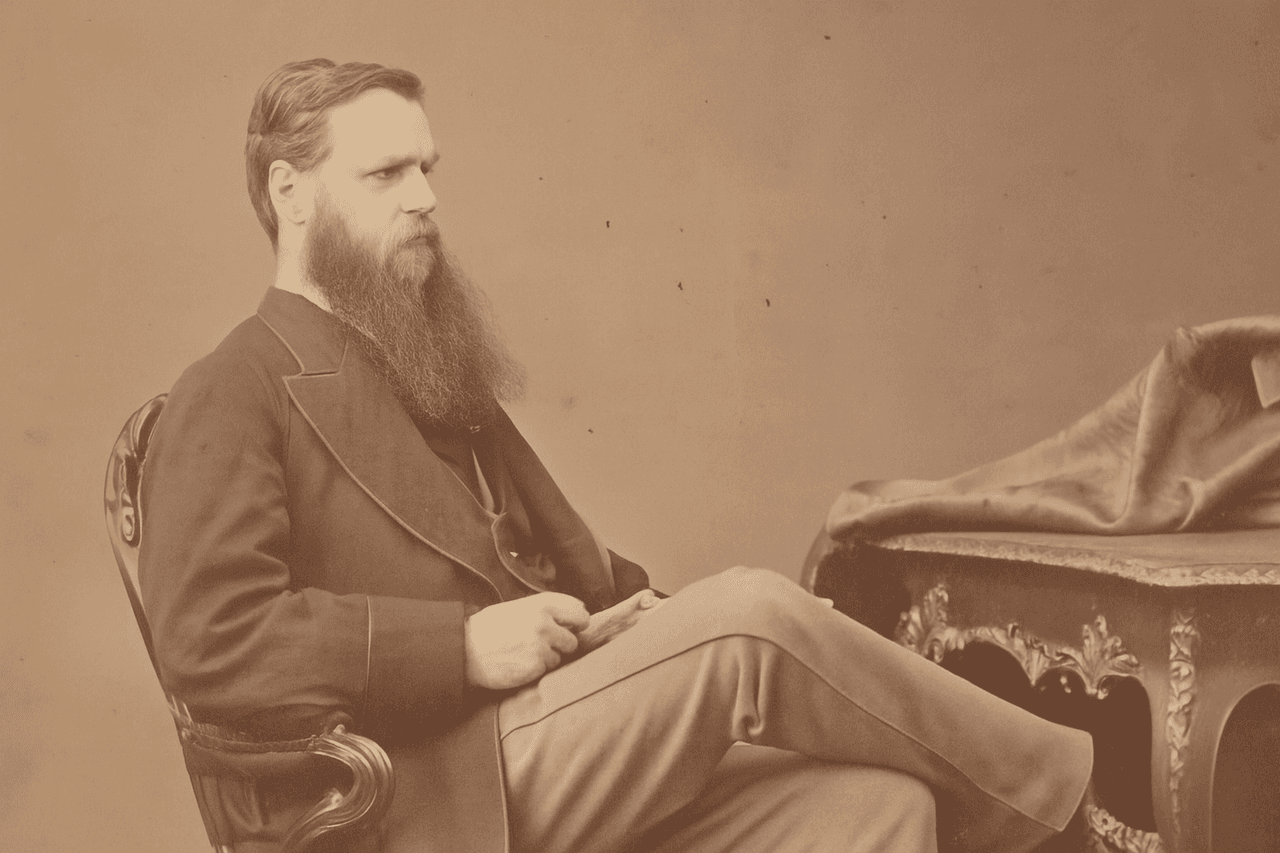
Edward Burnett Tylor
Sir Edward Burnett Tylor (2 October 1832, Camberwell, London – 2 January 1917, Wellington, Somerset) was an English anthropologist, ethnologist, and folklorist and is regarded as one of the founders of modern anthropology. Best known for his work Primitive Culture (1871), Tylor systematically defined the concept of culture within a scientific framework and helped shape anthropology as an academic discipline. Referred to as the “father of anthropology,” Tylor is recognized for his pioneering cont
EN
Elif Laçin
 Cr
CrCriminal Anthropology
Criminal Anthropology is a subfield of anthropology that examines the origins of crime and criminal behavior within social, cultural, biological and evolutionary contexts. From an anthropological perspective, crime is not merely seen as individuals violating social norms but as a complex phenomenon shaped by the individual’s environment, genetic structure and cultural codes. This field argues that criminality cannot be explained solely by socioeconomic factors but is also linked to evolutionary
EN
Hüseyin Karaaslan

Liminality
Liminality; a term used across multiple disciplines including anthropology, sociology, literature, and translation studies, to describe the state of ambiguity, uncertainty, and in-betweenness experienced by individuals, groups, or societies during transitions from one condition or social position to another.【1】 The concept originates from the work of French ethnographer Arnold van Gennep, Rites de Passage, and was expanded by British cultural anthropologist Victor Turner; it represents an unstab
EN
Kadriye Beyza Kirenci

Modern Myths
Modern Myths, despite the Enlightenment’s rationalist worldview and the dominance of the positivist paradigm, refer to the new forms and secular sacralities that mythic thought has assumed in contemporary society.【1】 Traditionally defined, myth encompasses sacred narratives such as folk tales and creation stories, but at its core it is a philosophy and mode of thought belonging to every era of human existence. The fundamental function of myths is to impose order on complex experiences, knowledge
EN
Büşra Tuğa
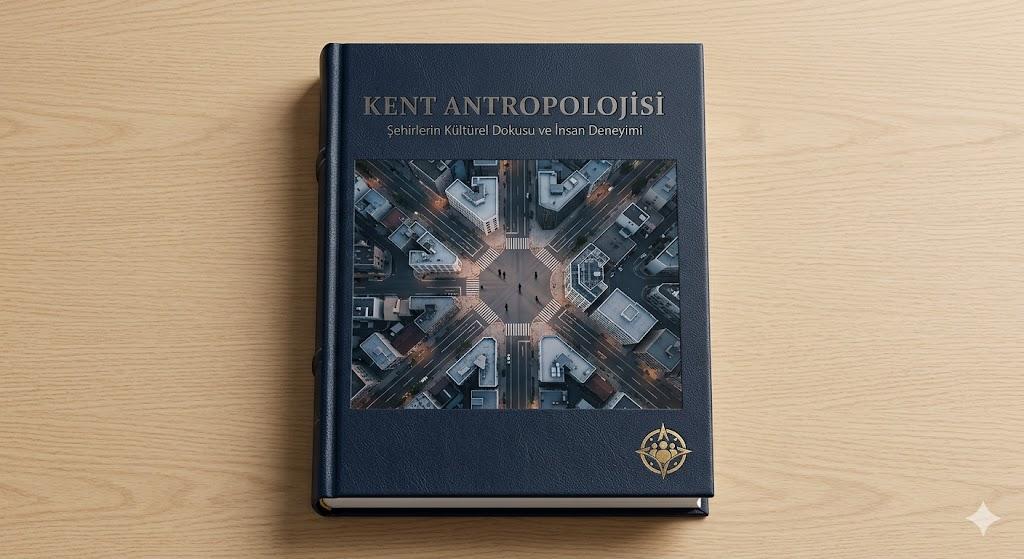
Urban Anthropology
Urban Anthropology is a subfield of socio-cultural anthropology that examines cultural systems in cities and their interactions at local, regional, and global scales.【1】 Unlike traditional anthropology, which focused on non-modern, primitive, or rural communities, this field centers on complex and industrialized urban structures. Urban anthropology views the city not merely as a physical settlement but as a dynamic habitat where social processes, spatial forms, and ideological representations ar
ENBüşra Tuğa
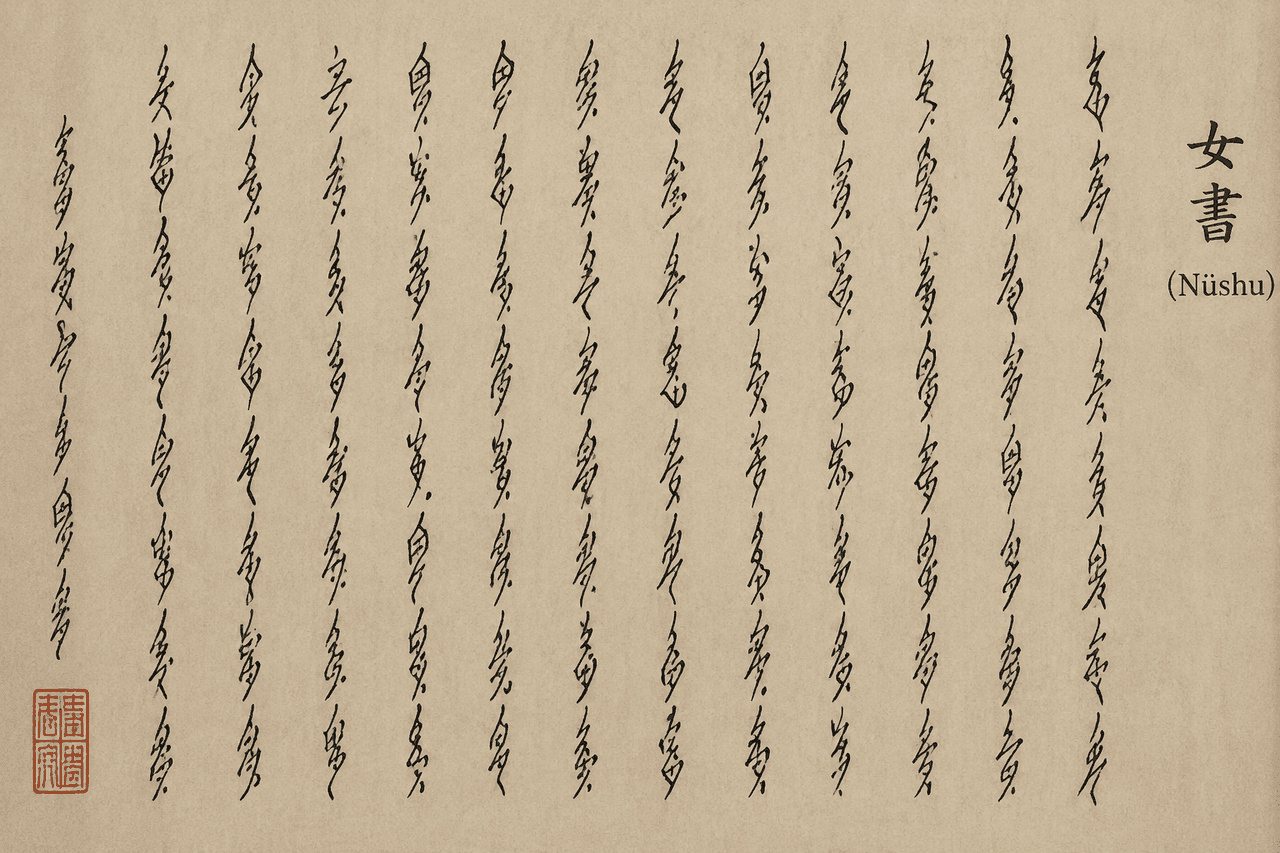
Nüshu
Nüshu (Chinese: 女书) is the only unique writing system in the world that has remained exclusively female. It was developed and used for centuries by women in the rural areas of Jiangyong County in Hunan Province, China. The term literally means "women's script." This system was first introduced to the academic world in 1982 by scholar Gong Zhebing during his research on the Yao ethnic group.【1】 In scholarly literature, Nüshu is described by its uniqueness, mystery, locality, and richness. It deve
EN
Nursena Şahin