

`crusades` Related Article Results
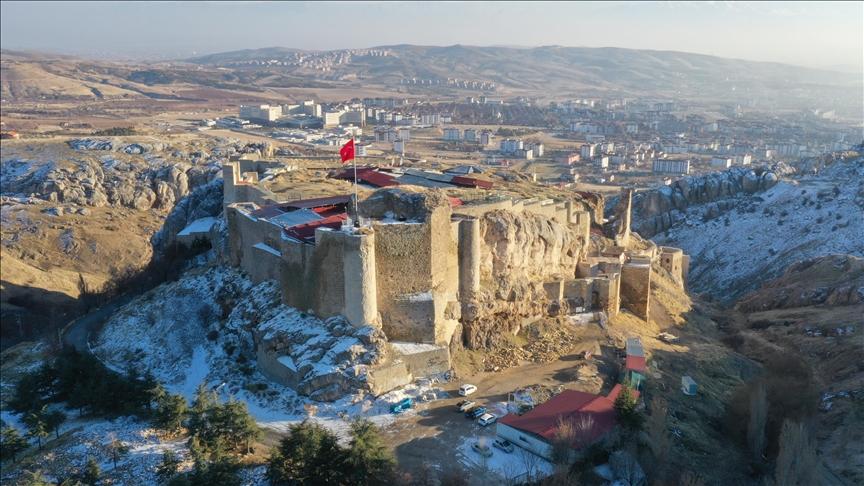
Harput Castle (Süt Castle)
Harput Castle was constructed in the 8th century BCE by the Urartians and is regarded as one of the oldest and most significant historical remnants in the region. The castle derives its name from “Harput,” which means “Stone Castle,” referring to its robust and durable stonework. The castle consists of two main sections: the inner citadel and the outer walls. The inner citadel served a more central and defensive purpose, while the outer walls formed protective barriers surrounding the city. Oute
EN
Miray GÜR
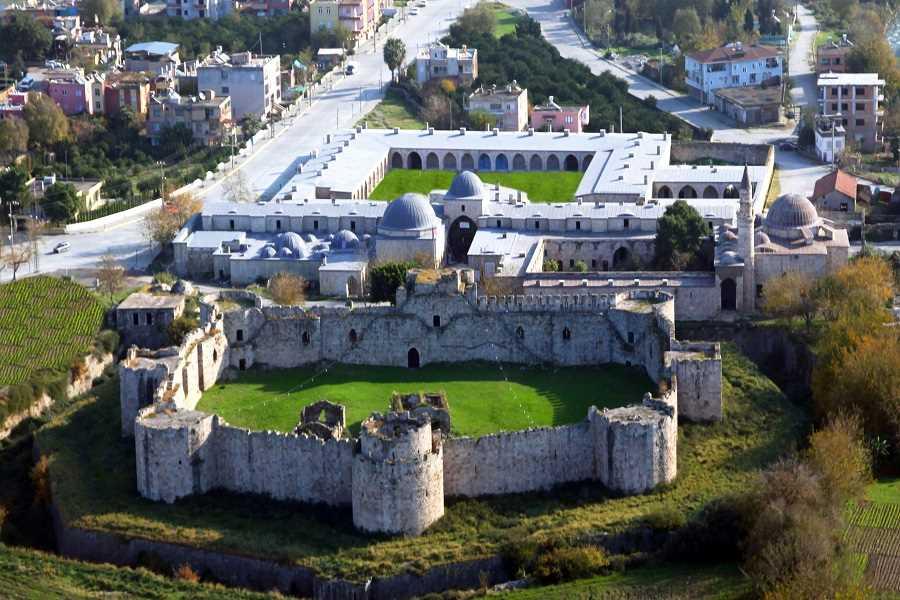
Payas Castle
Payas Castle is located approximately 700 metres from the sea coast, to the west of the Sokollu Mehmet Pasha Külliyesi, in the Payas district of Hatay province. The castle, surrounded by a moat, features eight towers and exhibits a defensive structure. Physically, it is situated symmetrically opposite the caravanserai on the eastern wing of the külliye, thereby contributing a balanced element to the architectural unity. When considered together with the külliye, it becomes evident that Mimar Sin
EN
Bilge Öztürk
 Ra
RaRavanda Castle
Ravanda Castle is located near the village of Belenözü in the Polateli district of Kilis, on a rocky and conical hill dominating the Afrin River valley. The castle contains east-west oriented walls, angular and round bastions, an inner courtyard, palace ruins, and large cisterns. The castle was built by carving into the pointed peak of the mountain and has a wide field of view. Historical Development The first concrete information about the history of Ravanda Castle dates back to the year 1097,
EN
Sinem Bostan
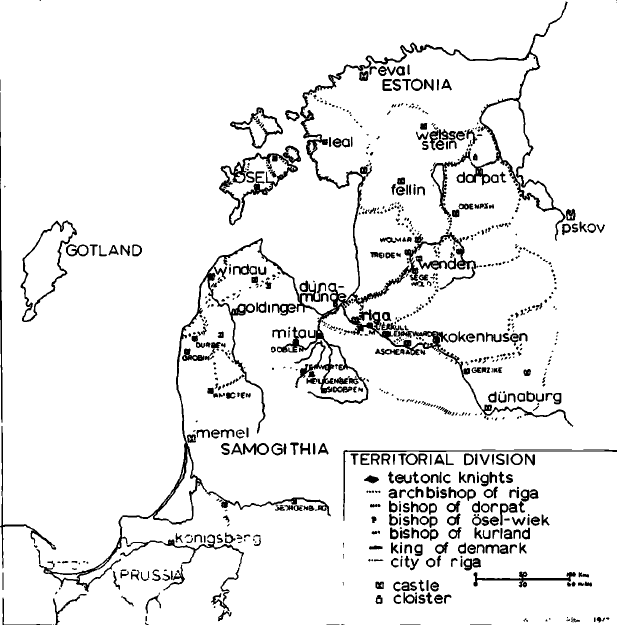
Battle of Lihula
The Battle of Lihula was one of the focal points of the military, religious, and political struggles that persisted in the eastern shores of the Baltic Sea during the first quarter of the 13th century. This conflict was not merely a clash between the Kingdom of Sweden and local Estonian tribes but is also regarded as part of the broader Crusades waged by the Latin Christian world against peoples deemed pagan. The battle, which took place in 1220, caused the settlement of Lihula to rapidly become
EN
Onur Çolak
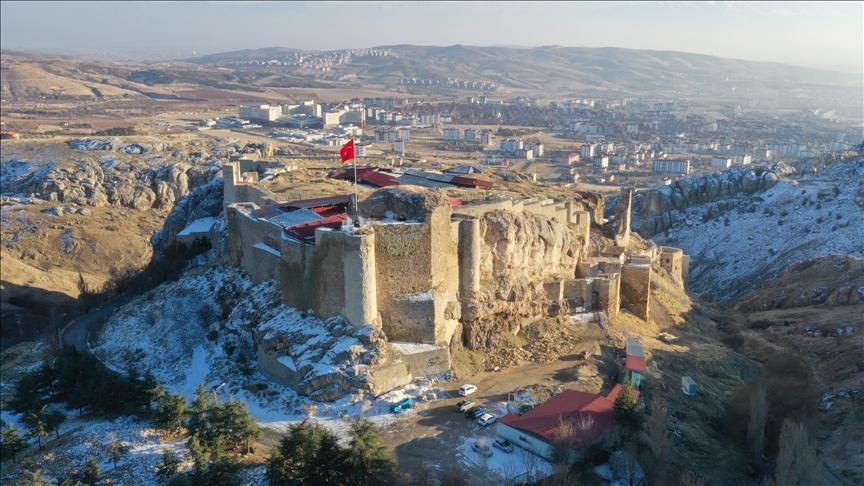
Harput Castle (Süt Castle)
Harput Kalesi was constructed in the 8th century BCE by the Urartians. It is regarded as one of the oldest and most significant historical remnants in the region. The fortress derives its name from Harput, which means “Stone Castle,” referring to the robust and durable stonework of its construction. The fortress consists of two main sections: the inner citadel and the outer walls. The inner citadel was more central and primarily defensive in function, while the outer walls represented the protec
EN
Miray GÜR

England
England is the largest of the four principal founding countries of the United Kingdom and an island nation located in the northwestern part of Europe. Situated between the Atlantic Ocean and the North Sea, and separated from the European mainland by the English Channel, the country is governed by a constitutional monarchy based on the principle of Parliamentary Sovereignty and lacks a single written constitution. The country has a competitive global structure and, according to International Mone
EN
Yaren Karadeniz

Levantines: A Confluence of East and West, and a Deep Historical Legacy
Levant, as a historical and geographical concept, refers to the countries along the eastern coast of the Mediterranean. This region is commonly defined as encompassing southern Türkiye, Syria, Lebanon, Israel, Palestine, Jordan, and sometimes Egypt. The term derives from the French word for “east,” reflecting a European-centric perspective that used it to describe the eastern part of the Mediterranean. Throughout history, this area, where trade routes intersected and cultural exchanges flourishe
EN
Ayşenur Bayraktar
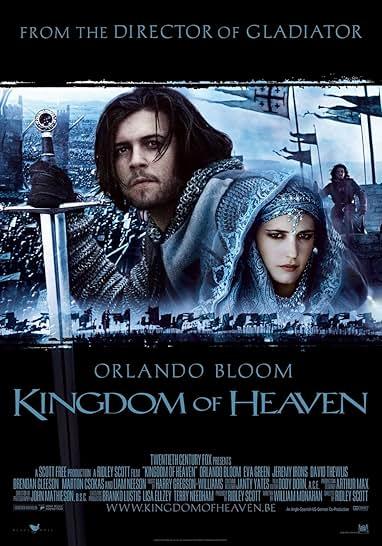
Kingdom of Heaven (Film)
Kingdom of Heaven (original title: Kingdom of Heaven) is an epic cinema film released in 2005, directed by Ridley Scott, and belonging to the historical, action, war, and drama genres. The screenplay, written by William Monahan, is set during the 12th-century Crusades and centers on the defense of the Kingdom of Jerusalem against the Muslim commander Saladin. The film intertwines the fictional story of Balian of Ibelin with elements of history, action, and drama. Plot and Themes The film follows
EN
Meryem Beyza Utkulu
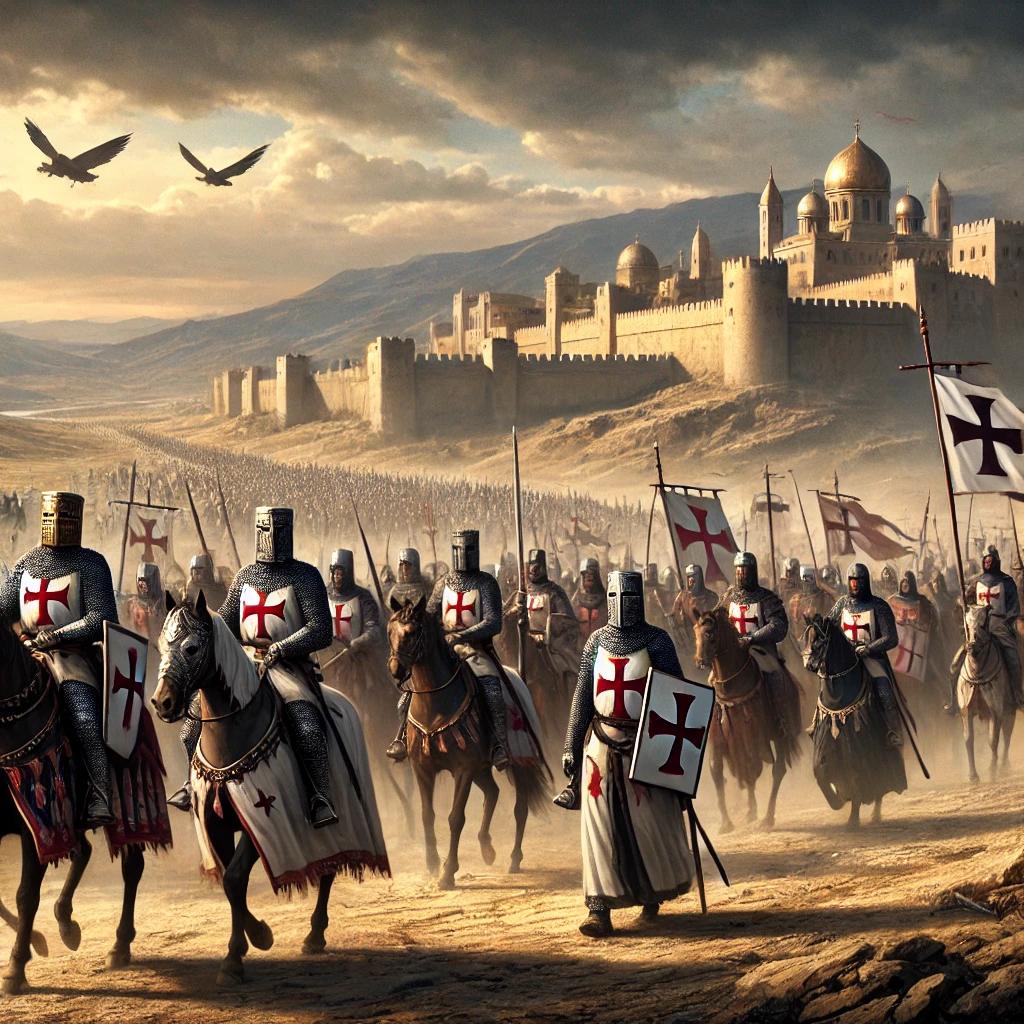
Benefits of the Crusades: A Historical Turning Point from the Perspective of the Islamic World
The Crusades, frequently encountered in historical narratives, have left deep imprints not only through bloody wars and occupations but also through their profound social, political, and cultural impacts. These movements, commonly known in the Western world as military campaigns aimed at reclaiming the Holy Land (Jerusalem and its surroundings), also brought significant consequences for the Islamic world. In this article, we will focus on the often-overlooked yet critically important “unity effe
EN
Mustafa Cem İnci
KiKingdom of France
The Kingdom of France was a monarchy that endured from the early Middle Ages until the late 18th century in Western Europe, with its origins tracing back to the Merovingian and Carolingian dynasties, and whose political and cultural influence was felt across Europe. The balance between feudal structures and centralized monarchy shaped France’s political development. The kingdom played a broad role in shaping the balance of power in Europe, from the Crusades to alliances with the Ottoman Empire,
EN
Neriman Çalışkan