

`criticism` Related Article Results
 Mü
MüMünekkit
Origin Münekkit is derived from the Arabic root nqd (نقد) and entered Turkish as munaqqid (منقّد). The word originates from the Arabic verb root meaning “to critique” or “to distinguish between good and bad” and denotes a person who critiques or evaluates. Areas of Use Everyday Language: Used to refer to individuals who offer critical evaluations of a subject, event, or work. Literature: Preferred for describing individuals who study, interpret, and express critical opinions on literary works. A
EN
Fatmanur Mavibaş
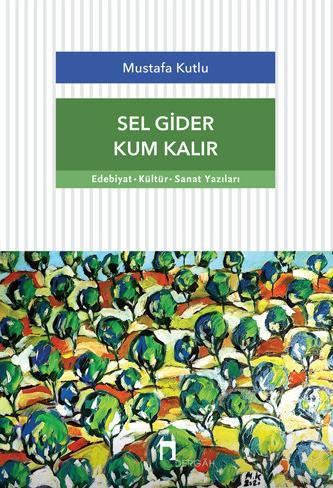
When the Foam Goes, the Sand Remains (Book)
When the Flood Subsides, the Sand Remains is a collection of critical texts and essays by Mustafa Kutlu, a prominent figure in Turkish literature. Published by Dergâh Yayınları in November 2022 as part of their Edebiyat Kültür Sanat Yazıları series, the book spans 260 pages. Here, Kutlu articulates his approach to literary works, the subjective nature of his criticism, and the reader’s experience using a literary language. Content and Structure The book compiles writings originally published in
EN
Muhammed Samed Acar
NeNew Criticism
New Criticism is a literary theory that emerged in the first half of the 20th century, particularly in the United States, and evaluates literary works within their own autonomous structure. This approach sets aside external factors such as historical context, the author’s biography, or reader responses, treating the text as a closed and unified whole. At the center of this theory lies the "close reading" method; it argues that the linguistic, formal, and aesthetic elements of a text must be exam
EN
Meryem Şentürk Çoban
CrCritical Edition (Critical Text/Authentication)
Critical Text Publication (Critical Edition or Tahqiq) is the process of scientifically comparing different manuscript versions of a work that have survived to the present day in order to reconstruct the version closest to the author’s original intent. This activity is known in Western philology as edition critique or textual criticism, and in the Islamic world as tahqiq. In Turkish, the term “critical publication” is most commonly used. The goal is to present the author’s text reliably to the r
ENMeryem Şentürk Çoban

Does a Call Come from the Grave?
I watched a film adapted from the novella "Bay Harrigan’s Telephone" in Stephen King’s collection titled "If It Bleeds". Although it falls within the horror, mystery, and thriller genres, the film fell far short of expectations. Unfortunately, for fans of horror and thrillers who enjoy sudden shocks, this production fails to meet even the most modest expectations. The lack of depth in the screenplay cannot be compensated for by the famous author or the cast. The plot centers on a young man named
EN
Gözde Cabadak

A Heavy Novel: The Struggle for Survival of Those Left on the Shore
Set aside the few works that claim to hold up a mirror to the society of “Old Türkiye.” We are far removed from the sterile worlds written in flawless Turkish, where characters suffer only existential anguish and intellectual crises. Unlike the familiar narratives that tell of daily worries, romantic love stories, and粉红色的友谊 as if they were fairy tales, this book is literally the street, the blood, and the struggle for survival itself! From Existential Anguish to Real Struggles The book draws us
EN
Aysel ASLAN
WhWhat the Days Brought - From Word to Word (Book)
Nurullah Ataç’s book Günlerin Getirdiği – Sözden Söze is one of the pioneering examples of the essay genre in Turkish literature. It consists of two separate parts, compiled and published by Work, Building Credit Yayınları: Günlerin Getirdiği (1946) and Sözden Söze (1952). This 269-page work contains 31 essays in the first part and 24 in the second. Thematic Content and Topics The main topics addressed in the work are literature, language, translation, ethics, poetry, writing language, classical
EN
Yusuf Bilal Akkaya
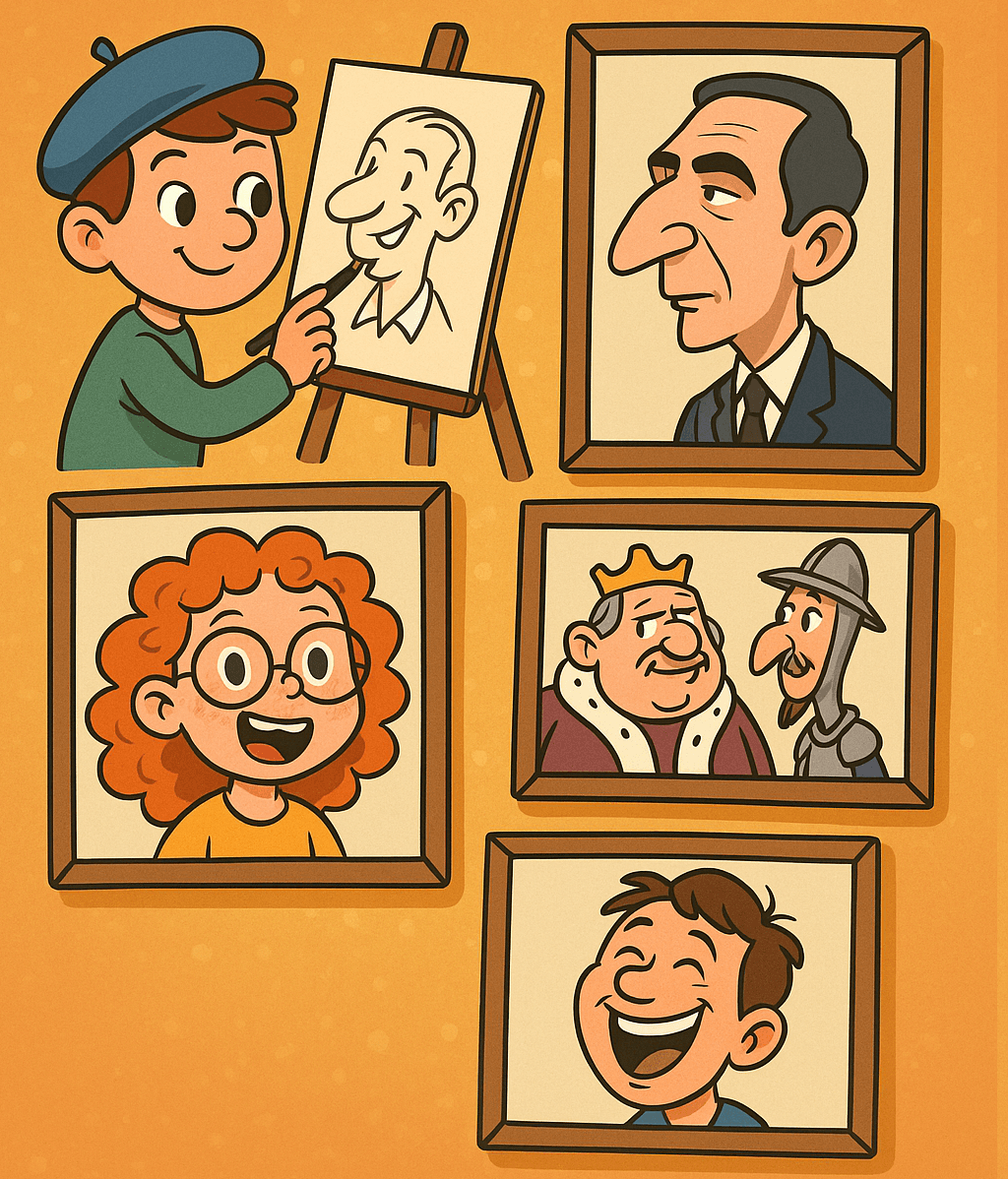
Cartoon
🖍️ What Is a Cartoon? A cartoon is a form of visual art that depicts a person an event or a situation in an exaggerated humorous and thought-provoking way. Its purpose is not only to make people laugh but also to make them think! What Is a Cartoon? (Generated by artificial intelligence.) 😊 Why Is It Funny? Cartoons typically make people laugh through exaggerated drawings such as large noses huge eyes and tiny bodies combined with funny dialogue or unusual situations. Why Is a Cartoon Funny? (G
EN
Veli Orhun Seyhan
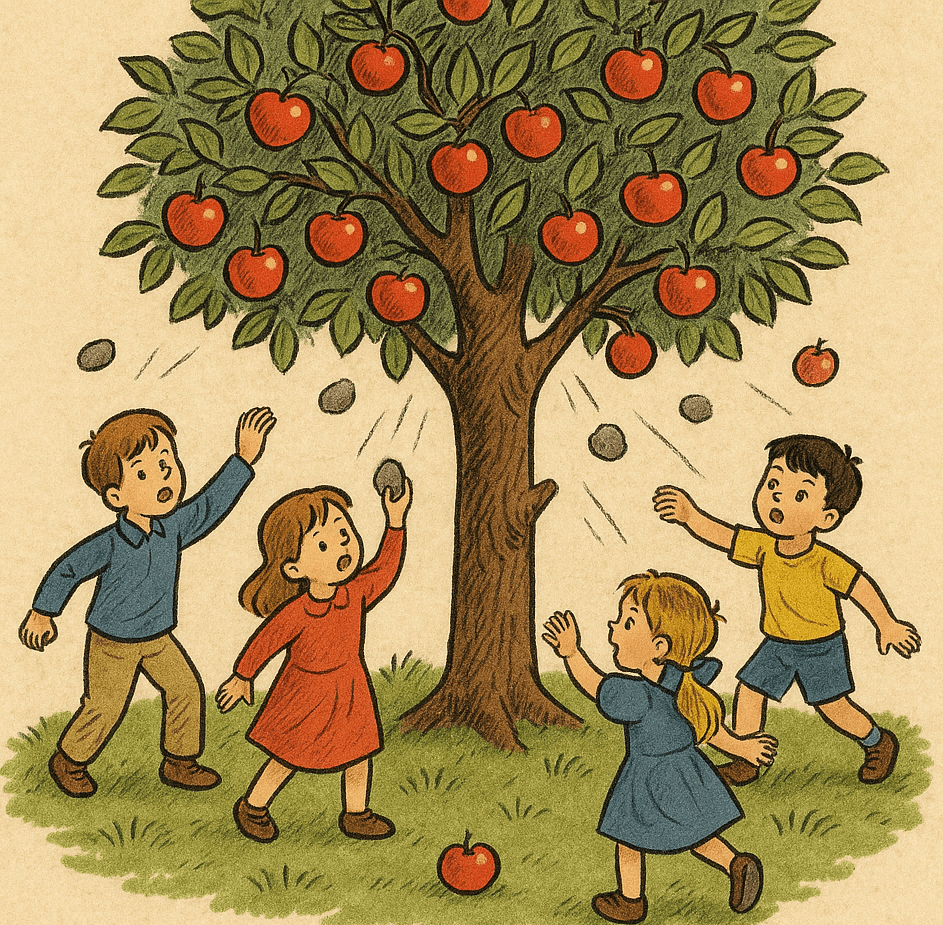
Fruit-bearing trees are stoned.
Successful and beneficial individuals are noticed by those around them because of their actions. Sometimes this leads to negative reactions from certain people. The proverb “Meyve veren ağaç taşlanır” is used to describe such situations. What Does This Proverb Mean? The proverb "Meyve veren ağaç taşlanır" means that talented or successful individuals may be envied or obstructed by some people. Those who do valuable work or achieve success in society often face unfair reactions because they stand
EN
Zelal Çakar

Roland Barthes
Roland Barthes (1915–1980) is a major figure in 20th-century literary and cultural theory, recognized as a French thinker, literary theorist, semiotician, and critic. Youth and Education Barthes was born in 1915. During his youth he faced health problems; during World War II he was treated for tuberculosis in a sanatorium from 1942 to 1945. This experience profoundly shaped his intellectual development and directed him toward a life of writing. In his academic years he focused on classical philo
ENMeryem Şentürk Çoban