

`critical-infrastructure` Related Article Results

Y2K Problem
The Y2K problem emerged as a technical issue arising from the practice of storing date information in computer systems using only two-digit numbers, particularly toward the end of the 20th century. This issue concerned the inability of computer systems to correctly calculate dates during the transition to the year 2000. Y2K stands for "Year 2000" and because dates were stored as two-digit numbers, the year 2000 could be misinterpreted as 1900. This situation could have led to potentially major e
EN
Sümeyye Akkanat Terzioğlu

TOLGA Drone Defense System (DDS)
Developed by Machine and Chemical Industry Inc. (MKE), the TOLGA Drone Defense System (DSS) is an integrated, multi-layered defense solution designed to counter today’s rapidly evolving drone threats. The system aims to protect both civilian and military critical infrastructure against autonomous drone attacks. Key Features The TOLGA DSS features a modular architecture that combines various technologies to neutralize drone threats. These capabilities encompass the processes of detection, trackin
EN
Faruk Suvay

Stuxnet Attack: The Beginning of a New Era in Cybersecurity
Today, cyber security threats are becoming increasingly complex and targeted. In this context, the malware discovered in 2010 and named Stuxnet holds significant importance as the first advanced cyber weapon specifically designed to target industrial control systems (ICS). Stuxnet was developed specifically against Iran’s nuclear program and represents a unique example of an attack capable of causing physical damage to infrastructure. This article will examine in detail the technical structure,
EN
Oğuzhan Yetimhellaç
 Cy
CyCyber Warfare
Cyber warfare refers to war actions conducted between states or groups through digital platforms and computer systems. These wars are carried out through cyber attacks targeting digital infrastructures to achieve military, diplomatic, economic, and social objectives. Unlike traditional warfare methods, cyber warfare occurs in a digital environment through attacks based on information, communication, and technology rather than direct physical confrontation. The word "cyber" derives from the Greek
EN
Ahsen Buyurkan
CyCyber Security Law
Cybersecurity Law is a legislative measure enacted to protect Türkiye’s digital infrastructure, enhance the security of critical systems, and implement active measures against cyber threats. It was adopted by a vote in the Grand National Assembly of Türkiye on 12 February 2025. Law aims to strengthen the national cyber security framework by encompassing both the public and private sectors under the coordination of the Cyber Incident Response Team (CIRT). (Cyber Security Bill Proposal was adopted
EN
Hamza Aktay

Digital Security of Critical Infrastructure
Critical infrastructure refers to the comprehensive set of physical and digital systems, assets, and networks that operate in mutual interdependence and are indispensable for a country’s economic stability, social order, public health, and national security. These infrastructures encompass essential service domains such as energy production and distribution facilities, water and waste management systems, transportation networks, healthcare providers, financial institutions, and communication inf
EN
Ömer Said Aydın
CoCold War
Siber warfare defines military actions conducted between states or groups via digital platforms and computer systems. These conflicts involve cyberattacks targeting digital infrastructure with the aim of achieving military, diplomatic, economic, and social objectives. Unlike traditional warfare methods, cyber warfare occurs in the digital domain through attacks based on information, communication, and technology rather than direct physical confrontation. The term “cyber” is derived from the Gree
ENAhsen Buyurkan
CyCyber Security Law
Cyber Security Law is a legislation enacted to protect Türkiye’s digital infrastructure enhance the security of critical systems and implement effective measures against cyber threats. It was adopted on 12 February 2025 through a vote in the Grand National Assembly of Türkiye. The Law aims to strengthen the national cyber security framework by encompassing both public and private sectors under the coordination of the National Cyber Incident Response Team (SOME). (Cyber Security Law Proposal adop
EN
Hamza Aktay
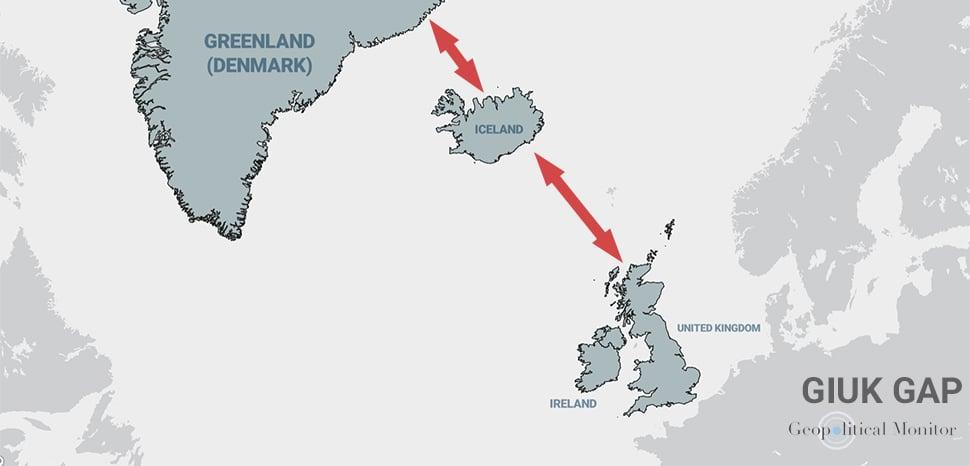
GIUK Gap
GIUK Gap (Greenland-Iceland-United Kingdom Passage), is a strategically significant maritime transit zone located in the North Atlantic Ocean that connects the Arctic Ocean to the Atlantic Ocean.【1】 Geostategic Location and Definition The GIUK Gap is a natural chokepoint and strategic passage encompassing the maritime areas between Greenland, Iceland and the United Kingdom. Although this passage covers a broader area than classic narrow straits such as Gibraltar or Hormuz Strait, it still consti
EN
Gözde Cabadak