

`crimea` Related Article Results
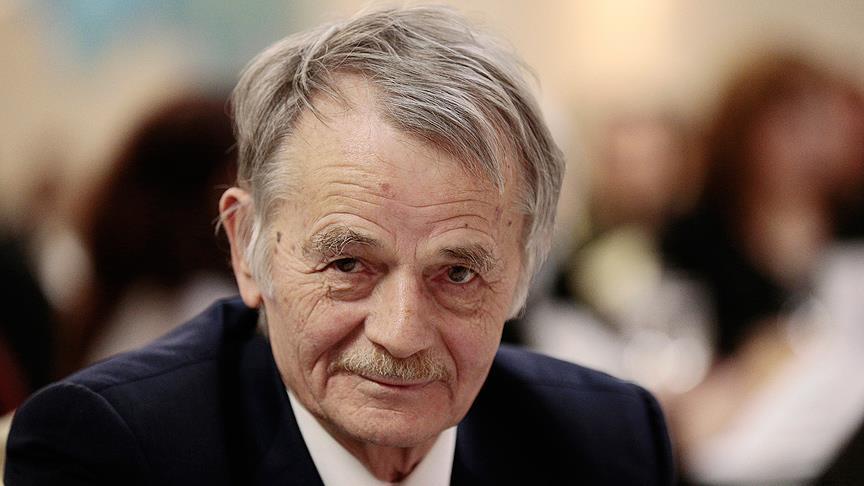
Mustafa Abdülcemil Kırımoğlu
Mustafa Abdülcemil Kırımoğlu (Crimean Tatar: Mustafa Abdülcemil Cemilev; Russian transliteration: Dzhemilev) was born on 13 November 1943 in the village of Moon-Serez (Bozköy), in the Sudak region of Crimea. He dedicated his entire life to the struggle for the return of the Crimean Tatar people to their ancestral lands, lost through deportation, and for the recognition of their fundamental human rights. (TRT Avaz) Family Origins and Childhood Mustafa Abdülcemil’s family belonged to the ancient d
EN
Duygu Şahinler
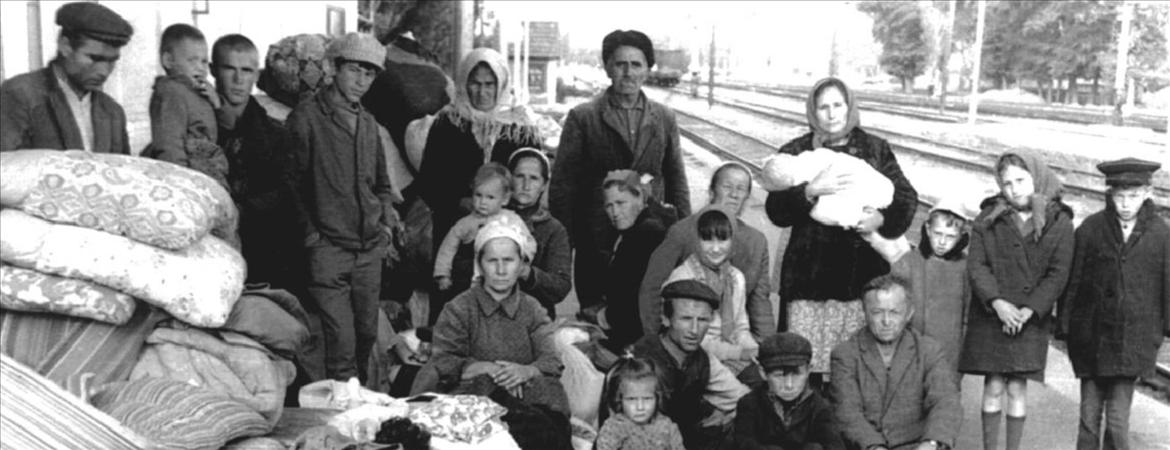
Deportation of the Crimean Tatars in 1944
The 1944 Crimean Tatar Deportation is the forced and sudden expulsion of the Crimean Tatar Turks from their homeland Crimea by the Soviet Union on 18 May 1944, due to their ethnic identity. They were deported en masse to various regions of Central Asia, primarily Uzbekistan. This deportation was carried out within the framework of the Soviet regime’s forced relocation policies targeting certain ethnic groups. It resulted in the deaths of tens of thousands, the severing of the Crimean Tatars from
ENDuygu Şahinler
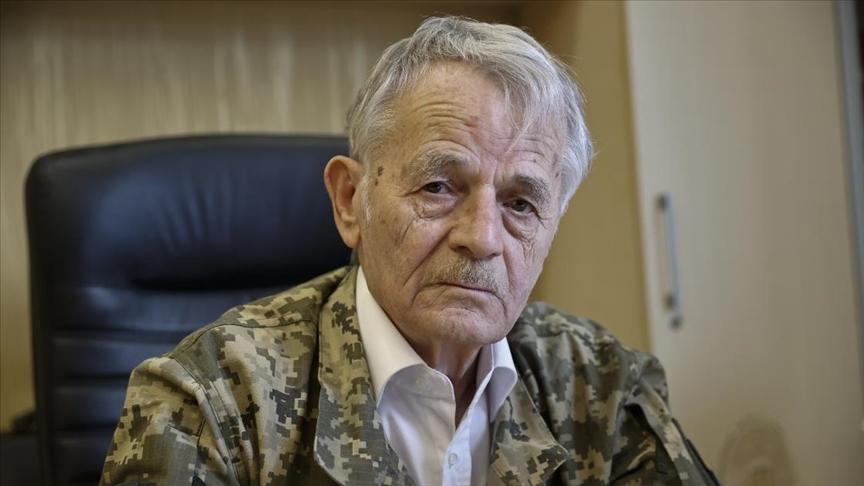
Mustafa Abdülcemil Kırımoğlu
Mustafa Abdülcemil Kırımoğlu was born in Crimea in 1943 and was deported with his family to Uzbekistan as an infant. From his youth onward, he fought for human rights, leading to multiple arrests during the Soviet era; he spent many years in prison, exile, and labor camps. Beginning in the 1980s, he became a leader of the Crimean Tatar National Movement, guiding his people’s return to their homeland. He has been a prominent political figure in Ukraine since being elected in March 1998 to the Ukr
EN
Duygu Şahinler
 Cr
CrCrimean Church
Kırım Kilisesi (also known as Christ Church or Crimean Memorial Church) is a place of worship located in the Beyoğlu district of Istanbul and affiliated with the Anglican Church. It is one of the first Anglican churches built in the Ottoman Empire and became a symbolic representation of Anglo-Ottoman relations during the second half of the nineteenth century. History The establishment of Kırım Kilisesi emerged as a consequence of the Ottoman–British alliance that became prominent in the nineteen
ENDuygu Şahinler
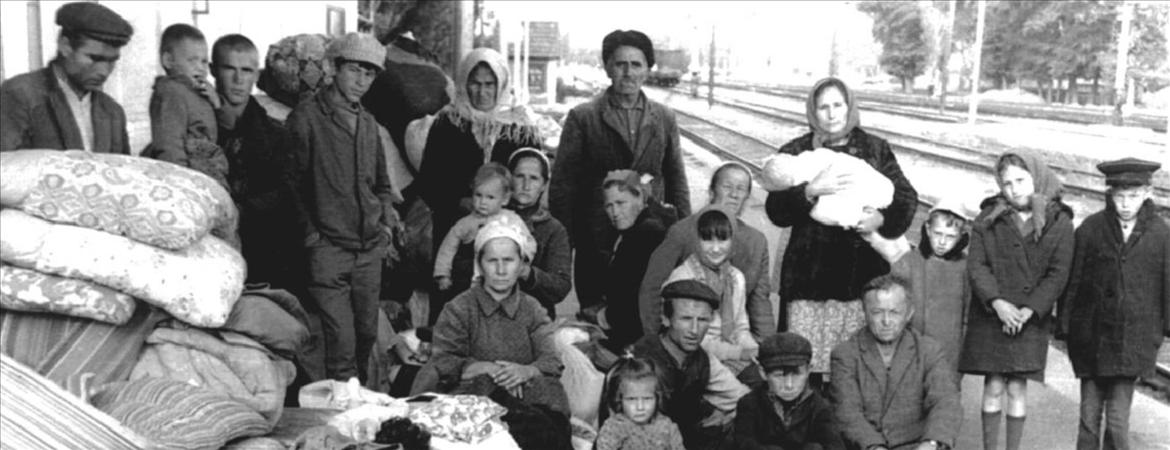
The Deportation of the Crimean Tatars in 1944
The 1944 Crimean Tatar Deportation is the event in which the Soviet Union forcibly and abruptly expelled the entire Crimean Tatar Turkish population from their homeland in Crimea, primarily to various regions of Central Asia including Uzbekistan, on 18 May 1944, on the grounds of their ethnic identity. This deportation was carried out within the framework of the Soviet regime’s forced relocation policies targeting certain ethnic groups; it resulted in the deaths of tens of thousands, the severin
ENDuygu Şahinler
Arabat Massacre
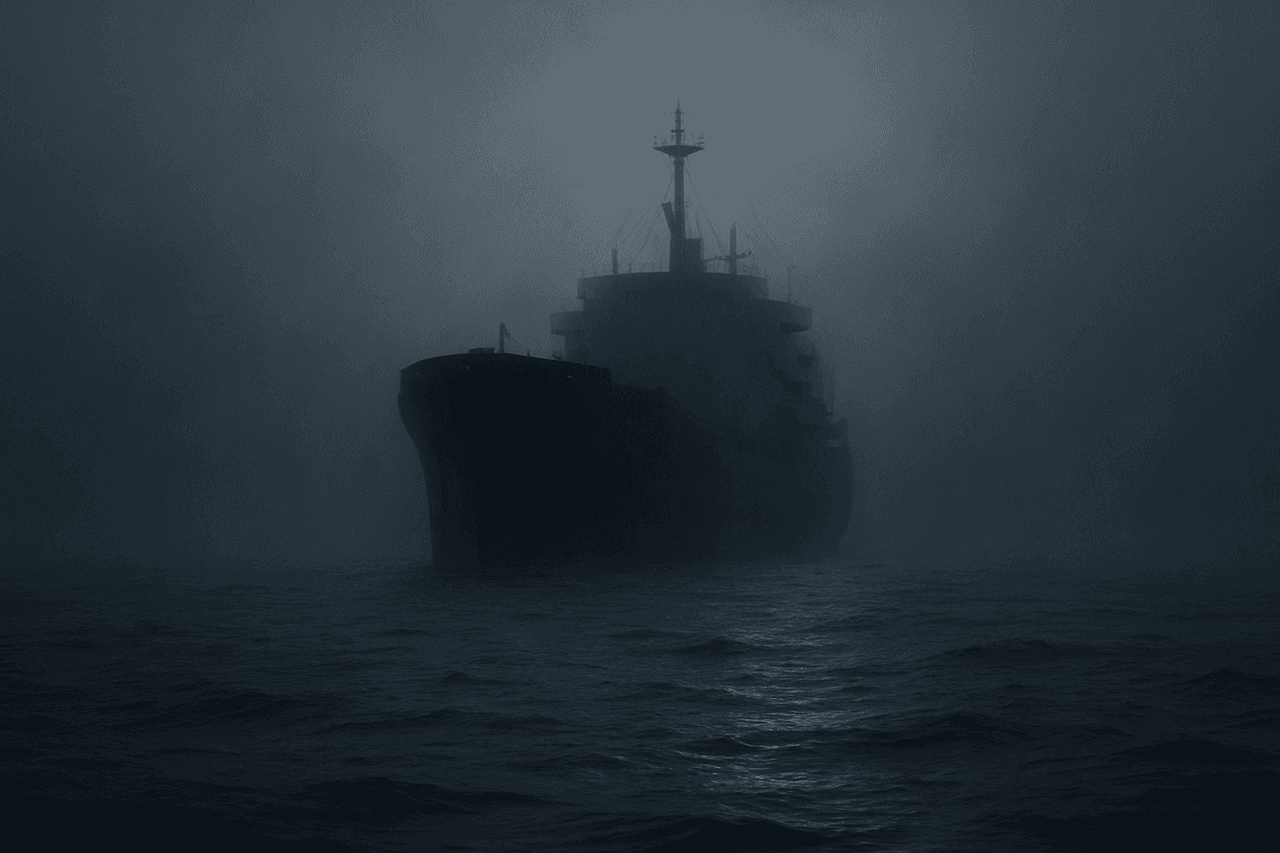
The Arabat Massacre is the event in which the Crimean Tatars living in the Arabat region were systematically killed by Soviet security forces during the Crimean Tatar deportation that began on 18 May 1944. The Turkish population residing in the village of Arabat, located between the Sea of Azov and Sivash, was overlooked during the deportation operation. Upon discovery of this oversight, all inhabitants of the village were loaded onto an old ship and deliberately sunk in the middle of the sea. N
EN
Yusuf Bilal Akkaya

Crimean Tatar National Anthem
The Crimean Tatar National Anthem is the poem “Ant Etkenmen”, written in 1917 by the poet, politician and short-lived first president of the Crimean People’s Republic, Numan Çelebi Cihan, expressing the Crimean Tatars’ national identity, historical events and struggle for freedom. The poem is one of the primary national symbols performed at official gatherings and public events within Crimean Tatar society. Crimean Tatar National Anthem Ant Etkenmen (Crimean Music l Qırım Muzıkası) Composition,
ENDuygu Şahinler

If a brief mention of Russia is necessary
The Russians first appeared on the historical stage in the 9th and 10th centuries, alongside the earliest East Slavic communities established around what is now Kiev. At that time, they had no distinct political unity and lived under the pressure of Turkic tribes migrating into Europe. According to historical sources, unable to establish a strong internal administration, the Russians invited one of the Scandinavian (likely Swedish) Viking leaders to rule over them. This event is generally regard
EN
Mustafa Cem İnci
Crimea An-26 Military Transport Aircraft Crash (2026)
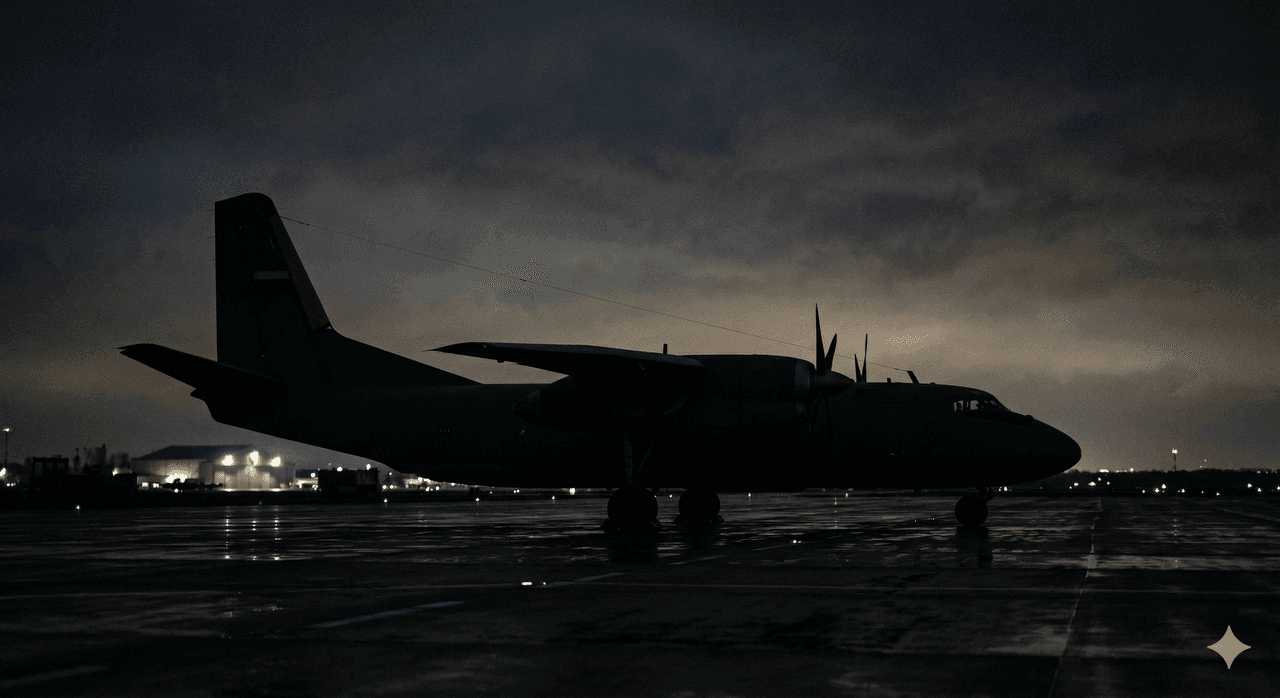
The Crimea An-26 Military Transport Aircraft Crash (2026) is an aviation accident that occurred on 31 March 2026 when contact was lost during a planned flight over the Crimean Peninsula, resulting in the deaths of all 29 people on board. Course of the Accident A Russian Antonov An-26 military transport aircraft lost contact with air traffic control at approximately 18:00 local time while conducting a planned flight over the Crimean Peninsula. Following the loss of contact, search and rescue oper
EN
Edanur Karakoç