

`creation` Related Article Results
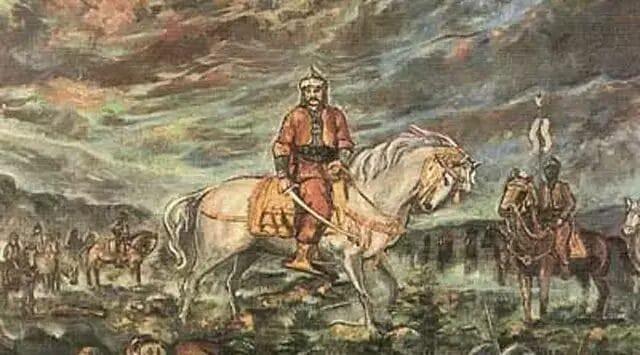
Turkish Creation Epic (Radloff Collection)
The Creation Epic is one of the oldest and most fundamental narratives in Turkic mythology. This oral tradition explains the creation of the universe, the origin of good and evil, and how cosmic order was established; it was collected among the Altai Turks in the 19th century by Wilhelm Radloff. The epic is not merely a mythological fiction but also a symbolic expression of the ancient Turkic belief systems and worldview. Mythological Context The Creation Epic was shaped particularly by shamanis
EN
Nursena Şahin

Cosmic Ash Mixture
Before the universe was even a thought, there was no time, no space. No light had fallen upon darkness, nor had darkness cast a shadow upon emptiness. In that indescribable silence between existence and nonexistence, only Brahman existed—formless, timeless, and boundless… The absolute essence, source of all things, yet none of them. In profound stillness, a vibration arose from within Brahman—an aimless quest, an endless stir. This vibration echoed as a sound: Om. Neither word nor melody, it was
EN
Nefise Karabacak
 In
InInstitution
Origin Ihdāth is derived from the Arabic root ḥds̠ (حدث) and the word iḥdāth (إحداث), which means “to bring into existence” or “to cause to occur.” This term is the masdar form of the fiʿl iṣfāʿāl conjugation of the verb ḥadatha, meaning “to come into being subsequently.” Areas of Usage Law: Used to denote the official establishment of a new institution, rule, or regulation. Administration and Public Management: Refers to the creation of a new unit, position, or structure within public services.
EN
Fatmanur Mavibaş
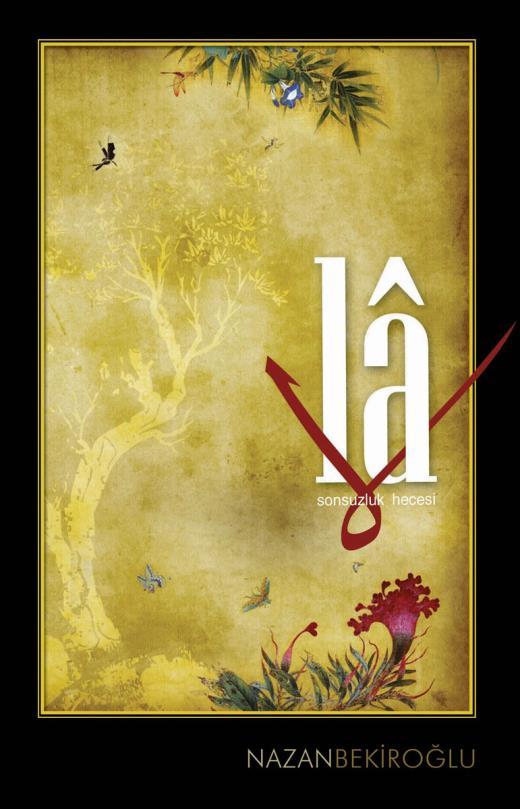
Lā: The Syllable of Infinity (Book)
Lâ: The Syllable of Infinity, written by author and academic Nazan Bekiroğlu, is a novel that reconstructs the story of Hz. Adem and Hz. Havva’s descent from cennet to earth using a modern narrative form. The novel centers on humanity’s process of becoming human and the existential awareness of “being.” Subject of the Book The novel explores the existential journey of humanity through the processes of creation, exile from cennet, and the construction of self on earth. The narrative is shaped alo
EN
AYŞE TUBA KESKİL
BaBabylonian Creation Epic Enuma Elish
Enuma Elish (Akkadian: 𒂊𒉡𒈠𒂊𒇺, enūma eliš, "When on high"), an epic poem that narrates the Babylonian creation myth and seeks to legitimize the supremacy of the chief god Marduk within the Babylonian pantheon. It derives its name from the first two words of the text. Comprising approximately a thousand lines, the text is inscribed on seven clay tablets discovered among the remnants of Ashurbanipal’s library in Nineveh. The epic recounts the creation of the universe, the transition from primo
EN
Yunus Emre Yüce
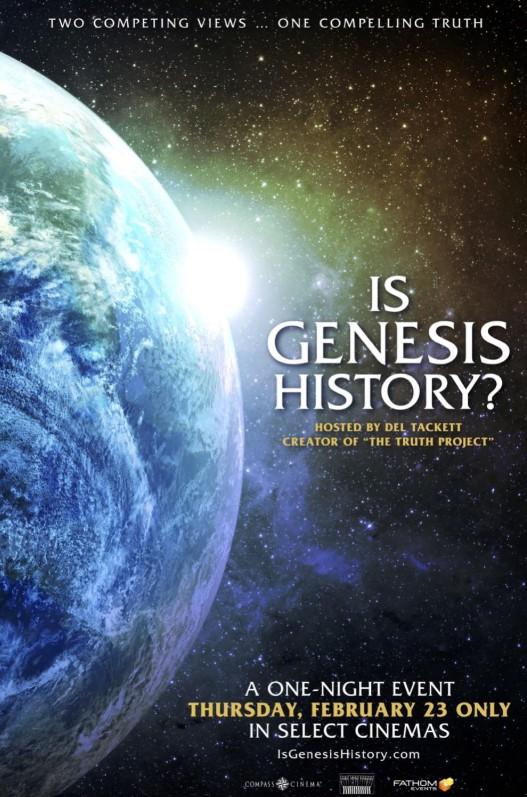
Is Genesis History? (Film)
Is Genesis History? is a 2017 documentary film that examines the creation narrative from a Christian faith perspective and questions whether the Book of Genesis in sacred texts is a historical document. It is directed by Thomas Purifoy Jr. The film features scientists, academics, and researchers who advocate for creationism, presenting scientific and theological assessments from various disciplines—including geology, paleontology, biology, and astronomy—on the origins of the universe, Earth, and
EN
Büşranur Akpınar
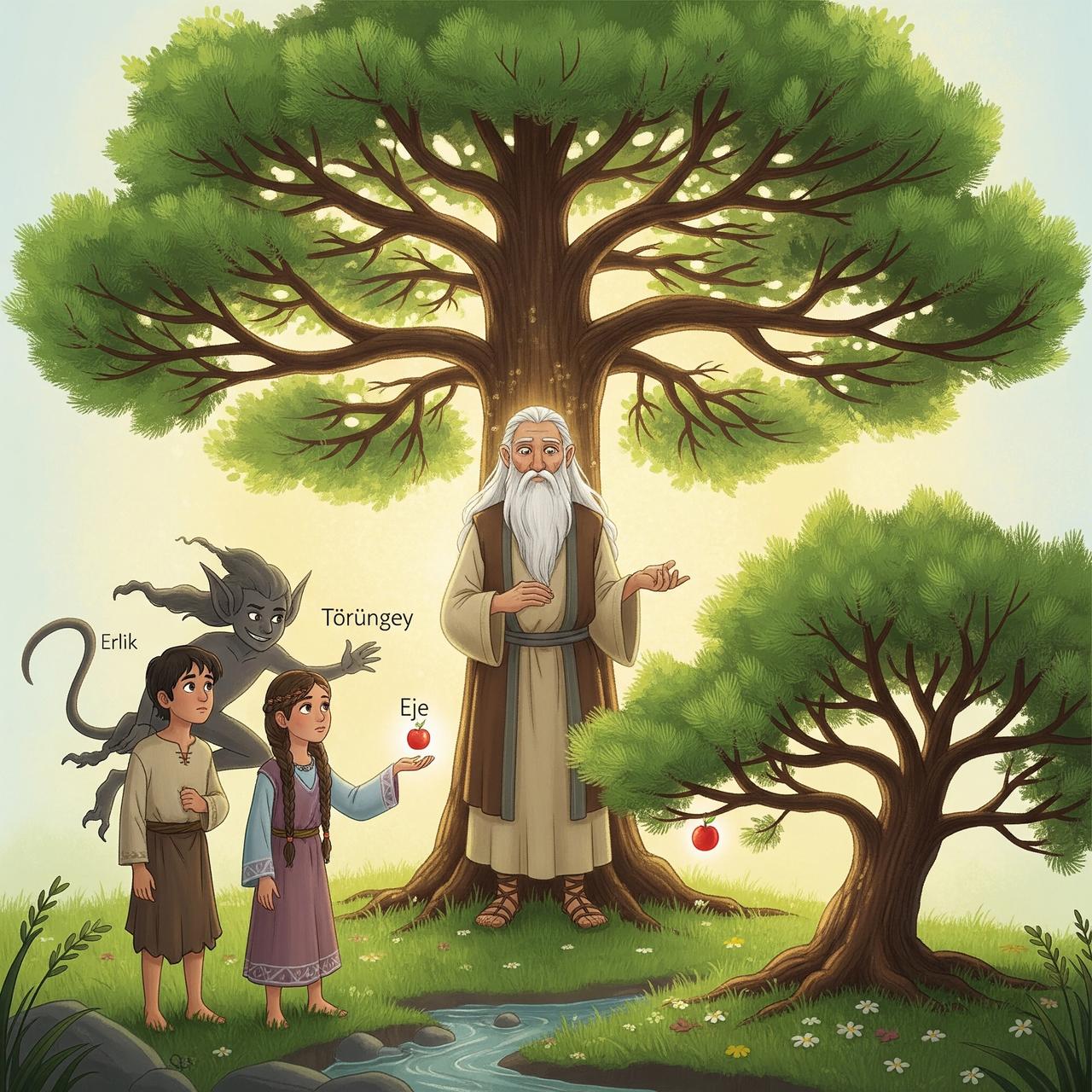
Creation Epic
Try to imagine a time when nothing existed—no trees, no animals, no humans—only an infinite expanse of water. This is how the ancestors of the ancient Turks described the origin of the world. This story is not merely a fairy tale; it is also a guide reflecting humanity’s attempts to understand the universe, goodness, and evil. This epic whispers to us from thousands of years ago, revealing the imagination and wisdom of our ancestors. Are you ready to witness, through their eyes, the birth of the
EN
Kasım Emre Anıl