

`craft` Related Article Results
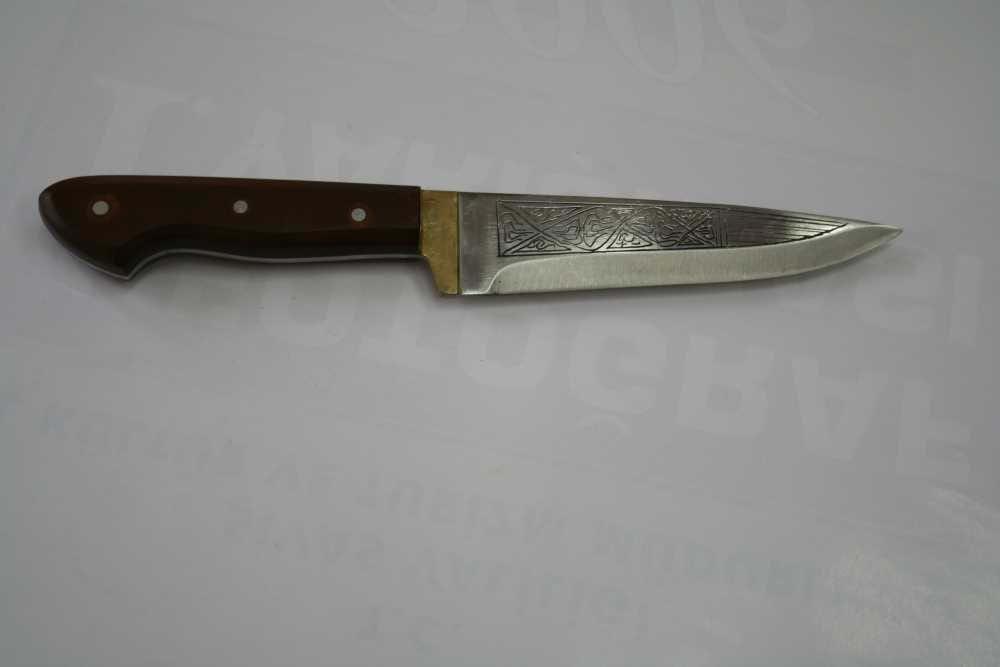
Sivas Knife
The Sivas knife is a handcrafted product belonging to the traditional crafts of Türkiye, with production continuing for many years. Knife-making activity is recognized as part of the cultural heritage of Sivas Province, forming a local area of expertise in both production techniques and the variety of materials used. Historical Development and Production Process The history of knife production in Sivas extends back to the Ottoman period. This craft continues to be practiced today, primarily base
EN
Zeynep Şule Bingöl
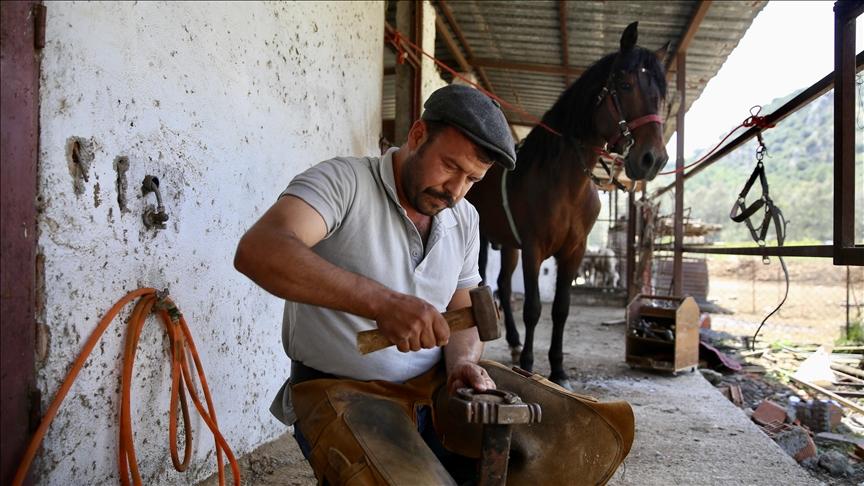
Nalbantlık
Farriering is the trade of craftsmen who shoe hoofed animals—particularly horses, donkeys, mules, and oxen. The term is derived from the Arabic word “nal” (shoe) and the Persian word “bent” (fastening). A nail is the iron plate fitted to the hooves of draft and pack animals to protect them; a farrier is the person who performs this work. Historical Background During eras when animal power formed the foundation of transportation, communication, and military technology, horseshoes and farriering b
EN
Elif Laçin
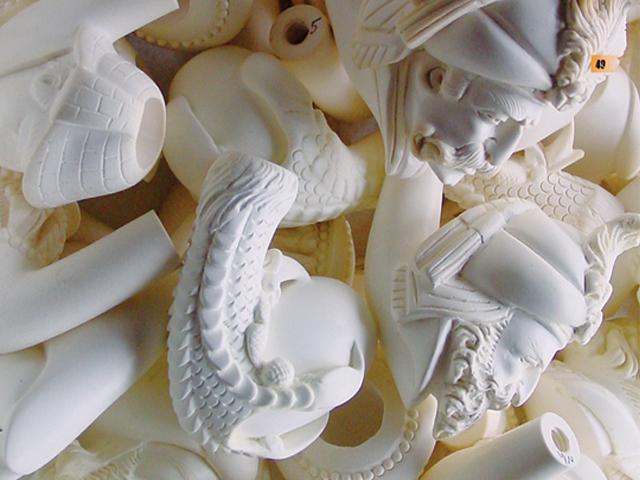
Lületaşı
Lületaşı is a special stone found in the soils of Eskişehir. It resembles soap in its white, soft, and porous structure. This stone is found underground in a wet state. Once extracted from the soil, its moisture allows it to be easily shaped. As the stone comes into contact with air, it hardens and may develop a slightly yellowish tint. Where Is Lületaşı Found? Lületaşı is most commonly found in certain villages of Eskişehir. These stones lie 30 to 400 meters beneath the surface. Special tunnels
EN
Hasan Emre Uğuzman
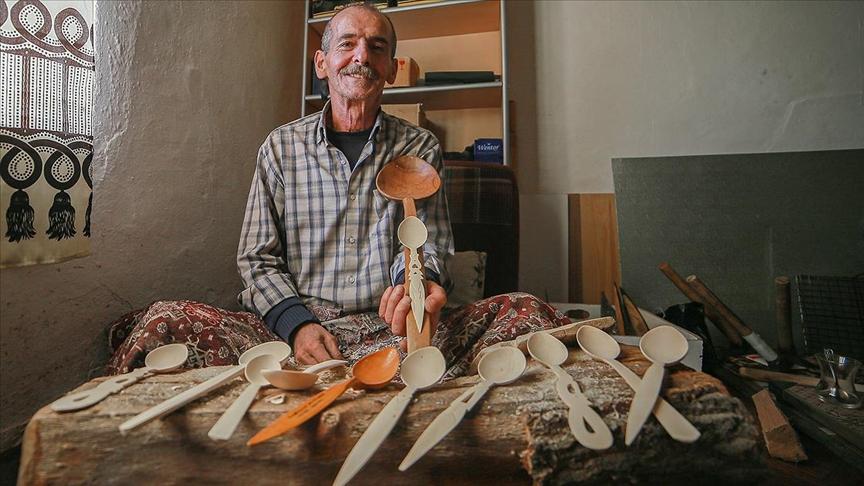
Spoonmaking
Spoonmaking is an ancient craft that has endured from the depths of human history to the present day, forming an indispensable element of culinary culture. Although the materials used have varied over time, spoons have generally been crafted from natural substances such as wood, metal, or bone. In Turkish culture, spoonmaking possesses a rich and multifaceted heritage. Spoonmaking (AA) " image-alternate="" image-element-format="right"> Origins and Historical Journey There is no definitive inf
EN
Elif Laçin
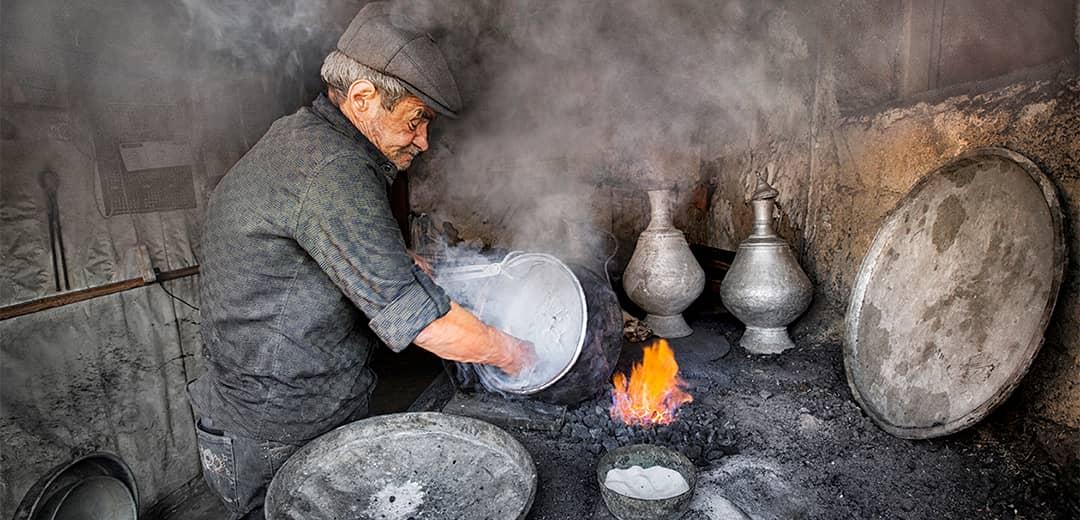
Tinning
Snuffing, the traditional craft practiced by artisans who tin copper vessels, is a skilled traditional handicraft. Arising from the widespread use of copper in daily life, this profession has become inseparable from copper cookware, which has become synonymous with Turkish cuisine over time. Chemical Significance Tin, by preventing harmful substances formed when copper comes into contact with air, provides a safe alloy and is known for protecting the copper vessel, the food cooked in it, and the
ENElif Laçin
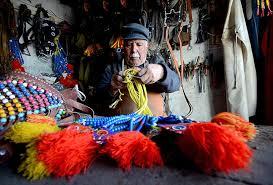
Saraçlık
Saraçlık is a traditional craft encompassing the production of leather goods such as saddles, bridles, and harnesses. Those who practice this trade are called saraç, and their workshops are known as saraçhane. Handmade products include items such as reins, belts, wallets, and haversacks. History The art of saraçlık has historically held particular importance among equestrian societies. Tracing its origins back to the Lydian period, this craft experienced significant development during the era of
EN
Meltem Saraç
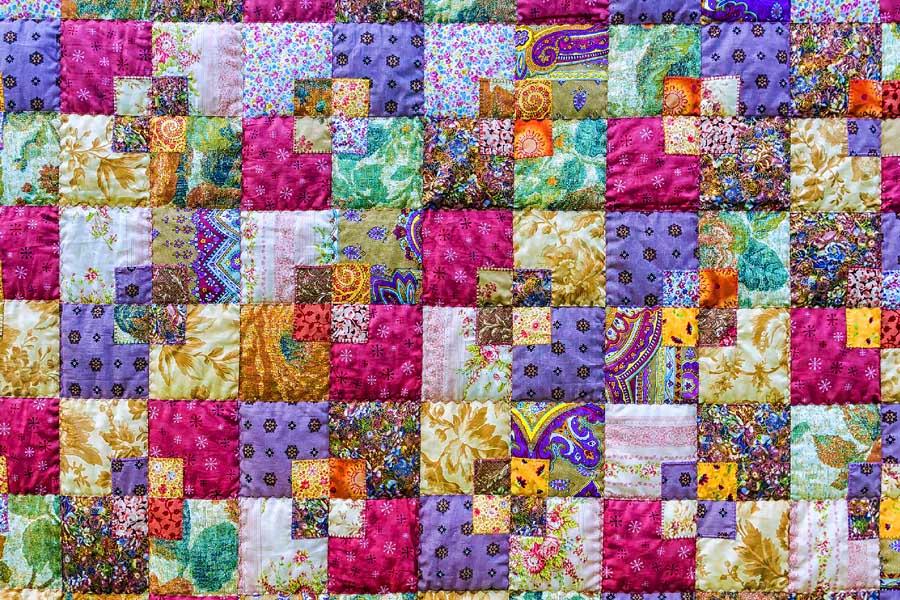
Kırkyama
Kırkyama is a traditional craft formed by assembling fabric pieces of different sizes, textures, colors, and patterns into a unified composition. This technique, also known as “patchwork,” evolved from the historical practice of “mending,” which emerged during periods of poverty and gradually transformed into an artistic expression. Initially used to repair worn or damaged clothing, the mending process later became a meticulous craft requiring patience and skill, adorned with aesthetic considera
ENElif Laçin
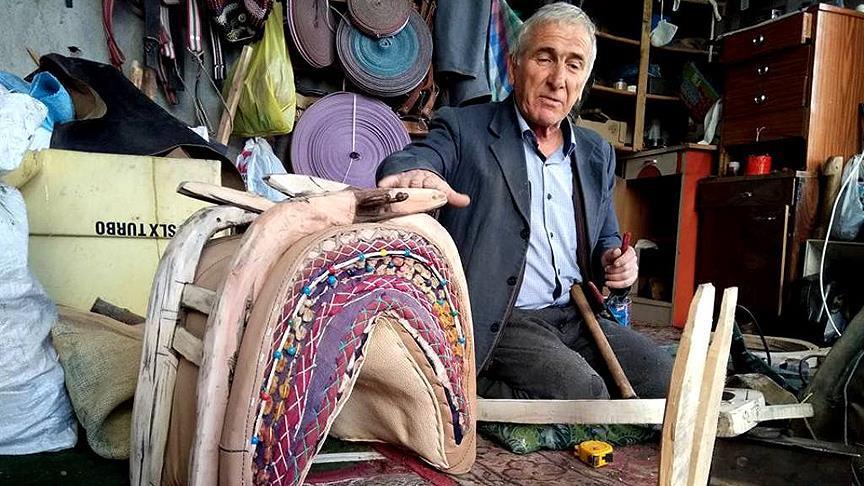
Mercantilism
Semercilik has been an indispensable craft passed down through centuries as an integral part of the shared life between humans and animals. Shaped by skilled hands, saddles serve not only as tools for carrying loads but also as a craft heritage that carries the traces of traditional culture. A saddle is a traditional riding and load-carrying device placed on the backs of pack and riding animals such as donkeys, mules, horses, and camels. It is typically constructed by wrapping materials such as
ENElif Laçin
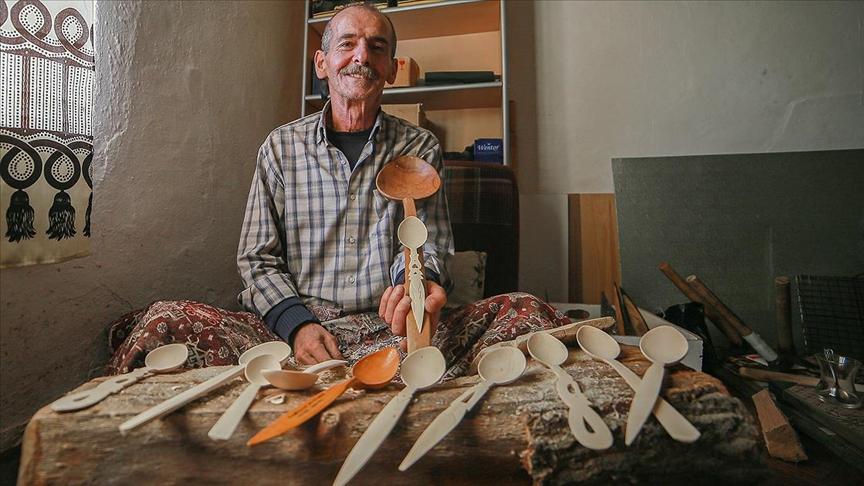
Spoon making
Spooning is a traditional craft that has endured from the depths of human history to the present day, forming an indispensable element of culinary culture. Although the materials used have varied over time, spoons have generally been made from natural substances such as wood, metal, or bone. In Turkish culture, spoon-making possesses a rich and multifaceted heritage. Origins and Historical Journey There is no definitive information on when or where the spoon first emerged. However, the earliest
ENElif Laçin
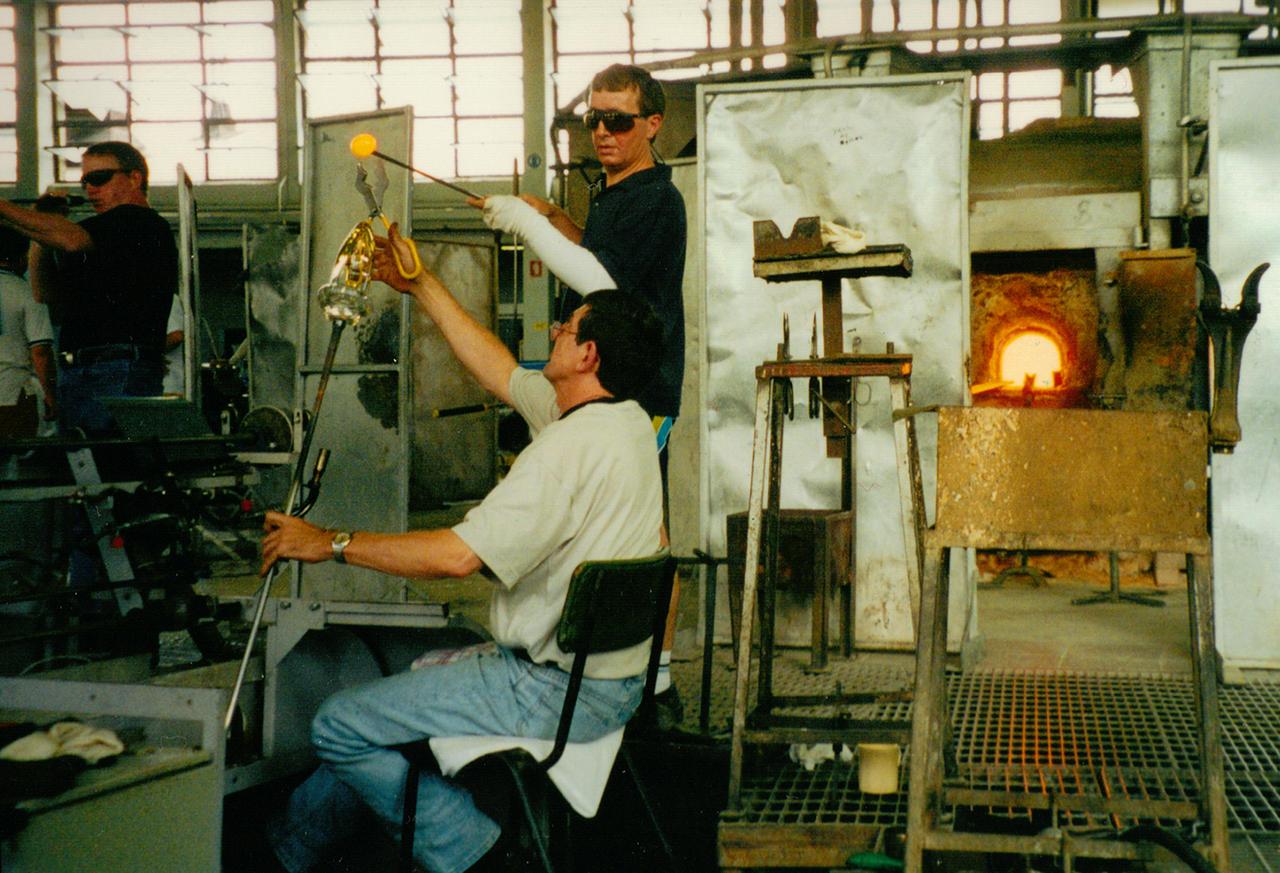
Glasswork
Glassmaking is a production field based on shaping glass, an amorphous material obtained by melting raw materials such as silica sand, soda, and limestone at high temperatures. This shaping process is carried out using various techniques while the glass is in a hot and plastic state. Over its historical development, this field has formed a multifaceted technical and aesthetic tradition encompassing both craft and modern industrial glass production. Historical Development of Glassmaking Ancient G
EN
Fatma Fırat