

`cosmology` Related Article Results
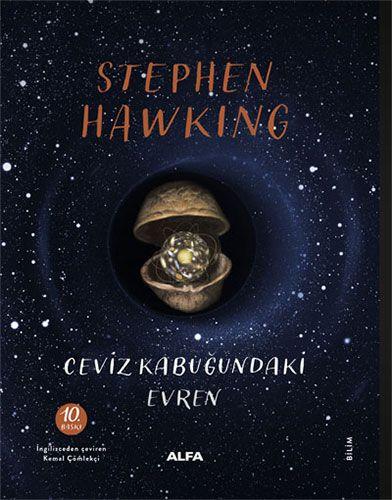
The Universe in the Walnut Shell (Book)
The Universe in a Nutshell (original title: The Universe in a Nutshell) is a popular science book written by British theoretical physicist Stephen Hawking. The book presents an overview of the structure of the universe, modern physics, and cosmology, supported by visual illustrations. Content and Themes The book offers a scientific perspective on the fundamental structure of the universe within the context of theoretical physics and cosmology. The main themes include: The Structure of the Univer
EN
Osman Özbay
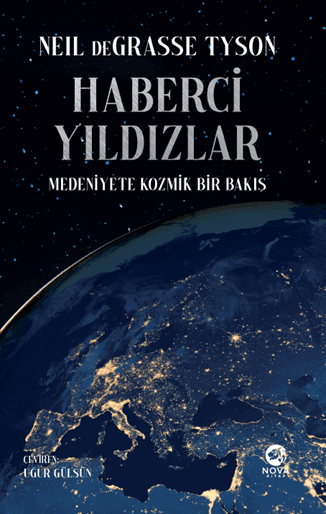
Messenger Stars: A Cosmic Perspective on Civilization (Book)
Habermann Stars: A Cosmic Perspective on Civilization (original title: Death by Black Hole: And Other Cosmic Quandaries) is a popular science book written by American astrophysicist Neil deGrasse Tyson. The book is structured to convey the nature of the universe, astronomy, and cosmology to a general audience. Content and Themes The book presents a scientific perspective on the structure of the universe and cosmic phenomena. Major themes include: The Universe and Cosmology: Cosmic objects such a
ENOsman Özbay
Short Answers to Big Questions (Book)
Brief Answers to the Big Questions (original title: Brief Answers to the Big Questions) is a popular science book written by British theoretical physicist Stephen Hawking. The book aims to provide short and direct answers to fundamental questions about the universe, life, humanity, and scientific inquiry. Content and Themes The book presents information within the context of fundamental cosmology the nature of the universe and the future of humanity. Major themes include: The Universe and Cosmol
ENOsman Özbay
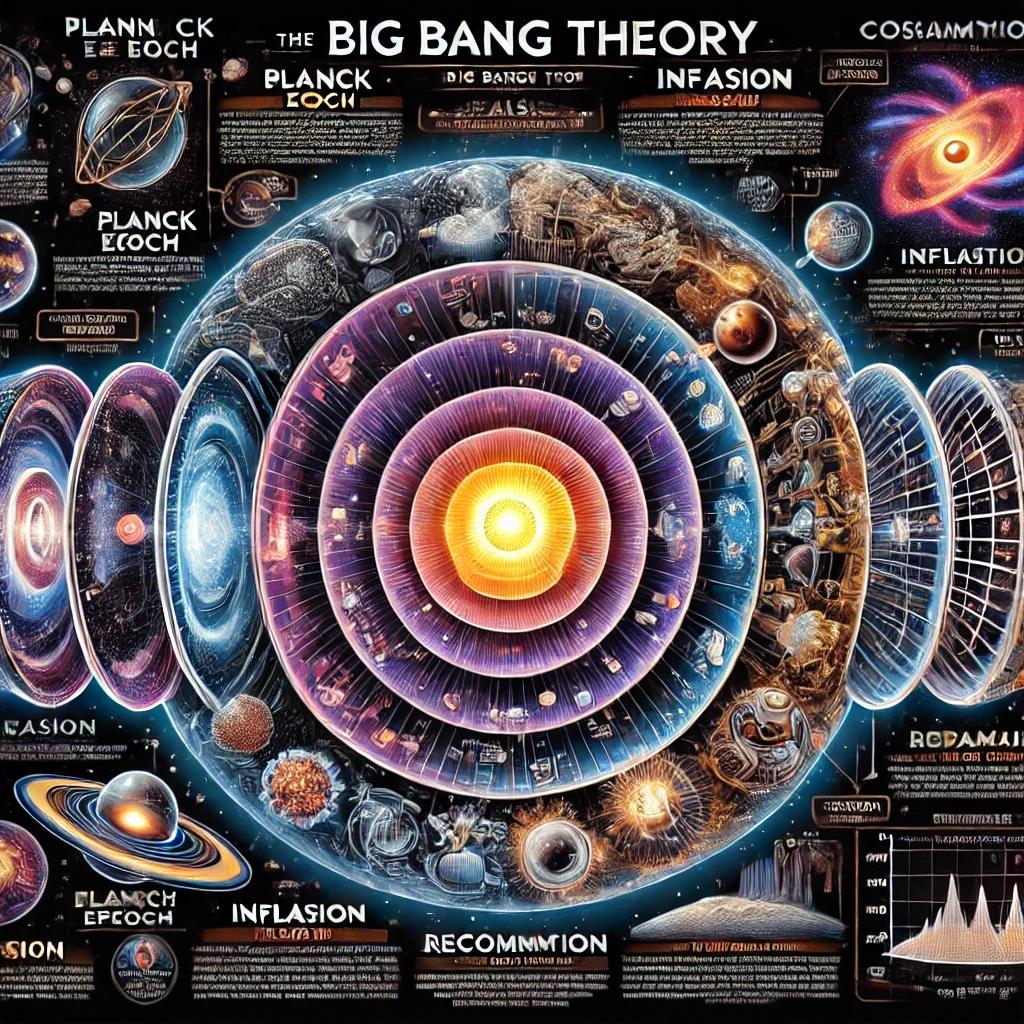
Big Bang Theory
The Big Bang Theory is the most widely accepted scientific model and theory underlying modern cosmology, providing the leading explanation for the origin and evolution of the universe. According to this theory, the universe began expanding from an extremely dense, hot state referred to as a "singularity" approximately 13.8 billion years ago. The Big Bang model provides a scientific framework for understanding the initial conditions of the universe and its subsequent changes over time. Historical
ENOsman Özbay

Cosmology: Drawing the Big Picture
Cosmology is a discipline that conducts scientific research on the origin, structure, evolution, and ultimate fate of the universe. It seeks to understand how the universe was formed on the largest scales, how it has changed, and what might happen in the future. The Origin of the Universe: The Big Bang Theory The most widely accepted theory about the origin of the universe today is the Big Bang Theory. According to this theory, the universe began to expand about 13.8 billion years ago from an ex
EN
Mustafa Güven
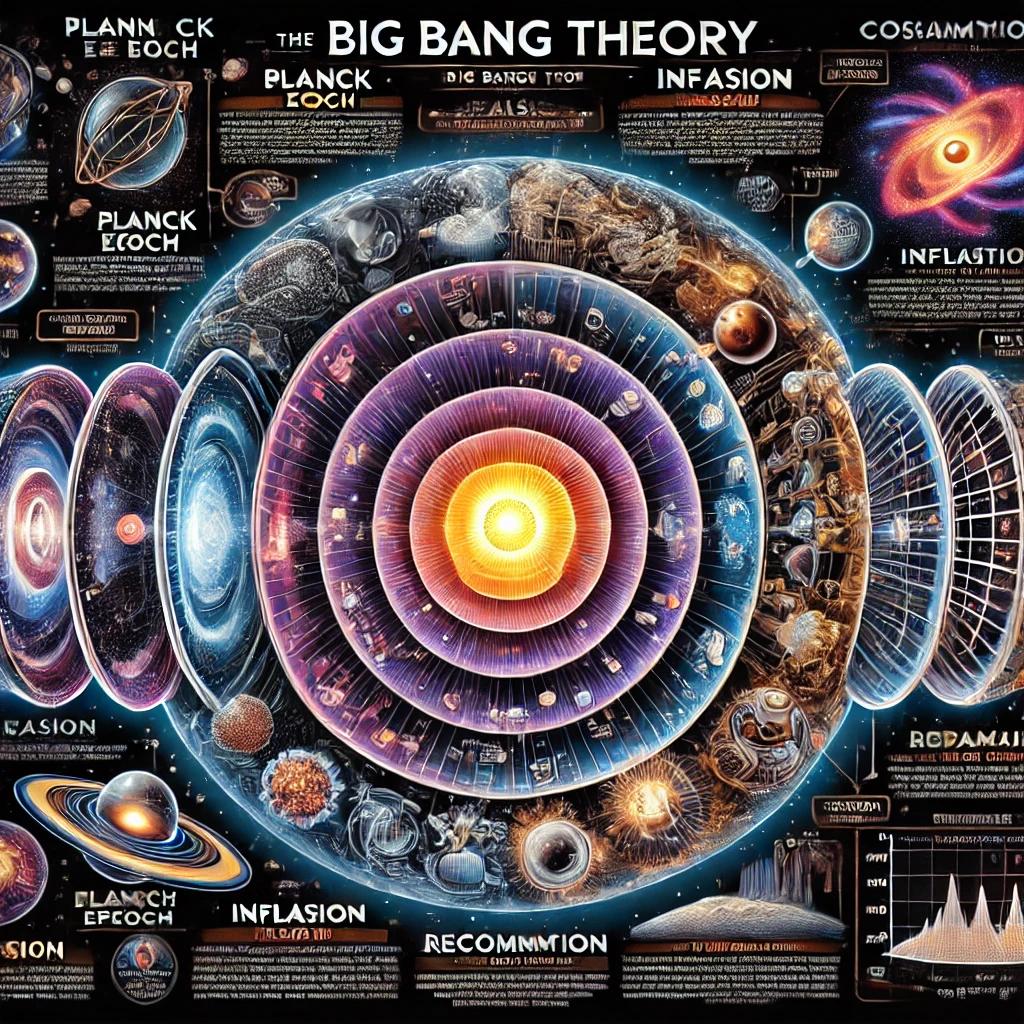
Big Bang Theory
The Big Bang Theory is the most widely accepted scientific model and theory that forms the foundation of cosmology and describes the origin and evolution of the universe. According to this theory universe, the universe began expanding approximately 13.8 billion years ago from an extremely dense, hot state known as a "singularity." The Big Bang model provides a scientific framework for understanding the initial conditions of the universe and its subsequent changes over time. Historical Developmen
EN
Osman Özbay
 Un
UnUniversal Expansion
Cosmic expansion is a cosmological phenomenon that describes the increase over time of the average distance between galaxies in the large-scale structure of the universe. This process demonstrates that spacetime has a dynamic structure and is one of the fundamental topics of modern cosmology. Observational data reveal the existence of cosmic expansion through the redshift phenomenon, in which the wavelength of light from distant galaxies is stretched. Today, this phenomenon is studied within the
EN
Ezgi Sönmez
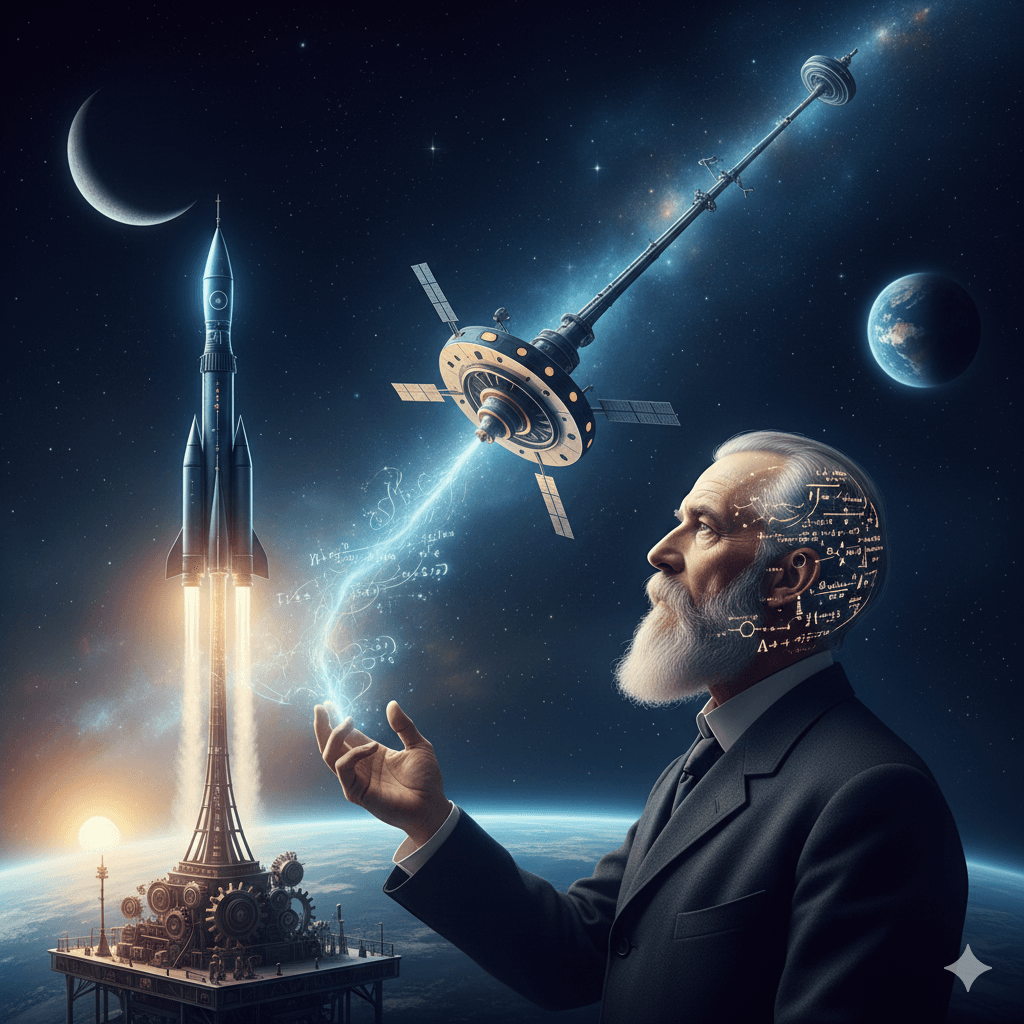
Konstantin Eduardovich Tsiolkovsky
Konstantin Eduardovich Tsiolkovsky (17 September 1857, Izhevskoye, Ryazan Oblast; 19 September 1935, Kaluga) was a Russian scientist and teacher who worked on rocket dynamics and spaceflight theory, as well as aerodynamic experiments, airship designs, science fiction and philosophical texts. His work centered on the application of variable mass motion to rocket flight, the implications of the reaction propulsion principle in space environments, the concept of multistage rockets and systemic assu
EN
Ömer Said Aydın
HuHubble's Law
Hubble's Law is a cosmological relation stating a linear relationship between the recession velocities of galaxies and their distances from the observer. This relationship was established in 1929 by Edwin Hubble through the comparison of distance measurements of galaxies with spectroscopic redshift observations. Hubble's work demonstrated that the redshift observed in the light of distant galaxies increases systematically, revealing that galaxies are moving away from each other. These observatio
ENEzgi Sönmez
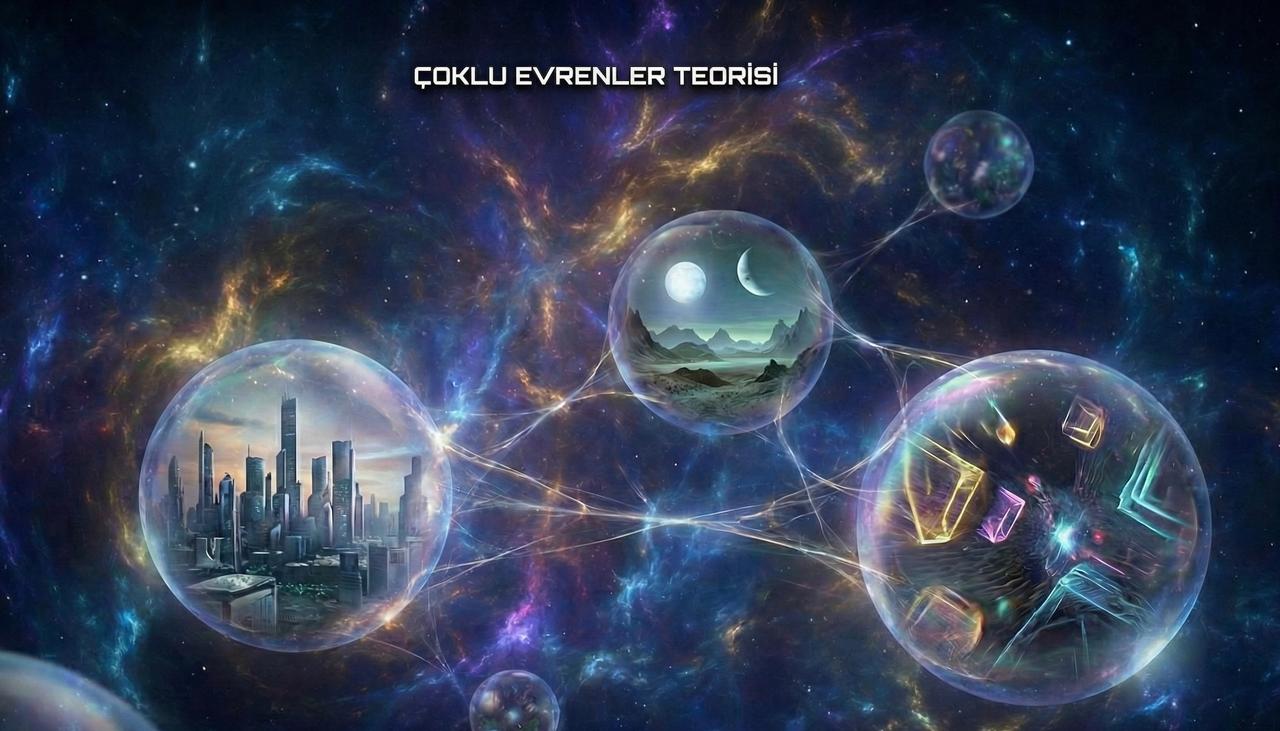
Multiverse Theory
Have you ever wondered, “What if I had chosen the other path that day?” What if you had accepted that job offer, missed that train, or never met that person…? In our reality, these questions remain mere “what ifs.” But according to one of modern physics’ most daring and controversial ideas—the Multiverse Theory—these alternatives may all be real, unfolding somewhere else. For centuries, we assumed the universe was a single, all-encompassing entity made up of the stars, galaxies, and ourselves. B
EN
Aykut Laçın