

`coral-reefs` Related Article Results
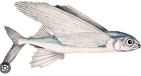
Epipelagic Zone
The Epipelagic Zone, the uppermost layer of the World oceans, extends to a depth of approximately 200 meters below the surface. This region is also known as the "sunlight zone" because it is the layer where sun light penetrates the ocean most intensely. The majority of oceanic photosynthesis events occur in this zone, making it of great importance for sea life. Layers of the ocean " image-alternate="" image-element-format="right"> Physical and Chemical Properties of the Epipelagic Zone The ep
EN
Seniha Rabia Özder
 Co
CoCoral Reefs
Coral reefs are complex and biodiverse underwater ecosystems formed by the accumulation over thousands of years of skeletons from various marine organisms, primarily stony corals. Despite covering less than 1% of the ocean floor, they provide habitat for approximately 25% of all marine life.Mehmet Sakınç, ''Canlılığın Cangılı Resifler,'' Bilim ve Gelecek Dergisi (2025), syf 55, erişim 4 Ağustos 2025, https://www.researchgate.net/publication/393120853_Canliligin_Cangili_Resifler ">【1】 These st
ENYunus Emre Yüce
CoCoral Reefs
Coral reefs are underwater ecosystems of complex structure and rich biodiversity, formed by the accumulation over thousands of years of skeletons of various marine organisms, primarily hard corals. Despite covering less than 1% of the ocean floor, they provide habitat for approximately 25% of all marine life.【1】 These structures also serve as natural barriers that protect coastal communities from storms and erosion, while providing feeding, shelter, and breeding grounds for marine organisms. Def
ENYunus Emre Yüce
ChChristmas Tree Worm (Spirobranchus giganteus)
The Christmas tree worm gets its name from its colorful, spiral-shaped gill structures. This organism, scientifically known as *Spirobranchus giganteus*, is a tube worm that lives a sessile life in marine environments and forms strong symbiotic relationships with coral reefs. Its bright colors, spiral structure, and resemblance to a Christmas tree attract the attention of both scientists and nature photographers. This article will examine this species in detail, covering aspects from its physica
EN
Ahmet Burak Taner
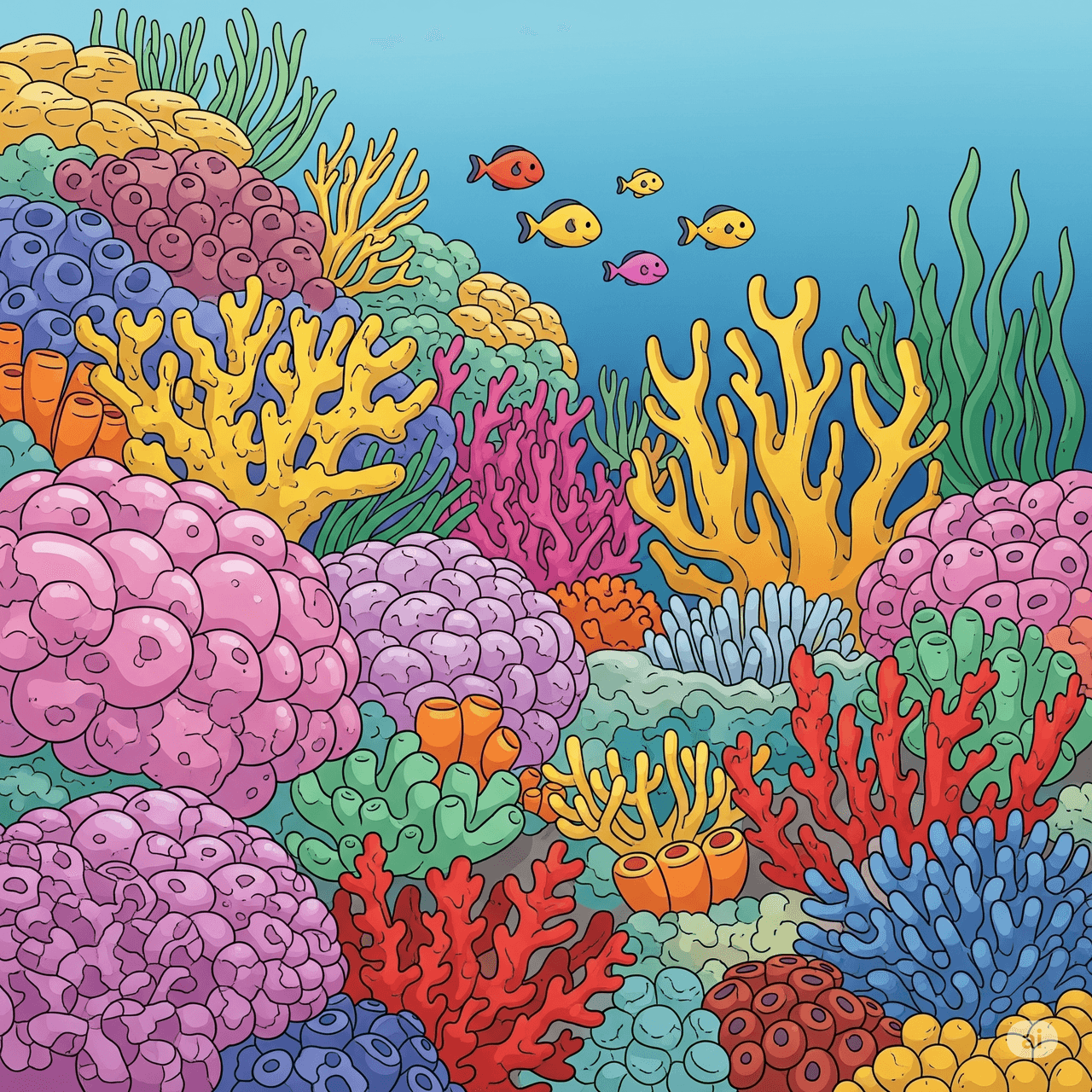
Coral Reefs: The Colorful Cities of the Ocean
Have you ever imagined a city thousands of feet beneath the sea, teeming with life and as colorful as a rainbow? Coral reefs are exactly such places! These reefs, the most crowded and lively neighborhoods of the ocean, are actually massive structures built by tiny animals. Come, let us uncover the secrets of these underwater cities together! What Exactly Are Corals: Plant or Animal? Although their colorful appearance resembles underwater flowers, corals are not plants—they are animals! Each indi
ENYunus Emre Yüce
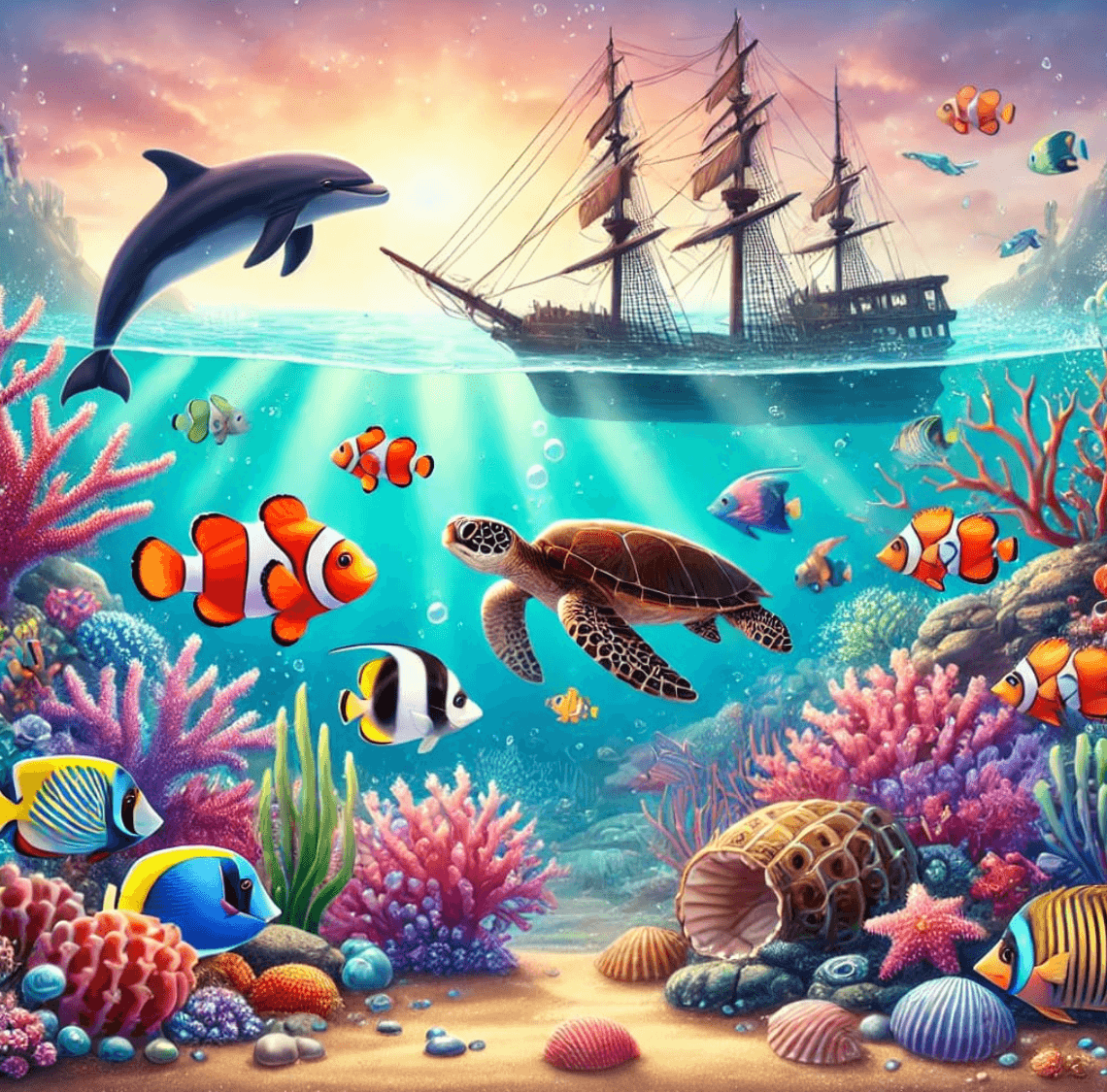
What Is There Under the Seas?
What Lies Beneath the Oceans? The oceans are one of the Earth’s greatest mysteries! Seventy percent of the Earth’s surface is covered by water, yet we have still not fully explored the world beneath the seas. So what lies hidden in the deep waters? Let’s explore together! Thousands of different species live in the upper layers of the oceans. Interesting creatures such as clownfish and seahorses can be found here. Coral reefs are vibrant and colorful. Although they often appear plant-like, they a
ENRumeysa Kalkan
Epipelagic Zone
Dünya’s oceans' uppermost layer, the Epipelagic Zone, extends to a depth of approximately 200 metres below the surface. This region is also known as the "sunlight zone" because it is the layer where sunlight penetrates the ocean most effectively. The majority of photosynthesis in the oceans occurs in this zone, making it critically important for marine life. Physical and Chemical Properties of the Epipelagic Zone The epipelagic zone is distinctly different from other ocean layers in terms of its
ENSeniha Rabia Özder