

`copper` Related Article Results
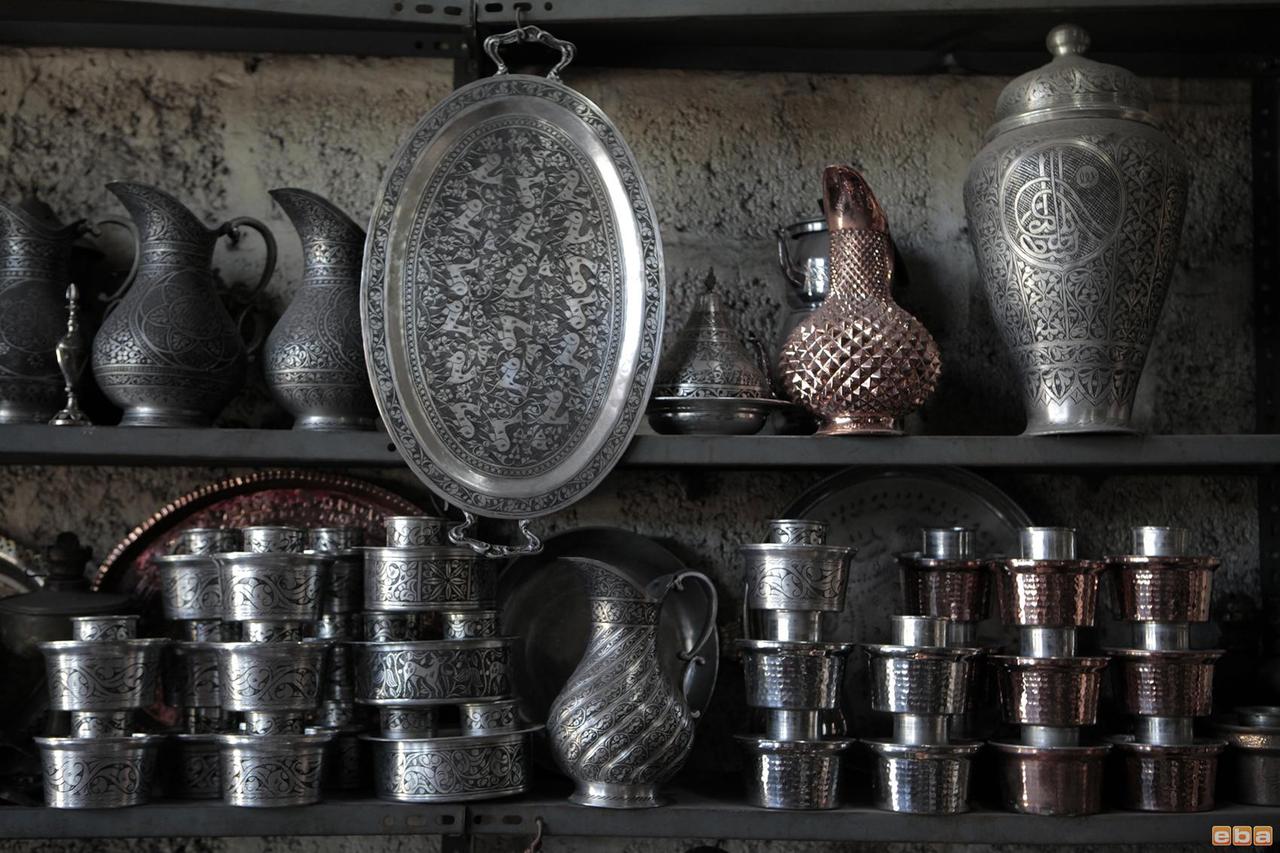
The Art of Copper Manufacturing and Hand-Embellishment in Erzincan
The craft of copper manufacturing and hand-embellishment in Erzincan is recognized as an integral traditional art form deeply embedded within the historical, cultural, and economic dynamics of the region. As a distinctive branch within the Anatolian metalworking heritage, this craft embodies unique technical and aesthetic characteristics, acquiring a singular identity through its localized production techniques and characteristic motif repertoire. In Erzincan, coppersmithing represents a multidi
EN
Zehra Yayla
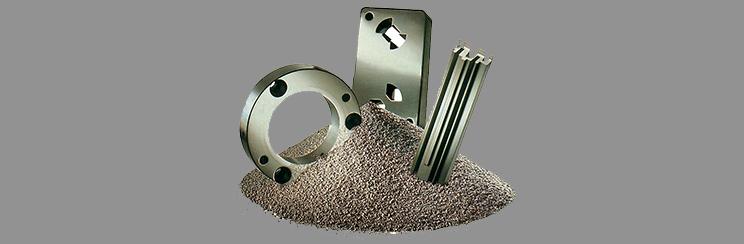
Powder Metallurgy
Powder metallurgy is a process of creating solid metal by producing, processing, and consolidating metal particles. Fundamentally, the powder metallurgy process consists of stages such as the production of powders, their homogeneous mixing, compaction in dies, and consolidation through a process known as sintering. The primary objective of powder metallurgy is to transform powders with various properties into a desired shape with increased density, followed by enhancing their strength and densit
EN
Ece Dinçer
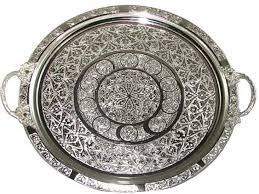
Gaziantep Copper Craftsmanship
Gaziantep Copper Handicraft represents a traditional craft of Gaziantep Province. This craft is based on manual techniques applied in the processing of copper and is sustained primarily through knowledge transmitted from master to apprentice. The production process consists of labor-intensive stages including flattening copper into sheets, shaping it, embossing patterns with hammers, and surface treatments. The resulting products typically manifest as everyday or aesthetic items such as kitchenw
EN
Ali Hakyol
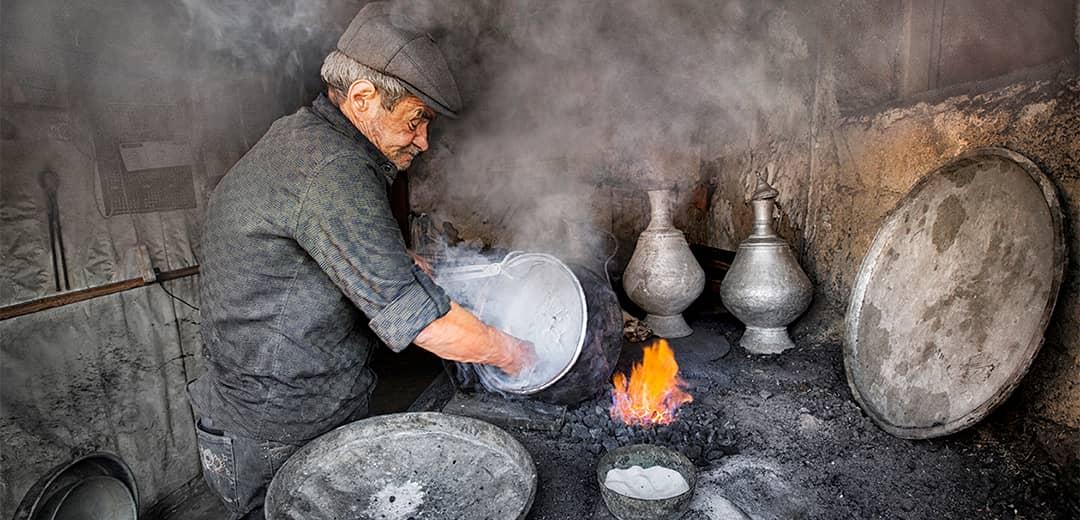
Tinning
Snuffing, the traditional craft practiced by artisans who tin copper vessels, is a skilled traditional handicraft. Arising from the widespread use of copper in daily life, this profession has become inseparable from copper cookware, which has become synonymous with Turkish cuisine over time. Chemical Significance Tin, by preventing harmful substances formed when copper comes into contact with air, provides a safe alloy and is known for protecting the copper vessel, the food cooked in it, and the
EN
Elif Laçin
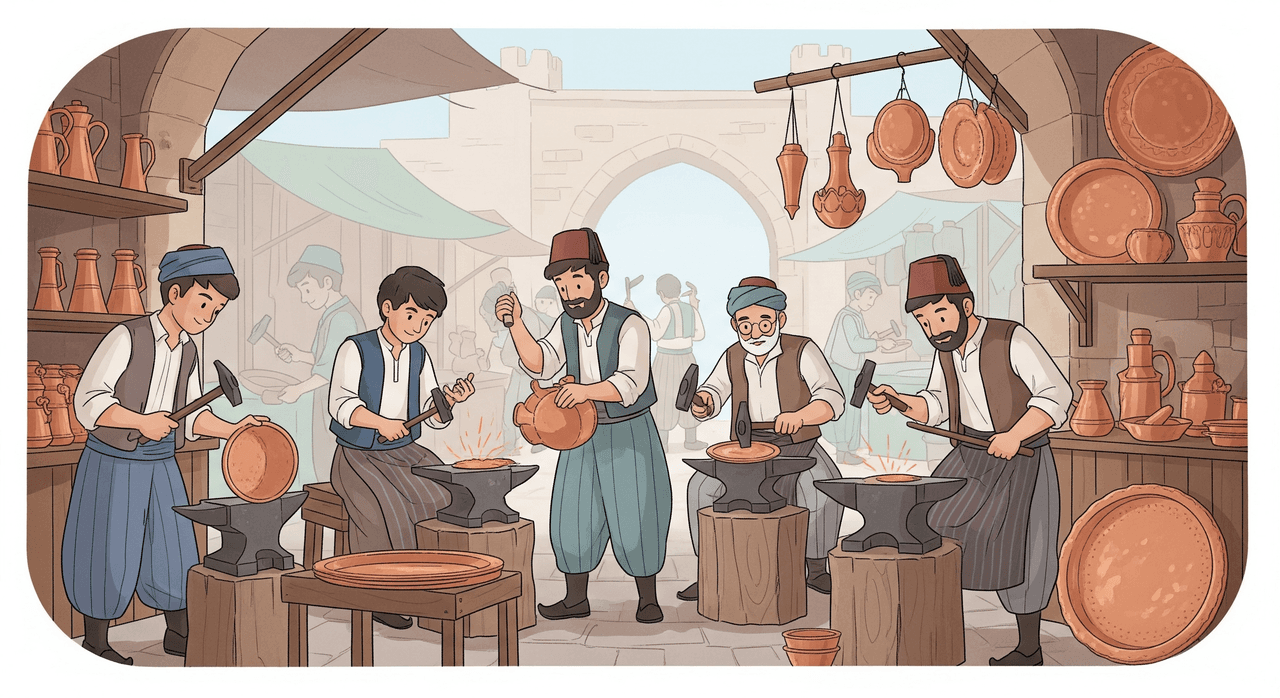
Şanlıurfa Bakırcılar Çarşısı
Bakırcılar Çarşısı Have you ever stepped into a street where each shop emits a different clinking sound, its ceiling adorned with stone arches? That is exactly what Bakırcılar Çarşısı in Şanlıurfa is. This is not merely a marketplace for shopping; it is the home of a centuries-old art—coppersmithing. The moment you enter the market, you find yourself immersed in a rhythm created by the hammer strikes of master artisans. Bakırcılar Çarşısı is filled with craftsmen who create exquisite objects fro
EN
Kasım Emre Anıl

Copper
What Is Copper? Copper is a bright, reddish-brown metal that humanity has used for thousands of years. Copper is found in many of the objects around us, appearing in electrical wires, kitchen utensils, and even some statues. Copper is a substance that can occur naturally in its pure form, is easily shaped, and conducts electricity very well. Why Is Copper Important? ⚙️ One of copper’s most important properties is its excellent ability to conduct electricity. For this reason, most of the wires us
EN
Ayşe Nur YÜZÜGÜLLÜ
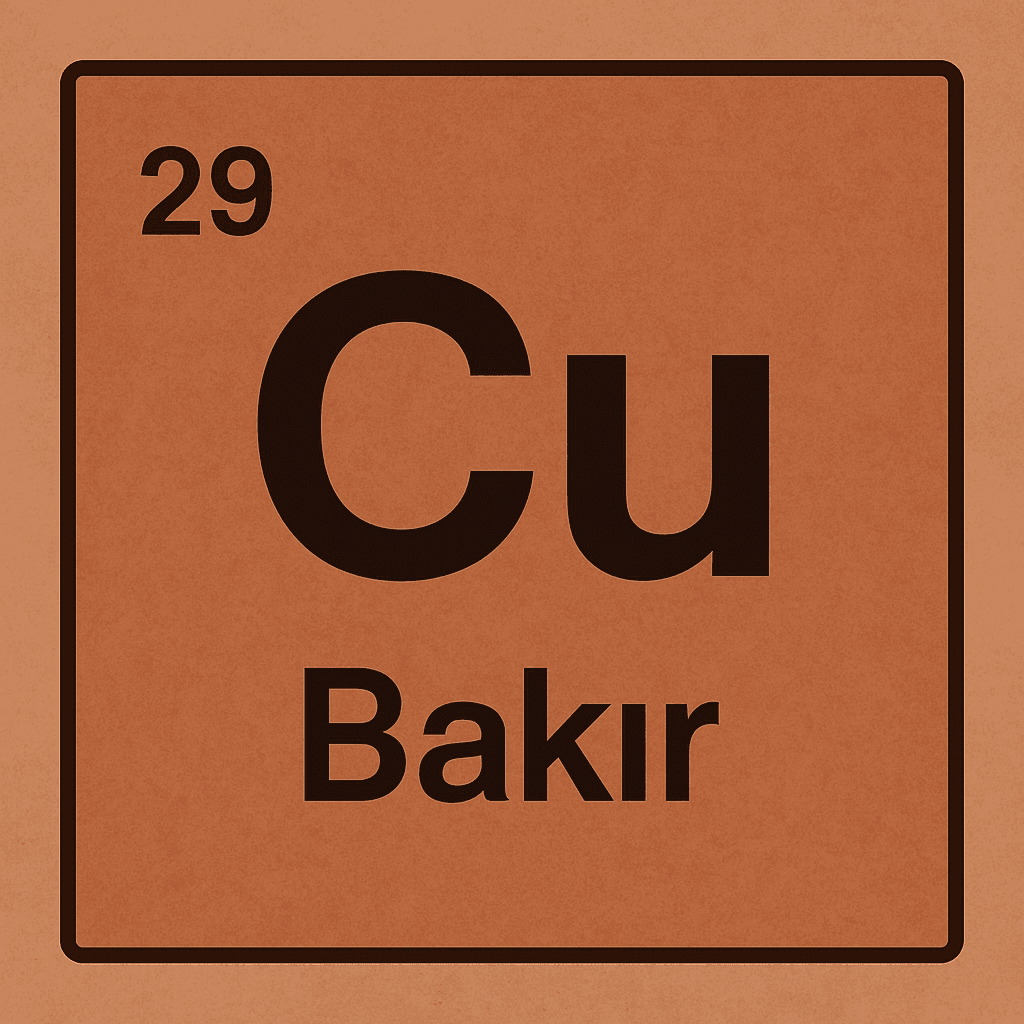
Copper (Cu)
Copper is an element located at atomic number 29 in the periodic table and belongs to the group of transition metals. Throughout history, copper has played a significant role in both technological and cultural developments due to its high electrical and thermal conductivity, ease of workability, and chemical stability. This metal is found in nature both in its native form and as a component of various minerals and also serves essential functions in biological systems. Its industrial applications
ENZehra Yayla
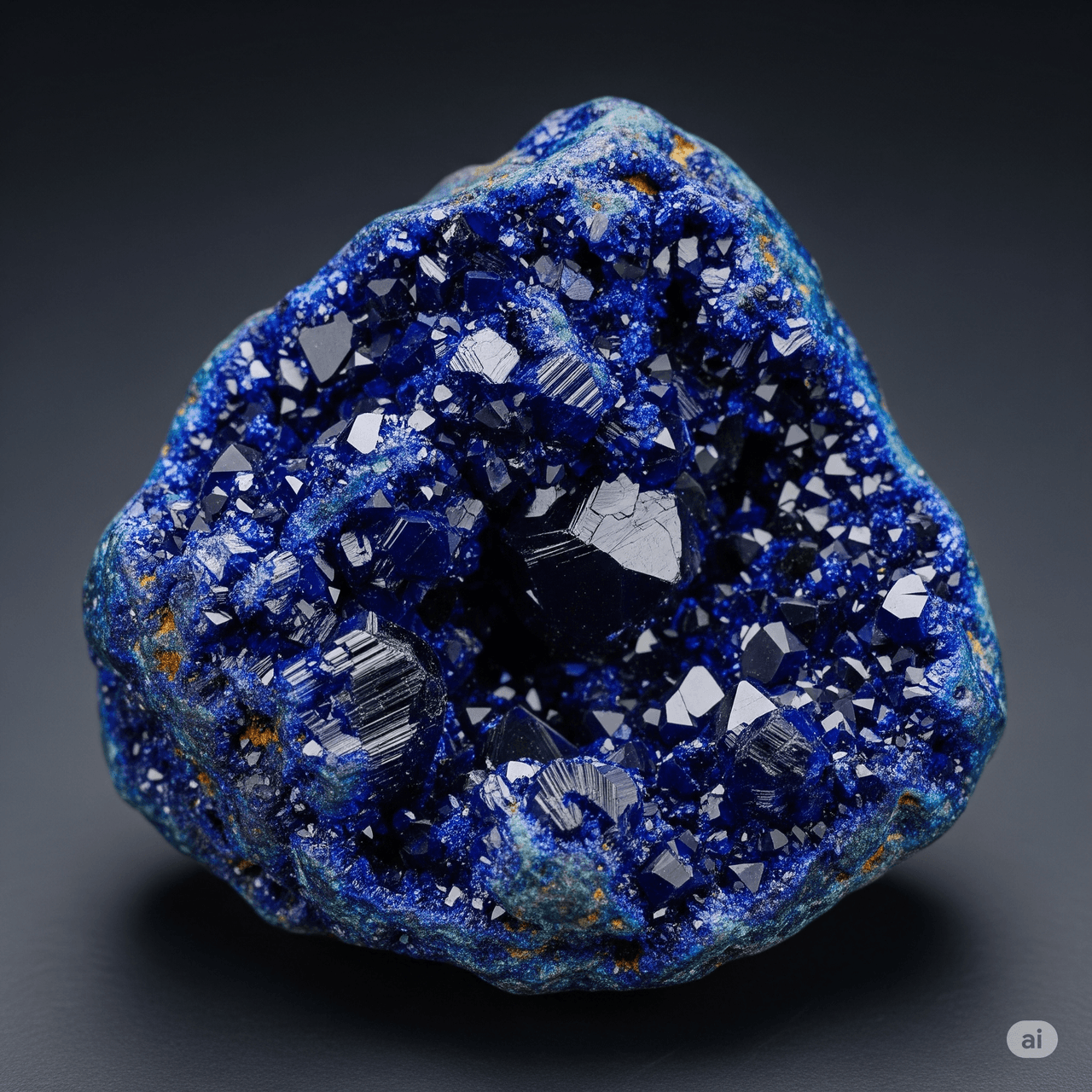
Azurite Stone
Azurite is a copper carbonate hydroxide mineral with the chemical formula Cu₃(CO₃)₂(OH)₂. It commonly occurs in nature alongside malachite, in the oxidized zones of copper ore deposits. With a Mohs hardness between 3.5 and 4, azurite is a relatively soft mineral, a property that limits its practical applications. However, due to its aesthetic appearance and distinctive coloration, it is valued by collectors and artists. Physical and Chemical Properties Crystallography and Structure Azurite cryst
EN
Okan Kanpolat
Gaziantep Copper Craftsmanship
Gaziantep Copper Craftsmanship represents a traditional craft of the city of Gaziantep. This craft is based on manual techniques applied in the processing of copper and is sustained primarily through knowledge passed down from master to apprentice. The production process consists of labor-intensive stages including flattening copper into sheets, shaping it, embossing patterns with hammers, and surface treatments. The resulting products typically take the form of everyday or aesthetic items such
EN
Ali Hakyol