

`congestion-control` Related Article Results
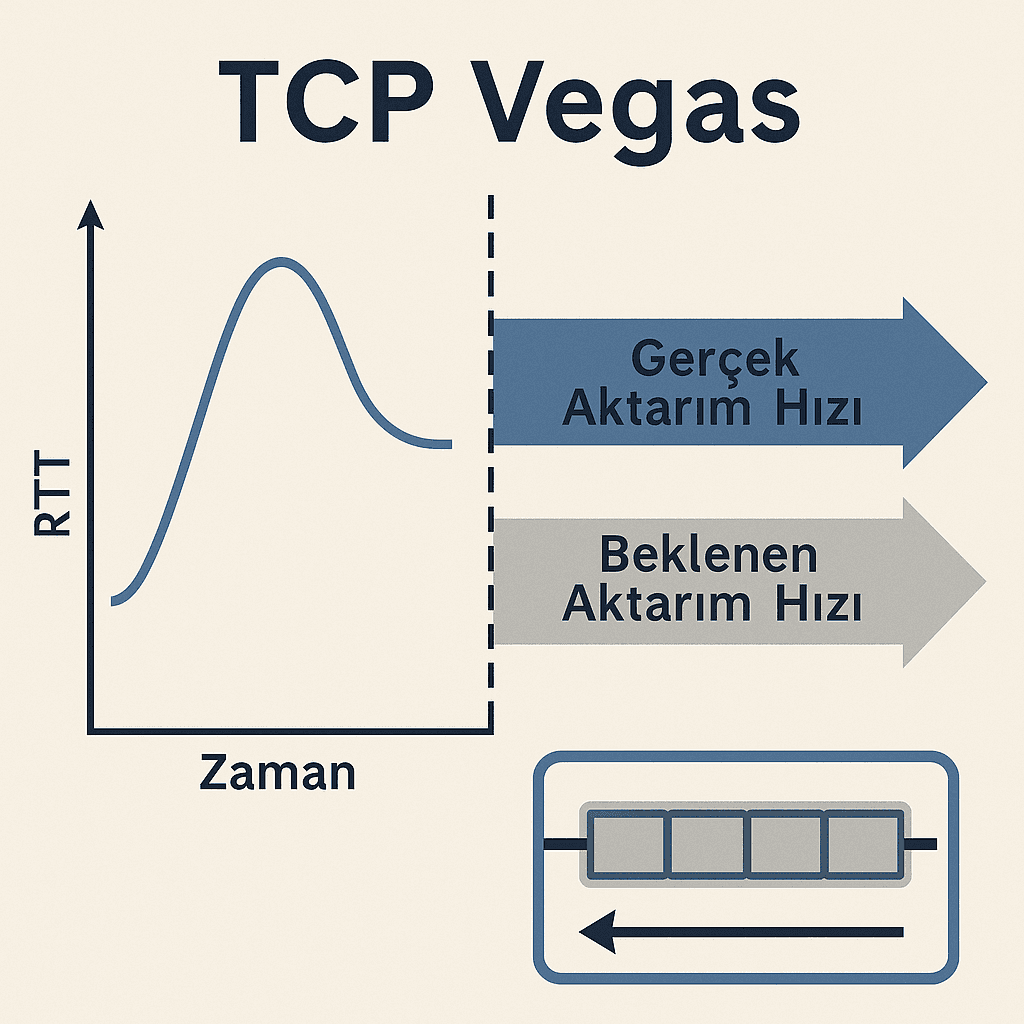
TCP Vegas
One of the most significant problems encountered in data transmission over computer networks is congestion. This issue reduces network efficiency and increases delays. TCP Vegas is a transmission control protocol developed to address this problem. Unlike traditional TCP protocols, TCP Vegas, proposed by Brakmo and colleagues, adopts a proactive rather than reactive approach to detecting congestion. This article examines in detail the structure, algorithms, and performance of TCP Vegas. Key Featu
EN
Gülçin Özer
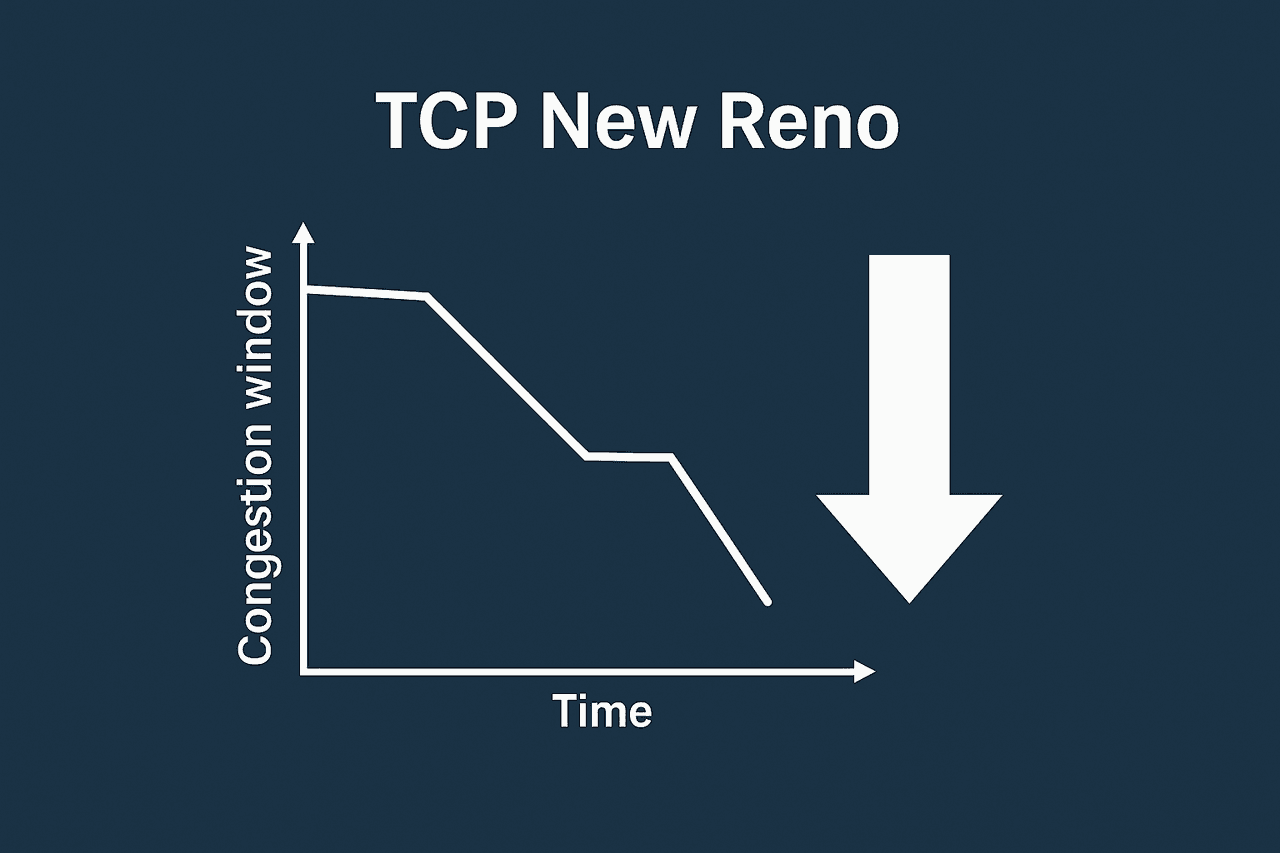
TCP New Reno
One of the improvements implemented on the Transmission Control Protocol (TCP), TCP New Reno was developed to enhance the efficiency of congestion control, particularly in scenarios involving multiple segment losses. It addresses the shortcomings of TCP Reno by focusing on minimizing the impact of segment losses during data transmission. It is regarded as a significant step in improving TCP performance, especially in high-bandwidth and high-latency network environments. Purpose of Developing TCP
ENGülçin Özer
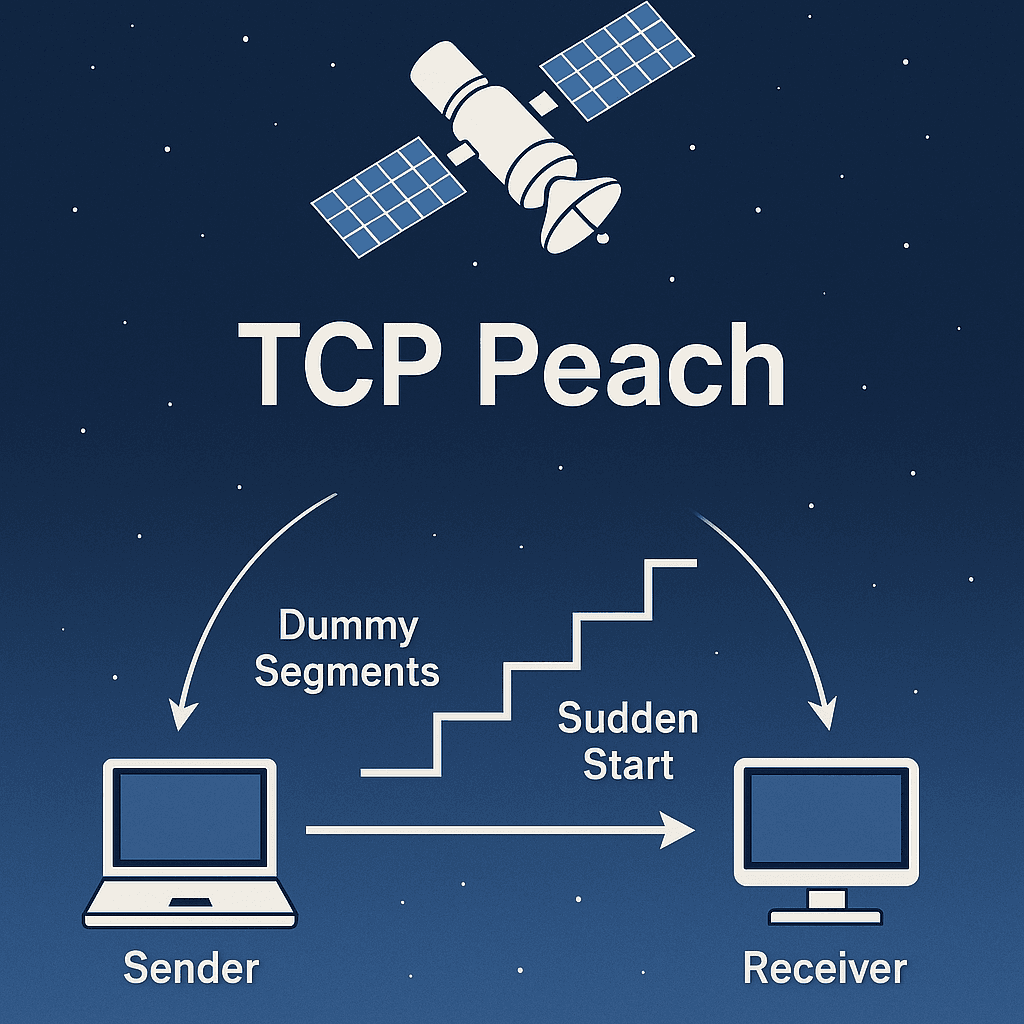
TCP-Peach
The poor performance of traditional TCP protocols in satellite networks, due to long latency and high bit error rates, has necessitated the development of new congestion control algorithms. In this context, TCP-Peach is a congestion control protocol proposed to enhance end-to-end connection efficiency in satellite IP networks. TCP-Peach incorporates two novel algorithms—Sudden Start and Rapid Recovery—alongside traditional TCP mechanisms: Congestion Avoidance and Fast Retransmit. The core innova
ENGülçin Özer
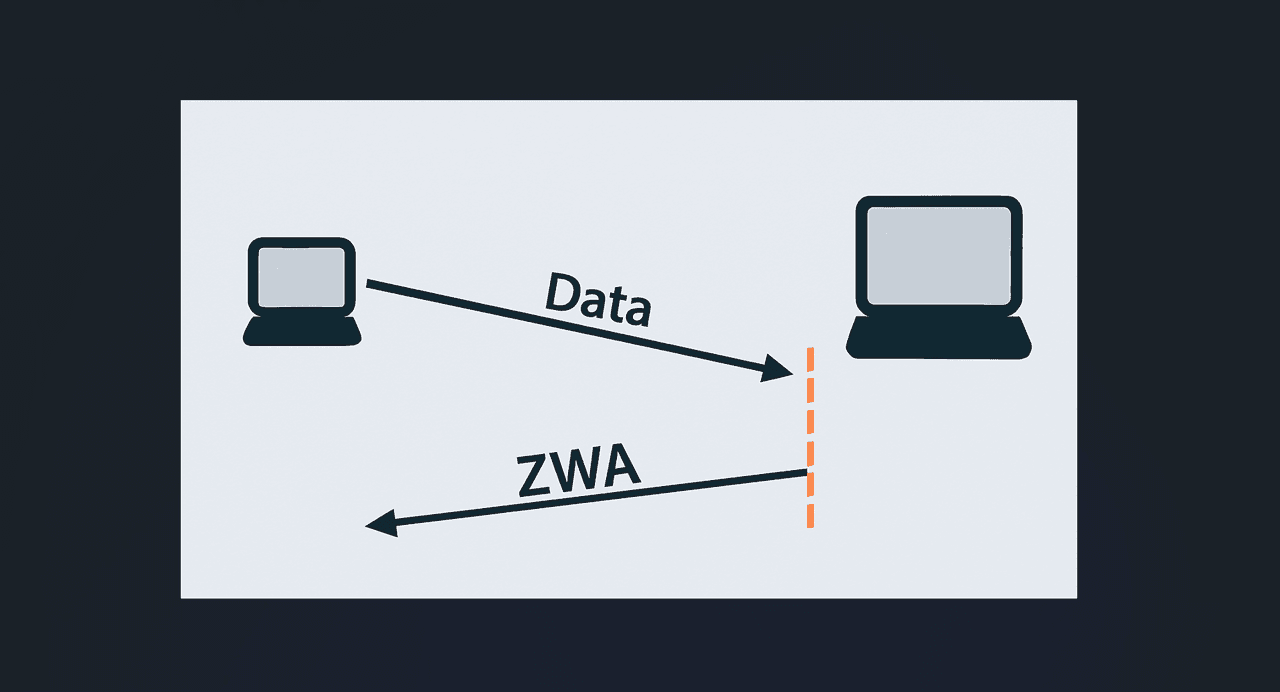
TCP Freeze
TCP Freeze is an enhancement method for transmission control protocols developed to improve connection continuity in wireless networks. TCP Freeze is a flow control technique implemented on the receiver side that allows the source to temporarily halt data transmission. This method prevents unnecessary termination of TCP connections during temporary link disruptions, thereby preserving data transmission performance in mobile environments. TCP Issues in Mobile Environments TCP (Transmission Contro
ENGülçin Özer
TCP (Transmission Control Protocol)
The Transmission Control Protocol (TCP) is a connection-oriented transport layer protocol designed to ensure reliable and ordered data transmission between two endpoint devices in computer networks. TCP was first developed by the Defense Advanced Research Projects Agency (DARPA), part of the United States Department of Defense, and today forms one of the fundamental pillars of data transmission over the Internet. Reliable data transfer is supported by functions such as error control, flow contro
ENGülçin Özer
TCP Tahoe
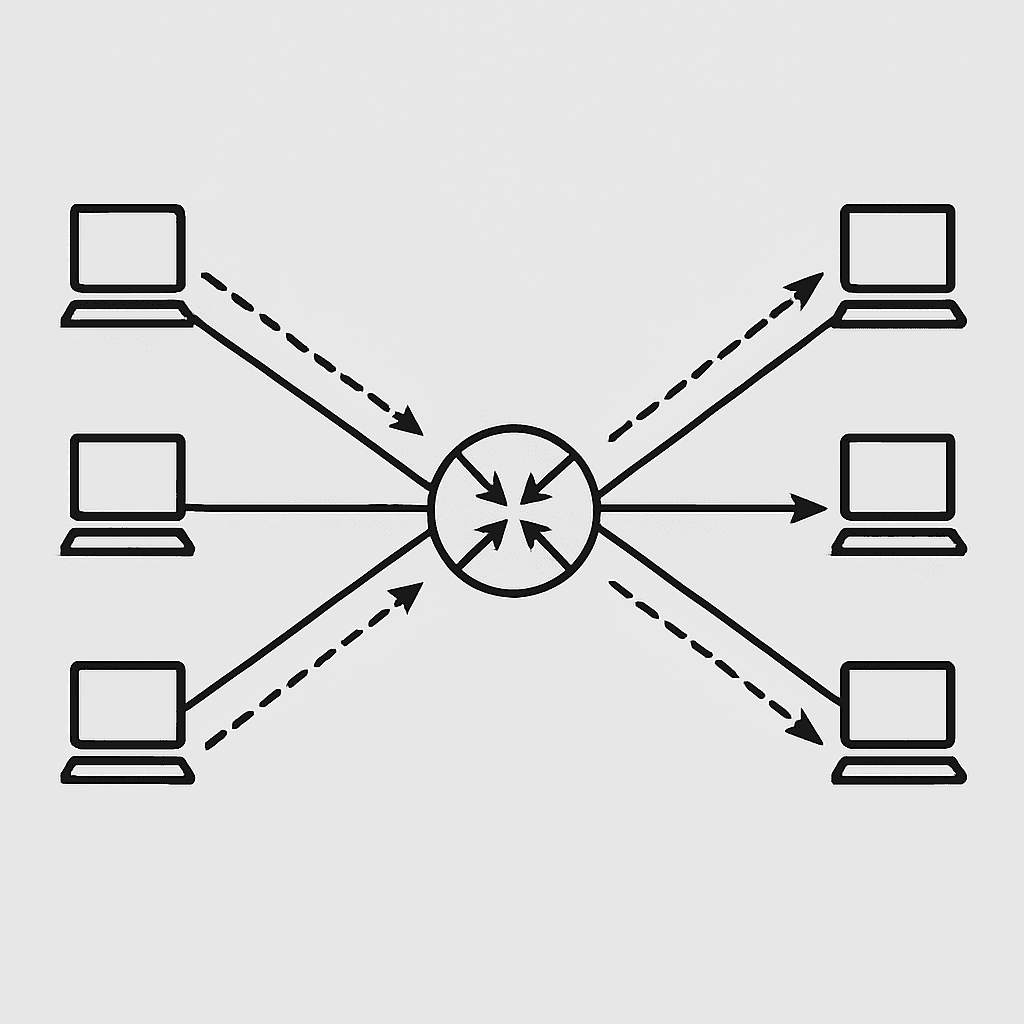
The Transmission Control Protocol (TCP) is a protocol developed primarily to ensure reliable data transmission. TCP Tahoe, designed by Van Jacobson in the late 1980s, is one of TCP’s earliest congestion control mechanisms. This protocol variant treats packet loss as a direct indicator of network congestion and adjusts the transmission rate accordingly. The primary objective of TCP Tahoe is to prevent excessive loading on the network and ensure the continuity of data communication. TCP Tahoe is a
ENGülçin Özer