

`configuration-management` Related Article Results
PLM
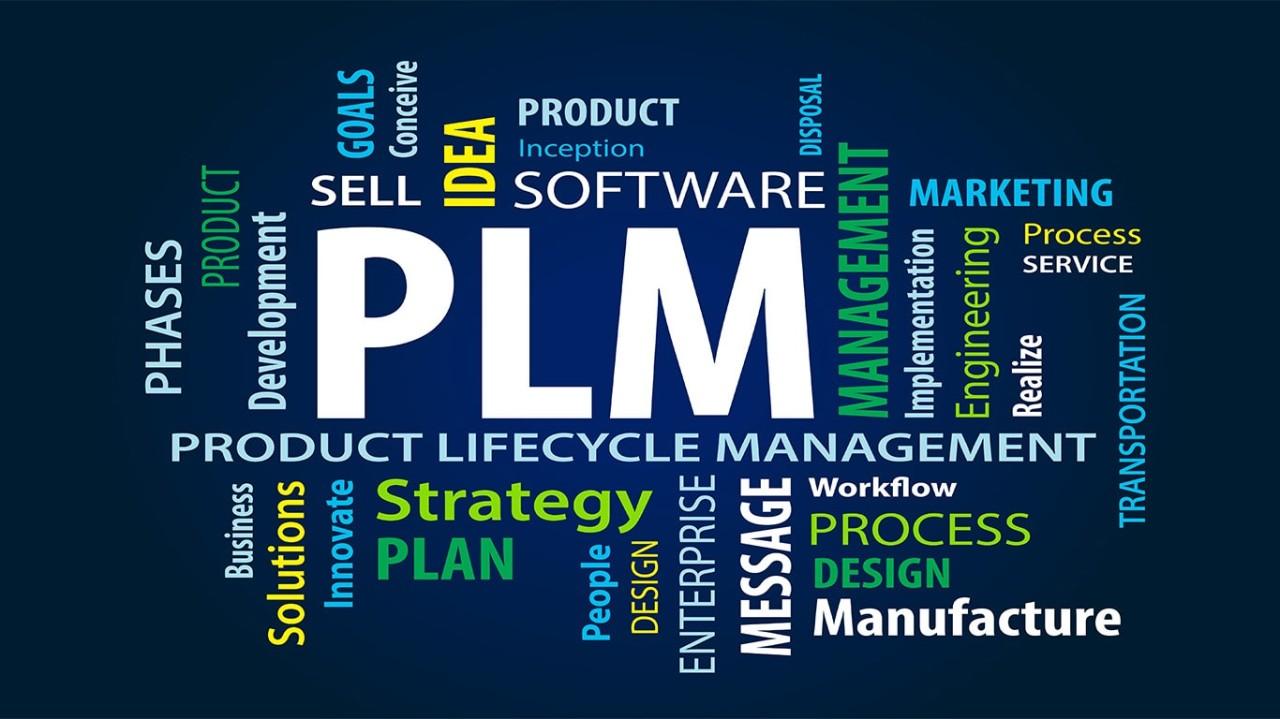
Product Lifecycle Management (PLM) is a business strategy and software system designed to manage the entire lifecycle of a product. It ensures the organization, monitoring, and optimization of data and processes across every stage—from product design and manufacturing to distribution, usage, and final recycling. PLM is a critical management tool that enhances the efficiency of product development, production, and operational processes, particularly in large organizations. Key Components of PLM P
EN
İsmail Yaslan
Configuration Management
Configuration Management (CM) is a structured discipline that ensures the systematic identification, organization, control, and documentation of project assets throughout the entire project lifecycle. As defined in the standard Practice Standard for Project Configuration Management published by the Project Management Institute (PMI) in 2007, this management process aims to ensure the integrity, traceability, and control of project outputs and supporting documentation against changes. Configurati
EN
Sabiha Meyra Şahinler
 Sy
SySystem and Software Configuration Management
Configuration management is a discipline within software engineering that encompasses the processes of identifying, tracking, controlling, and organizing a system’s components. This discipline aims to maintain consistency of system seems you've provided only the Turkish word "sistem" without additional context. In English, "sistem" translates to: **system** If this term appears within a larger encyclopedic context (e.g., "bilişim sistemi", "ekonomik sistem", etc.), please provide the full senten
EN
Sıla Temel
Configuration Management
Configuration Management (Configuration Management – CM) is a structured discipline that systematically identifies, organizes, controls, and documents all project assets throughout the project’s entire lifecycle. Project Management Institute (PMI) defines this management process in its 2007 standard Practice Standard for Project Configuration Management as aiming to ensure the integrity, traceability and control of project deliverables and supporting documentation against changes. Configuration
EN
Sabiha Meyra Şahinler