

`colors` Related Article Results

Why Is the Sky Blue?
When you look up at the sky, you often see a blue veil. But have you ever wondered why blue is the color and not some other? Light from the Sun is actually white. Yet within this white light are seven different colors, ranging from red to violet—just like in a rainbow! Around Earth lies the atmosphere, filled with air molecules. These molecules encounter sunlight and scatter it in different directions. Scientists call this phenomenon “light scattering”. Blue light has a much shorter wavelength t
EN
Hikmet Can Urhan
 Ps
PsPsychology and Colors: The Effect of Colors on Emotions
Colors appear in every moment of our lives; they are present everywhere, from the walls of our rooms to the clothes we wear. But what do these colors truly mean? How do they affect our brains and shape our emotional states? Understanding the psychological effects of colors means exploring not only aesthetics but also their impact on our inner world. The Psychological Power of Colors: How Our Brain Communicates with Colors When colors catch our eye, they influence not only our visual perception b
EN
Nida Üstün
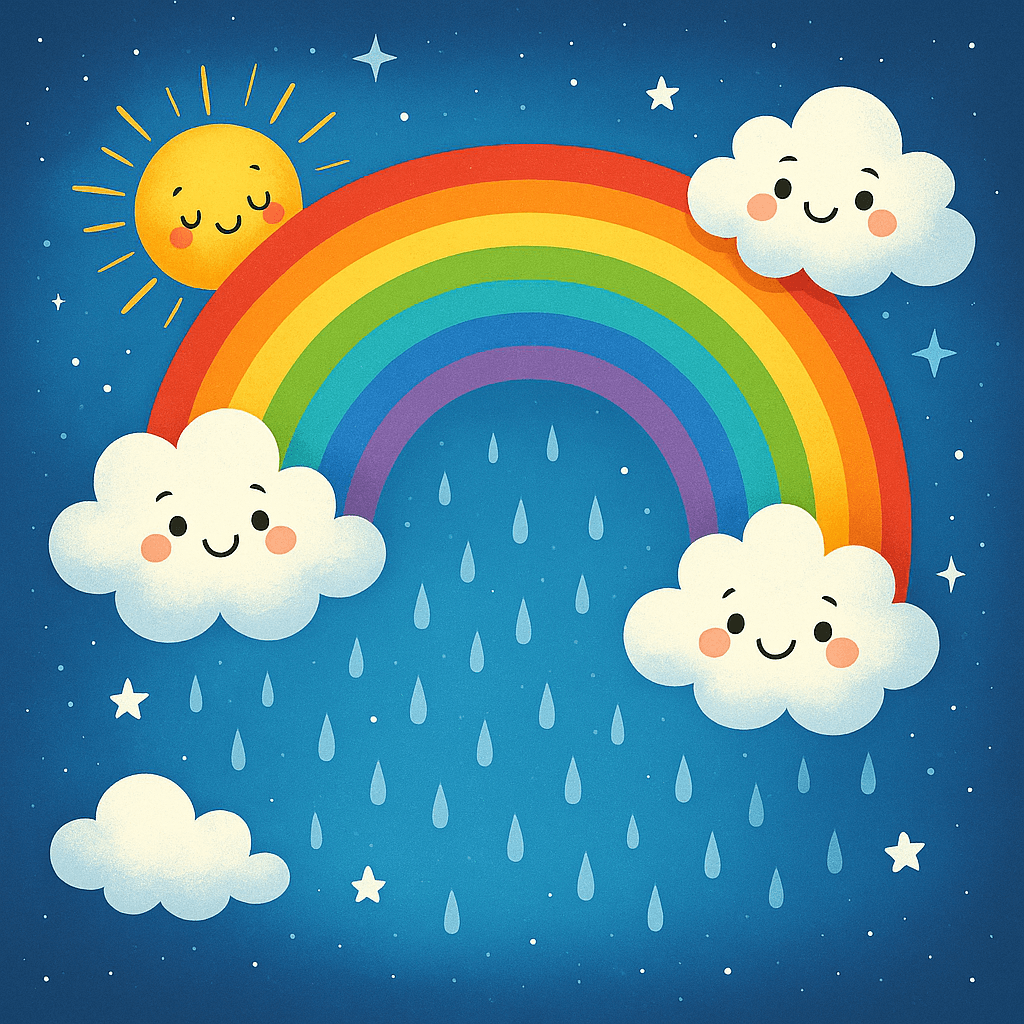
How does a rainbow form?
Have you ever seen the colorful arc in the sky after a rainstorm? That is called a rainbow! A rainbow is both enchanting and a wonderful demonstration of science. But how does it form? A rainbow forms when sunlight enters raindrops, refracts, reflects inside them, and refracts again as it exits. Sunlight is actually white but contains many colors ranging from red to violet. When this light enters a raindrop, it first refracts (changes direction), then reflects inside the drop, and refracts again
ENHikmet Can Urhan
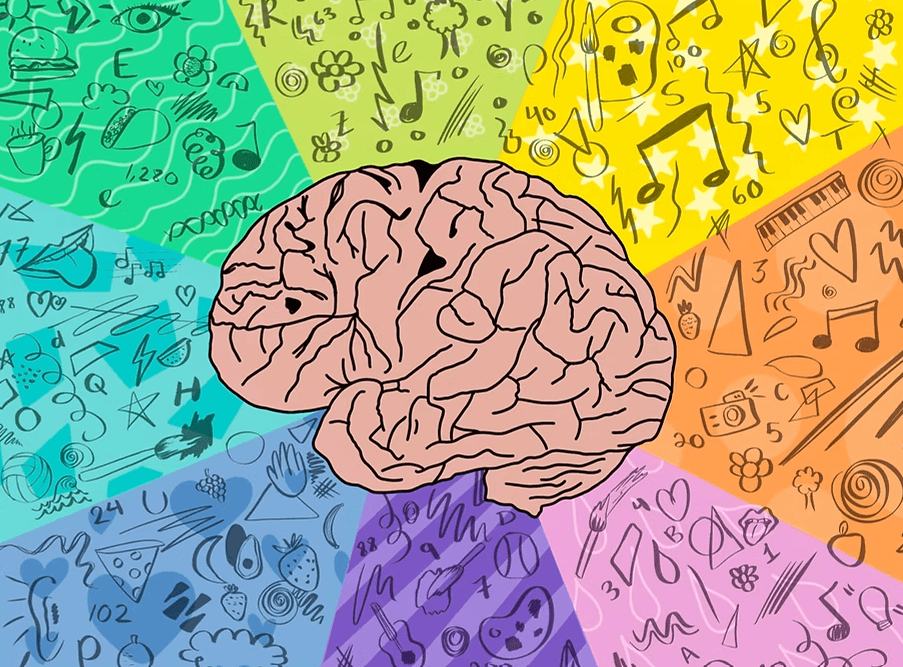
Synesthesia: The Colorful Dance of the Senses
Have you ever seen a color when you heard no sound? Or have you felt that letters and numbers have personalities? If you answered “yes” to these questions, you may have synesthesia, a rare neurological phenomenon in which one sense automatically triggers another, creating a striking and mysterious perceptual experience (Öçal, 2010). What Is Synesthesia? Synesthesia, derived from the Greek words “syn” (together) and “aisthesis” (perception), manifests in experiences such as perceiving a color whe
EN
Seda Sağlık
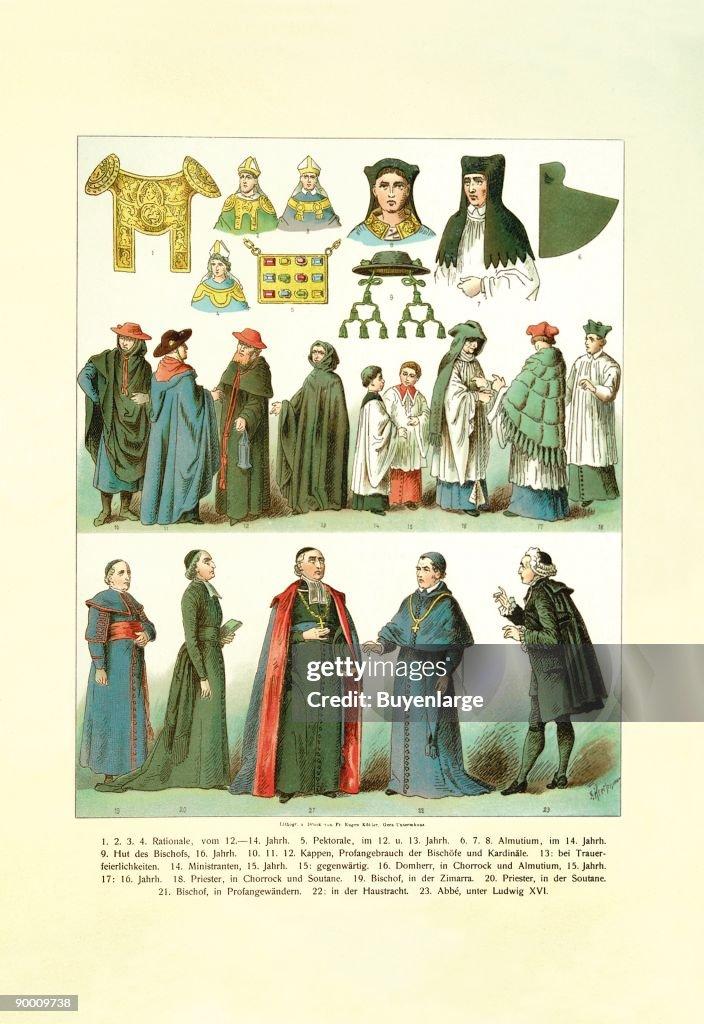
Costume, Clothing, and Colors in Antiquity and the Middle Ages
In antiquity and the Middle Ages, costume, clothing, and colors played a decisive role in distinguishing social class, occupation, gender, religious identity, and political power. The garments worn and colors used were regarded as symbolic indicators of an individual’s status, role, and personal characteristics in society. During these periods, clothing was not merely functional but also carried significant visual meaning as carriers of social and cultural significance. Costume, Clothing, and Co
EN
Nihal Fırat Özdemir