

`colonialism` Related Article Results
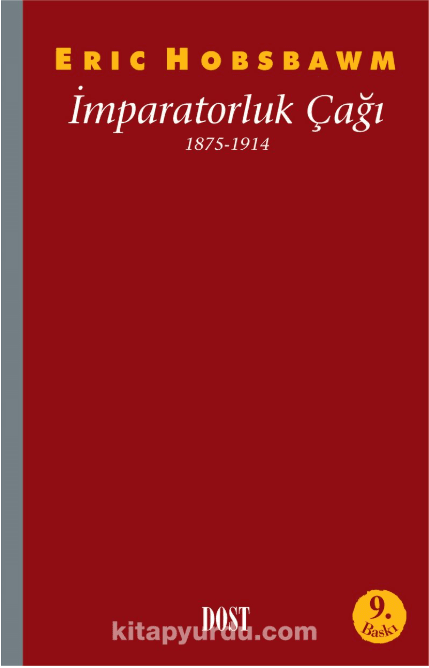
Imperial Age (Book)
Eric J. Hobsbawm’s book *The Age of Empire 1875–1914* is a comprehensive study analyzing the period from the late 19th century to the threshold of the First World War. The book examines how political economic and social transformations during this era shaped global power balances. Hobsbawm defines this period as one marked by imperialist policies economic expansion and competition among the great powers period. The Age of Empire " image-alternate="" image-element-format="right"> Content of th
EN
Ahsen Karakaş

How Did English Become a World Language?
The British Empire’s colonial policies played a dominant role in making English a global language. From the 17th century onward, Britain’s expansion into North America the Caribbean South Asia Africa and Oceania led to the establishment of English as an official and administrative language in these regions. The education systems and bureaucratic structures established in the colonies reinforced the spread of English. This process was not merely an administrative necessity; it also created a cult
EN
Muhammed Sonğuralp
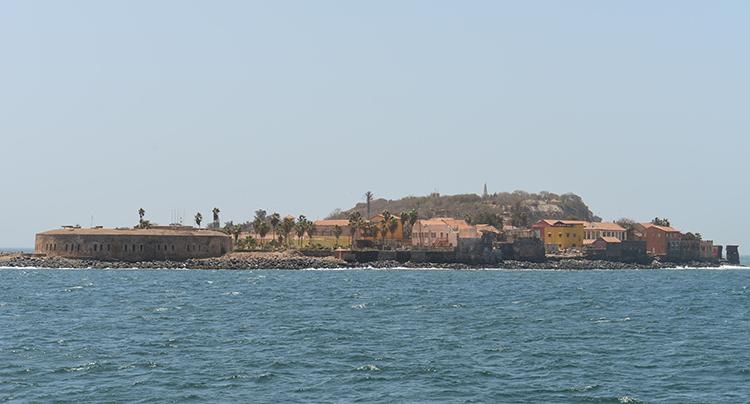
Gorée Island
Gorée Island is a historic island located off the coast of Senegal’s capital, Dakar, which served as a strategic hub in the transatlantic slave trade from the 15th to the 19th century. Today, it is protected under the UNESCO World Heritage List due to its historical legacy. Throughout its history, the island came under the administrative control of Portugal, the Netherlands, England, and France in succession. Architectural structures such as slave houses where captives were held before transport
EN
Yusuf Bilal Akkaya
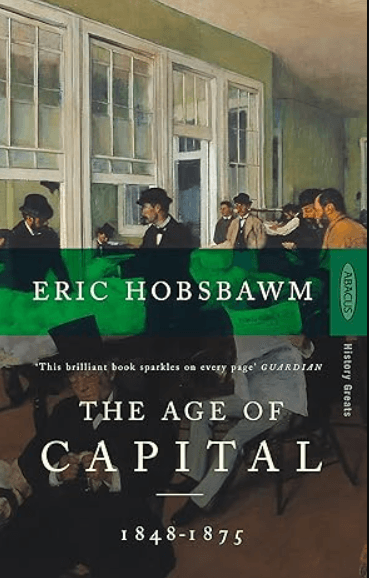
The Age Of Capital (Book)
Eric J. Hobsbawm’s The Age of Capital: 1848-1875 analyzes the transformation of Europe during the rise of industrialization and capitalism. Focusing on the economic, social, and political changes that shaped the world after the French Revolution and the 1848 revolutions, the book examines the emergence of capitalism as a global system and the profound transformations it triggered in historical context. Hobsbawm portrays this period not only as an era of economic growth but also as one marked by
EN
Ahsen Karakaş
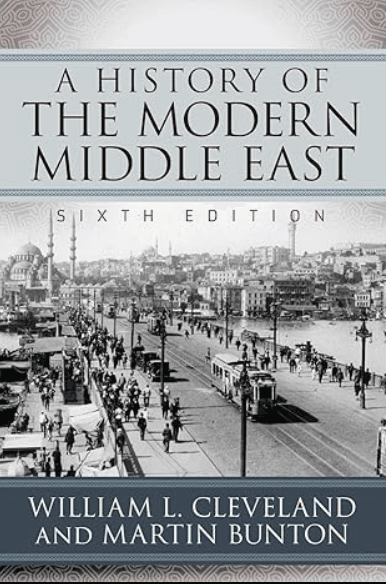
A History of the Modern Middle East
William L. Cleveland's A History of the Modern Middle East offers a comprehensive overview of the modern history of the Middle East. Beginning in the 19th century and extending to contemporary times, the book examines the region's political, social, and economic transformations. Cleveland analyzes the formation of the modern Middle East from the late Ottoman Empire through the influence of global powers, local dynamics, and regional changes. The work is regarded as a foundational resource in Mid
ENAhsen Karakaş
Colonialism: Great Injustices Throughout History (Children)
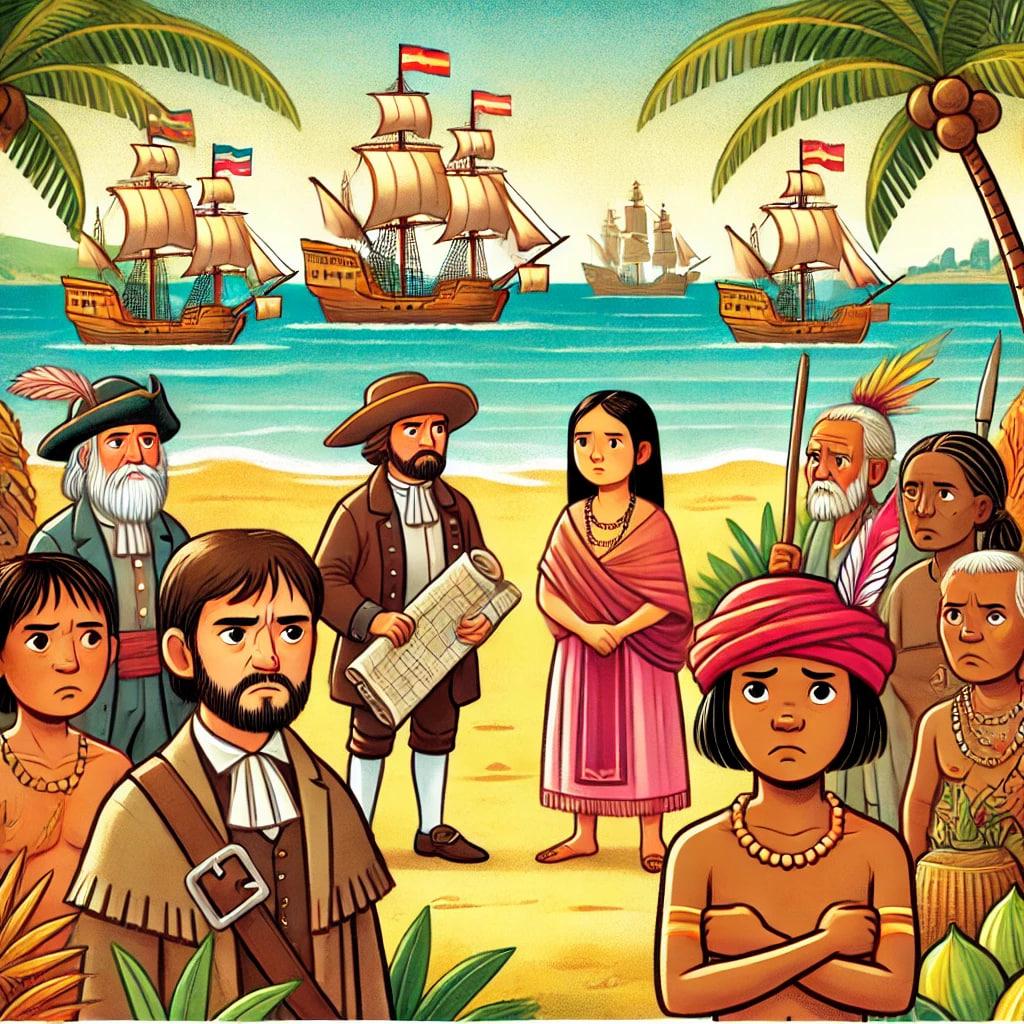
Colonialism is the practice by which powerful countries send people to other nations’ lands to establish sovereignty and exploit the resources of those territories for their own benefit. This situation has taken different forms from antiquity to the present day. Just as it was in the past, its effects continue today. Let us now examine this topic in simpler terms. The Beginning of European Colonialism and Early Explorations " image-alternate="" image-element-format="right"> How Did Colonialis
EN
Nurten Yalçın
Terra Nullius
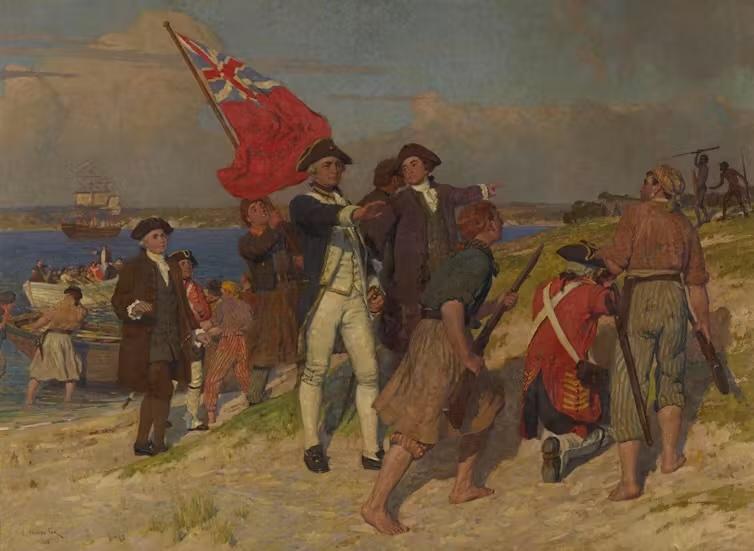
Terra nullius is a Latin term meaning "land belonging to no one" soil. In international law, it is used to describe territories that are not under the sovereignty of any state or have not been formally claimed by any state. This concept has frequently come to the fore throughout history in the contexts of exploration, colonialism, and border disputes. Historical Usage In Roman law, the concept of terra nullius was used to refer to unclaimed or abandoned land. During the Middle Ages, when the feu
EN
Doğan Eşkinat

Age of Capital (Book)
Eric J. Hobsbawm’s book *The Age of Capital: 1848–1875* analyzes the transformation of Europe through the rise of industrialization and capitalism. Focusing on the economic social and political changes that reshaped the world after the French Revolution and the revolutions of 1848 work examines how capitalism became a global system and contextualizes the transformations generated by this process within historical. Hobsbawm characterizes this period not merely as an era of economic growth but als
ENAhsen Karakaş
 Mo
MoModern History of the Middle East (Book)
William L. Cleveland’s book "Modern Middle East History" provides a comprehensive overview of the modern history of the Middle East. The book examines the political, social, and economic transformations in the region from the 19th century to the present day. Cleveland analyzes the formation of modern Middle Eastern states beginning with the late Ottoman Empire, through the influence of global powers, local dynamics, and regional transformations. Work and historical are addressed in a neutral man
ENAhsen Karakaş

Age of Capital (Book)
Eric J. Hobsbawm’s book The Age of Capital 1848–1875 analyzes the transformation of Europe through the rise of industrialization and capitalism. Focusing on the economic, social, and political changes that shaped the world after the French Revolution and the revolutions of 1848, the work examines how capitalism became a global system and places these transformations within a historical context. Hobsbawm describes this period not merely as an era of economic growth but also as a time when class s
ENAhsen Karakaş