

`collective-memory` Related Article Results
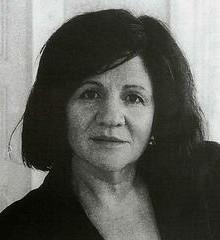
Gülsün Karamustafa
Gülsün Karamustafa, born in 1946 in Ankara and currently residing in Istanbul, is a prominent Turkish artist. Her father is radio announcer Hikmet Münir Ebcioğlu. In her art, she explores themes of identity, migration, gender, borders and collective memory. Education and Academic Career She received painting instruction during her high school years at Ankara College, where her teachers included Eşref Üren, Turgut Zaim and Selva Tamkan. In 1962 she held her first exhibition in school halls and ha
EN
Yahya B. Keskin
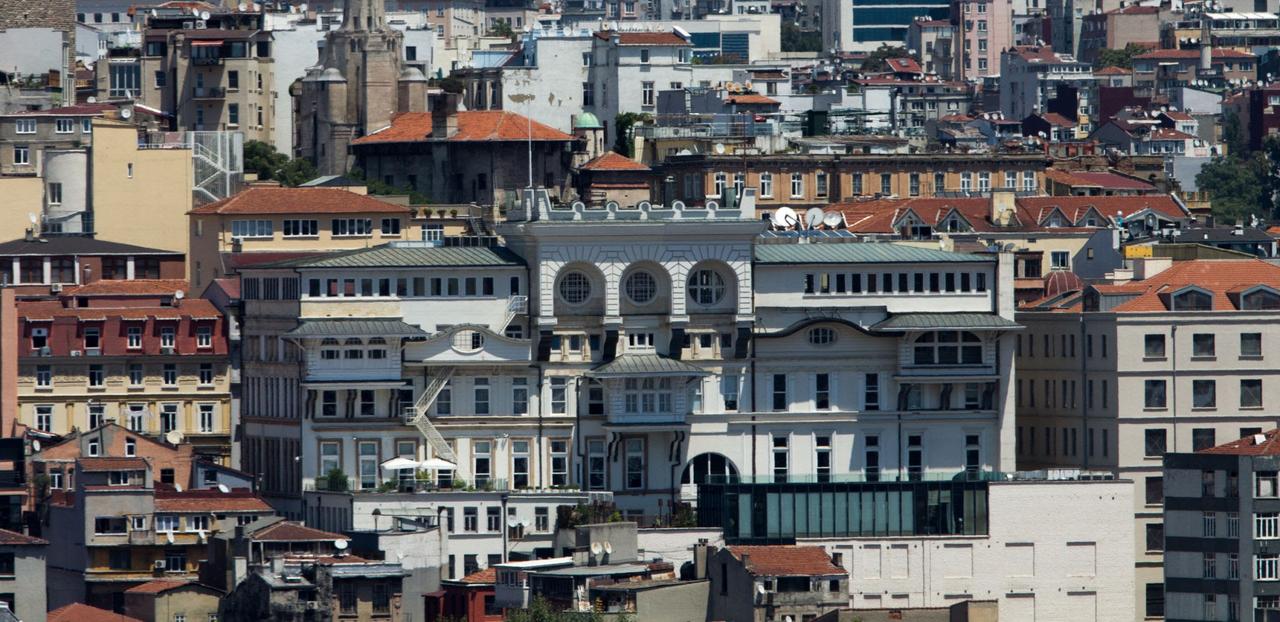
Urban Palimpsest
Urban palimpsest is a socio-spatial and architectural concept that refers to a city’s physical, spatial, and cultural fabric accumulating layers of traces from different historical periods, social practices, needs, and ideologies.【1】 The term derives from the Greek words palin, meaning "again," and psestos, meaning "scraped," combining to form palimpsēstos.【2】 In antiquity, due to the rarity and cost of parchment and papyrus, manuscripts with erased or scraped-off older texts rewritten on top we
EN
Kadriye Beyza Kirenci
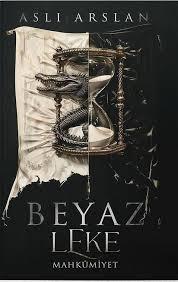
White Spot (Book)
Beyaz Leke is a literary work written by Aslı Arslan. The novel explores the individual’s inner conflicts, the impact of social memory on personal life, and the processes of forgetting and remembering. The concept of “white spot” symbolizes both gaps in personal memory and events suppressed or ignored at the societal level. Subject and Themes The themes of forgetting, remembering, trauma, identity, belonging, and memory are central to the work. The author interrogates the points of intersection
EN
Büşra Coşkun
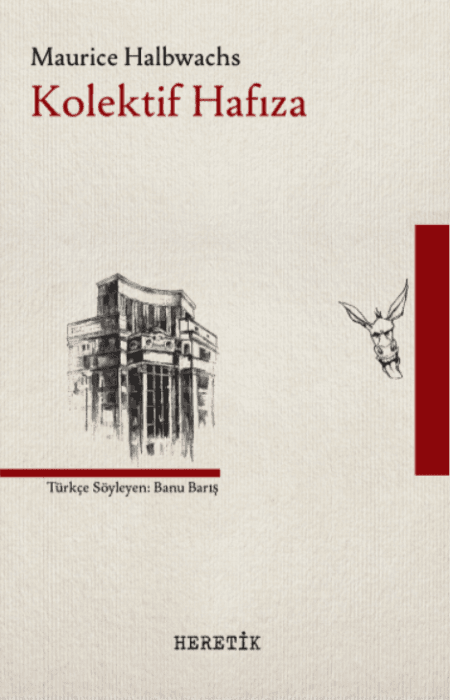
Collective Memory (Book)
Collective Memory is a work compiled from Maurice Halbwachs’s previously unpublished writings, published after his death. The study continues the themes addressed in Halbwachs’s 1925 work, The Social Frameworks of Memory. Halbwachs critiques psychological approaches to individual memory and analyzes how memory becomes embodied in space and objects, the mechanisms involved, and how memories are restructured through this process. The work examines the social framework of memory, exploring the rela
EN
Nursena Güller
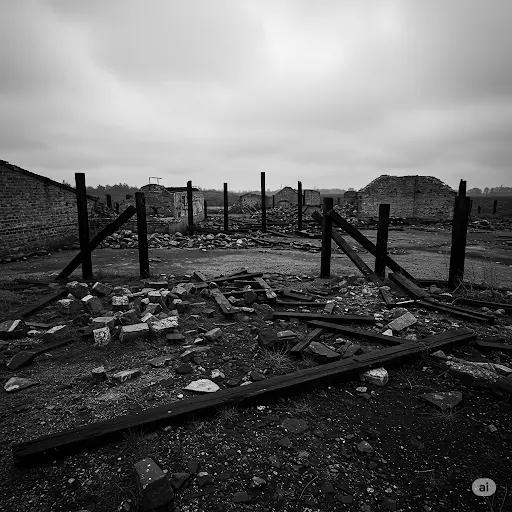
Dark Tourism
Dark tourism is a type of tourism that involves visiting places where tragic events have occurred. This form of tourism includes sites associated with death, disasters, wars, genocides, and other painful incidents. The primary purpose of dark tourism is to enable visitors to trace the marks of past catastrophes and tragic events. These locations carry tangible traces of historical traumas and offer visitors the opportunity to confront these events. Dark tourism aims to understand the darker aspe
EN
Emre Özen
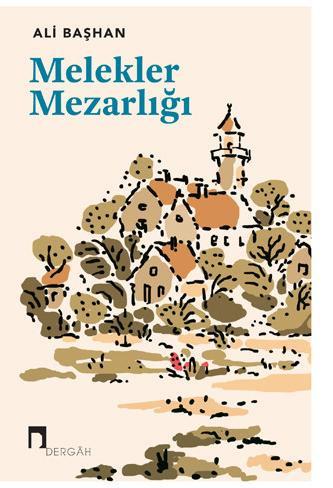
The Cemetery of Angels (Book)
The Cemetery of Angels (Melekler Mezarlığı), authored by Ali Başhan, was published in Istanbul in 2022 by Dergâh Publications. The narrative centers on themes of death, childhood, innocence, and collective memory, opening with a story where a town is shaken by the sudden death of a child nicknamed "The Storm" (Fırtına). The narrator awakens to the sound of roosters, only to learn that The Storm has fallen into an eternal sleep. The child, referred to as an “angel” by the townsfolk, is laid to re
EN
Muhammed Samed Acar

Canonical History
Canonical history is the construction of a specific past narrative into an official, central, and universally accepted history through selected events, figures, and stories. This type of historical narrative has become dominant in the collective memory of society and is typically institutionalized through education systems, state institutions, commemorative practices, and academic circles. Canonical history often excludes other narrative forms, recognizing only a single historical interpretation
EN
Mehmet Salih Çoban