

`clothing` Related Article Results
 Fa
FaFashion or Necessity? The Changing Meaning of Clothing
Clothing emerged as one of the most fundamental needs of human life. In early periods, garments used primarily for protection gradually acquired cultural and aesthetic meanings. Thus, clothing ceased to be merely a physical necessity and became elements reflecting the lifestyles of societies. Clothing culture in Ottoman society was regarded as an important component of the social order. The garments worn could convey information about an individual’s social status, economic power, and even their
EN
Sudenaz Inesi
DoDo Clothes Reflect Human Identity?
People often present themselves through their clothing before they speak. For this reason, clothing is regarded as one of the ways individuals express themselves. The preferred colors, fabrics, accessories, and styles create various impressions about a person’s lifestyle, social environment, and aesthetic understanding. Throughout history, societies have not viewed clothing solely as a physical necessity. In Ottoman society, garments served as important indicators of an individual’s social statu
ENSudenaz Inesi
Aba
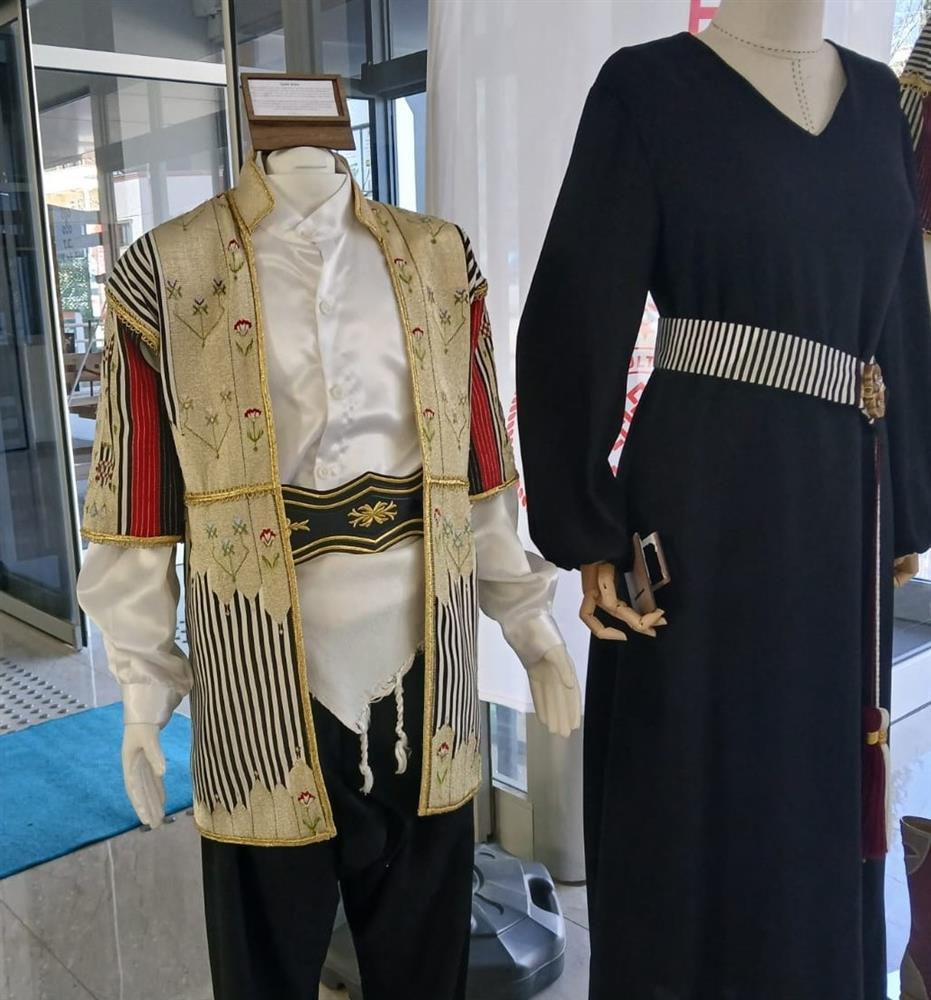
Aba is a term referring to a traditional fabric woven from animal fibers and the garments made from this fabric. It is defined as a thick textile product produced through weaving techniques. Historically, it has been one of the traditional upper garments. Its production is carried out within the scope of traditional weaving activities. Aba is considered among traditional clothing elements within folk culture. Raw Materials and Structural Properties The primary raw material used in aba weaving is
ENRabia Dalkıran
What Is a Sewing Machine?
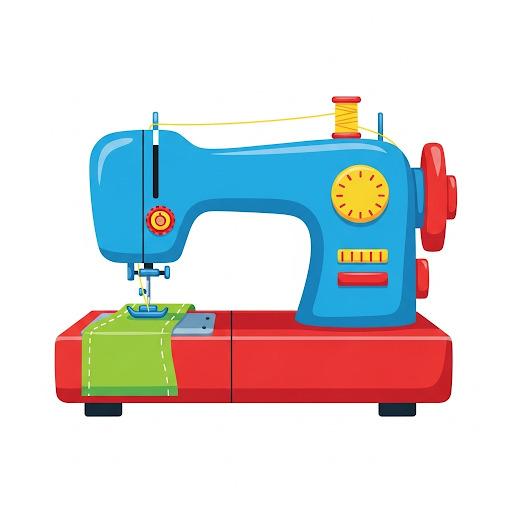
A sewing machine is a wonderful tool that stitches fabrics together with thread! It works like a magical needle and thread. In the past, sewing our clothes, bags, or other items took a very long time. But thanks to the sewing machine, we can now do these tasks much faster and more easily! How Does It Work? A sewing machine uses a special needle and thread to pass through the fabric. It pulls the thread from beneath and above the fabric, creating tiny knots. These knots hold the fabrics tightly t
ENAlperen Şener
Button
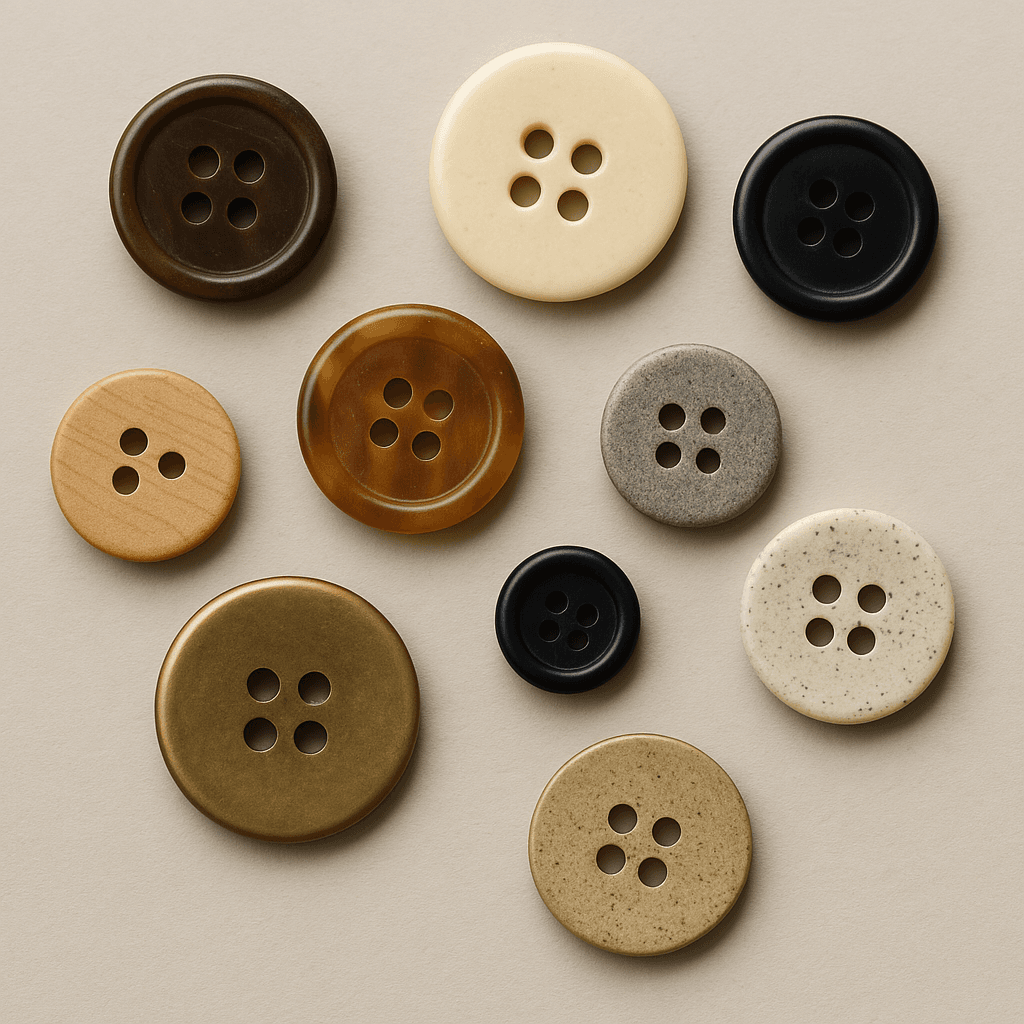
A button is a clothing accessory, typically round and perforated, used to fasten two pieces of fabric together. While serving a functional role in garments, it has also acquired aesthetic, symbolic, and cultural meanings over time. History The exact origins of the button cannot be definitively established, but archaeological evidence suggests its use dates back to around 2000 BCE. Buttons used to join two cords have been found in ancient Chinese tombs, while in Mesopotamian and Egyptian civiliza
EN
Kerem Akıl
Pers Clothing and Accessories
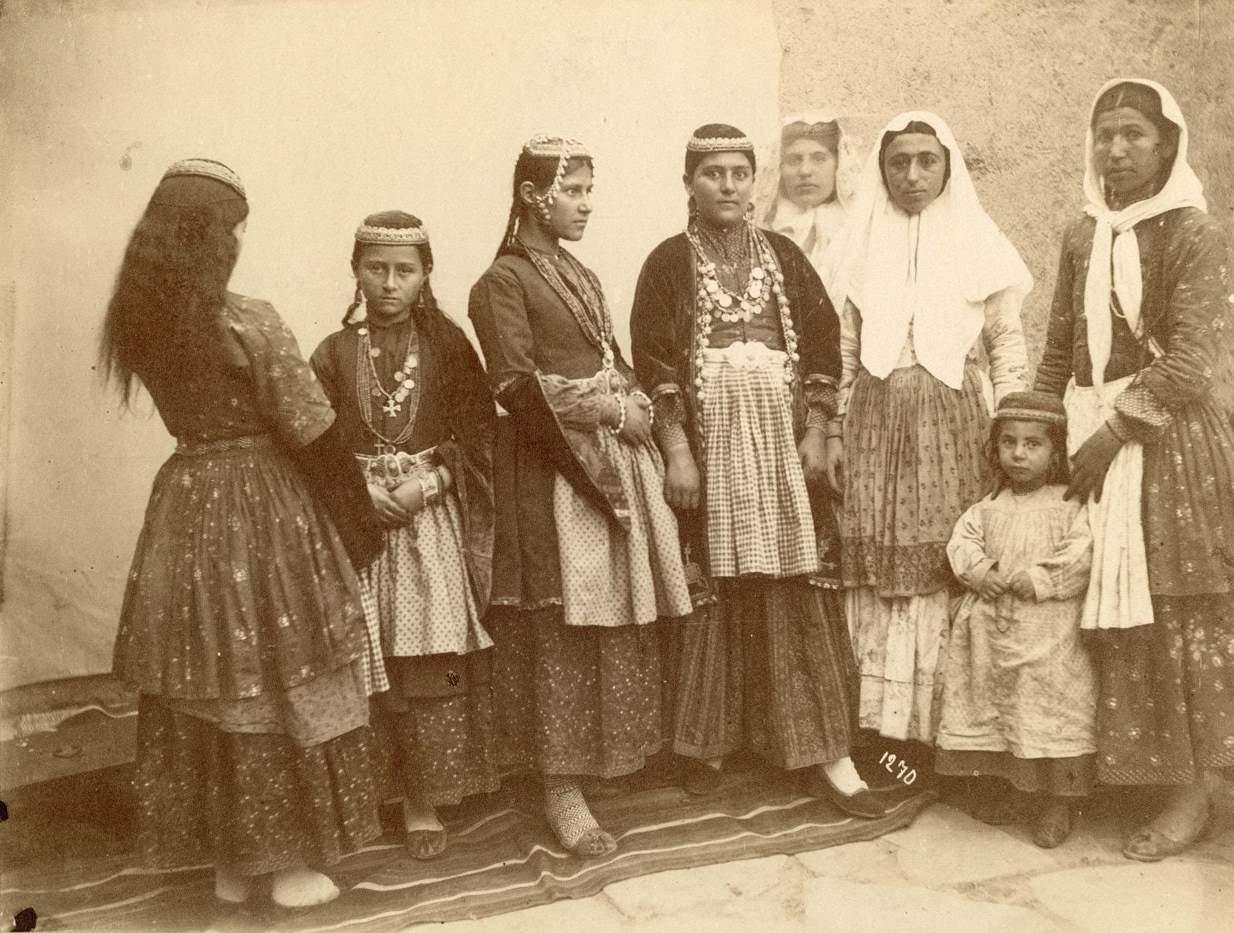
Pers clothing is a cultural element that throughout history has combined functionality with aesthetic elements. It typically featured long, loose-fitting garments, belts, and head coverings, with fabric quality and ornamentation varying according to social status. Handwoven fabrics, patterned motifs, and vibrant colors are characteristic features of this tradition. The Socio-Cultural Role of Clothing Iranian (Persian) women’s clothing was not merely a response to modesty requirements or climatic
EN
Ali Doğan Demir
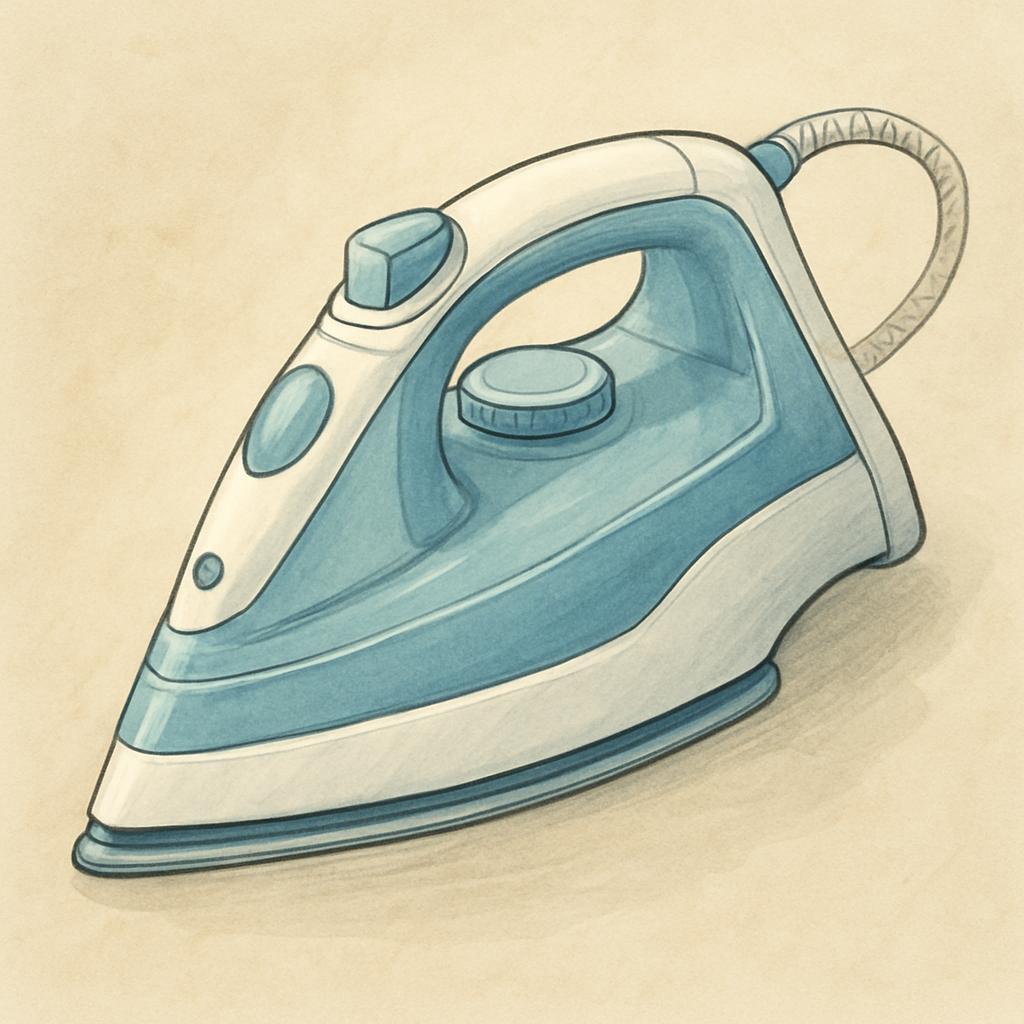
The History of the Iron
👕 What Is an Iron? An iron is a household appliance used to remove wrinkles from clothing. After washing, fabrics become creased; the iron eliminates these wrinkles through heat and pressure, making garments look neater and more elegant. 🔍 Where Did the Idea of Removing Wrinkles Come From? Even thousands of years ago, people wanted their clothes to appear smooth. For this reason, they used stones, heavy mallets, and heated metals to flatten fabric. Over time, this idea evolved, and the iron wa
EN
Mustafa Cem İnci
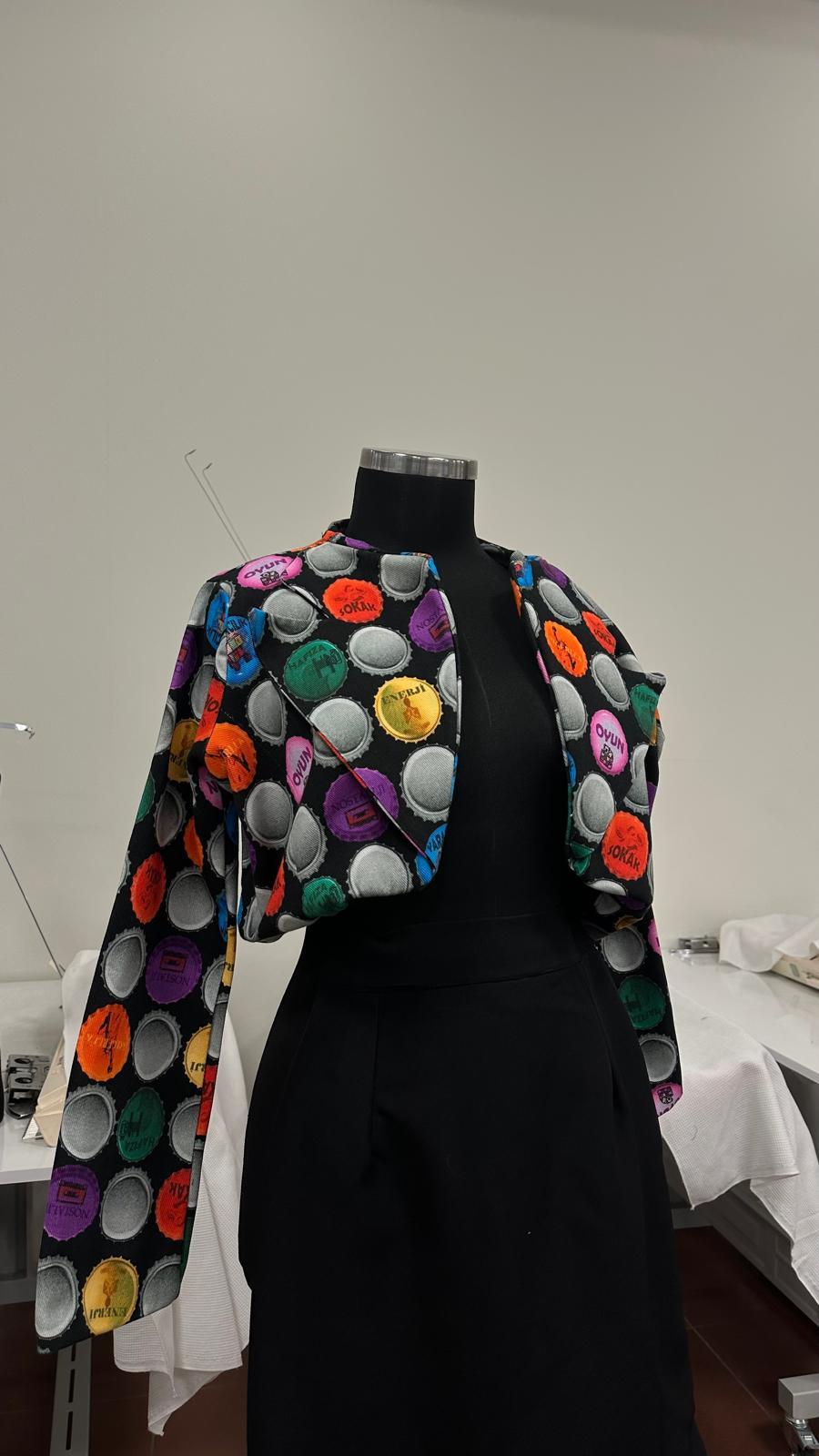
The Silent Messages Carried by Clothing
Throughout human history, clothing has never been merely garments that cover the body. At times, they have become an invisible language, silently conveying status, belief, or belonging to a particular society. Long before people spoke, they began forming opinions about one another based on their attire. This is because clothing has often been one of the primary ways individuals express themselves. When examining past societies, it is clear that clothing was never merely an aesthetic choice. In O
ENSudenaz Inesi