

`close-reading` Related Article Results
 Ne
NeNew Criticism
New Criticism is a literary theory that emerged in the first half of the 20th century, particularly in the United States, and evaluates literary works within their own autonomous structure. This approach sets aside external factors such as historical context, the author’s biography, or reader responses, treating the text as a closed and unified whole. At the center of this theory lies the "close reading" method; it argues that the linguistic, formal, and aesthetic elements of a text must be exam
EN
Meryem Şentürk Çoban
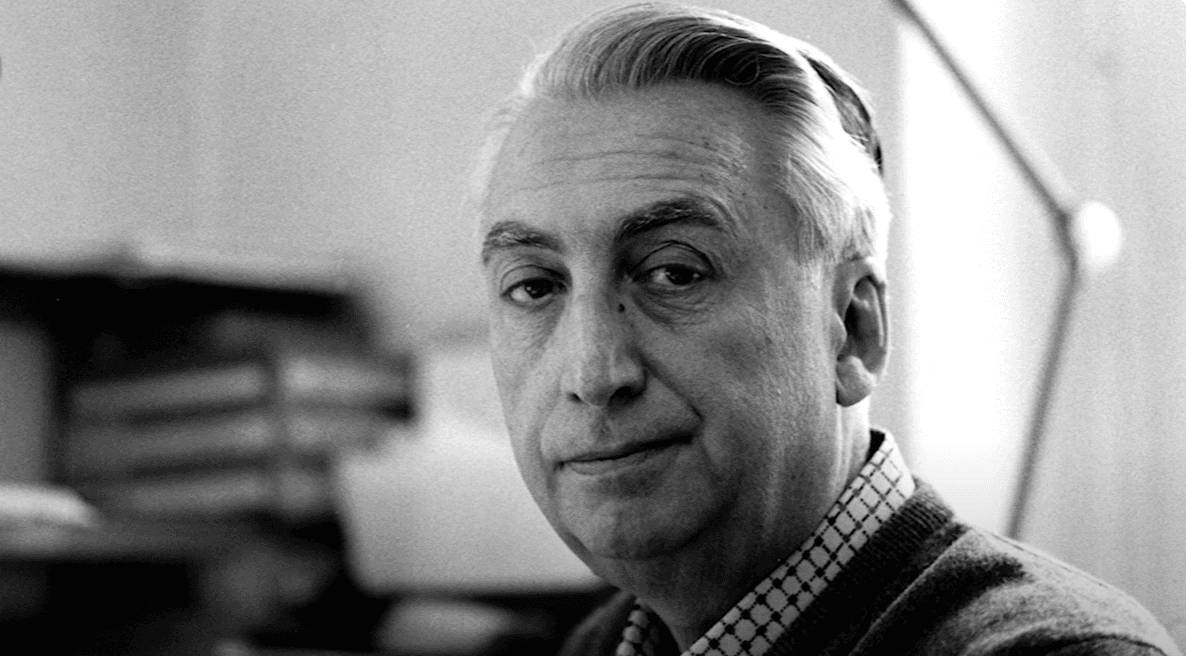
Roland Barthes
Roland Barthes (1915–1980) is a major figure in 20th-century literary and cultural theory, recognized as a French thinker, literary theorist, semiotician, and critic. Youth and Education Barthes was born in 1915. During his youth he faced health problems; during World War II he was treated for tuberculosis in a sanatorium from 1942 to 1945. This experience profoundly shaped his intellectual development and directed him toward a life of writing. In his academic years he focused on classical philo
ENMeryem Şentürk Çoban
NeNear Reading
Close reading is an analytical method based on the careful and detailed examination of literary texts. This approach aims not only to uncover the surface meaning of a text but also to conduct an in-depth analysis of its linguistic formal and structural elements. The reader carefully evaluates elements such as word choice syntax imagery symbolism and themes to reveal the text’s layered meanings. Core Principles The foundation of close reading lies in the assumption that the elements constituting
ENMeryem Şentürk Çoban
YaYakın Okuma
Yakın okuma (close reading), edebî metinlerin dikkatli ve ayrıntılı bir biçimde incelenmesine dayanan bir analiz yöntemidir. Bu yaklaşım, metnin yalnızca yüzeysel anlamını değil, aynı zamanda dilsel, biçimsel ve yapısal unsurlarını derinlemesine incelemeyi amaçlar. Okuyucu, metindeki kelime seçimleri, sözdizimi, imgeler, semboller ve temalar gibi unsurları dikkatle değerlendirerek metnin çok katmanlı anlamlarını ortaya çıkarmaya çalışır. Temel İlkeler Yakın okumanın temelinde, edebî eserin anlam
TRMeryem Şentürk Çoban