

`chloroplast` Related Article Results
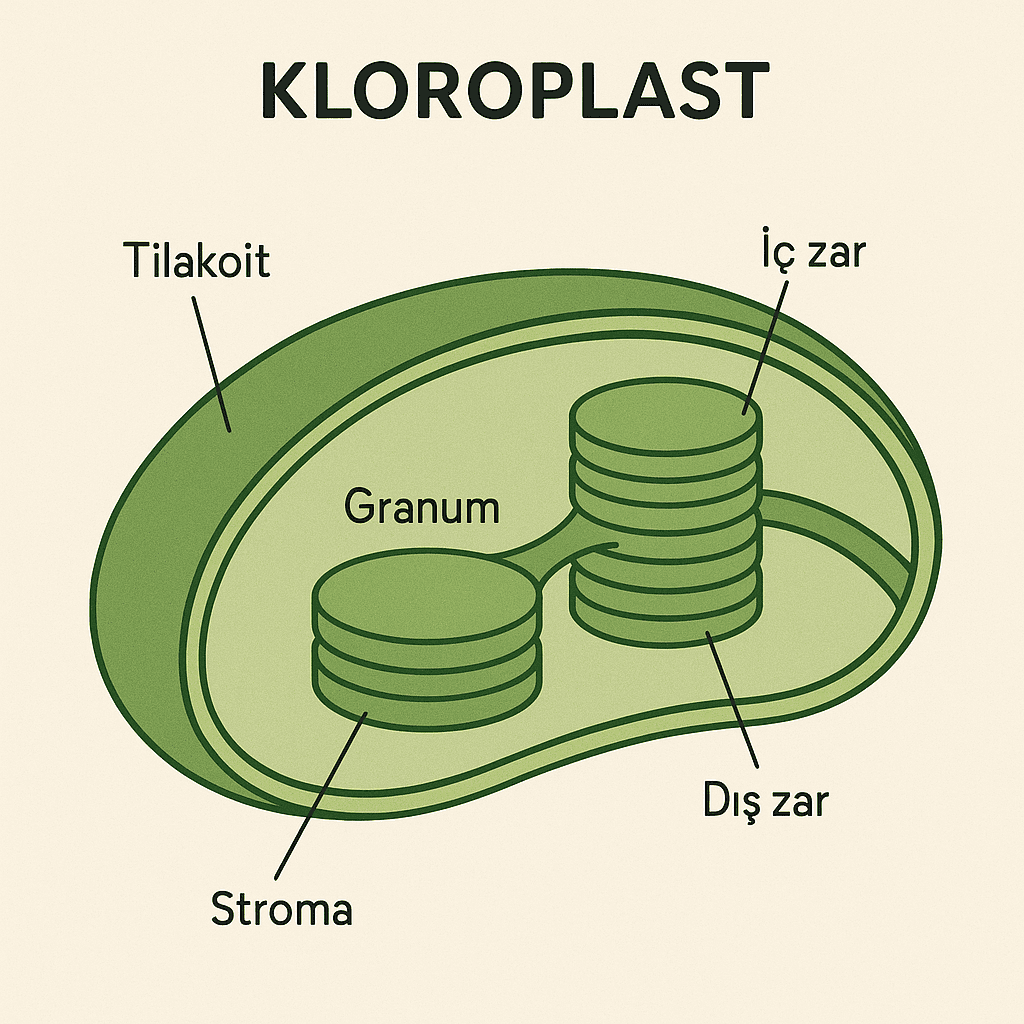
Chloroplast
Chloroplast is an important organelle found in plant, algal, and some protist cells where photosynthesis occurs. This organelle converts light energy into chemical energy, enabling the synthesis of organic compounds. Chloroplasts in eukaryotic cells are surrounded by a double membrane and possess their own genetic material and protein synthesis machinery. Chloroplast Organelle (Generated by Artificial Intelligence.) " image-alternate="" image-element-format="right"> Morphology and Structure o
EN
Zehra Yayla
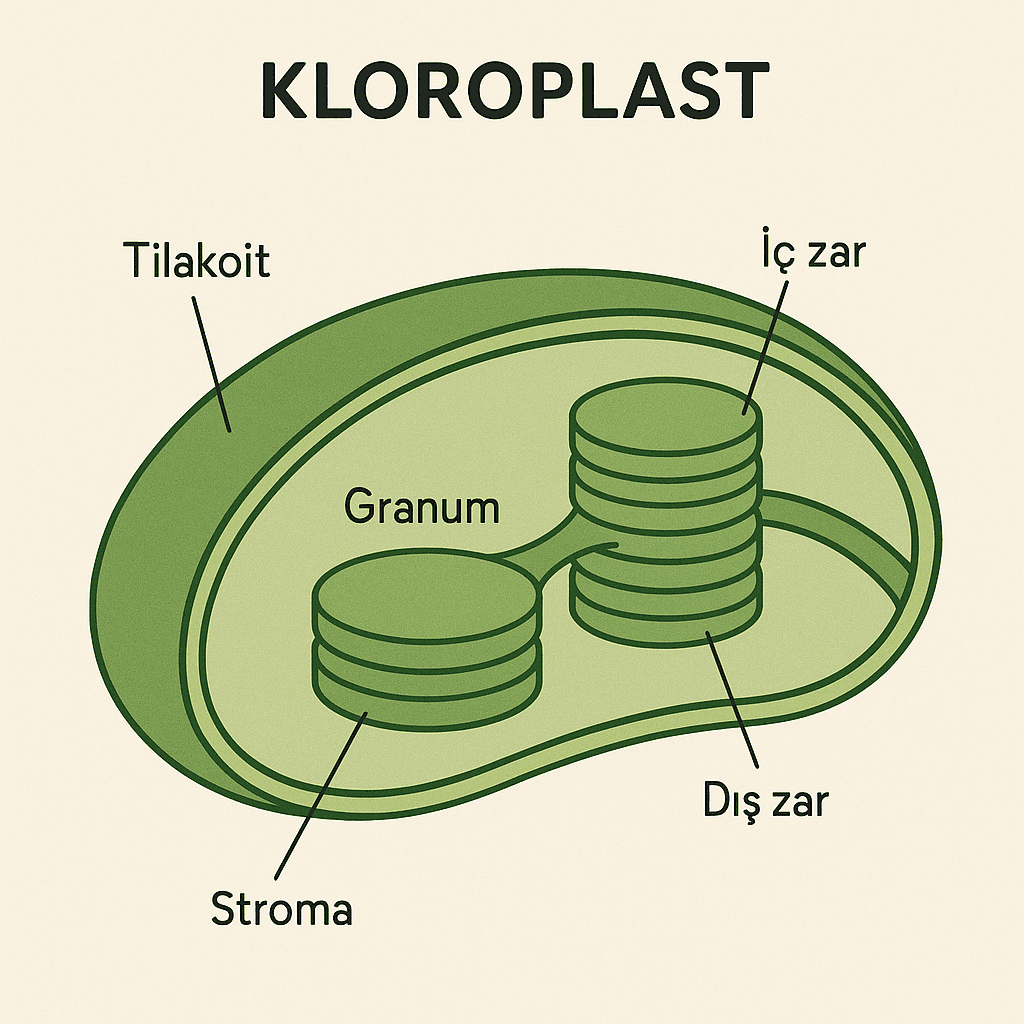
Chloroplast
Chloroplast is an important organelle found in plant, algal, and some protist cells where photosynthesis occurs. This organelle converts light energy into chemical energy to enable the synthesis of organic compounds. Chloroplasts in eukaryotic cells are surrounded by a double membrane and contain their own genetic material and protein synthesis machinery. Morphology and Structure of the Chloroplast Chloroplasts are typically oval or disc-shaped with diameters ranging from approximately 5 to 10 m
EN
Zehra Yayla
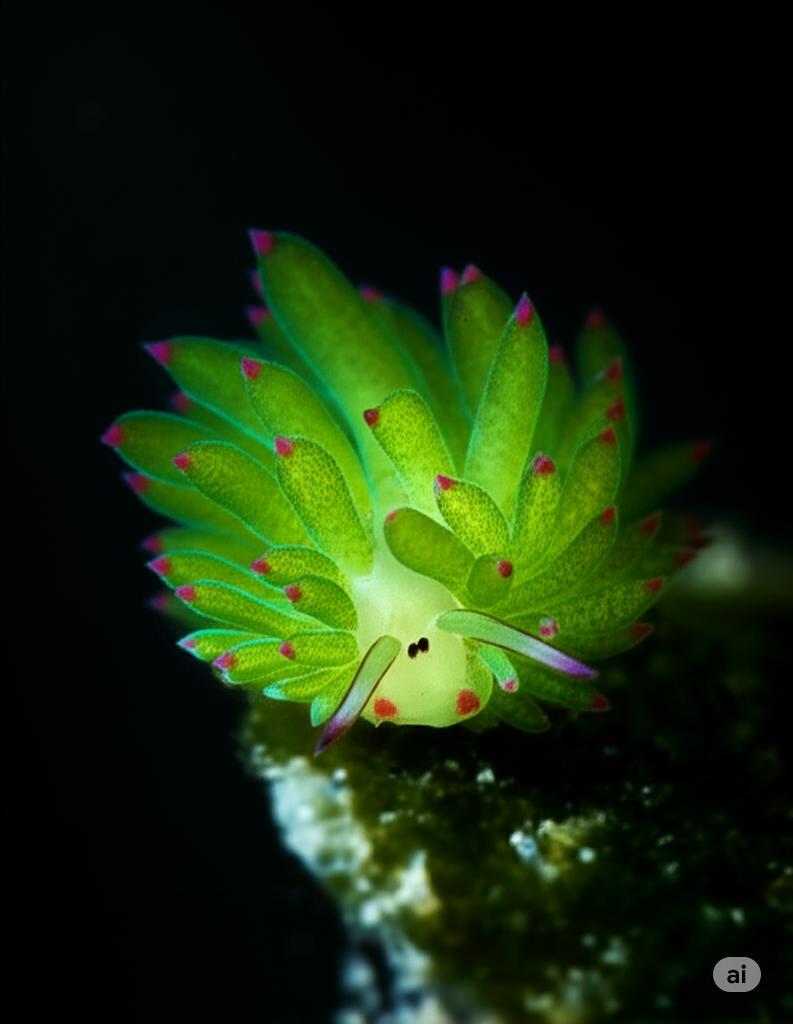
Leaf Sheep (Costasiella kuroshimae)
Costasiella kuroshimae is a small marine animal belonging to the order Sacoglossa, commonly known as the "leaf sheep." It measures approximately 5 mm in length. The species was first described in 1993 off the coast of Kuroshima Island in Japan. It belongs to the group of mollusks known as sea slugs. Appearance and Morphology Costasiella kuroshimae possesses green-colored cerata (outgrowths) on its back. These structures serve to store chloroplasts acquired from its food. The head features two se
EN
Zeynep Ahmetbeyoğlu