

`childrens-rights` Related Article Results
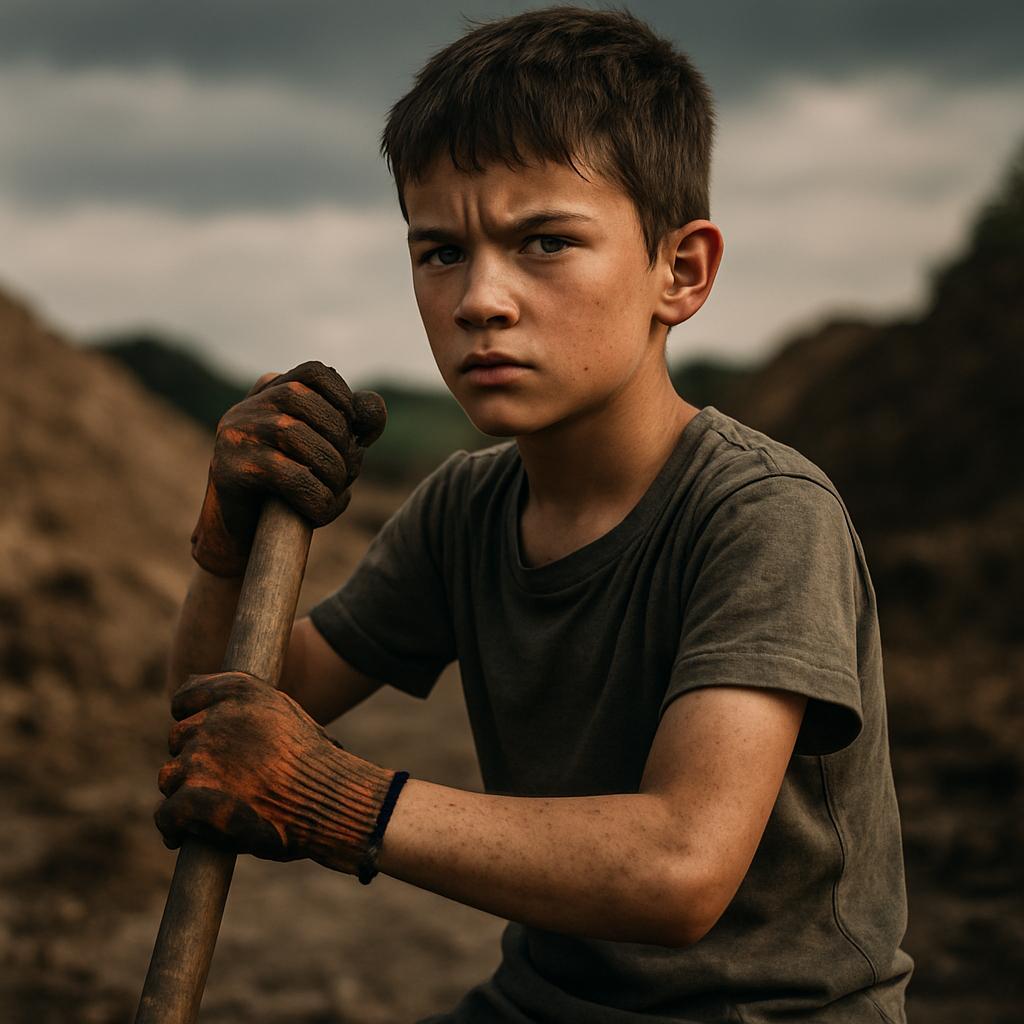
June 12 World Day Against Child Labour
June 12 World Day Against Child Labour is an international day observed annually at the global level through events and activities aimed at raising awareness against the exploitation of child labour that negatively affects children’s physical, mental and emotional development. This special day is organized by United Nations agencies, primarily the International Labour Organization (ILO), civil society organizations and trade unions to defend children’s rights and prevent child labour. Definition
EN
Zozan Demirci
UNICEF
UNICEF is a United Nations agency established on 12 December 1946 by a resolution of the United Nations General Assembly. Initially known as the International Children’s Emergency Fund (ICEF), its purpose was to provide emergency assistance to children suffering under the heavy burdens of war, destruction, poverty and mass displacement following the Second World War. In 1953, UNICEF became a permanent agency within the UN; as part of this change, the words “International” and “Emergency” were re
ENZozan Demirci
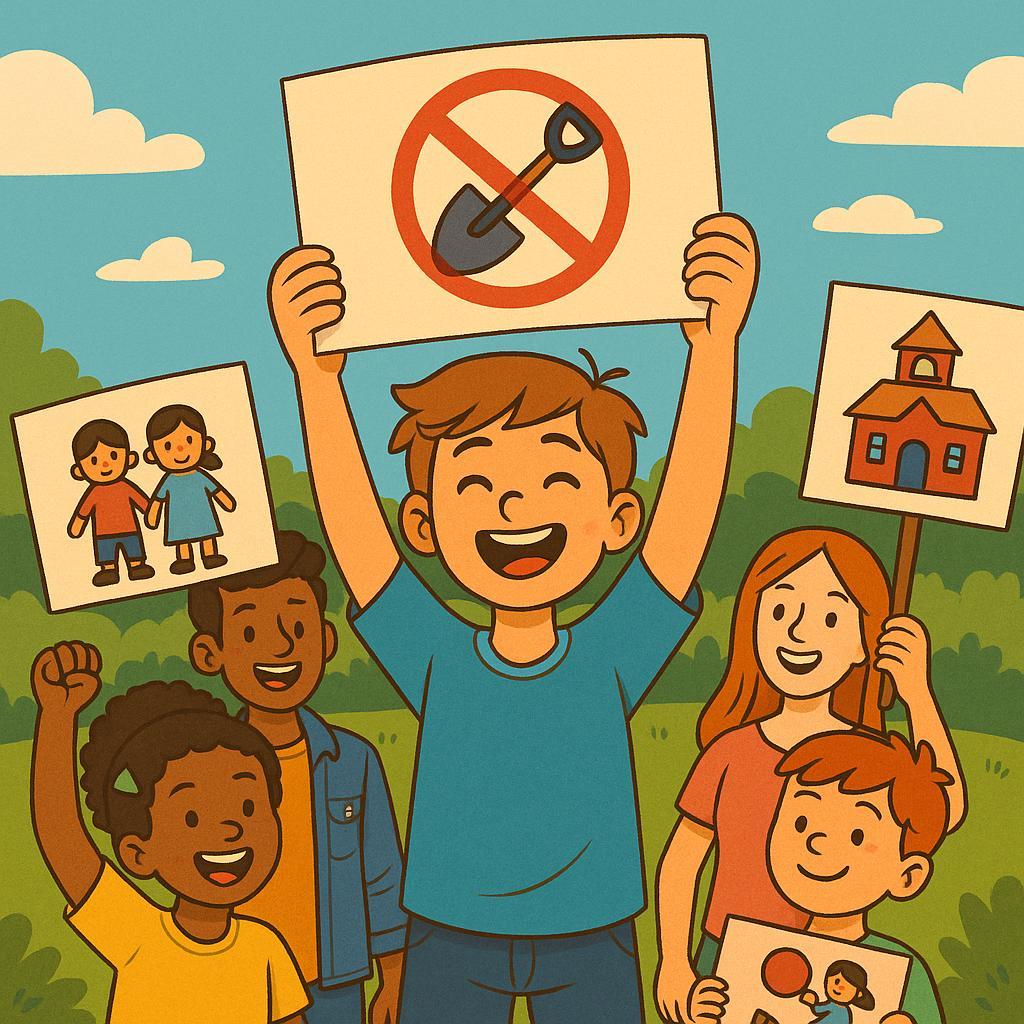
World Day Against Child Labour
12 June is observed annually as World Day Against Child Labour. This special day aims to raise awareness of the hardships faced by children working around the world and to remind everyone of their most fundamental right: the right to grow up playing, learning, and in safety. What Is Child Labour? Child labour refers to the employment of children in work that is inappropriate for their age and negatively affects their development and education. Such work can harm children’s health, safety, and we
EN
Zozan Demirci
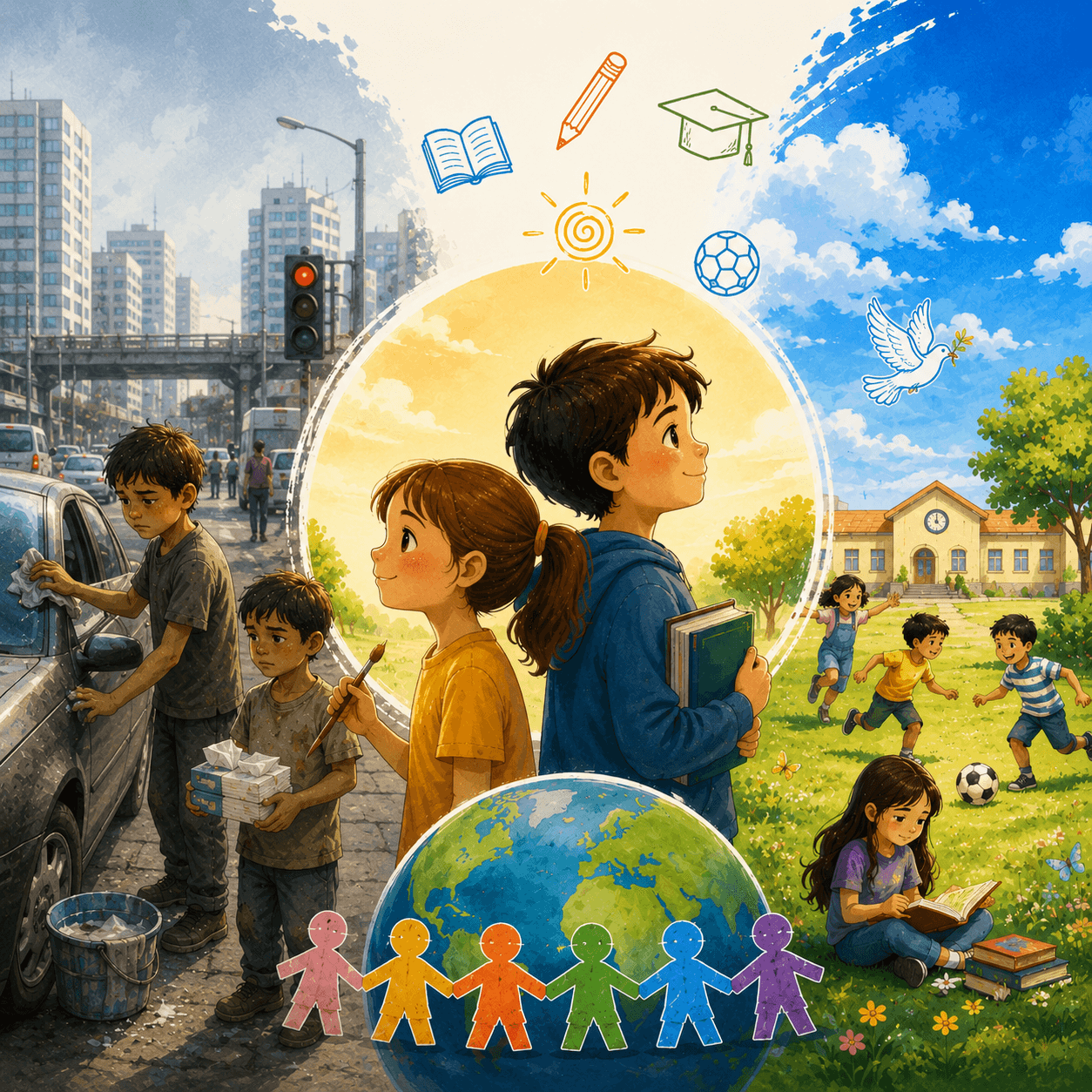
World Day Against Child Labour
June 12 is observed annually as World Day Against Child Labour. This special day aims to raise awareness of the hardships faced by children working around the world and to remind everyone of their most fundamental right—the right to grow up playing, learning, and in safety. What Is Child Labour? Child labour refers to the employment of children in work that is inappropriate for their age and negatively affects their development and education. Such work can harm children’s health, safety, and wel
ENZozan Demirci
 So
SoSocial Media Ban for Under-16s in Türkiye
A comprehensive regulation by the UK government aims to reduce the risks children face in digital environments by restricting access to social media platforms for individuals under the age of 16. Announced by Prime Minister Keir Starmer, the regulation is considered one of the most extensive social media restrictions introduced in Europe in recent years under its online safety policy framework. The government aims for the regulation to come into effect in early 2027. Development of the Regulatio
EN
Zeynep Gül
Hungary's 15th Constitutional Amendment (2025)
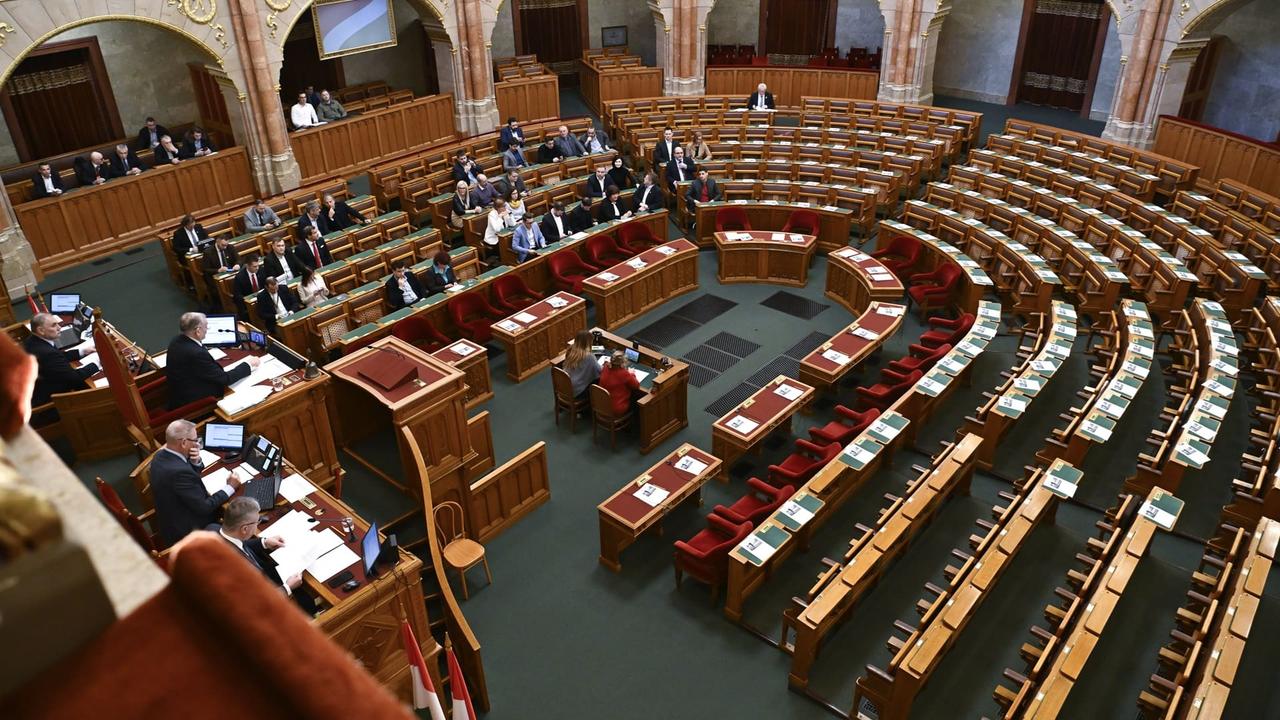
The package adopted by the National Assembly of Hungary on 14 April 2025 introduces amendments across various topics including gender definition, LGBT+ activities, child rights, citizenship practices, drug control, cash payment rights, internal migration and extraordinary state regulations like. Legislative Process The constitutional amendment proposal presented by Hungary’s ruling Fidesz–KDNP coalition was adopted on 14 April 2025 with 140 votes in favor and 21 against. The approved amendments
EN
Edanur Karakoç
Social Orphan
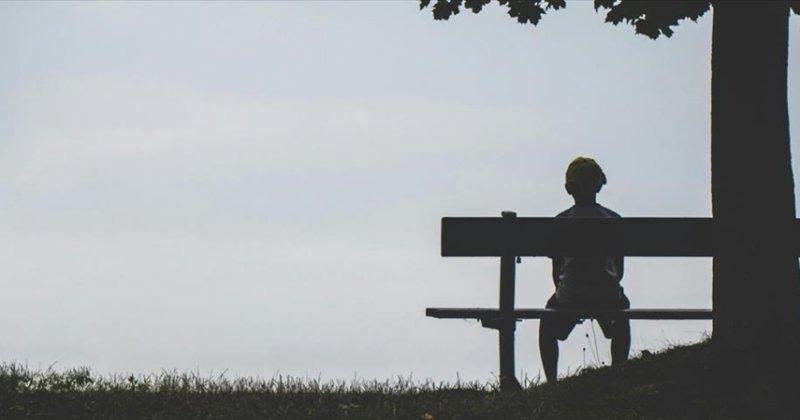
The concept of social orphanhood extends beyond the traditional definition of “orphan” to refer to children who, despite having living parents, are deprived of care, attention, love, and guidance due to various reasons. While in Islamic literature “orphan” typically denotes a child who has lost their father, modern law and social sciences adopt a broader framework in which orphanhood encompasses the loss of both parents. However, social orphanhood specifically refers to situations where a child’
EN
Züleyha İkra Karslı