

`chemical-properties` Related Article Results
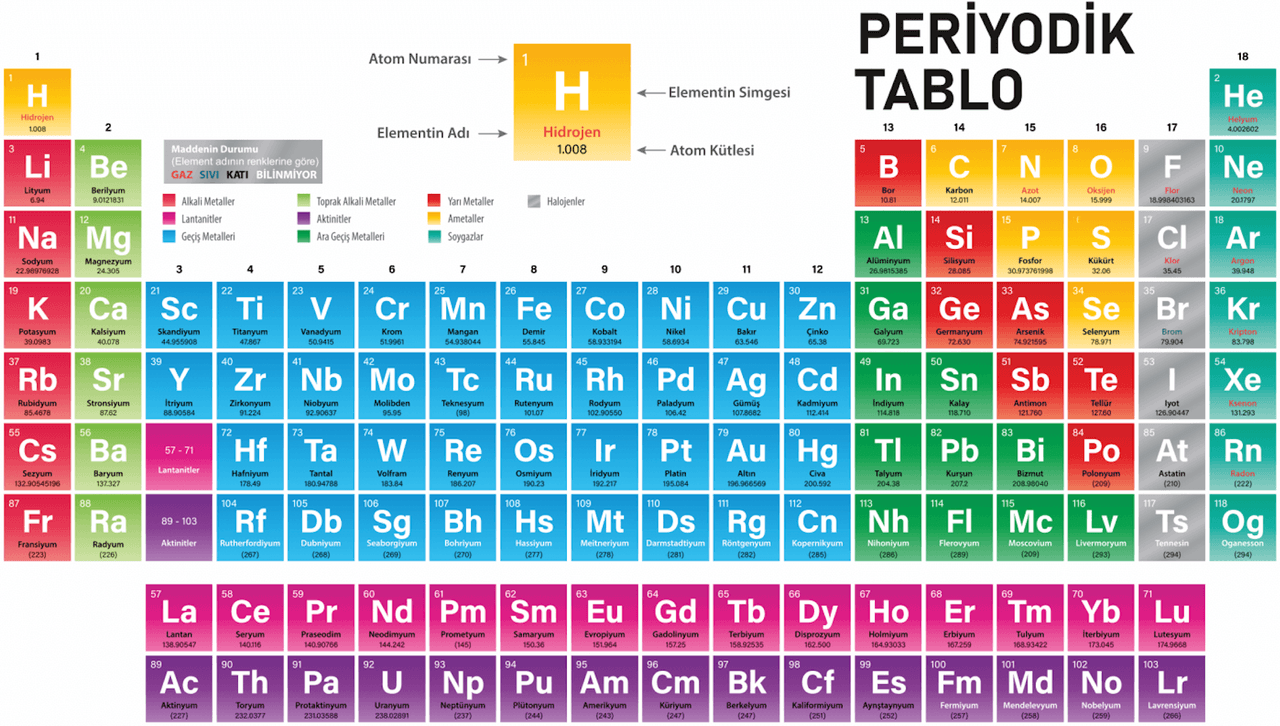
Element
An element is a pure chemical substance composed entirely of atoms of a single type, pure. Each atom in an element is defined by its atomic number, which represents the number of proton in its nucleus. This atomic number distinguishes one element from another; in other words, each element has a unique atomic number. For example, all atoms with six protons are carbon (C), while those with eight protons are oxygen (O). Elements are the fundamental building building blocks of all matter in the univ
EN
Fatih Birinci
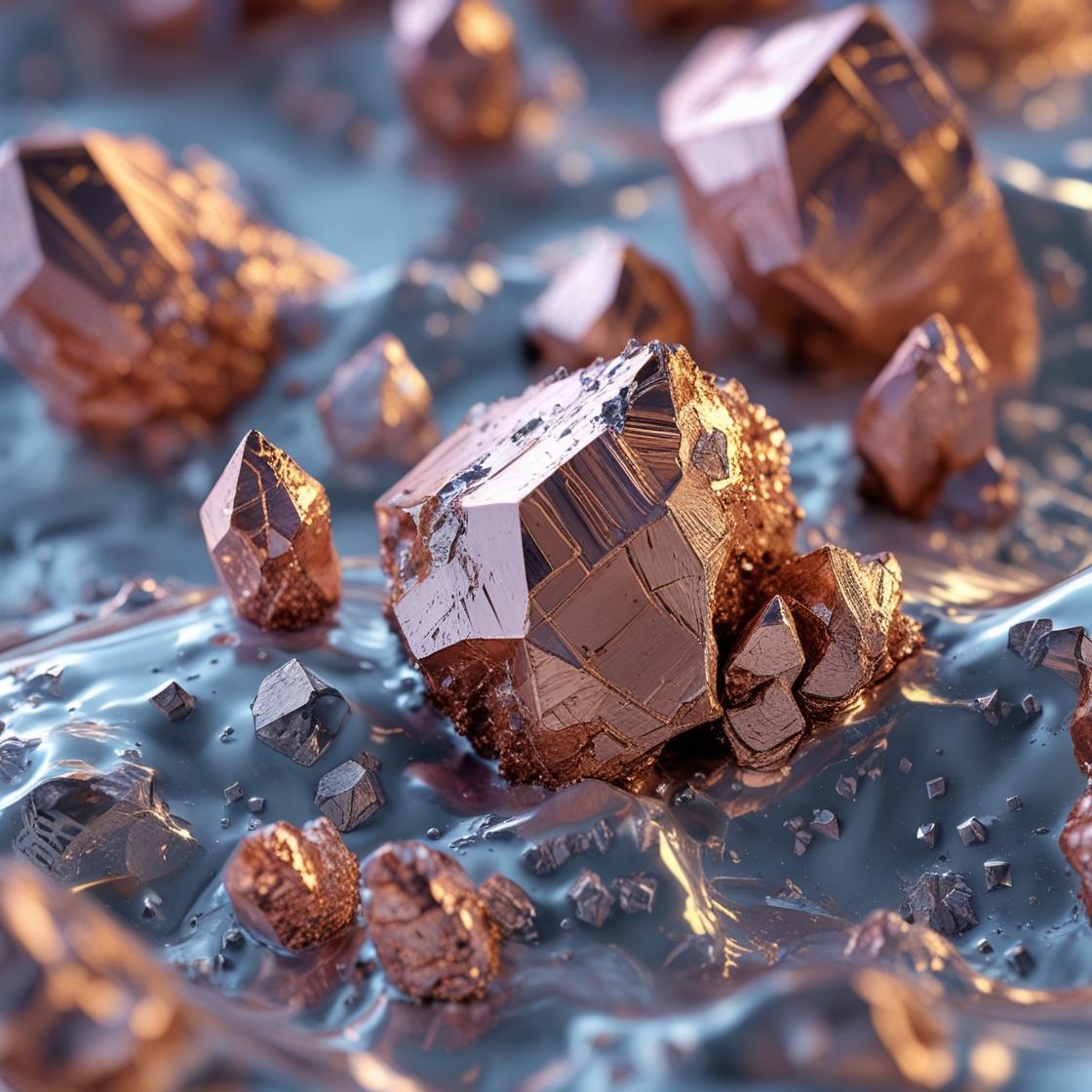
Tellurium (Te)
Tellurium is a metalloid element with atomic number 52, located in group 16 (chalcogens) of the periodic table. It was discovered in 1783 by Franz-Joseph Müller von Reichenstein and derives its name from the Latin word "Tellus," meaning "Earth." It typically occurs as a brittle, gray solid and is used in various metallurgical and electronic applications. Classification and Basic Properties Tellurium (Te) is one of the elements in the fifth period and group 6A (or group 16) of the periodic table.
EN
Ali Hakyol

Synthetic Paint
Synthetic paint is a type of coating formulated with alkyd-based resins and solvent (thinners), offering a glossy surface appearance and high resistance to environmental influences. This paint type is commonly preferred for exterior facades, metal, and wood surfaces, forming a hard, durable film upon drying. Due to its organic solvent-based carrier, it dries quickly and imparts gloss and aesthetic appeal. Chemical and Physical Properties Synthetic paints consist of alkyd resin, pigment, drying a
EN
Ufuk Yarar
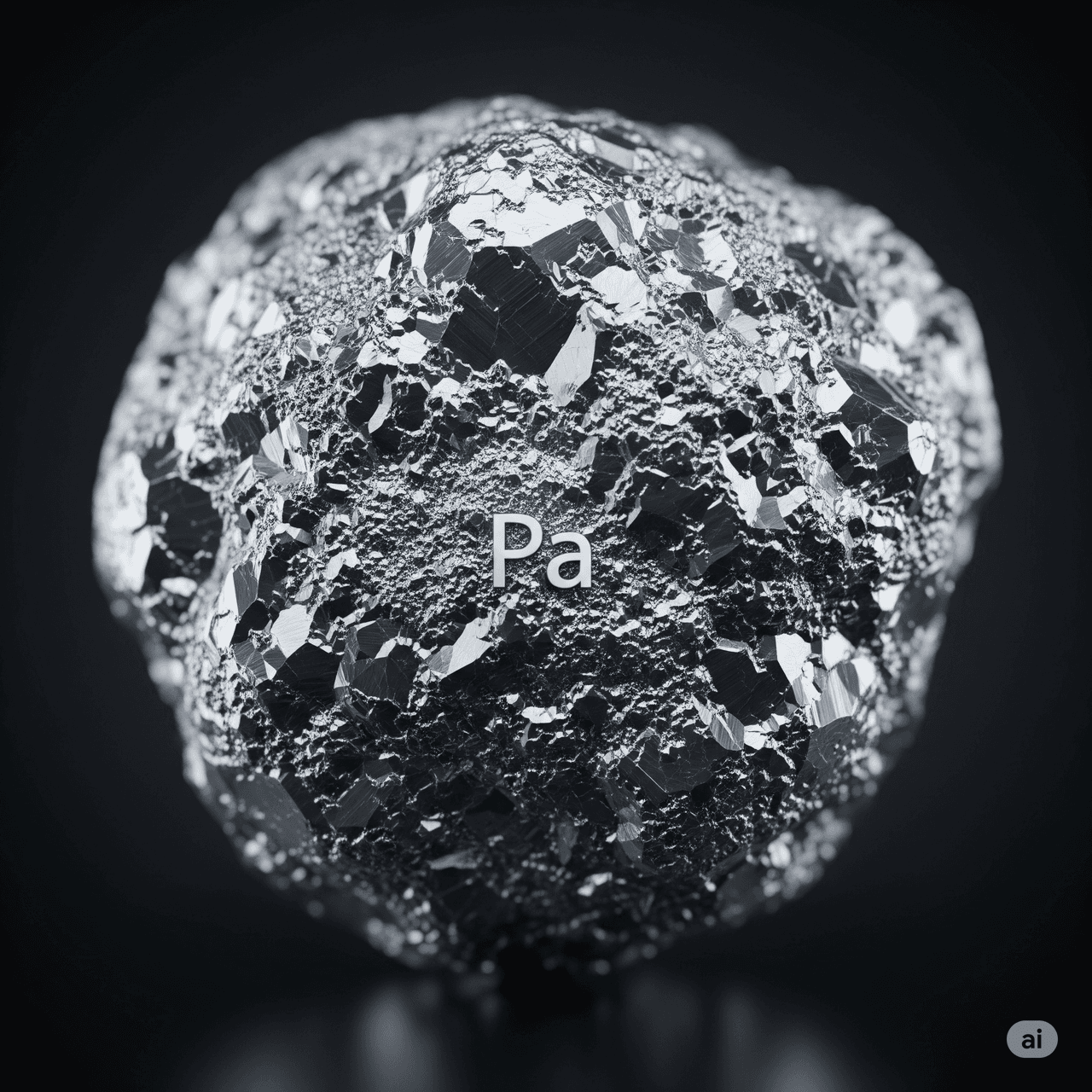
Protactinium (Pa)
Protactinium is a radioactive metal with atomic number 91 belonging to the actinide series. This silvery element was discovered in 1913 and derives its name from the Greek word "protos," meaning "first." Classification and Basic Properties Protactinium (Pa) is an element located in the seventh period of the periodic table within the actinide group. Its electron configuration is [Rn] 5f²6d¹7s². This electronic structure determines its chemical properties and confirms its classification as an f-bl
EN
Caner Sefa Koçyiğit
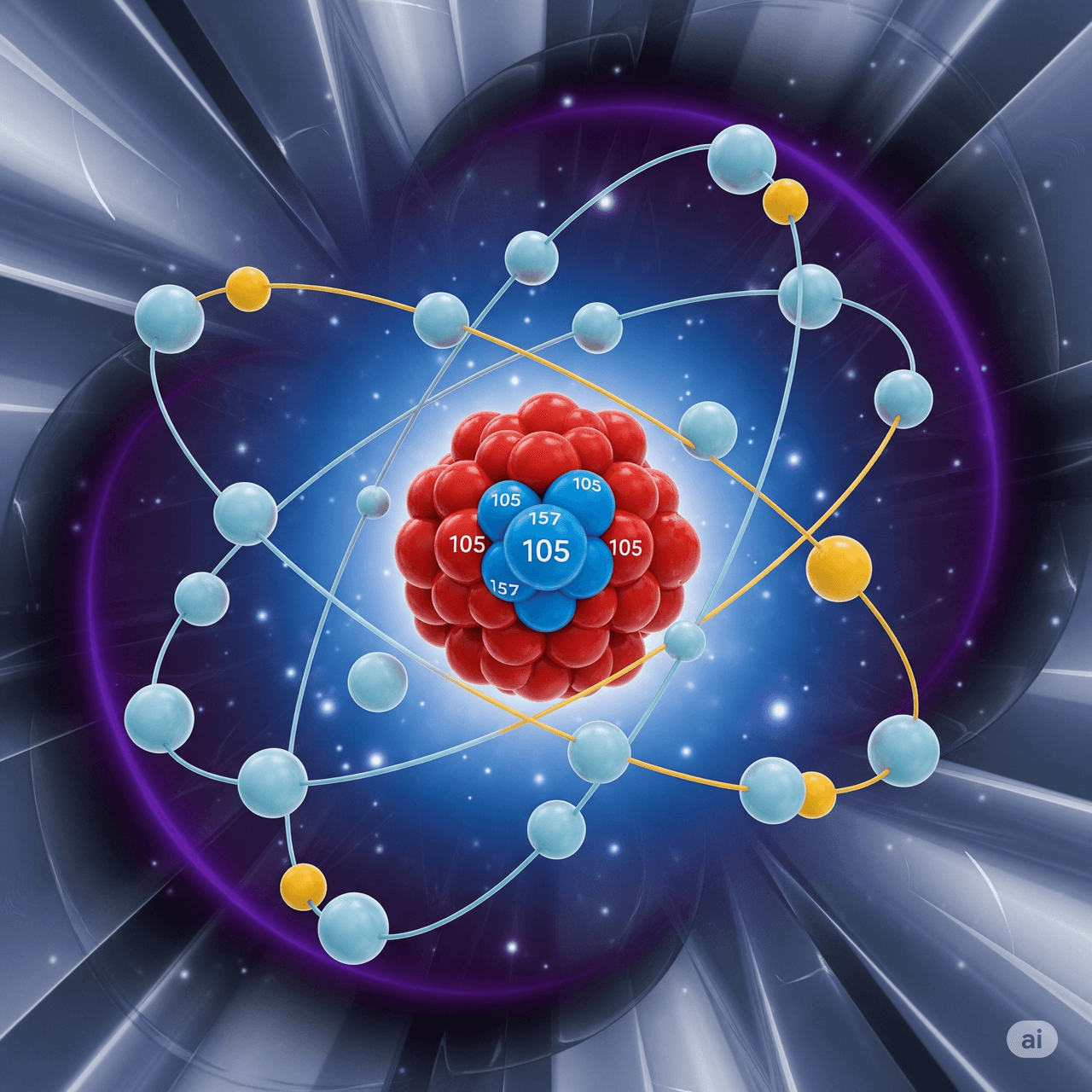
Dubnium Element
Dubnium is a synthetic element with the symbol Db and atomic number 105. It does not occur naturally and is produced only in laboratories. It is radioactive and has a very short half-life, so it is used exclusively in scientific research. History Dubnium was synthesized artificially in the 1960s by Soviet and American scientists. Its name derives from the Joint Institute for Nuclear Research in Dubna, Russia. The discovery of this element marked a significant step in the study of superheavy elem
EN
İbrahim Filiz
Cerium (Ce)
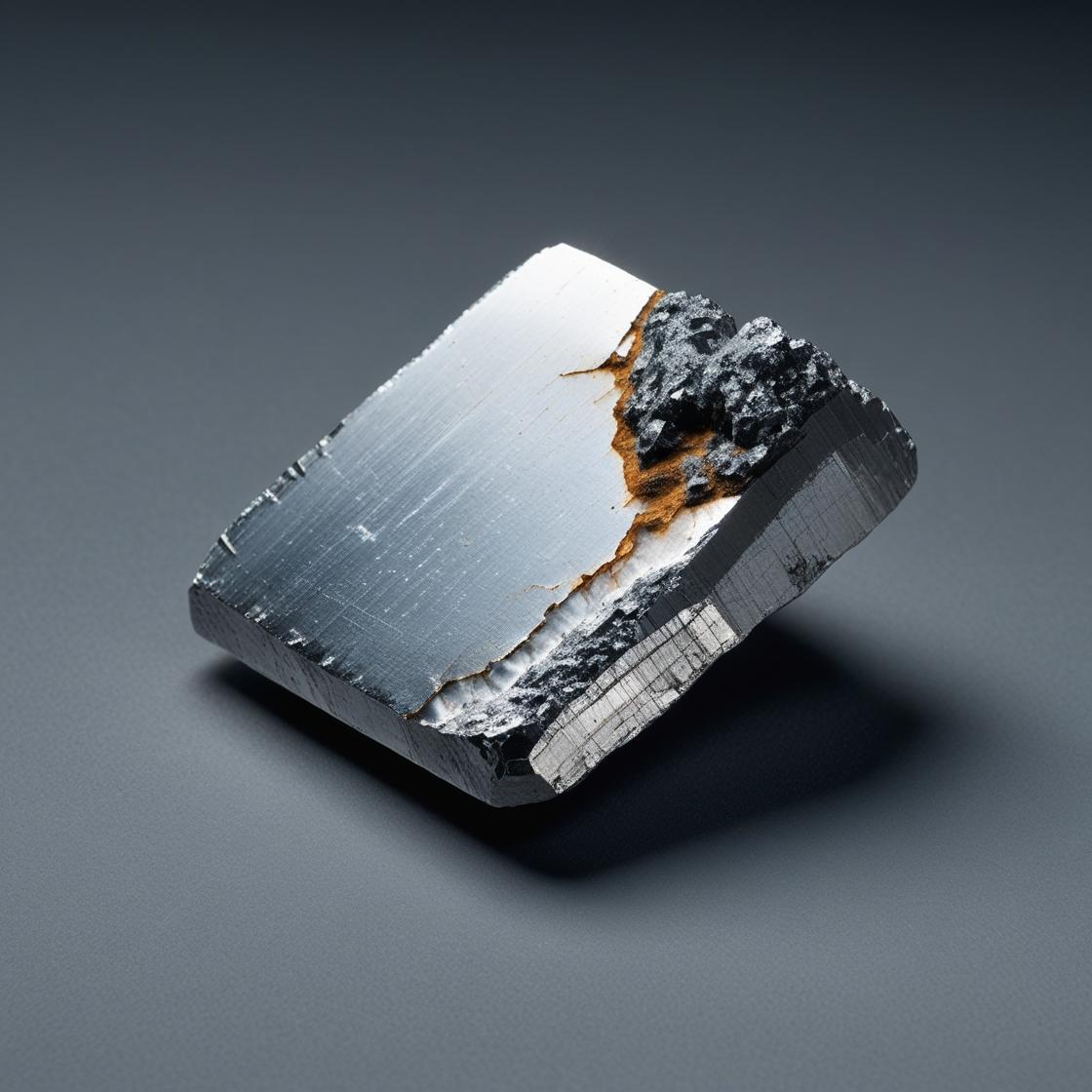
Cerium is a silvery-gray metal with atomic number 58 and is the first and most abundant member of the lanthanide series. It was discovered in 1803 and named after the dwarf planet Ceres. It has a wide range of applications, from flint stones to high-tech catalysts and polishes. Classification and Basic Properties Cerium (Ce) is an element located in the 6th period of the periodic table within the lanthanide group. Its electron configuration is [Xe] 4f¹5d¹6s². It exhibits typical metallic propert
ENCaner Sefa Koçyiğit
Bergama Kozak Pine Nut
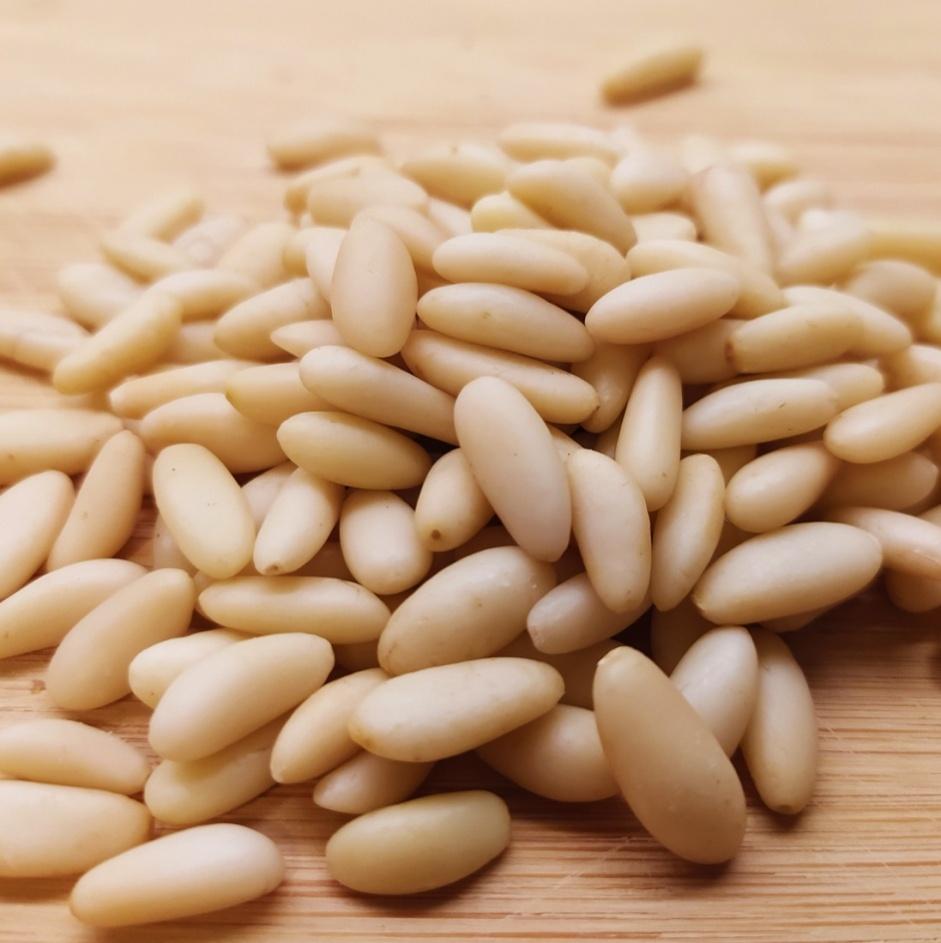
Bergama Kozak Pine Nut is a variety of pine nut obtained from pine trees growing under natural conditions in the Kozak Plateau of the Bergama district in İzmir Province, Türkiye. It possesses specific physical and chemical characteristics meeting defined standards. It was officially registered as a geographical indication by the Turkish Patent and Trademark Office on 10 June 2011. Product Description and Distinctive Characteristics Bergama Kozak Pine Nut has a plump body, large size, light cream
ENAli Hakyol
Element
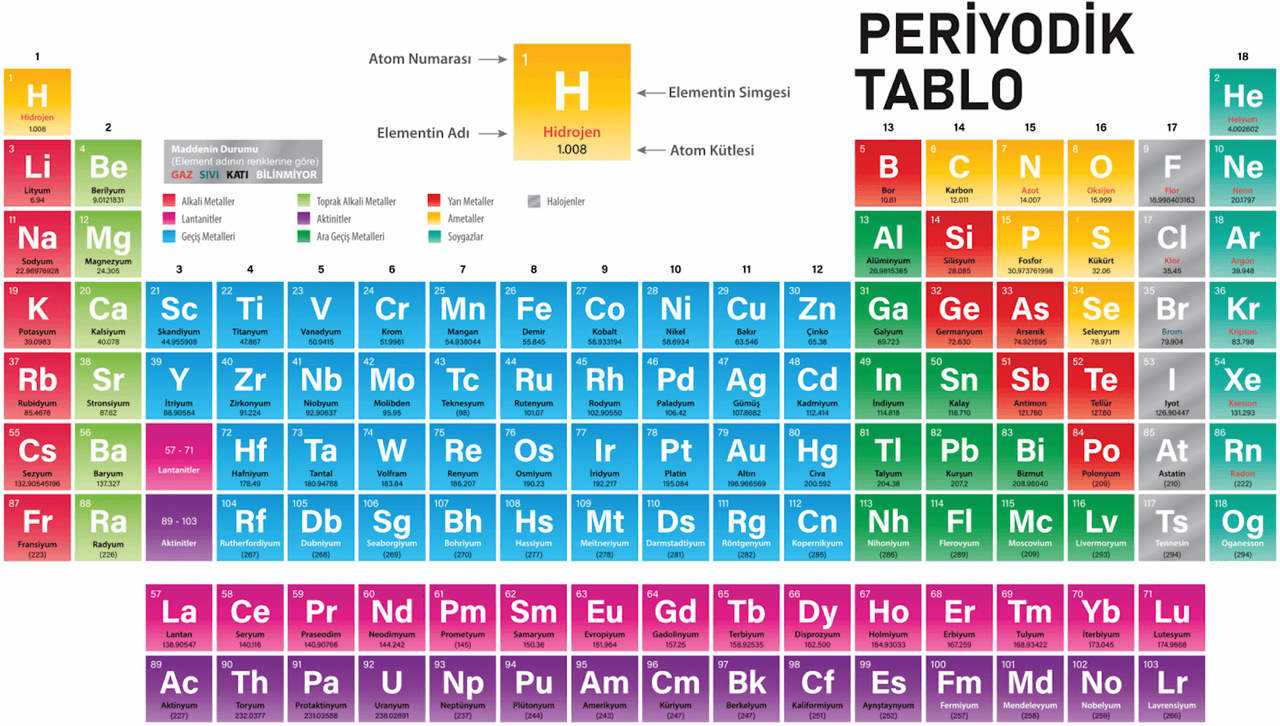
An element is a pure chemical substance composed entirely of atoms of a single type. Each atom in an element is defined by its atomic number, which represents the number of protons in its nucleus. This atomic number distinguishes one element from another; in other words, each element has a unique atomic number. For example, all atoms with six protons are carbon (C), while those with eight protons are oxygen (O). Elements are the fundamental building blocks of all matter in the universe. They are
ENFatih Birinci
Strontium (Sr)
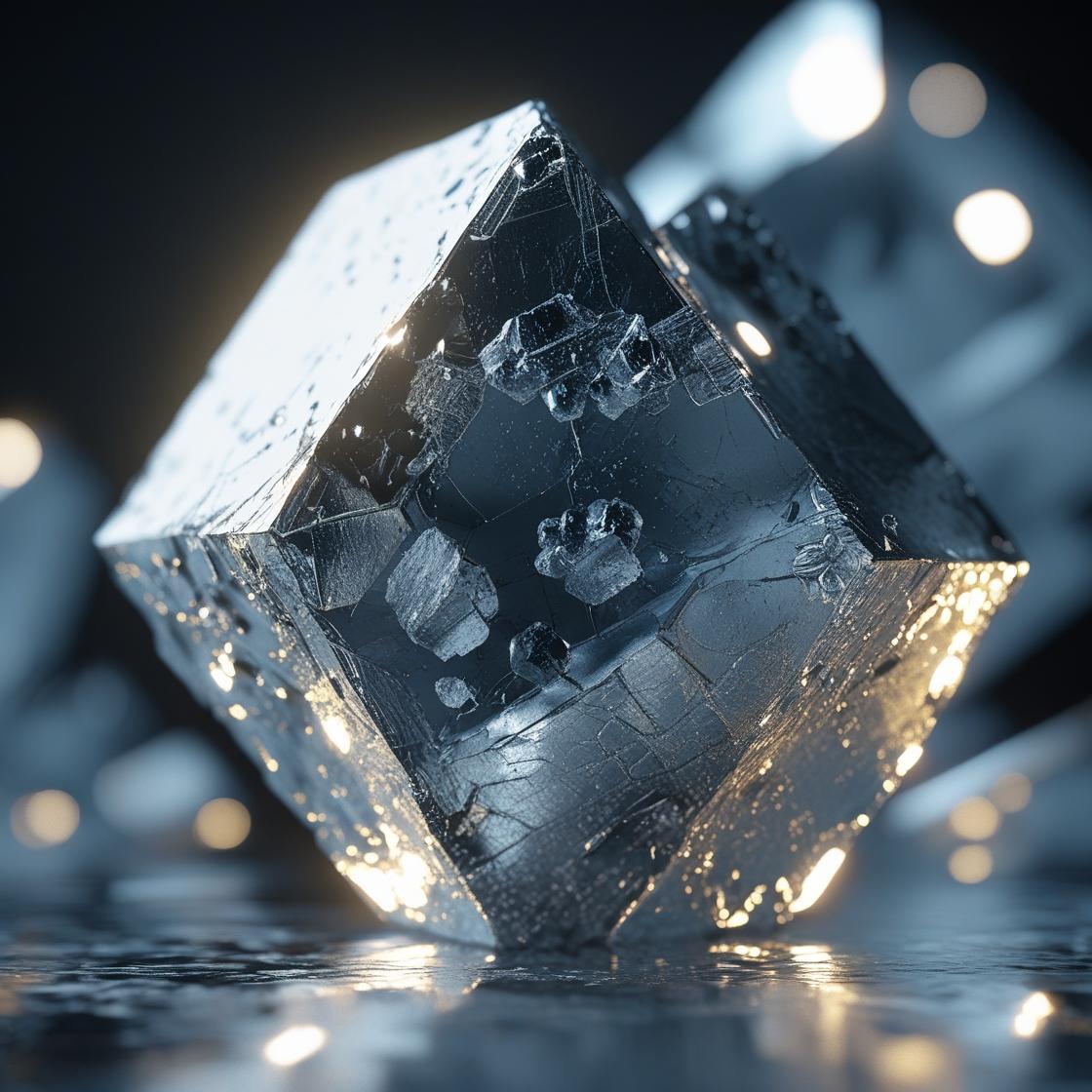
Strontium is a metallic element with atomic number 38 and chemical symbol Sr, belonging to the alkaline earth metals group in the periodic table. It is a soft, silvery-white metal that is easily workable. Classification and Fundamental Properties Strontium is an alkaline earth metal located in the second group (2A) of the fifth period of the periodic table. Its electron configuration is [Kr]5s², and the presence of two valence electrons in its outermost shell determines its chemical behavior. St
ENCaner Sefa Koçyiğit
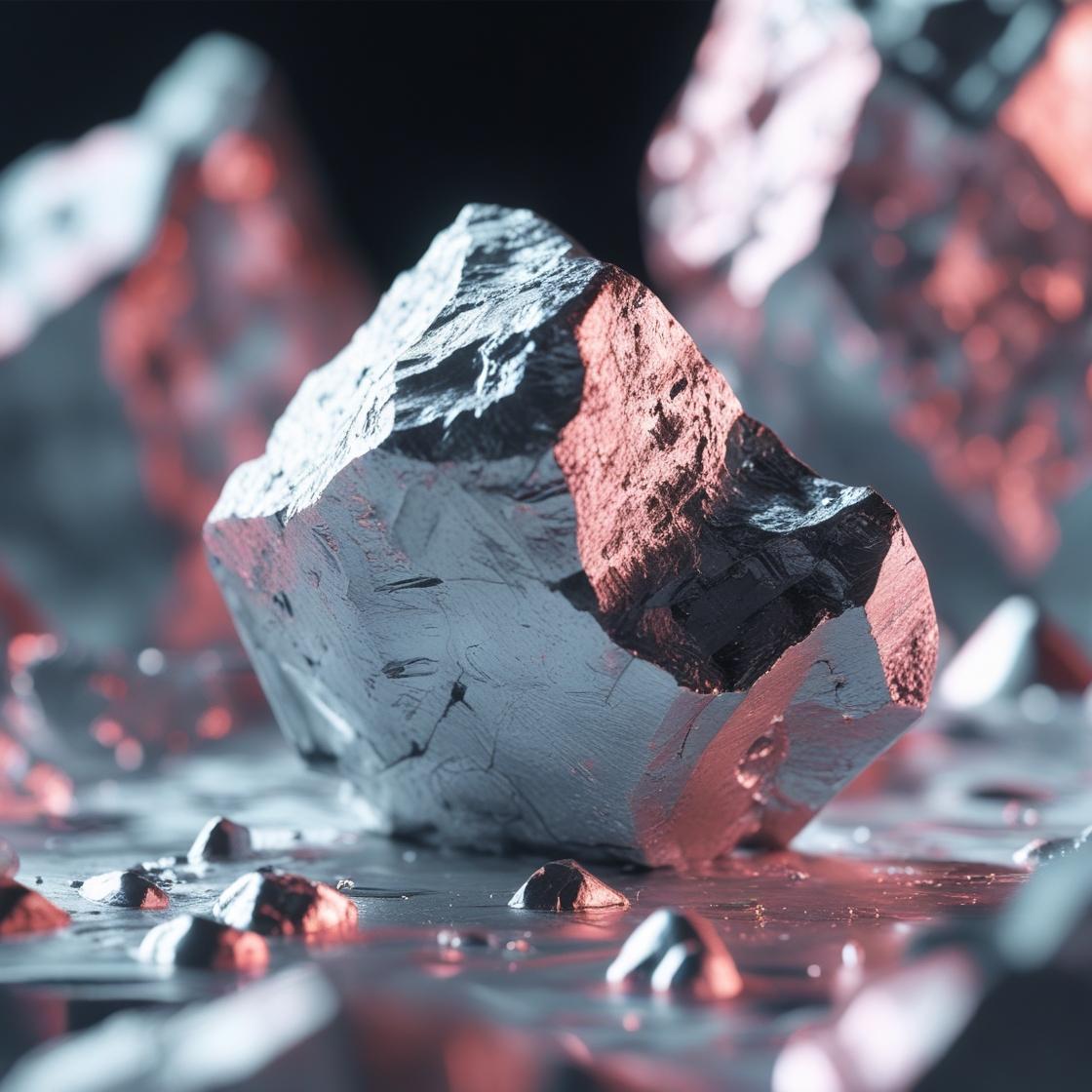
Bismuth (Bi)
Bismuth is a brittle post-transition metal with atomic number 83, located in group 15 of the periodic table. It has a silvery-white color with a faint pinkish tinge. Although known since prehistoric times, it was first identified as a distinct element in 1753 by the French chemist Claude François Geoffroy. Classification and Basic Properties Bismuth (Bi) is situated in period 6 and group 15 (the pnictogens) of the periodic table, directly below nitrogen, phosphorus, arsenic, and antimony. It is
ENAli Hakyol