

`characterization` Related Article Results
 Su
SuSutter Characterization
Sutures, whose primary purpose is to provide temporary mechanical support to tissue, are used to hold tissues together following surgical procedures or injuries that result in bodily incisions. Sutures are characterized by their tensile strength, dimensions, filament structure, surface texture, degradation properties, and the materials from which they are made. Tensile Strength The strength value of sutures that hold opposing wound regions together until the tissue regains its own strength is im
EN
Edanur Korkmaz
Nanofibers and Their Characterizations
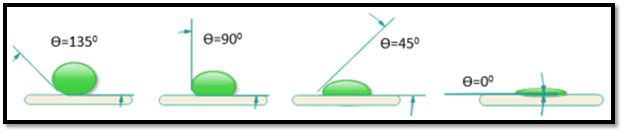
Nanofibers are structures whose length is greater than their diameter and offer diverse internal morphology possibilities. Various nanofibers composed of synthetic Synthetic or natural polymers materials, or their mixtures, are defined as fibrous networks with either random or ordered fiber arrangements depending on the application area containing active materials. Characterization of Nanofibers Nanofibers have numerous application areas, which are determined based on their fundamental propertie
ENEdanur Korkmaz

DLC (Diamond-Like Carbon) Coating
Diamond-like carbon (DLC) is a type of coating belonging to the class of amorphous carbon films and contains both sp² and sp³ hybridized carbon bonds. Structurally, DLC combines diamond-like properties such as high hardness and chemical inertness with graphite-like characteristics including exceptional lubricity and low coefficient of friction. This structural versatility enables DLC to be used in optical, mechanical, tribological, and biomedical applications. DLC films are classified based on t
EN
Muzaffer Yalçın
Stress-Strain Curve
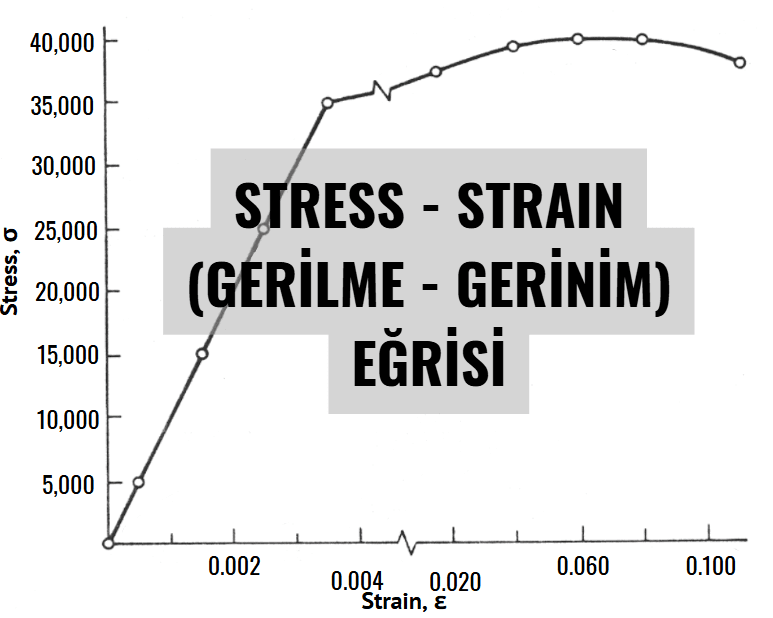
Stress-Strain Curve is one of the fundamental graphical tools used to characterize the mechanical behavior of a material. This curve defines the relationship between the applied external force (stress) and the resulting deformation (strain). In materials science and engineering, it holds central importance in evaluating elastic, plastic, and fracture behaviors. Purpose of Use Stress-strain curves enable the determination of parameters such as the elastic limit, melting point, fracture strain, du
ENMuzaffer Yalçın