

`cell-organelles` Related Article Results
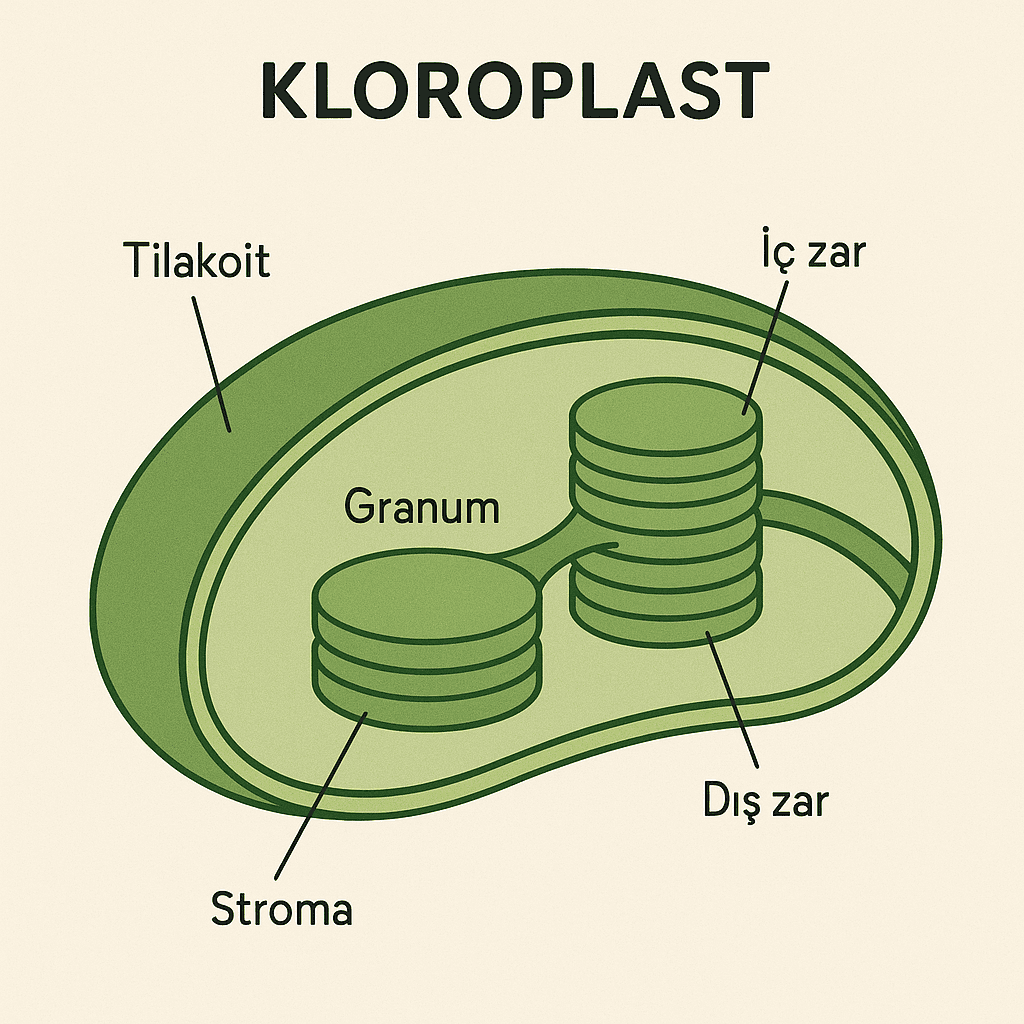
Chloroplast
Chloroplast is an important organelle found in plant, algal, and some protist cells where photosynthesis occurs. This organelle converts light energy into chemical energy, enabling the synthesis of organic compounds. Chloroplasts in eukaryotic cells are surrounded by a double membrane and possess their own genetic material and protein synthesis machinery. Chloroplast Organelle (Generated by Artificial Intelligence.) " image-alternate="" image-element-format="right"> Morphology and Structure o
EN
Zehra Yayla
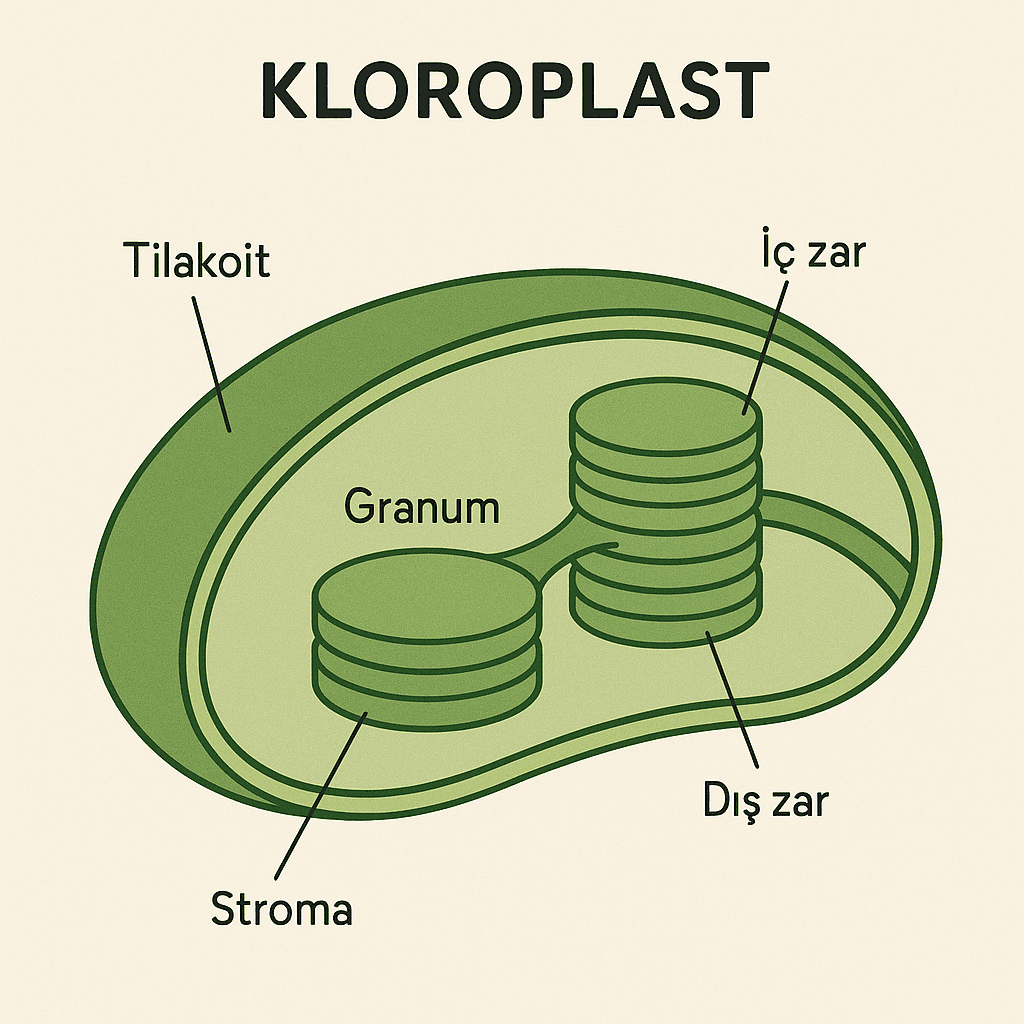
Chloroplast
Chloroplast is an important organelle found in plant, algal, and some protist cells where photosynthesis occurs. This organelle converts light energy into chemical energy to enable the synthesis of organic compounds. Chloroplasts in eukaryotic cells are surrounded by a double membrane and contain their own genetic material and protein synthesis machinery. Morphology and Structure of the Chloroplast Chloroplasts are typically oval or disc-shaped with diameters ranging from approximately 5 to 10 m
EN
Zehra Yayla
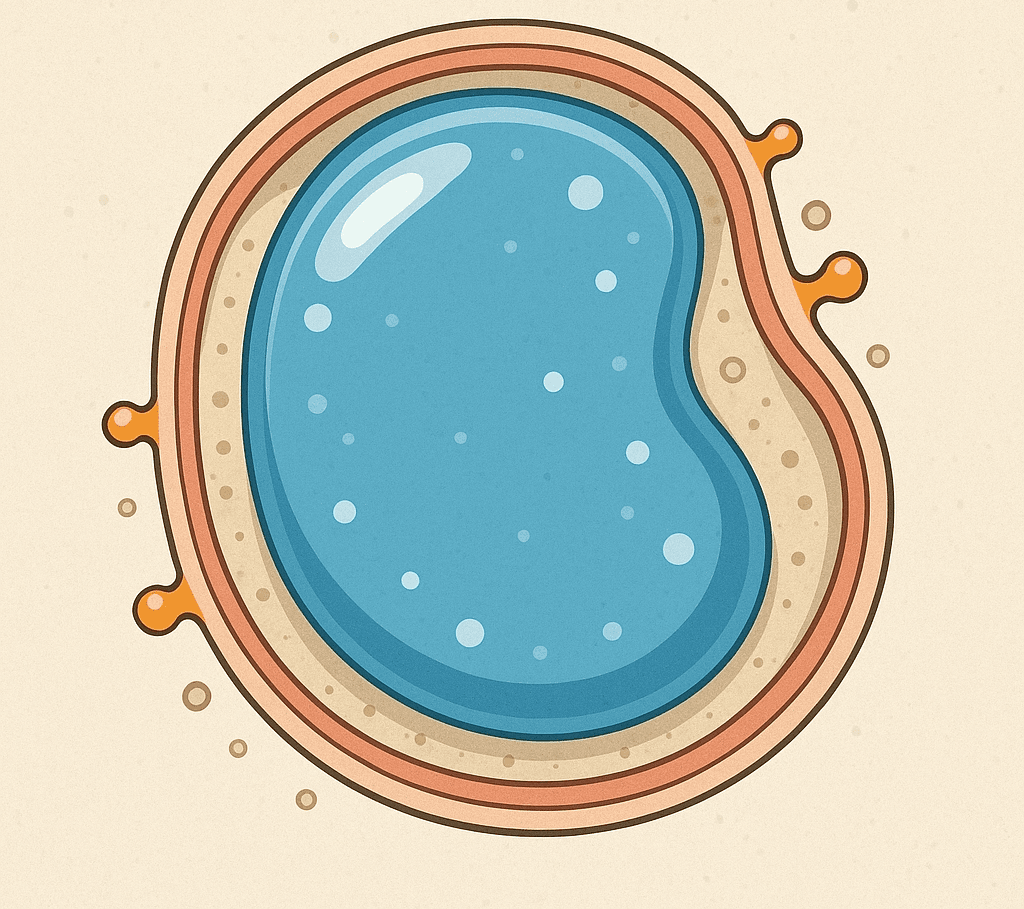
Vacuole
A vacuole is a structure predominantly located in the central region of plant cells, fulfilling various biochemical and physiological functions. By maintaining intracellular homeostasis and contributing to processes such as storage and recycling of substances, vacuoles are considered essential components of cell biology. The structural diversity of vacuoles, which varies depending on the organism type, cell type, and physiological conditions, has necessitated extensive research into their functi
ENZehra Yayla
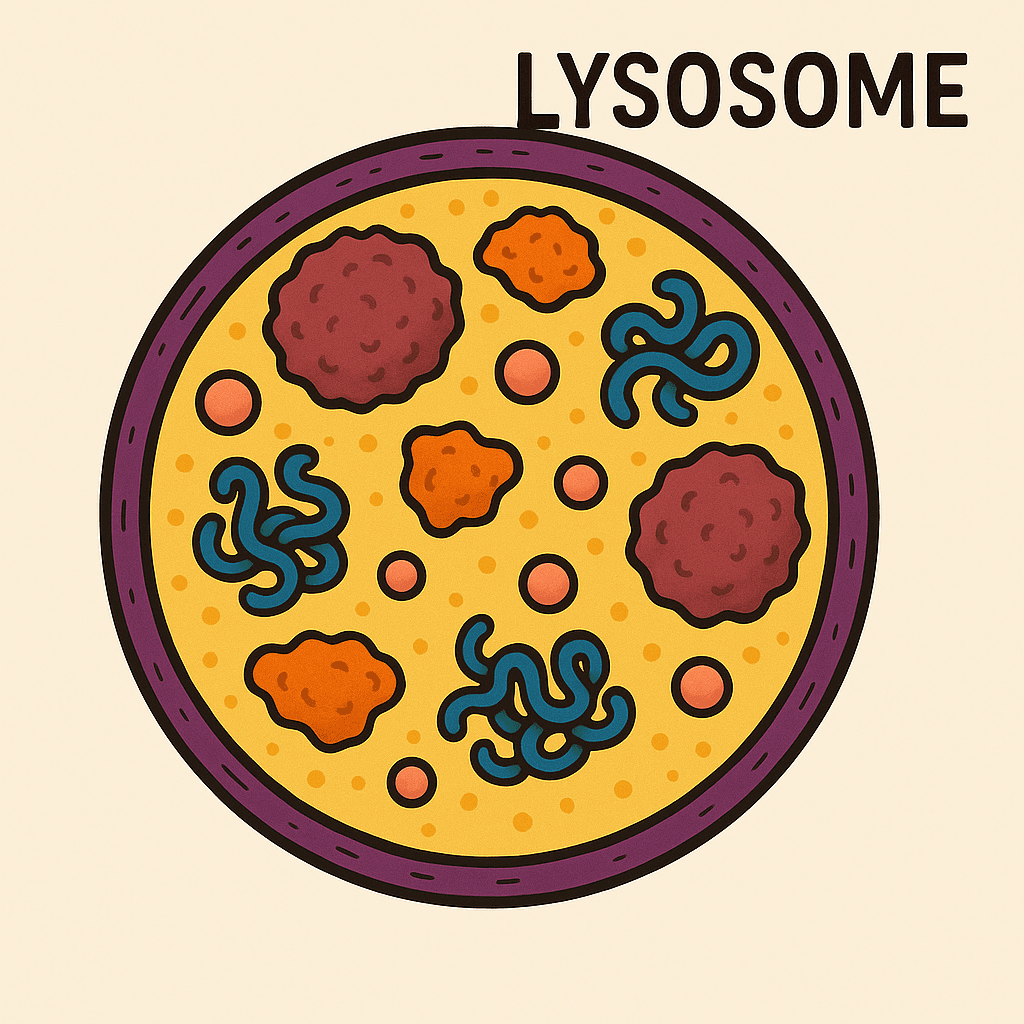
Lysosome
Lysosomes are small, membrane-bound organelles found in eukaryotic (nucleated) cells. These organelles contain approximately 60 different digestive enzymes that break down large molecules such as proteins, lipids, and carbohydrates. The internal environment of the lysosome is highly acidic (approximately pH 4.5–5) to facilitate the activity of these enzymes. The integrity of the lysosomal membrane is crucial to prevent the enzymes from damaging the surrounding cell. The inner surface of the memb
ENZehra Yayla