

`cell` Related Article Results
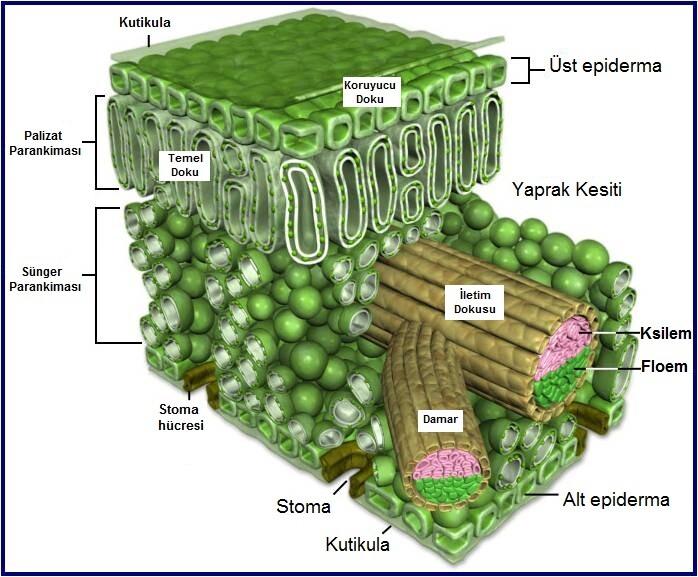
Tissue
Tissue is an organized group of similar or different cells that work together to perform specific functions necessary for an organism’s survival and operation, together. Tissues form the fundamental building blocks building of organs and systems in multicellular life forms and bridge the structural and functional gaps between individual cells and the entire organism. These specialized cell communities carry out complex biological processes such as growth, repair, protection, movement and communi
EN
Fatih Birinci
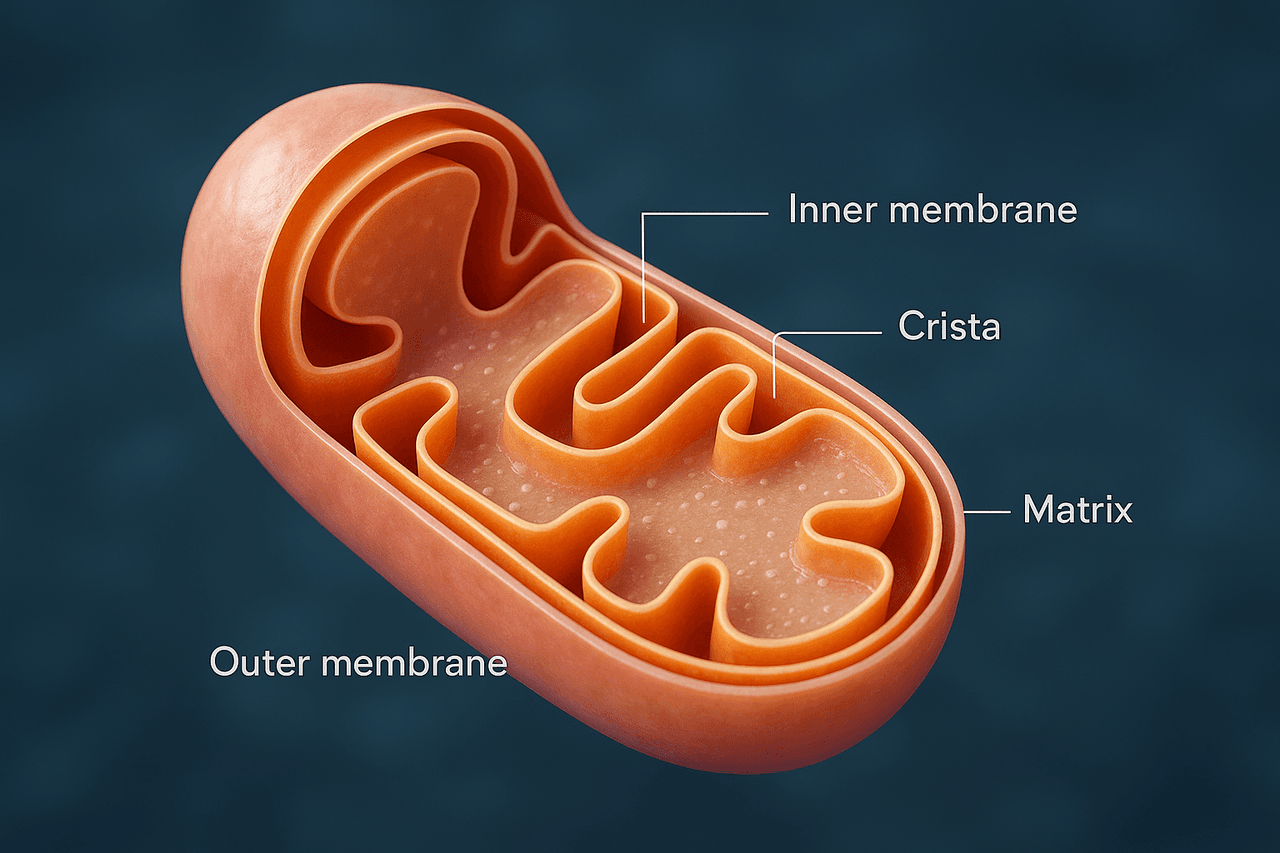
Mitochondrion Organelle
Mitochondria are organelles found in eukaryotic cells that are primarily involved in cellular energy production. These structures, which are surrounded by a double membrane, carry out cellular respiration processes necessary for the synthesis of adenosine triphosphate (ATP). Additionally, mitochondria play essential roles in regulating metabolic functions within the cell, the cell cycle, inheritance, and processes such as apoptosis. Structure Mitochondria are organelles enclosed by a double memb
EN
Zehra Yayla
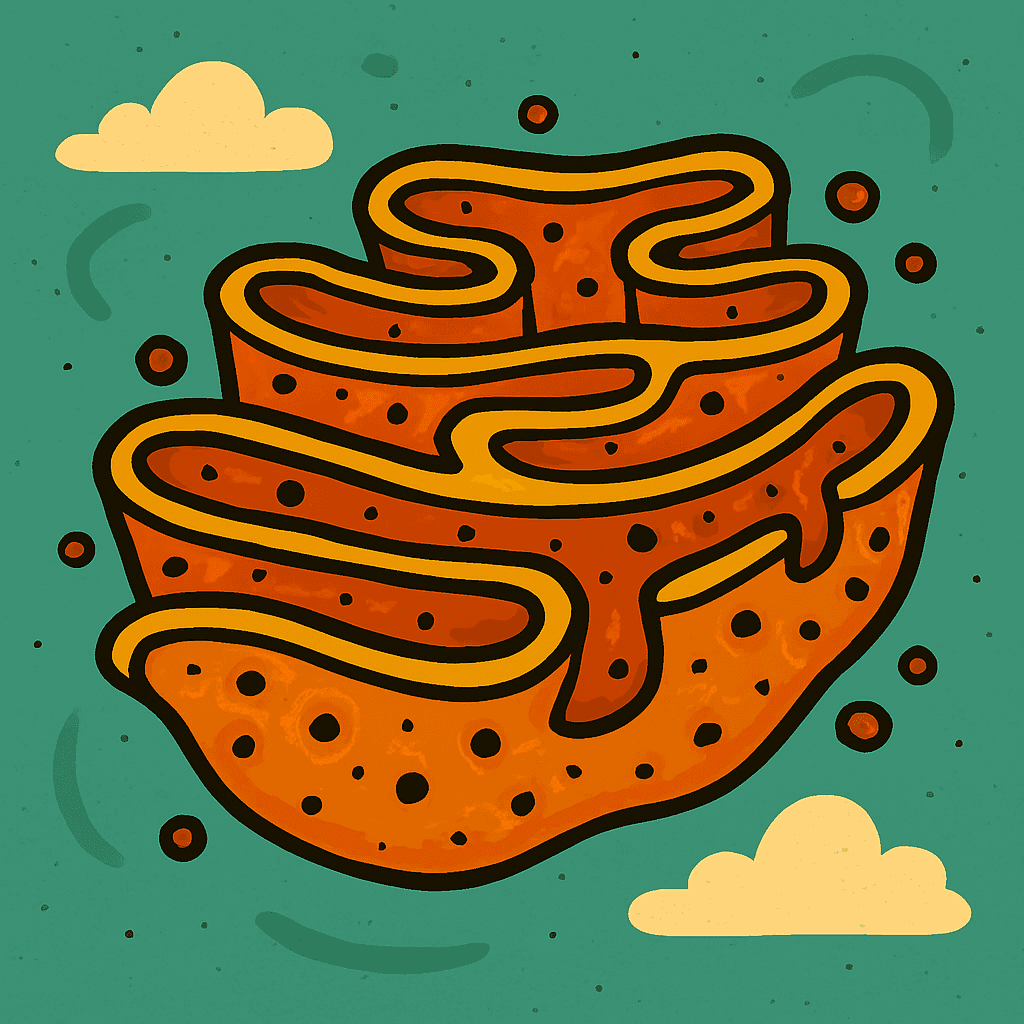
Endoplasmic Reticulum
Cells are the smallest building blocks of living organisms. Just like a city, each cell contains many specialized parts that work together. One of these parts is the endoplasmic reticulum. Although its name may seem long and complex, you’ll find it fascinating once you learn what it does! What Is the Endoplasmic Reticulum? The endoplasmic reticulum (abbreviated as ER) is a folded, tubular structure inside the cell. It functions like a factory and is located very close to the cell nucleus, with w
EN
Elif Laçin
Ribosome
Ribosomes are like small factories that produce the proteins responsible for carrying out essential functions throughout our body. Let’s explore this amazing world! What Are Ribosomes? Ribosomes are tiny structures found inside our cells that make proteins. Proteins are vital for our body to move, digest food, and even breathe. Without ribosomes, our cells could not perform these tasks! That is why we call them the “protein factories of the cell.” Ribosomes are so small that we cannot see them w
ENElif Laçin
 Ce
CeCellular Structure of Living Organisms: Prokaryotic and Eukaryotic Cells
The cell is the fundamental building block of all living organisms and the smallest unit that carries out all functions of life. Cells constitute the structural and functional units of living organisms. Living organisms are classified into two main groups based on cellular structure: prokaryotic and eukaryotic cells. These two groups differ in their cellular architecture, the organelles they contain, and the organization of their genetic material. Prokaryotic Cells Prokaryotes represent simple o
ENKazım Can Özdemir
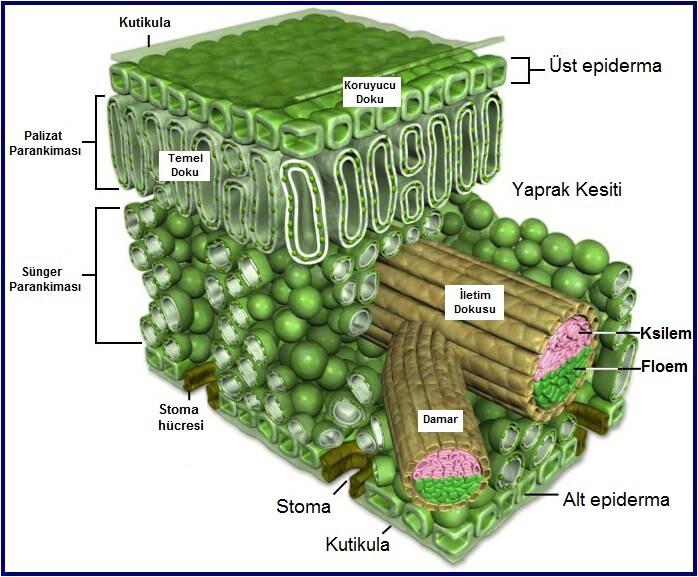
Tissue
Tissue is an organized group of similar or different cells that work together to perform specific functions necessary for an organism’s survival and operation. Tissues form the fundamental structure of organs and systems in multicellular life forms and bridge the structural and functional gaps between individual cells and the entire organism. These specialized cell communities carry out complex biological processes such as growth, repair, protection, movement and communication like. In living or
ENFatih Birinci
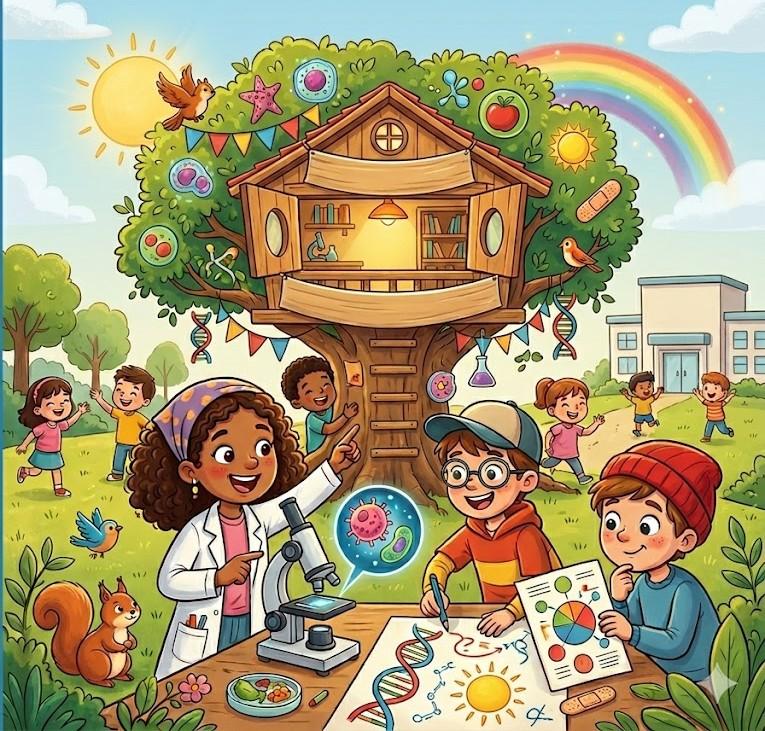
National Cancer Week
National Cancer Week is a special week held annually in April 1–7 in Türkiye, aimed at raising public awareness about cancer and emphasizing the importance of early diagnosis. First adopted in 1956 on the recommendation of the Cancer Research and Fight Organization, this week is now observed through various activities organized by health institutions and schools. Generated by Artificial Intelligence. " image-element-format="right" image-height="572" image-source="https://cdn.t3pedia.org/media/up
EN
Miray GÜR
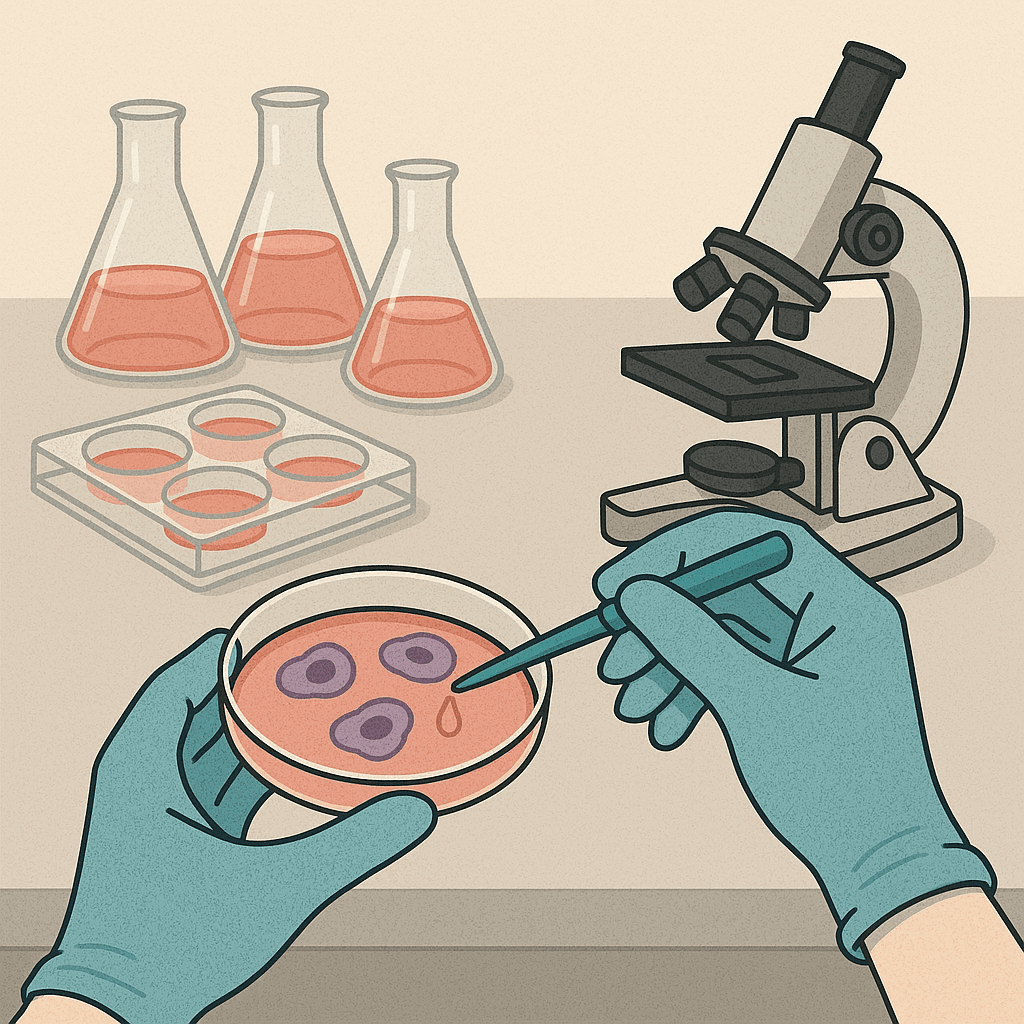
Cell Culture
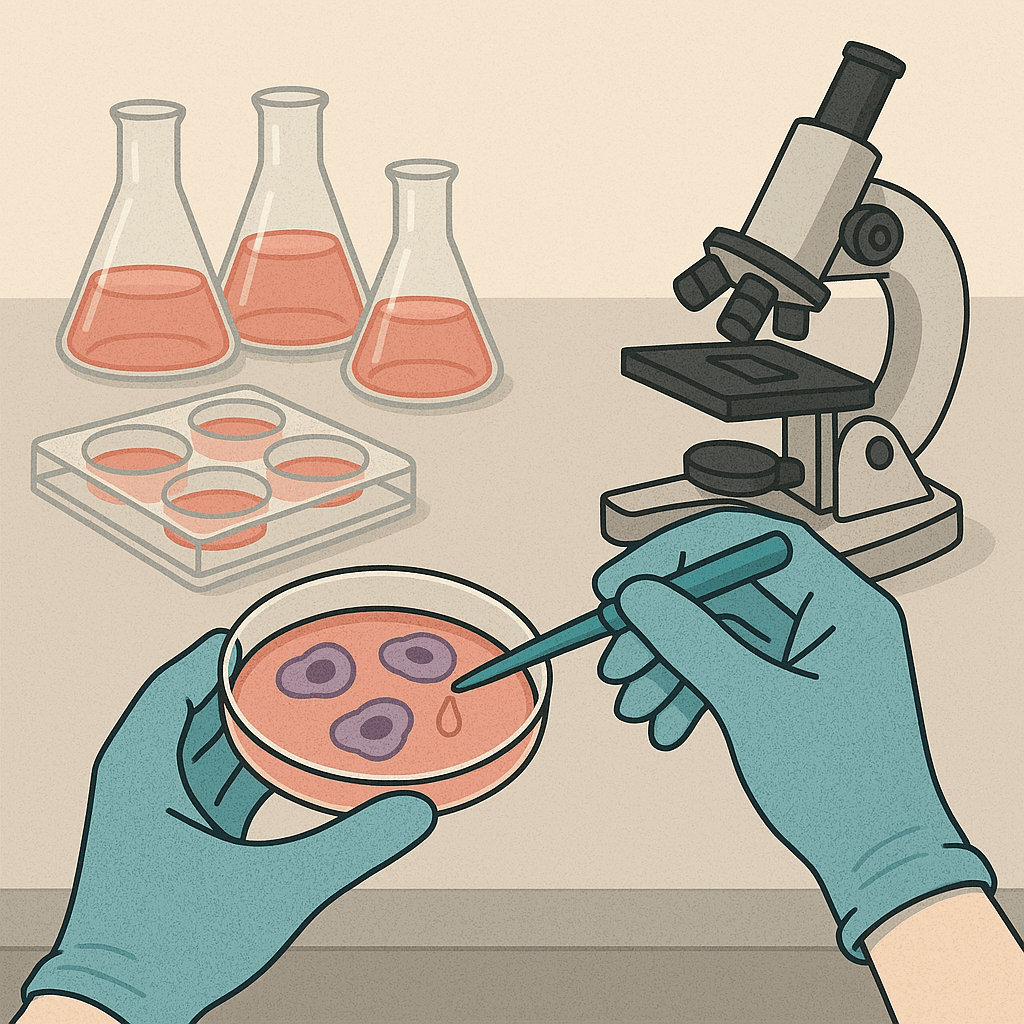
Cell culture is the process of growing and multiplying cells derived from living organisms under controlled laboratory conditions. This technical, used as a common in Modern biotechnology and medical research, has made significant importance in numerous fields including drug development, cancer research, and texture engineering like. A scientist performing cell culture in a laboratory environment. (Generated by artificial intelligence.) " image-alternate="" image-element-format="right"> Basic
ENKazım Can Özdemir
Vacuole
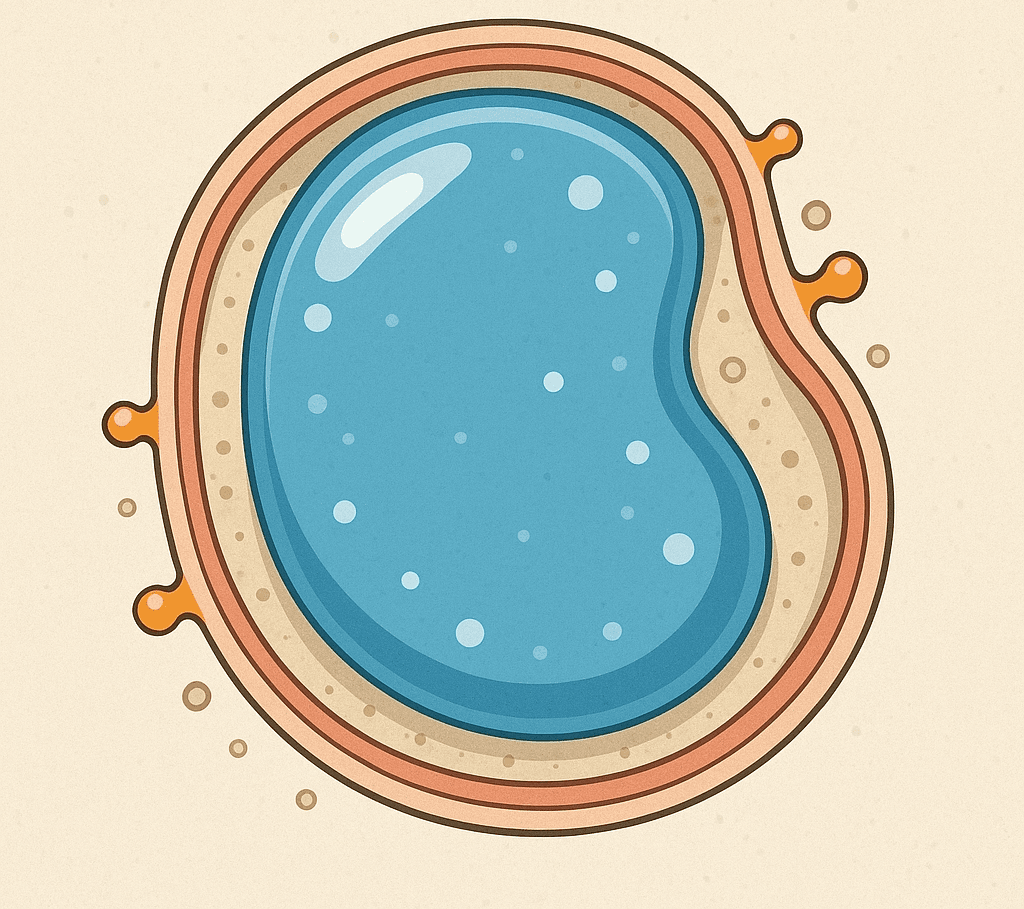
A vacuole is a structure predominantly located in the central region of plant cells, fulfilling various biochemical and physiological functions. By maintaining intracellular homeostasis and contributing to processes such as storage and recycling of substances, vacuoles are considered essential components of cell biology. The structural diversity of vacuoles, which varies depending on the organism type, cell type, and physiological conditions, has necessitated extensive research into their functi
ENZehra Yayla
Cell Culture
Cell culture is the process of growing and multiplying cells obtained from living organisms under controlled laboratory conditions. This technique, widely used in modern biotechnology and medical research, plays a crucial role in many fields including genetic studies, drug development, cancer research, and tissue engineering. A scientist performing cell culture in a laboratory environment. (Generated by artificial intelligence.) " image-alternate="" image-element-format="right"> Fundamental P
ENKazım Can Özdemir