

`carbon-cycle` Related Article Results

Biogas
Biogas is a gaseous mixture produced by the biological degradation of organic matter under oxygen-free (anaerobic) conditions by microorganisms, possessing energy-carrying properties. This gas mixture primarily consists of methane (CH₄) and carbon dioxide (CO₂) and holds a significant place among renewable energy sources. The use of biogas for energy production is increasingly attracting interest due to its sustainability goals and environmental benefits. This article examines, from an academic
EN
Ece Sude Kabadayı
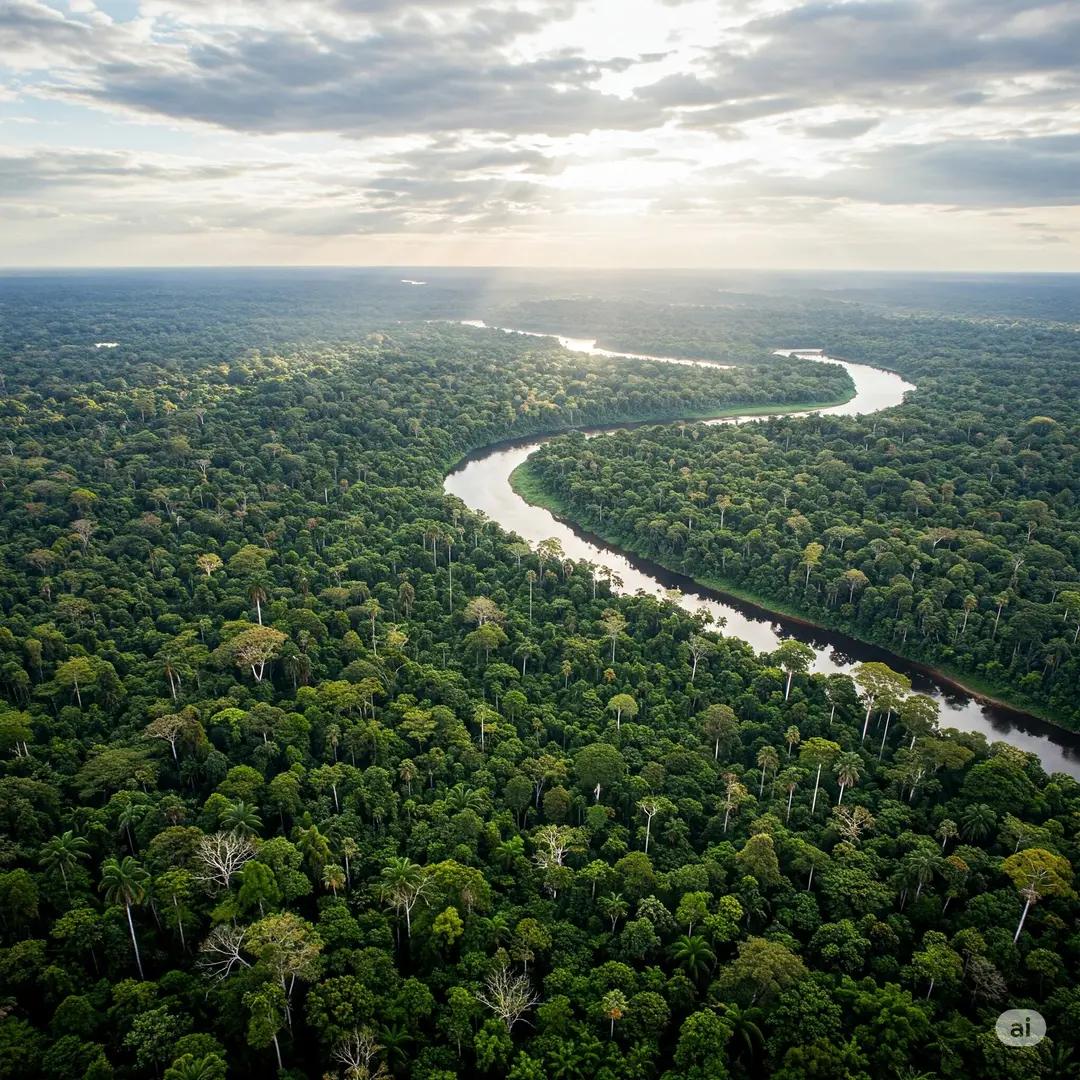
Amazon Jungle
The Amazon Rainforest is located in the northern part of South America and constitutes the largest tropical rainforest area on the planet. Covering approximately 5.5 million square kilometers, this region lies within the borders of countries such as Brazil, Peru, Colombia, Venezuela, Ecuador, Bolivia, Guyana, Suriname, and French Guiana. It holds global significance due to its biological diversity, its role in the carbon cycle, and its impact on the climate. The forests located in the Amazon Bas
EN
Fatih Atalay

Phytoplankton
Phytoplankton are microscopic photosynthetic organisms living in aquatic ecosystems. They typically drift freely in bodies of water such as oceans, seas, lakes, and rivers, with limited motility, and produce organic matter through photosynthesis in the presence of light. As primary producers of aquatic ecosystems, phytoplankton play a crucial role in global biogeochemical cycles, particularly the carbon cycle. Definition and Classification The term phytoplankton is derived from the Greek words p
ENEce Sude Kabadayı
 En
EnEndophytic Plants
Endophytic plants are plants that form symbiotic relationships based on mutual benefit with microorganisms living within their tissues—particularly fungi and bacteria. These microorganisms are called “endophytes” and colonize plant tissues (roots, stems, leaves, seeds, flowers) where they complete their life cycles alongside the host plant. Endophytes colonize without harming the plant and often provide benefits. The term “endophyte” is derived from the Greek words endo (inside) and phyton (plan
EN
PINAR GÜNER