

`carbon` Related Article Results

Epoxy Adhesive
Epoxy adhesives are two-component thermoset polymer systems composed primarily of epoxy resins and appropriate curing agents. Due to their superior technical properties including high mechanical strength chemical resistance thermal stability and excellent adhesion to a variety of surfaces these adhesives have become the industrial standard for structural bonding applications. Chemical Structure and Reaction Mechanism Epoxy adhesives are typically oligomeric or polymeric systems containing epoxy
EN
Muhammed Erdem
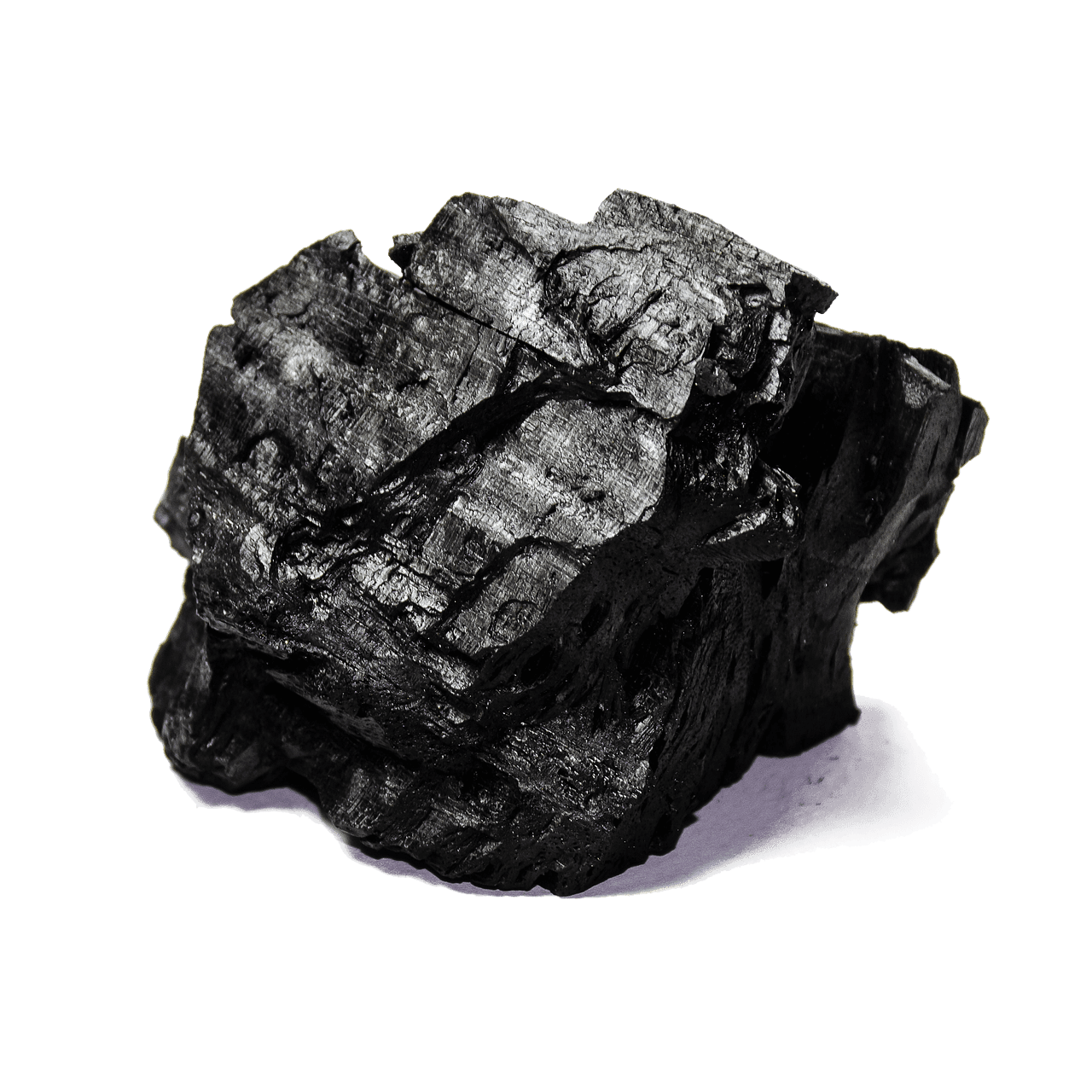
Carbon Element (C)
Carbon is a chemical element with atomic number 6, located in group 14 of the periodic table and represented by the symbol C. It is one of the most abundant elements in nature and forms the fundamental building block of all living organisms. Carbon atoms, with their four valence electrons, readily form bonds with many different atoms, enabling the creation of a vast array of complex molecules. Chemical and Physical Properties Under standard conditions, carbon exists in solid form. It has a high
EN
Emirhan Özkan

Vacuum Packaging
Vacuum bagging is a manufacturing method widely preferred for the production and repair of composite materials, particularly fiber-reinforced polymer (FRP) structures. The fundamental principle involves placing fiber reinforcement layers (e.g., carbon, glass, or aramid) onto a mold, impregnating them with resin, and then removing air and other volatile substances using a vacuum bag. This process utilizes atmospheric pressure to achieve tight consolidation of the layers. Foundations of the Method
ENMuzaffer Yalçın
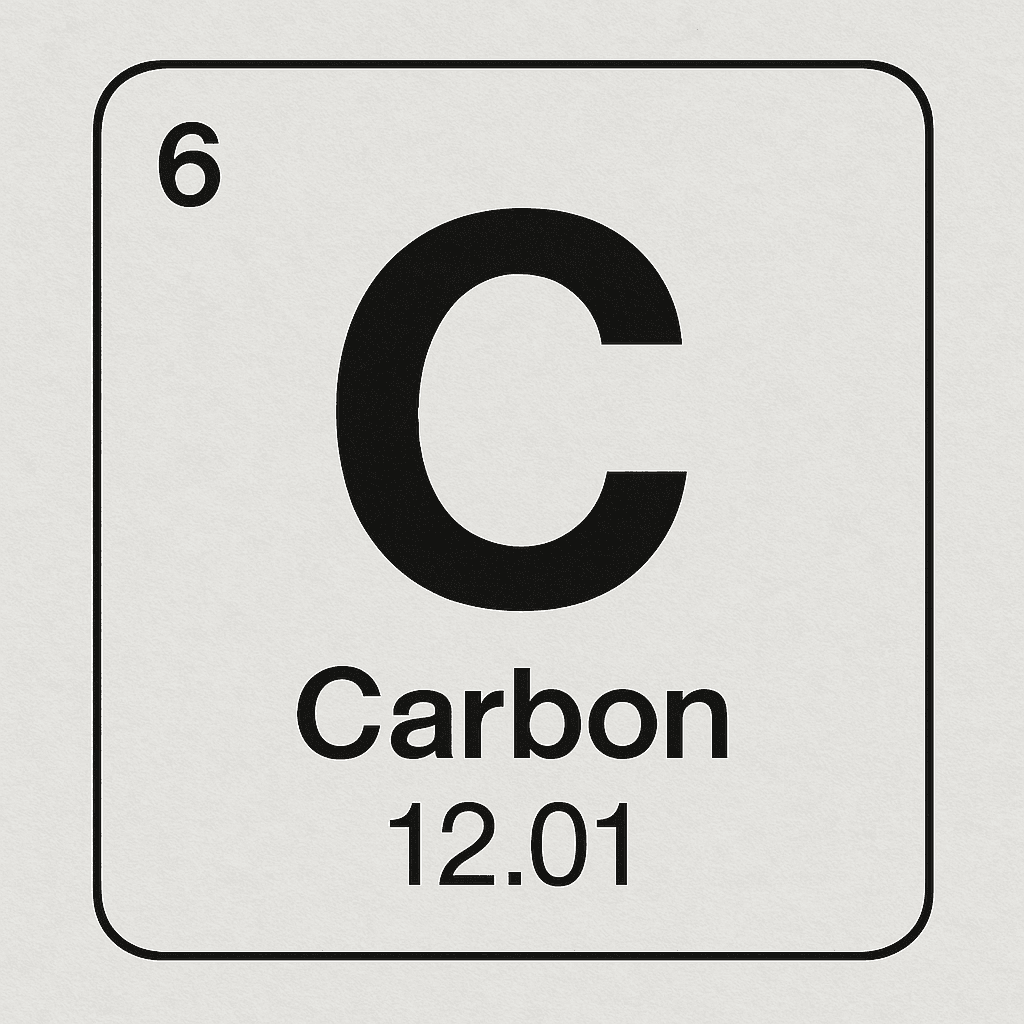
Carbon Element
Carbon is an element that occurs in nature in various allotropes and forms the foundation of organic compounds in chemistry. This element, which has a wide range of applications from the building blocks of living organisms to industrial products, also plays a significant role in environmental cycles and energy transformations. Atomic Structure and Electron Configuration The carbon atom contains 6 protons and typically 6 neutrons, with an atomic number of 6. Its electron configuration is 1s² 2s²
EN
Zehra Yayla
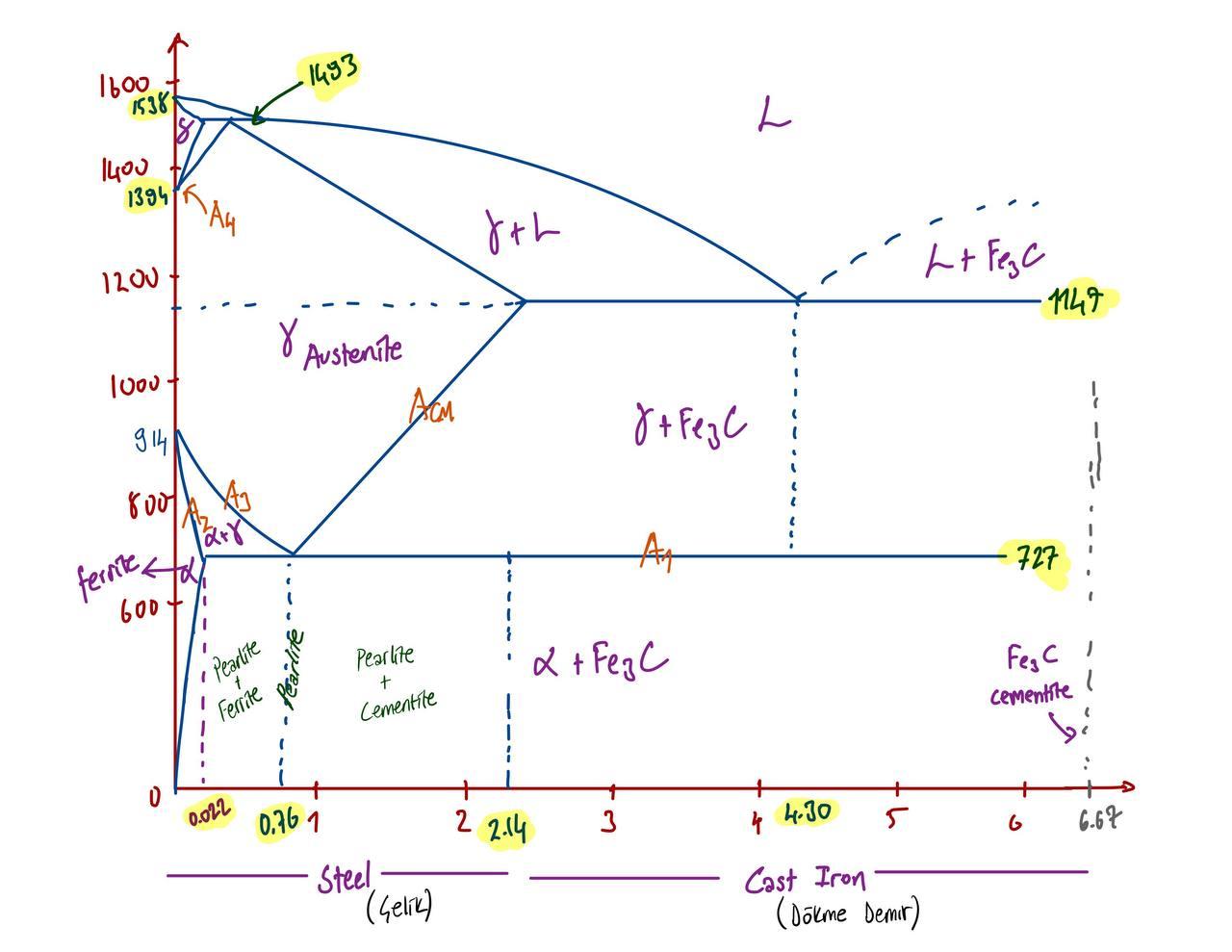
Iron Carbon Equilibrium Diagram
The iron-carbon equilibrium diagram (Fe-C diagram) is a binary phase diagram that illustrates the equilibrium phases formed by iron and carbon under varying temperature and composition conditions. It is regarded as a fundamental reference in metallurgy and materials engineering. This diagram is particularly important for understanding and controlling phase transformations during heat treatments in the production of steel and cast iron. Representative illustration of the Fe-C (Iron-Carbon) Equili
ENMuzaffer Yalçın

DLC (Diamond-Like Carbon) Coating
Diamond-like carbon (DLC) is a type of coating belonging to the class of amorphous carbon films and contains both sp² and sp³ hybridized carbon bonds. Structurally, DLC combines diamond-like properties such as high hardness and chemical inertness with graphite-like characteristics including exceptional lubricity and low coefficient of friction. This structural versatility enables DLC to be used in optical, mechanical, tribological, and biomedical applications. DLC films are classified based on t
ENMuzaffer Yalçın