

`byzantium` Related Article Results
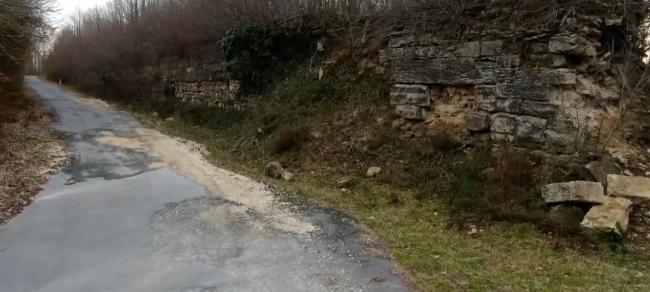
Anastasios Surları
Anastasian Walls (Greek: Ἀναστασιακόν Τεῖχος), also known as the Anastasiopolis Walls or Long Wall, were constructed by the Byzantine Empire to defend the northwestern approaches to Constantinople (modern Istanbul). The walls were commissioned by Emperor Anastasius I (reigned 491–518) in the late fifth century with the aim of protecting the capital from invasions coming from the north. The Hidden Wall of Istanbul: The Walls of Anastasius, TRT News, 2022. https://www.trthaber.com/haber/kultur-san
EN
Doğan Eşkinat

Zile Castle
Zile Castle is an ancient fortress located in the Zile district of Amasya Province, in the Central Black Sea region of Türkiye. Built atop a hill, the fortress was constructed to protect the city. Although the exact date of its construction is unknown, it bears traces from the Roman and Byzantine periods. The castle’s walls are very high, and over time, numerous different civilizations have used it. Today, visiting Zile Castle offers a wonderful opportunity to learn how people in ancient times d
EN
İbrahim Filiz
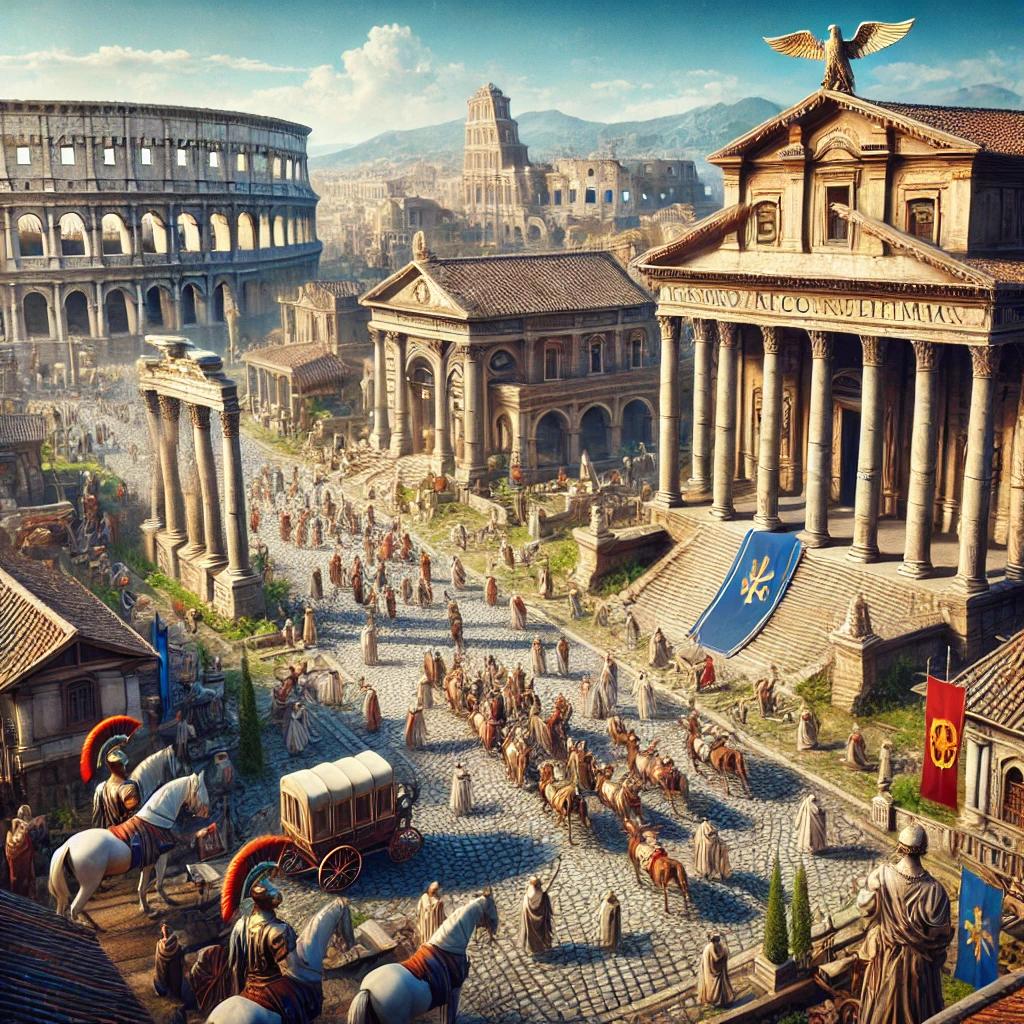
Some Words About the Roman Empire
Throughout history, humanity has established many great states and empires. Yet among them, the Roman Empire stands out as one of the world’s most distinguished, particularly in terms of continuity and institutional strength. While the empire of Genghis Khan may first come to mind as the “largest empire,” Rome carved out a unique place in history not through its territorial extent, but through its durability, legal system, cultural diversity, and capacity for integration. Rome’s long lifespan li
EN
Mustafa Cem İnci
Sheep Islands War
War of the Sheep Islands, fought on 19 May 1090 between the Turk fleet under the command of Çaka Bey and the Byzantine fleet, was the first open-sea naval victory in Turkish maritime history. This naval battle, fought near the Sheep Islands between Sakız Island and the Karaburun Peninsula in the Aegean Sea, represents the first major military success of the Turks in naval warfare. Background of the War By the end of the 11th century, the Byzantine Empire’s military and naval power along the Aege
EN
Beyza Kutlu
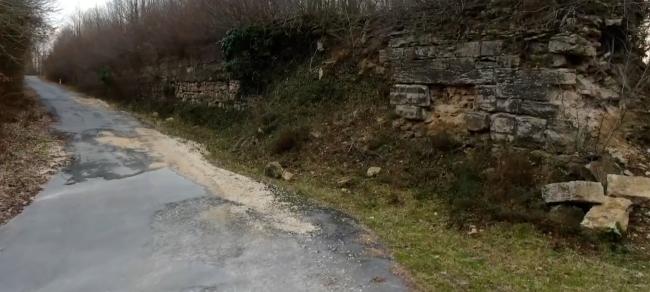
Anastasios Surları
Anastasian Walls (Greek: Ἀναστασιακόν Τεῖχος), also known as Anastasiopolis Walls or the Long Wall, is a defensive line constructed by the Byzantine Empire to the northwestern outskirts of Istanbul (Constantinople). The walls were commissioned by Byzantine Emperor Anastasius I (reigned 491–518) in the late fifth century to protect the capital from attacks coming from the north. İstanbul'un Saklı Duvarı: Anastasios Surları, TRT Haber, 2022. https://www.trthaber.com/haber/kultur-sanat/istanbulun-c
EN
Doğan Eşkinat
 By
ByByzantine Philosophy
Bizantine philosophy refers to the unique form adopted by the Greco-Roman philosophical heritage as it merged with Christianity over a period of approximately one thousand years within the geographical boundaries of the Eastern Roman Empire (Byzantium). This philosophical tradition is not merely the copying and preservation of classical philosophical texts; it is also an intellectual domain in which these texts were reinterpreted at theological, ethical, logical, and metaphysical levels. Bizanti
EN
Aslı Öncan

Eskişehir Eti Archaeology Museum
Eskişehir Eti Archaeology Museum is a cultural institution established to preserve, display and scientifically document the cultural heritage of the region spanning a broad historical spectrum from the Neolithic Age to the end of the Ottoman period. It holds a unique place in the history of Turkish museology as the first museum in Türkiye constructed with private sector funding and donated to the state. Founding History and Development The origins of museum activities in Eskişehir date back to t
EN
Bahtiyar Bora ERGÜN
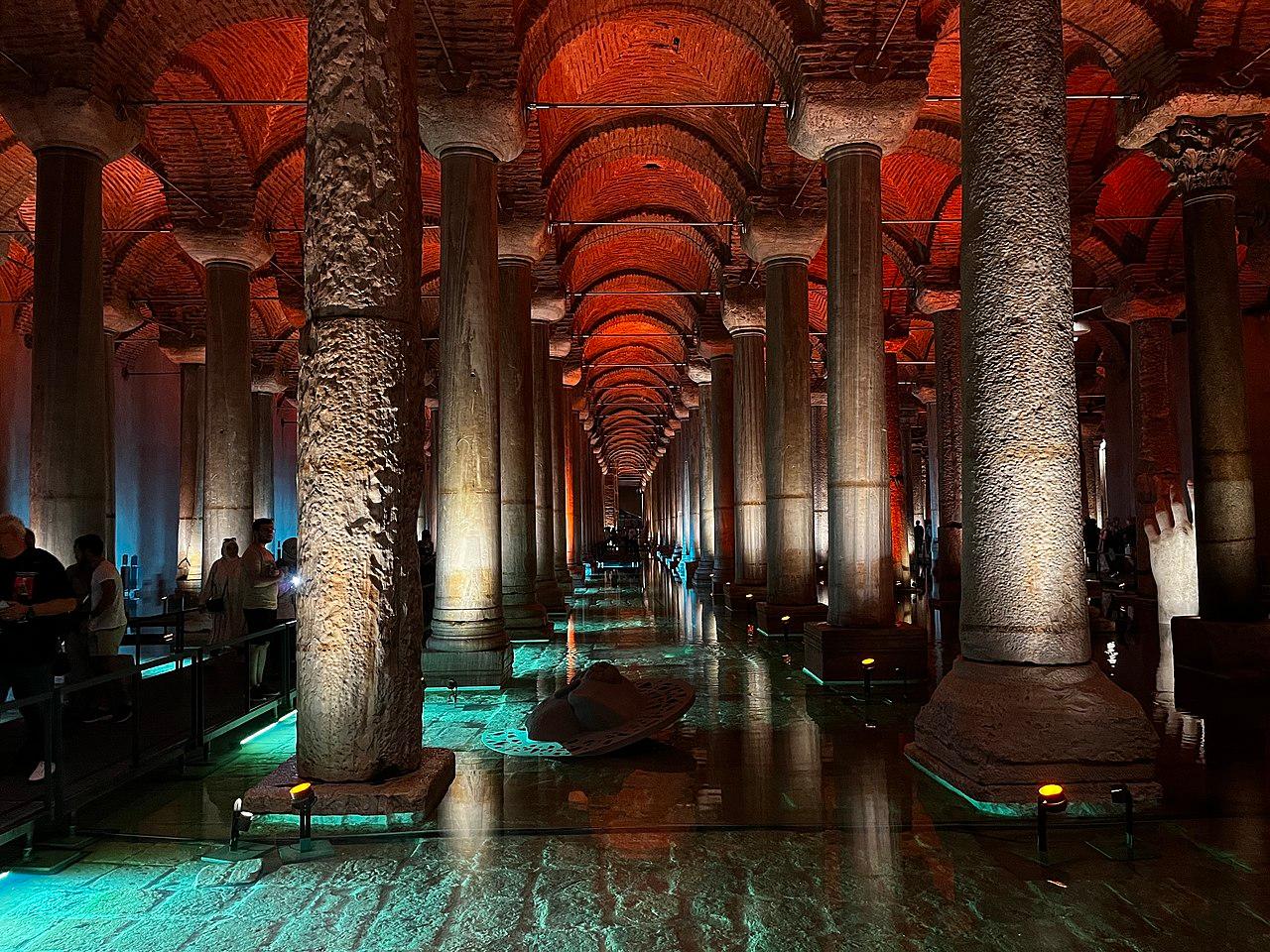
Yerebatan Sarnıcı
The Basilica Cistern is one of the structures that have survived from the Byzantine era to the present day. Located southwest of Hagia Sophia in the place area, this building was constructed by Emperor Justinian I (527–565) to meet the city’s water needs. Due to the columns rising from the water, it has been called the “Underground Palace” among people. Architectural Structure and Features The cistern is a rectangular structure measuring 140 metres in length and 70 metres in width. It contains 3
EN
Gökçe Aslan
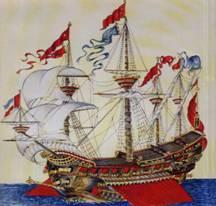
War of the Sheep Islands
The Battle of the Sheep Islands was the first open-sea naval victory in Turkish maritime history, fought on May 19, 1090, between the Turkish fleet under the command of Çaka Bey and the Byzantine fleet. This naval engagement, which took place near the Sheep Islands between the island of Chios and the Karaburun Peninsula in the Aegean Sea, represents the first major military success of the Turks in naval warfare. Representing the Battle of the Sheep Islands (Image generated by Artificial Intellig
EN
Beyza Kutlu
ClCleopatra Gate
The Kleopatra Gate is the only remaining structure among the three gates of the Byzantine-era city walls of Tarsus, originally known as the Sea Gate. The city walls included the Mountain Gate, Adana Gate, and Sea Gate. The gate was constructed using Horasan mortar and cut stone. The passage consists of a single horseshoe-shaped arch, with its height from ground level ranging between 6.17 and 8.50 metres and its depth approximately 6.18 metres. The width of the gate is reported to be about 5.60 m
EN
Melike Saraç